Endive is the green behind those beautiful frisee salads: lacy, curly leaves with a pleasant bitterness that stands up to bacon, poached eggs, and sharp vinaigrettes. Grown well and blanched properly, it is crisp, refreshing, and far more interesting than plain lettuce.
Table of Contents
Table of Contents
This guide shows how to grow endive in home gardens. It is a cool-season green for zones 4 through 9, sown in spring or late summer for fall harvest. It bolts quickly once temperatures stay above 80 degrees, so timing is everything. The classic technique is blanching: tying the outer leaves to pale and sweeten the heart. Grow it as a fall crop for the best quality. lettuce and spinach share the cool-season salad bed.

Photo: Wikimedia Commons
Choosing a Variety
When it comes to how to grow endive, getting the details right makes all the difference.
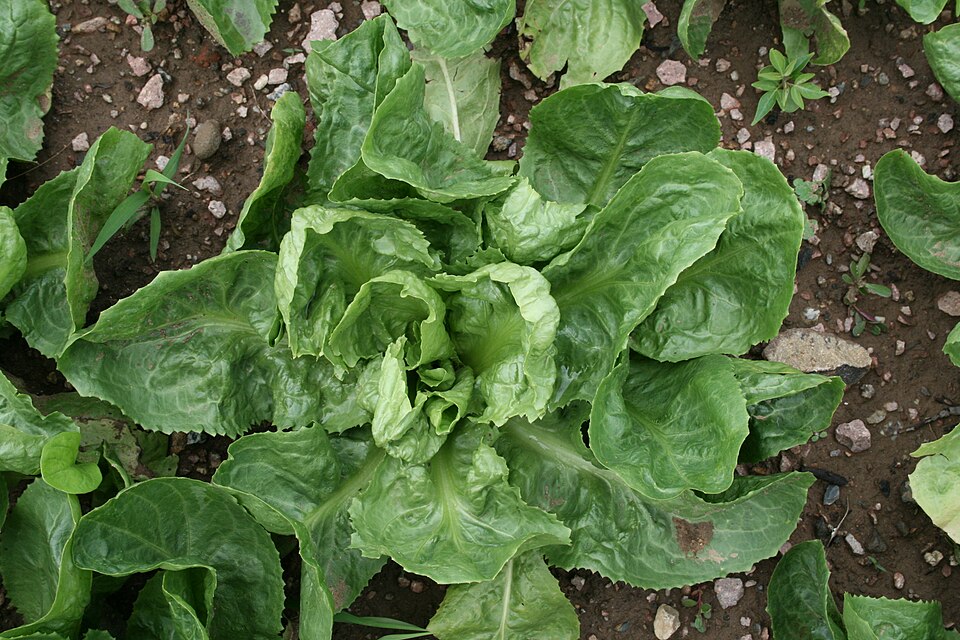

Many homeowners find that how to grow endive is easier than they expected once they know the basics.
Curly endive, or frisee, is Cichorium endivia with finely cut, frizzy leaves. Tres Fine Maraichere is a classic French type; Salad King resists bolting better for spring crops. Broadleaf escarole is the same species with wide, smooth leaves, milder and excellent braised.
Do not confuse endive with Belgian endive, which is a different plant grown by forcing chicory roots in the dark. For salad greens, curly endive is the one. Buy fresh seed each year. The USDA PLANTS Database lists Cichorium endivia with its cultivated forms.
Tres Fine Maraichere is the classic curly type for fall crops; Salad King resists bolting better for spring. Broadleaf escarole, the same species, is milder and excellent braised. Grow both for variety. The Clemson Cooperative Extension green variety guides compare bolting resistance.
When and How to Plant
Many homeowners find that how to grow endive is easier than they expected once they know the basics.
The key to how to grow endive is choosing the right approach for your space and budget.
Sow endive seeds a quarter inch deep, either started indoors about four weeks before the last spring frost or direct sown after it. Space plants eight to twelve inches apart in rich, moisture-holding soil. For the best quality, sow again about eight weeks before your first fall frost; the fall crop is the superior one.
Endive prefers the cool of spring and fall and bolts quickly in heat. check your USDA zone planting dates to set both sowing weeks. Full sun is fine in cool weather; give afternoon shade where summers are warm. Keep the seedbed moist until germination. The Old Farmer's Almanac planting calendar confirms frost dates.
The fall crop is the superior one: sow about eight weeks before the first fall frost so heads mature in cool weather. Cool nights produce crisper, sweeter heads than any spring planting can. The USDA National Agricultural Library references note fall's advantage for bitter greens.
Soil and Sun
The key to how to grow endive is choosing the right approach for your space and budget.
With a little planning, how to grow endive can fit even a busy schedule.
Endive wants fertile, well-drained soil that holds moisture. Work generous compost into the bed before sowing; these are hungry greens during their short season. A near-neutral pH suits them.
The bed must stay evenly moist for tender growth. Dry soil turns the leaves tough and extra bitter. Full sun in cool weather is best, with afternoon shade in warm regions. Mulch to keep leaves clean and soil cool. The University of Minnesota Extension salad green pages recommend the same rich, moist bed.
In regions with warm springs, shade cloth is the tool that makes endive possible. Drape a lightweight shade cloth over the bed when temperatures climb, and the cooler, dimmer conditions delay bolting by weeks. Even a simple frame with floating row cover gives partial shade and wind protection. Afternoon shade from a nearby fence or taller crop works too; plant endive on the east side of corn or trellised beans and it gets morning sun with afternoon relief. The goal is to keep the plants thinking it is still spring for as long as possible.
Combined with steady water and a bolt-resistant variety, shade turns a marginal spring crop into a reliable one. Fall crops rarely need it, since the season cools on its own.
Watering and Feeding
With a little planning, how to grow endive can fit even a busy schedule.
Before you start, it helps to understand how how to grow endive works in real homes.
Water steadily for tender growth. An inch a week from rain or irrigation is the target, and mulch helps hold it. Never let the bed dry out during head formation; drought triggers bolting.
Feed lightly with compost at planting and one side-dressing midway. Endive grows fast and needs steady nutrition, but heavy nitrogen late in the season makes soft growth. If leaves are crisp and growing fast, feeding is right. kale nearby wants similar treatment. The Clemson HGIC vegetable guides cover feeding for leafy greens.
Care Through the Season
Before you start, it helps to understand how how to grow endive works in real homes.
A good plan for how to grow endive saves time, money, and frustration.
The classic technique is blanching. Two to three weeks before harvest, gather the outer leaves and tie them loosely with twine, which pales the heart and sweetens the flavor. Alternatively, cover heads with an inverted pot. Blanched hearts are milder and make the famous frisee salads.
Watch for slugs hiding in the curly leaves; bait or patrol in the evening. Aphids cluster in the leaf axils; blast them off with water. In hot weather, shade cloth delays bolting. Harvest in the cool of the morning for the crispest leaves. The UF IFAS Gardening Solutions site shows slug damage on greens.
Tie the outer leaves loosely with twine two to three weeks before harvest to blanch the heart; blanched hearts are milder and make the famous frisee salads. An inverted pot works too. The Missouri Botanical Garden vegetable pages describe blanching technique.
Harvest
A good plan for how to grow endive saves time, money, and frustration.
For most people, how to grow endive comes down to a few smart choices.
Cut the whole head at the base when it reaches full size, or harvest outer leaves for cut-and-come-again picking. Blanched hearts are ready about two to three weeks after tying. Morning harvest gives the crispest texture.
Use blanched hearts fresh in salads; the outer green leaves work well lightly braised or wilted. Refrigerate promptly; endive keeps about a week chilled. For the sweetest, crispest heads, always favor the fall crop over spring. The Old Farmer's Almanac harvest guides note the fall advantage.
Troubleshooting
For most people, how to grow endive comes down to a few smart choices.
If you are new to how to grow endive, start with the simplest option and build from there.
Bolting in heat is the main enemy. Sow for fall, give afternoon shade, keep water steady, and choose bolt-resistant varieties for spring. Once the flower stalk rises, the leaves turn intensely bitter; compost the plant.
Bitter, tough leaves usually mean drought, heat, or skipped blanching. Water consistently, harvest in cool weather, and tie the hearts. If slugs riddle the leaves, bait around the bed and clear hiding places. Poor germination in hot soil is normal; sow when the soil cools. In zones warmer than 9, endive fails as a summer crop; grow it only in the cool season.
Blanching for Mild, Crisp Hearts
If you are new to how to grow endive, start with the simplest option and build from there.
When it comes to how to grow endive, getting the details right makes all the difference.
Blanching is the technique that turns endive from merely good to superb. Two to three weeks before harvest, gather the outer leaves of each head and tie them loosely with twine, or cover the head with an inverted flowerpot. Excluded from light, the inner leaves pale to creamy white and lose much of their bitterness while staying crisp.
Do not tie too tightly; air must circulate or the heart rots. Check after a rainy spell and loosen if the leaves feel slimy. Harvest the blanched heart by cutting the whole head at the base, then separate the pale inner leaves for salad and use the greener outer leaves for braising. The contrast on the plate, ivory hearts against dark outer leaves, is as beautiful as it is tasty. Fall-grown heads blanch best, since cool weather keeps them crisp through the process. Once you have eaten a properly blanched frisee with bacon and a poached egg, unblanched endive tastes like a missed opportunity. The Gardenia.net salad garden guides walk through blanching step by step.
Cut-and-Come-Again Harvest
When it comes to how to grow endive, getting the details right makes all the difference.
Many homeowners find that how to grow endive is easier than they expected once they know the basics.
You do not have to take the whole head at once. Endive responds well to cut-and-come-again harvesting: cut the outer leaves when they reach usable size, always leaving the heart and at least a few inner leaves to regrow. Harvest in the cool of the morning, cutting with a sharp knife an inch above the crown.
With steady water and a side-dressing of compost, the plant pushes new leaves for weeks, giving you salad greens long before a headed crop would mature. This method suits small households that want a few leaves at a time rather than a glut of heads. It also dodges bolting pressure, since you harvest young leaves continuously instead of waiting for maturity in warming weather.
For the classic blanched hearts, let a few plants mature untouched while you cut-and-come-again on the rest. Tie the mature heads two to three weeks before you want them. The combination gives you everyday salad leaves plus the occasional superb blanched heart, the best of both approaches from one sowing.
Endive is a cool-season treat worth the timing fuss. Sow for fall, keep it watered, blanch the hearts, and harvest crisp, pale frisee that elevates any salad. It asks for a short season of attention and gives back greens with real character. Once you have blanched your own, the store-bought kind tastes like a shadow.
References
University of Minnesota Extension. (n.d.). Growing endive in home gardens. https://extension.umn.edu/
Clemson Cooperative Extension. (n.d.). HGIC: Leafy greens. https://hgic.clemson.edu/
Old Farmer's Almanac. (n.d.). Growing endive: planting guide. https://www.almanac.com/
UF IFAS Gardening Solutions. (n.d.). Vegetable gardening. https://gardeningsolutions.ifas.ufl.edu/
Was this guide helpful?

About My Garden US
The My Garden US editorial team writes practical, in-depth home and garden guides for American homeowners — tested advice, no fluff.