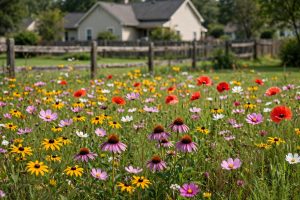
Chickpeas - Cicer arietinum, garbanzo beans - are the crop for gardeners whose summers run hot and dry. While other vegetables beg for water, chickpeas shrug: they evolved in the dry Middle East, they prefer lean soil and sparse rain, and they turn too much kindness into disease. Learning how to grow chickpeas is about restraint - sow them, give them sun and air, and then largely leave them alone until the pods rattle dry.
Table of Contents
Table of Contents
This is a genuinely different bean from the snap and shell beans most Americans grow. The plants are small, bushy, and odd-looking - grayish-green, fern-like foliage covered in tiny hairs - and each pod holds just one or two peas. But the harvest is real food: protein-rich dried beans for hummus, stews, and roasting, grown with less water than almost any other vegetable. In dry regions, they are one of the smartest crops you can plant.

Photo: Wikimedia Commons
Getting Started: A Bean for Dry Places
When it comes to how to grow chickpeas, getting the details right makes all the difference.

Many homeowners find that how to grow chickpeas is easier than they expected once they know the basics.
Chickpeas are among humanity's oldest crops, domesticated thousands of years ago in the Fertile Crescent and grown ever since across the dry regions of the world. They are cool-season legumes with a difference: they want a long, dry finish to ripen properly. The Missouri Botanical Garden plant profiles describe chickpea's bushy growth habit, useful for planning your bed layout. The USDA PLANTS database documents the species and its adaptation to arid agriculture - this is a plant that expects hardship and performs accordingly.
They need about 100 frost-free days to mature dried beans, which sets the range: zones 5 through 10 work, while zones 1 through 4 run out of season before the pods dry down. In humid eastern regions they grow but suffer more disease; in the dry West and Southwest they are in their element. Match the plant to your climate honestly - chickpeas reward dry air and punish humidity.
The plants fix their own nitrogen, like all legumes, and they do it in poor soil where other crops struggle. Do not plant them in your richest bed - that is for the hungry crops. Chickpeas want the lean, well-drained bed, the one with average soil and full sun. Gardenia.net growing guides emphasize this lean-soil preference as the key to success.
When and How to Plant
Many homeowners find that how to grow chickpeas is easier than they expected once they know the basics.
The key to how to grow chickpeas is choosing the right approach for your space and budget.
Direct sow in place - chickpeas resent transplanting, and there is no reason to start them indoors. Sow about one week after your last spring frost, when the soil has begun to warm but the air is still cool. They germinate in cool soil and grow through spring, then ripen in the dry heat of summer - the ideal arc. If you want to check your USDA zone planting dates, our planting calendar will help you find that frost date.
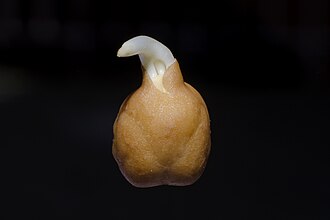
Sow seeds 1 to 2 inches deep and 4 to 6 inches apart, in rows about a foot apart. The seeds are large and easy to handle - the familiar dried chickpea from the grocery store will actually sprout, though proper seed stock germinates more reliably. In short-season northern zones, sow at the earliest workable date; every week counts toward those 100 days.
From sowing to dried harvest runs about 100 to 120 days. The plants flower in early summer - small white or purplish pea-flowers - set pods through the heat, and dry down as summer peaks. Time it so the drying happens in your driest weather; pods that mature during humid rains are prone to disease. The Old Farmer's Almanac season-length tables help you judge whether your frost-free window is long enough.
Soil and Sun
The key to how to grow chickpeas is choosing the right approach for your space and budget.
With a little planning, how to grow chickpeas can fit even a busy schedule.
Full sun - no compromise. Chickpeas want maximum light and heat for ripening, and shade just invites the diseases they are prone to. The sunniest, airiest spot in the garden is the right spot.
Well-drained, not-too-rich soil is essential. This is the critical soil advice: too much nitrogen grows enormous leafy plants with few pods, so skip the rich manure and heavy compost. Average to lean soil is perfect - the kind of bed where carrots do well. Drainage must be sharp; chickpeas rot in soggy ground faster than almost any vegetable. In heavy clay, plant in raised beds or on ridges.
A near-neutral pH suits them. They are not fussy about exact numbers, but very acidic soil can be limed. Inoculating the seed with chickpea/bean inoculant - the beneficial nitrogen-fixing bacteria - helps in soils where legumes have never grown, a cheap boost available wherever seeds are sold.
Watering and Feeding
With a little planning, how to grow chickpeas can fit even a busy schedule.
Before you start, it helps to understand how how to grow chickpeas works in real homes.
Water sparingly once established. This is the golden rule of chickpeas and the opposite of most vegetables: they are drought-tolerant, and too much water invites the diseases that are their main enemy. Water at planting and during early growth, then back off - let the plants find their own moisture. In most regions, spring rain plus occasional deep watering carries them through.
Avoid overhead watering completely. Wet foliage is how ascochyta blight - the brown lesions on leaves and pods - gets started, and it is the disease that ruins chickpea crops in humid regions. Water at the base in the morning if you must water, and give the plants maximum air circulation. Drip irrigation is ideal; sprinklers are the enemy.
Do not fertilize. The plants fix their own nitrogen, and excess fertility - especially nitrogen - is actively harmful, producing leafy giants with empty pods. The lean bed is the feeding program. This restraint is the hardest lesson for gardeners used to feeding hungry crops like tomatoes, but chickpeas punish kindness.
Care Through the Season
Before you start, it helps to understand how how to grow chickpeas works in real homes.
A good plan for how to grow chickpeas saves time, money, and frustration.
Weed early and thoroughly. Chickpea plants are slow to canopy - they stay small and open for weeks - and weeds will overtake them before they shade the ground. A clean bed at planting plus one or two hoeings in the first month handles it; after the plants bush out, they compete fine.
Space for air flow. The full 4-to-6-inch spacing in rows a foot apart is not just about roots - it is disease prevention. Crowded, still air plus any moisture equals blight. Resist the urge to plant thickly; chickpeas need their personal space more than most vegetables.
Watch for ascochyta blight: brown, target-like lesions on leaves, stems, and pods, worst in wet weather. Prevention is everything - air flow, no overhead watering, rotation away from last year's legumes, and resistant varieties where available. There is no good cure once it takes hold; remove badly affected plants to slow the spread. The Clemson Home and Garden Information Center covers legume blights for southern growers.
Otherwise, leave them alone. Chickpeas do not need staking, pruning, or training. They are small, self-contained plants that ask only for sun, air, and restraint. Like bell peppers left to their own devices in good conditions, they produce best with minimal interference.
Harvest
A good plan for how to grow chickpeas saves time, money, and frustration.
For most people, how to grow chickpeas comes down to a few smart choices.
Let the pods dry fully on the plant - this is a dried-bean harvest, not a fresh one. Wait until the plants yellow, the leaves drop, and the pods rattle when shaken. Then pull the whole plants, roots and all, and thresh the hard seeds free by hand - beat the dried plants inside a sack or rub the pods between your hands. It is satisfying, old-fashioned work.
For a fresh treat, pick plump green pods before they dry and eat the sweet peas raw or lightly steamed - a delicacy most gardeners never try, since the crop is usually grown for drying. The green chickpeas are sweet and tender, nothing like the dried ones.
Winnow the threshed beans to remove chaff, let them dry a few more days in a warm, airy spot, then store in airtight containers. Properly dried chickpeas keep for a year or more. One healthy plant yields a modest handful; a 10-foot row yields pounds - plan the planting size to your hummus ambitions.
Troubleshooting
For most people, how to grow chickpeas comes down to a few smart choices.
If you are new to how to grow chickpeas, start with the simplest option and build from there.
Seeds rotted. Cold, wet soil - you sowed too early or the bed drains poorly. Wait for the soil to warm and dry, improve drainage, or plant on ridges. Chickpeas hate wet feet from day one.
Big leafy plants, no pods. Too much nitrogen - the classic overfed chickpea. Do not fertilize, do not plant in manured beds, and let the plants' own nitrogen fixation do the work. Also possible: too little sun or sowing too late, so heat arrives before pod set.
Brown lesions on leaves and pods. Ascochyta blight, the chickpea scourge in humid weather. Improve air flow, stop overhead watering, rotate crops, and choose resistant varieties. In persistently humid regions, this disease is why chickpeas are a marginal crop - the dry West grows them far more easily. UF/IFAS Gardening Solutions discusses managing legume diseases in humid climates.
Pods not drying. Humid weather at harvest time, or plants too crowded for air flow. Wait for a dry spell, or pull the plants and finish drying them under cover with good air circulation - a barn, a garage, a covered porch.
Short season - frost coming, pods still green. In zones 1 through 4, this is the expected outcome; chickpeas need about 100 frost-free days and short seasons run out. The Almanac planting calendar shows your exact frost-free day count so you can judge the gamble honestly.
Chickpeas are the bean for gardeners who have learned that less water grows more - sow them lean, keep them dry, and harvest protein from the sunniest bed. The USDA National Agricultural Library holds the ancient agricultural texts that carried chickpeas from the Fertile Crescent to every dry region on earth. In the right climate, they are nearly foolproof; in the wrong one, they teach humility.
References
If you are new to how to grow chickpeas, start with the simplest option and build from there.
When it comes to how to grow chickpeas, getting the details right makes all the difference.
- Clemson University Cooperative Extension. (n.d.). Home & garden information center. https://hgic.clemson.edu/
- Gardenia. (n.d.). Chickpea growing guide. https://www.gardenia.net/
- U.S. Department of Agriculture. (n.d.). PLANTS database. https://plants.usda.gov/home
- UF/IFAS Extension. (n.d.). Gardening solutions. https://gardeningsolutions.ifas.ufl.edu/
- University of Minnesota Extension. (n.d.). Growing dry beans. https://extension.umn.edu/
Many homeowners find that how to grow chickpeas is easier than they expected once they know the basics.
The key to how to grow chickpeas is choosing the right approach for your space and budget.
When it comes to how to grow chickpeas, getting the details right makes all the difference.
Many homeowners find that how to grow chickpeas is easier than they expected once they know the basics.
Was this guide helpful?

About My Garden US
The My Garden US editorial team writes practical, in-depth home and garden guides for American homeowners — tested advice, no fluff.
You May Also Like
Native Grass Seed for California Homes: A Guide to a Lawn That Loves Dry Weather
February 20, 2026 21 views
Wildflower Seed Mixes USA Online Deals: How to Buy Well and Pay Less
August 11, 2026 22 views
How to Grow Blue Vervain: Native Pollinator Plant
October 20, 2026 26 views