The California poppy - Eschscholzia californica - is proof that the toughest plants are often the most beautiful. This is the flower that paints whole hillsides gold, thriving in poor, dry soil where fussier flowers give up. In the garden it asks for almost nothing: sun, lean soil, and the discipline to leave it alone. Learning how to grow California poppies is mostly about resisting the urge to help - no fertilizer, no coddling, no transplanting, ever.
Table of Contents
Table of Contents
Gardeners in dry regions treasure it as a water-wise annual that delivers months of silky orange, gold, and cream blooms. Herbalists grow it as a gentle traditional herb. Wildflower enthusiasts plant it in meadows where it self-sows into ever-expanding drifts. Whatever your reason, the method is the same: scatter seed where it is to grow, and let the taproot do the rest.

Photo: Wikimedia Commons
Getting Started: A Wildflower, Not a Hothouse Flower
When it comes to how to grow california poppies, getting the details right makes all the difference.
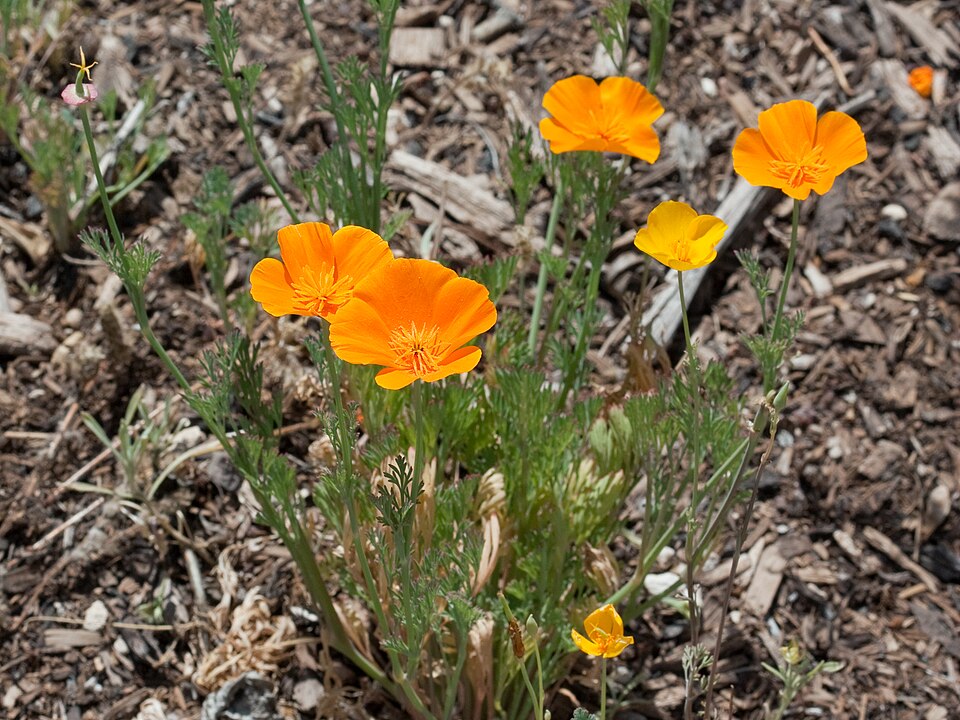

Many homeowners find that how to grow california poppies is easier than they expected once they know the basics.
California poppy is native to the western United States, hardy in zones 6 through 10, where it grows as a short-lived perennial or self-sowing annual. The Lady Bird Johnson Wildflower Center celebrates it as one of America's great native wildflowers, and its native-plant credentials matter: it evolved for lean soils, dry summers, and benign neglect. Every cultivation mistake with this plant comes from treating it like a pampered annual.
The single most important fact: direct sow only. The taproot hates transplanting - seedlings moved from pots sulk, stall, or die. This rules out the indoor seed-starting routine entirely. You scatter seed where the plants will live, thin once, and walk away. For gardeners used to fussing over seedlings under lights, this feels wrong. It is right.
Seed is cheap and widely available, including mixes in gold, orange, white, pink, and red. The Clemson Home and Garden Information Center has wildflower-establishment guides useful to southern gardeners starting poppy patches. The classic golden-orange is the toughest and most vigorous; the fancy colors are slightly less robust but still easy. Buy fresh seed - old poppy seed loses vigor - and plan to let the plants self-sow so you never buy it again.
When and How to Plant
Many homeowners find that how to grow california poppies is easier than they expected once they know the basics.
The key to how to grow california poppies is choosing the right approach for your space and budget.
Direct sow outdoors about two weeks before your last spring frost. The Almanac planting calendar helps you find that frost date for timing the sowing. The seed germinates in cool soil and the seedlings tolerate light frosts without complaint. Scatter the seed on the surface and press it in lightly - it needs light to germinate - then water gently. Thin seedlings to about 6 to 8 inches apart once they are an inch tall; crowded poppies stay spindly. If you want to check your USDA zone planting dates, our planting calendar will help you find that frost date.
In mild-winter regions (zones 8 through 10), fall sowing is even better: sow about ten weeks before your first fall frost, and the plants establish through winter for earlier, bigger spring blooms and abundant self-sowing. Fall-sown poppies outperform spring-sown ones dramatically where winters are gentle - they are bigger, bloom longer, and seed themselves into permanent drifts.
From sowing to bloom runs about 60 to 75 days. Once flowering starts, it continues for months if you deadhead - or ends sooner if you let every flower set seed. Both are valid strategies; deadheading gives you flowers, seeding gives you next year's plants. The Old Farmer's Almanac wildflower-sowing advice fits this plant perfectly: prepare the bed, scatter, and let nature handle the scheduling.
Soil and Sun
The key to how to grow california poppies is choosing the right approach for your space and budget.
With a little planning, how to grow california poppies can fit even a busy schedule.
Full sun - no exceptions, no compromises. California poppies in shade grow leggy, bloom sparsely, and flop over. They want the hottest, sunniest spot you have: the south-facing slope, the hellstrip by the street, the dry bank nothing else will grow on. Six to eight hours of direct sun is the minimum; more is better.
The soil should be well-drained and lean. This plant tolerates poor, sandy, even gravelly soil - it evolved for exactly that. Do not enrich the bed. Do not add compost. Do not fertilize, ever. Fertility is the enemy: rich soil grows tall, floppy plants with lush leaves and few flowers. Clemson Cooperative Extension notes the same lean-soil rule for native wildflowers generally. This is the rare plant where the worst soil in the yard is the best bed. The USDA PLANTS database notes its native habitat on poor, dry slopes - plant it accordingly.
Good drainage is the one soil requirement that matters. Poppies rot in waterlogged ground, especially in winter. If your soil stays soggy, plant on a mound or a slope. Sandy soils are ideal; heavy clay needs the drainage help.
Watering and Feeding
With a little planning, how to grow california poppies can fit even a busy schedule.
Before you start, it helps to understand how how to grow california poppies works in real homes.
Water until the seedlings are established - a few weeks of steady moisture to get them going - then back off. Mature California poppies are very drought tolerant, and overwatering kills them faster than drought ever will. In most regions, natural rainfall is plenty once plants are established; in dry-summer climates, they thrive on essentially no summer water at all, going semi-dormant and rebounding with fall rains.
No fertilizer. Ever. This bears repeating because it violates every gardening instinct: feeding California poppies makes them worse. The Missouri Botanical Garden plant profiles make the same point about native wildflowers generally - they evolved for lean conditions and pampering backfires.
If you must water during an extreme drought, water deeply and infrequently, and water in the morning so foliage dries fast. But honestly, a California poppy that cannot survive your summer on rainfall is planted in the wrong region - and even then, it will likely self-sow and try again next year.
Care Through the Season
Before you start, it helps to understand how how to grow california poppies works in real homes.
A good plan for how to grow california poppies saves time, money, and frustration.
Deadhead spent flowers for continuous bloom, or leave some to set the long, slender seed pods. This is the main decision of the season, and you can split the difference: deadhead the front of the bed for show, let the back go to seed for next year. The seed pods ripen and split explosively, flinging seed in every direction - which is exactly how the drifts expand.
Watch for aphids on the buds. They cluster on the developing flower buds in spring; a strong jet of water knocks them off, and ladybugs usually arrive to finish the job. Avoid insecticides - they kill the beneficial insects that are your real aphid control, and on a plant this tough, sprays are overkill. A mixed herb border with chamomile nearby draws in the hoverflies and ladybugs that keep aphid numbers down naturally.
Do not stake, do not prune, do not fuss. Plants in lean soil and full sun stay compact naturally. Floppy plants are telling you the soil is too rich or the sun too weak - fix the conditions, not the plant. Like sage and other lean-soil herbs, California poppy's best care is benign neglect.
Let it self-sow. This is how a one-time planting becomes a permanent feature. Leave the last flush of flowers to set seed, do not mulch heavily over the seeding area (the seed needs soil contact), and next spring's seedlings will appear on their own schedule. Thin them once and enjoy.
Harvest
A good plan for how to grow california poppies saves time, money, and frustration.
For most people, how to grow california poppies comes down to a few smart choices.
For bouquets, cut stems when the buds are just cracking open - showing color but not yet unfurled. They open in the vase within hours and last several days, a fleeting but lovely cut flower. Cut in the cool of the morning and put stems straight into water. Like all poppies, they are short-lived in the vase - a few days at best - but their silky texture is unmatched, and a massed bunch of them outshines longer-lasting lavender bundles for sheer spring cheer.
For herbal use, harvest the aerial parts - leaves, stems, and flowers - while the plant is in full flower, and dry them quickly in a warm, airy spot out of direct sun. California poppy is a traditional gentle herb, quite different from its opium-poppy cousins, and the whole flowering plant is used.
To save seed, collect the ripe pods just before they split - when they turn tan and the seeds rattle inside. Snip them into a paper bag and let them finish drying indoors; they will pop open on their own. One plant's pods seed a generous patch next year. Store seed cool and dry.
Troubleshooting
For most people, how to grow california poppies comes down to a few smart choices.
If you are new to how to grow california poppies, start with the simplest option and build from there.
Seedlings died after transplanting. You transplanted them - do not do that. Direct sow only, always. The taproot does not forgive disturbance. If you must fill a gap, sow fresh seed directly in the gap.
Tall, floppy, few flowers. Too much fertility, too much water, or too little sun. This is the classic over-pampered poppy. Move future sowings to leaner soil and full sun, stop fertilizing, and water less. The plant is telling you it is too comfortable.
Nothing came up. Seed buried too deep (it needs light), washed away by heavy watering, or old dead seed. Surface-sow, press in gently, water with a fine mist, and buy fresh seed. Birds sometimes eat the seed - a light row cover until germination helps.
Plants died in summer. In hot-summer regions this can be normal - the plants finish, set seed, and die, returning from self-sown seed next season. If you want summer-long plants, water very sparingly through heat and accept a ragged look; the fall rebound is the reward.
Aphids on every bud. Blast with water, wait for ladybugs, and avoid spraying. Severe, persistent infestations sometimes mean the plants are stressed - check sun and drainage. Gardenia.net pest guides cover aphid basics for flower growers.
California poppy is the flower for gardeners who have learned that less is more. The USDA National Agricultural Library holds the old seed catalogs that spread it eastward from its native hills. Scatter the seed, withhold the fertilizer, and let the toughest beauty in the garden do what it does.
References
If you are new to how to grow california poppies, start with the simplest option and build from there.
When it comes to how to grow california poppies, getting the details right makes all the difference.
- Gardenia. (n.d.). California poppy growing guide. https://www.gardenia.net/
- Lady Bird Johnson Wildflower Center. (n.d.). Native plant database. https://www.wildflower.org/plants/
- Missouri Botanical Garden. (n.d.). Plant finder. https://www.missouribotanicalgarden.org/
- U.S. Department of Agriculture. (n.d.). PLANTS database. https://plants.usda.gov/home
- USDA National Agricultural Library. (n.d.). Agricultural library resources. https://www.nal.usda.gov/
Many homeowners find that how to grow california poppies is easier than they expected once they know the basics.
The key to how to grow california poppies is choosing the right approach for your space and budget.
When it comes to how to grow california poppies, getting the details right makes all the difference.
Many homeowners find that how to grow california poppies is easier than they expected once they know the basics.
Was this guide helpful?

About My Garden US
The My Garden US editorial team writes practical, in-depth home and garden guides for American homeowners — tested advice, no fluff.