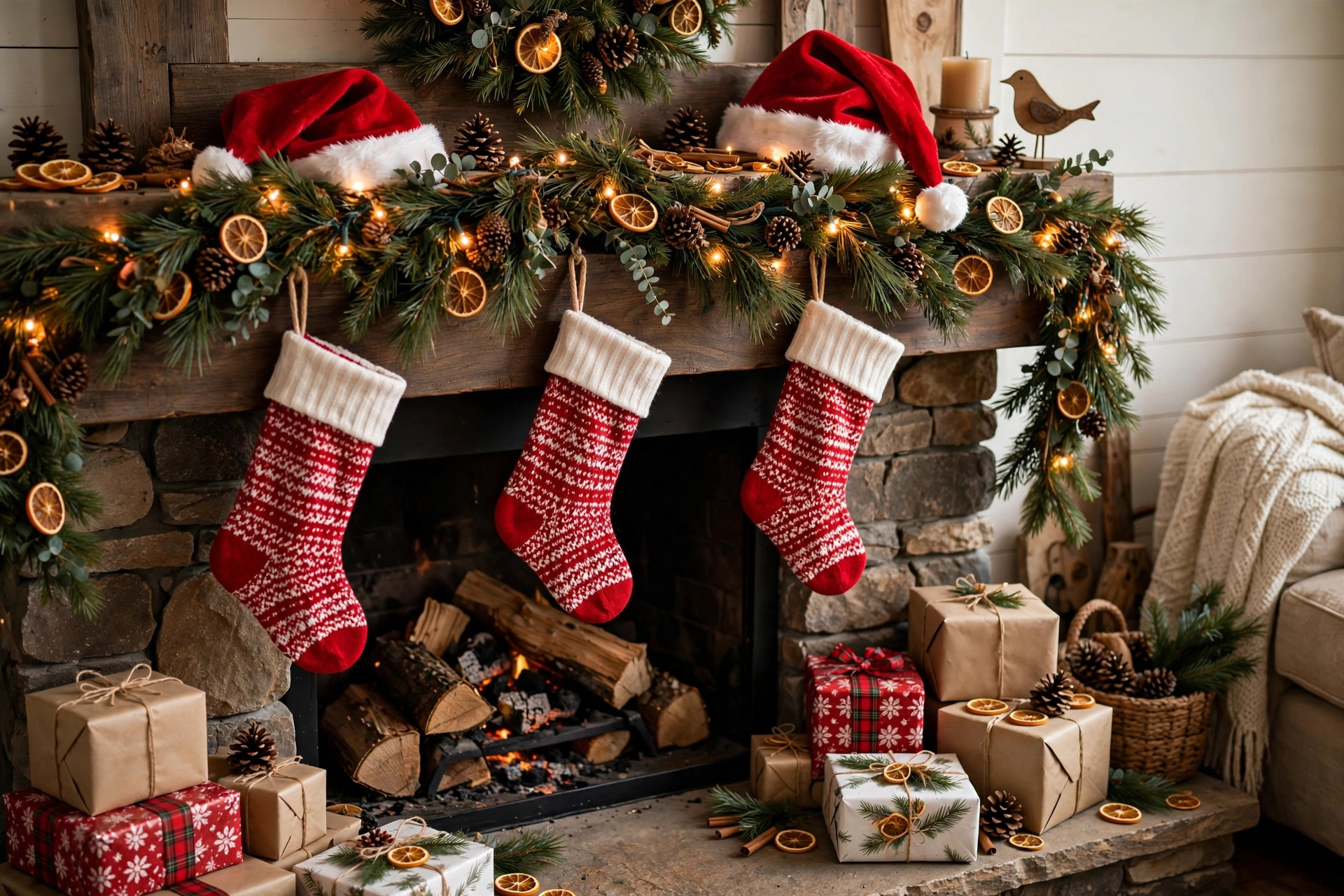

Few sights welcome the holiday season like a cheerful Santa. For many American families, christmas santa decorations for indoor display usa are the heart of the season. A well-placed Santa figure by the fireplace, on the mantel, or in the entry hall can set the mood for the whole house. This guide walks you through the choices. You will learn what kinds are sold, what to look for, what they cost, and how to keep them safe and in good shape year after year.
Why Santa Figures Matter at Christmas
Santa Claus has been a part of American Christmas for a long time. He first took shape in poems and drawings of the 1800s. Since then he has become a symbol of giving and joy. A Santa figure inside the home reminds everyone that the season is here.
Indoor Santa decorations do more than fill a corner. They give a home a warm center. Children light up when they see a life-size Santa near the tree. Guests feel the holiday mood at once. Many families pass Santa figures down from one generation to the next. An old Santa from a grandparent’s attic can carry deep feeling.
Collectors take this seriously too. Old Santas from well-known makers hold value. Some people build whole displays with many Santas, each from a different year. But most buyers want one thing: a Santa that looks right in their home and lasts for many seasons.
What to Look for When You Shop: Christmas Santa Decorations for Indoor Display Usa
Shopping for indoor Santa decor can be easy if you know the basics. Keep these points in mind before you buy.
Size and Scale
Santa figures come in many sizes. Small figures stand about six to ten inches tall. They fit on shelves, side tables, and christmas village houses for mantel display scenes. Medium figures run from one to three feet. These suit tabletops, mantels, and hearths. Large figures reach four to six feet. They stand best in entry halls or large living rooms.
Measure your space before you shop. A six-foot Santa in a small den will crowd the room. A ten-inch Santa may look lost in a grand foyer. Keep the height of your ceilings in mind. A tall Santa next to a seven-foot tree needs balance. Aim for a size that fits the room and the other decor.
Materials and Build Quality
Santa figures are made from many materials. Plaster and ceramic give a classic look but chip if dropped. Resin is lighter and holds fine detail. Fabric figures, often stuffed, feel soft and traditional. Some use real fur or plush for the coat trim. Wood Santas have a folk-art feel. Paper mache Santas are light and easy to hang or place on high shelves.
Check the paint work. Good figures have clean edges between colors. Look at the face. A Santa’s face makes or breaks the piece. Poor painting on the eyes or cheeks can look cheap. Check the base too. A solid, flat base keeps the figure steady. Felt pads under the base protect wood floors.
Lighting and Motion Features
Many modern Santas have lights, motion, or sound. Light-up Santas glow from inside or carry a lantern. Animated Santas may wave, nod, or rock. Musical Santas play carols. These features add fun but also add risk. More parts mean more things that can break. If you buy a Santa with lights, check the power source. Battery units are simple but need fresh batteries. Plug-in units need a safe outlet nearby.
Make sure any electric parts carry a proper safety mark from a testing lab. Never use a figure with a frayed cord or cracked plug. Place electric Santas where the cord will not trip anyone.
Types and Options
Stores in the United States sell many styles of indoor Santa decor. Here are the most common types.
Traditional Santas. These show Santa in the classic red suit with white trim. They may hold a sack of toys, a list, or a lantern. Traditional figures suit almost any home. They match classic red and green decor well.
Vintage-Style Santas. These copy the look of Santas from the early and mid-1900s. They often wear longer coats in deep red or even blue. The finish may look worn on purpose. Vintage-style Santas pair well with antique decor and old family ornaments.
Modern and Whimsical Santas. These break the rules. They may wear black or white coats. They may have slim bodies or playful poses. Some are simple shapes in wood or metal. Modern Santas suit homes with clean, simple decor.
Santa Busts and Heads. A bust shows only Santa’s head and shoulders. These sit well on a mantel or bookshelf. They are also good in small rooms where a full figure would crowd the space.
Santa Groups and Scenes. Some sets show Santa with elves, reindeer, or Mrs. Claus. Scene sets tell a small story. They work well as a centerpiece on a dining table or in a bay window.
Lighted Santas. These figures glow with built-in lights. Some are made of glittered mesh over a frame. Others are ceramic with light shining through holes. Lighted Santas double as night lights in halls and children’s rooms.
Animated Santas. These move or make sound. A waving Santa near the front door greets guests. Animated figures delight children. They cost more and need care, but they add life to a display.
Craft and holiday retailers such as Michaels carry a wide range of Santa figures each season. Home stores like Home Depot and Lowe’s stock large indoor Santas alongside trees and lights. Online sellers like Wayfair offer many styles with customer reviews that help you judge quality before you buy.
Cost and Price
Indoor Santa decorations cover a wide price range. Small tabletop figures often cost between ten and thirty dollars. These are good for a first buy or for adding to a shelf. Medium figures in the one to three foot range usually run from thirty to one hundred dollars. Build quality rises with price in this range.
Large Santas of four to six feet can cost from one hundred to five hundred dollars or more. Hand-painted and limited-edition pieces cost the most. Animated and musical Santas also sit at the higher end. A life-size animated Santa with lights and sound may cost several hundred dollars.
Watch for sales. Prices drop after Christmas. Many shoppers buy in January for the next year. Clearance racks at big stores can cut prices by half or more. But choice is thin by then. If you want a certain style, buy in November or early December. Set a budget before you shop. It is easy to spend more than planned when the store is full of holiday cheer.
Shipping matters for online buys. Large Santas are bulky. Check the shipping cost and the return policy. A good return policy matters because photos online can mislead. Read customer reviews for notes on size, color, and build.
Care and Upkeep
Good care keeps a Santa figure looking new for years. Dust figures often with a soft brush or dry cloth. For fabric Santas, a lint roller picks up dust from plush trim. Keep figures out of direct sun. Sun fades red coats and yellows white trim over time.
Store Santas with care after the season. Wrap each figure in tissue paper or a soft cloth. Place them in sturdy boxes. Keep the boxes in a cool, dry place. Attics can get very hot and basements can be damp. Both can harm paint and fabric. A closet or spare room is often best.
If a Santa has lights or motion, remove the batteries before storage. Batteries can leak and ruin the battery box. Test the figure each November before you set it out. Replace worn parts while stores still stock them.
Small repairs are often simple. A loose arm can be glued. A scuffed coat can be touched up with craft paint. Keep the box the Santa came in. The box gives the figure a safe home each year and often shows the maker’s name for future buys.
Design magazines like Better Homes & Gardens and Country Living publish yearly storage guides for holiday decor. Their tips on boxing and labeling can save you time each January.
Safety
Safety comes first with indoor holiday decor. Follow these rules.
Keep Santas away from open flames. Fabric, paper mache, and dried trim catch fire fast. Never place a Santa near candles, a fireplace, or a lit menorah. Even ceramic figures can crack from heat.
Check all electric cords and plugs. Do not overload outlets. Use a power strip with a built-in breaker if you run several lighted figures. Turn off lighted Santas when you leave the house or go to bed.
Watch out for small parts. Some Santa figures have small buttons, bells, or toys. These can be a choking risk for toddlers and pets. Place figures with small parts out of reach of small children. Read the age labels on animated and musical Santas.
Place large Santas where they will not tip. A six-foot figure on a slick floor can fall and hurt someone. Use the base or stand that came with the figure. In homes with active pets, keep valuable or fragile Santas in rooms the pets do not enter.
The U.S. Consumer Product Safety Commission publishes holiday safety tips each year. Their guidance covers cords, lights, and decoration hazards. It is worth a look before you decorate.
Decorating Ideas
A Santa figure can anchor many kinds of displays. On the mantel, pair a medium Santa with christmas garland for staircase and mantel and candles. The mix of green garland and red suit looks classic. In the entry hall, a large Santa by the door greets every guest.
On a side table, a small Santa can join framed family photos and a bowl of ornaments. In a child’s room, a soft plush Santa works as both decor and a comfort toy. Near the tree, a Santa holding a lantern ties the whole scene together.
Group Santas in odd numbers. Three small Santas of different heights look better than two. Mix textures: a ceramic Santa, a fabric Santa, and a wood Santa can share a shelf without looking the same. Add personalized christmas stockings for family nearby to make the display feel personal.
Ideas from The Spruce, HGTV, and Good Housekeeping offer fresh takes each year. Their galleries show how a single Santa can change the feel of a room.
FAQ
How long do indoor Santa decorations last?
With good care, a quality Santa figure can last ten years or more. Ceramic and resin figures last the longest. Fabric figures may wear sooner. Animated figures last as long as their motors and wiring hold up. Store figures well and they will serve for many seasons.
Can I use outdoor Santa figures indoors?
Yes, but check them first. Outdoor figures are often bigger and rougher in finish. Some have ground stakes or weatherproof coatings that look out of place inside. Make sure any lights are rated for indoor use. Indoor-rated cords are safer inside the home.
What size Santa should I buy for my mantel?
A mantel Santa usually works best between twelve and twenty-four inches tall. Measure the mantel depth too. A deep figure on a narrow mantel can tip. Leave room for garland or stockings beside the figure.
Are vintage Santas worth the money?
It depends. True antiques from known makers can hold or gain value. But many “vintage-style” figures are new copies. Learn to tell the difference. Check marks on the base. Research the maker. Buy from trusted sellers. For pure decor, a good new figure often gives more joy per dollar.
How do I clean a fabric Santa?
Use a soft brush or lint roller for dust. For spots, dab with a damp cloth and mild soap. Do not soak the figure. Let it air dry fully before storage. For valuable or antique fabric Santas, ask a textile cleaner for advice before you wash anything.
When is the best time to buy Santa decorations?
For the best choice, shop in November and early December. For the best prices, shop the week after Christmas. Stores clear holiday stock fast in January. Online sellers also run post-season sales. Buying early in the season gives you the full range. Buying late gives you the lowest prices.
A Final Word
A Santa figure is more than a decoration. It is a sign that the season of warmth and giving has come to your home. Choose a size that fits your space. Pick a style that matches your taste. Keep safety in mind. Store your Santa with care each January, and it will welcome you back each December. The right Santa can become part of your family’s holiday story for years to come.
References
Better Homes & Gardens. (n.d.). Home and garden ideas. https://www.bhg.com Country Living. (n.d.). Country home and lifestyle. https://www.countryliving.com Good Housekeeping. (n.d.). Product reviews and home advice. https://www.goodhousekeeping.com HGTV. (n.d.). Home and garden ideas. https://www.hgtv.com Lowe’s. (n.d.). Home improvement products. https://www.lowes.com Michaels. (n.d.). Arts and crafts supplies. https://www.michaels.com The Home Depot. (n.d.). Home improvement products. https://www.homedepot.com The Spruce. (n.d.). Home and garden advice. https://www.thespruce.com U.S. Consumer Product Safety Commission. (n.d.). Product safety information. https://www.cpsc.gov Wayfair. (n.d.). Furniture and home goods. https://www.wayfair.com
Was this guide helpful?

About Lisa Anderson
The My Garden US editorial team writes practical, in-depth home and garden guides for American homeowners — tested advice, no fluff.
You May Also Like
The Best Christmas Lights Timer for Outdoor Outlets
August 3, 2026 0 views
Best Christmas Window Silhouette Decorations Lighted: A Plain Guide
April 25, 2026 0 views
Thanksgiving Salt and Pepper Shakers for Table
September 16, 2026 0 views