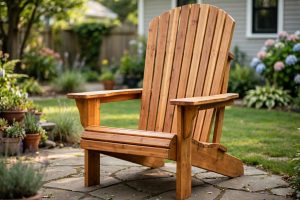

Finding the best outdoor dining set for windy areas takes more thought than most shoppers expect. A set that looks fine in the store can slide across the deck the first time a strong gust arrives. Chairs fall over. Umbrellas lift off. Glass tops rattle and chip. The wrong choice costs money and can cause harm. The right choice gives you years of quiet, steady meals outdoors.
Wind is a patient force. It does not push all at once. It tests each joint, each leg, each surface. Homeowners in coastal towns, on hilltops, and across the open plains know this well. They have watched light furniture dance down the street. This guide explains how to pick an outdoor dining set that will not blow away, and how to keep it safe through the seasons.
Why Wind-Resistant Dining Sets Matter
A dining set is the heart of the patio. Families gather there for breakfast, for weekend cookouts, and for long summer evenings. When the set is light, the mood changes. Every gust brings a glance at the chairs. Guests hold their plates tight. Nobody relaxes.
Safety comes first. A chair that tips can hit a guest. A table that slides can crush a planter and send shards across the patio. The problem grows worse with umbrellas, which act like sails. A complete outdoor dining set that will not blow away protects both people and property.
Money comes second. Cheap, light sets wear out fast in windy spots. Joints loosen. Finish cracks. Homeowners replace the set in two or three years. A heavy, well-built set costs more at first, but it often lasts ten years or more. Buying once beats buying twice.
Comfort is the third reason. Heavy furniture stays put. You sit down and the chair does not wobble or creep. The table does not rock when you lean on it. The meal feels calm, even when the trees are bending outside.
What to Look for When You Choose: Best Outdoor Dining Set for Windy Areas
Weight Is the First Test
Weight is the simplest way to judge a set. Pick up a chair in the store. If you can lift it with one hand and carry it with ease, the wind will move it too. A sturdy chair for a windy patio often weighs twenty pounds or more. Tables should feel solid and hard to budge. As a rule, the best outdoor dining set for windy areas is also the heaviest set you are willing to pay for.
Cast aluminum looks solid but weighs less than most buyers guess. It works well in calm spots, but in gusty yards it needs help. Wrought iron and steel are heavy and honest. Teak is heavy too, and it handles weather with grace. High-density poly lumber, the recycled plastic sold by makers like Polywood, is also weighty and resists rot.
Frame Material
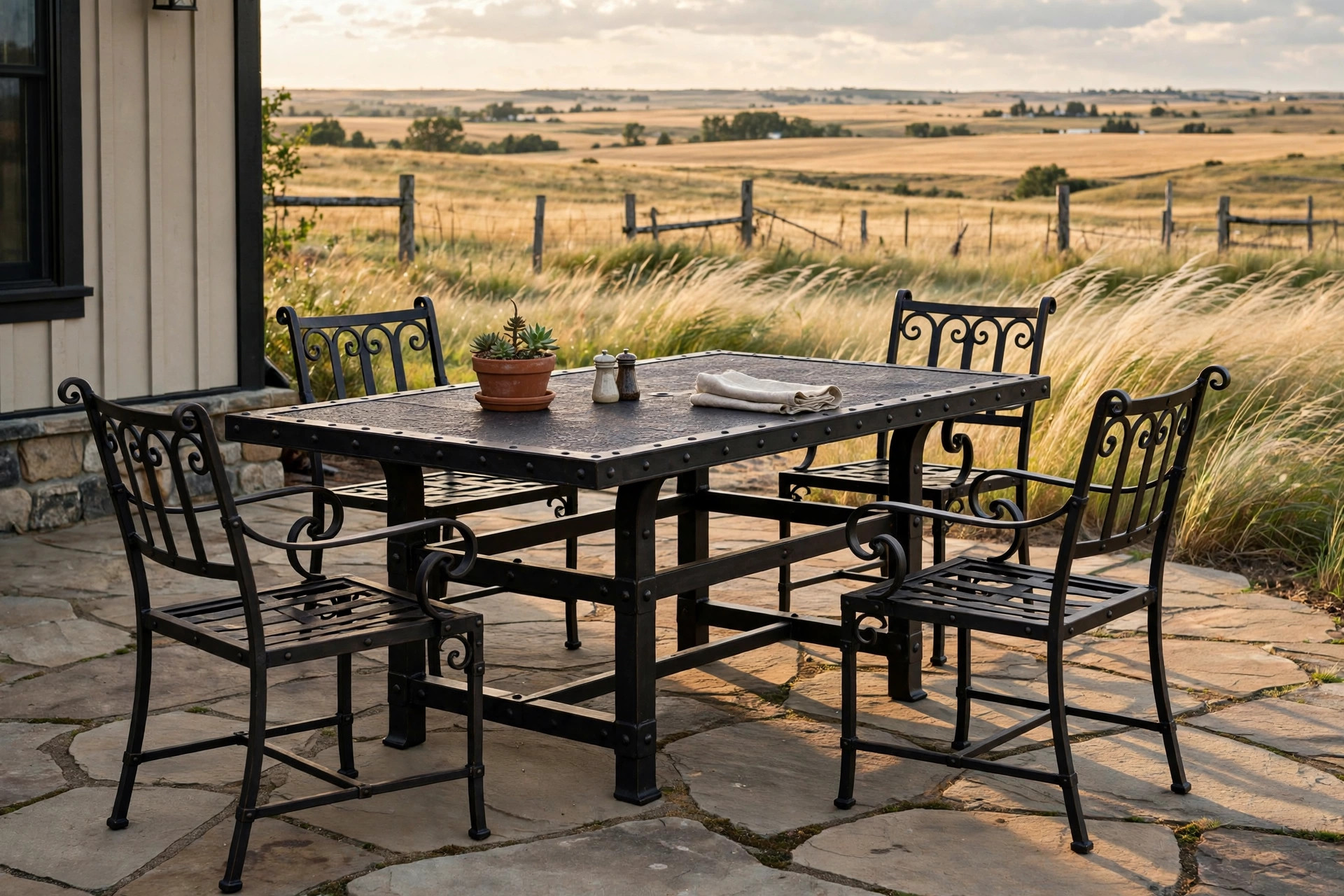
Wrought iron stands at the top for weight. A wrought iron table can weigh over one hundred pounds. It does not move. Its weak point is rust, so check that the finish is sealed and complete. Aluminum is light but fights rust well. Cast aluminum is heavier than tube aluminum and holds up better in gusts. Steel falls between the two; look for powder-coated steel with sealed joints.
Teak and eucalyptus bring natural weight. A thick teak table stays put through most storms. Teak costs more, but it lasts decades with simple care. Guides on teak patio set care explain how to keep the wood rich and tight through every season.
Resin wicker over an aluminum frame is popular and looks soft. The wicker itself adds little weight. In wind, choose sets where the frame is steel or where the pieces are extra heavy. Avoid thin, hollow frames no matter how nice they look.
Shape and Design
Low, wide shapes beat tall, narrow ones. A low table catches less wind. Chairs with low backs and wide legs tip less often than tall, slim chairs. Round tables work well because wind flows around them. Glass tabletops look clean, but in windy areas a solid top or slatted top is safer. Glass can chip when chairs bump it, and a bare glass top offers no grip for dishes in a gust.
Umbrellas deserve special care. Many dining sets include an umbrella hole, but a full umbrella in strong wind is a risk. If you want shade, choose a heavy offset base, close the umbrella when gusts rise, and never leave it open overnight.
Base and Feet
Wide feet give grip. Look for tables with four broad legs rather than a single center pedestal. A pedestal table can rock and walk across the patio in gusts. Chairs with splayed legs sit firmer than chairs with straight, narrow legs. Some sets include feet that accept sand or water ballast. These add welcome pounds right where the wind pushes.
Types of Wind-Friendly Dining Sets
Wrought Iron Sets
Wrought iron is the classic answer. These sets are heavy, plain, and strong. A five-piece wrought iron set often weighs more than one hundred fifty pounds in total. The metal can rust, so keep the paint whole and touch up chips at once. Iron sets suit formal patios and windy hilltops alike. Many designs pair well with simple cushions for comfort.
Cast Aluminum Sets
Cast aluminum gives the look of iron at half the weight. Good cast aluminum sets use thick castings, not thin metal. They resist rust, which makes them kind to coastal buyers. In very windy spots, add weight with a heavy umbrella base or anchor the table legs. Cast aluminum cleans with soap and water and needs little else.
Teak and Hardwood Sets
Teak is the wood of choice. It is heavy, oily, and built to face rain and sun. A teak dining table for a windy patio may weigh eighty pounds or more. Cheaper woods like acacia are lighter and need more care. If the budget allows, teak pays back in years of service. Eucalyptus is a fair middle choice: heavier than pine, lighter than teak, and kind to the wallet.
Poly Lumber Sets
Recycled poly lumber sets are heavy, thick, and nearly free of upkeep. They do not rot, rust, or splinter. They come in wood tones and bright colors. Their weight makes them a smart pick for the best outdoor dining set for windy areas when the buyer wants zero staining and no sealing. They cost more than pine but less than teak.
Steel Sets
Powder-coated steel sets are strong and fairly priced. They weigh more than aluminum and less than iron. Check welds and joints for full, even coats. Bare spots invite rust. Steel works well for buyers who want weight without the price of teak.
Cost and Price
Prices shift with material and size. A small three-piece bistro set in steel may cost a few hundred dollars. A five-piece cast aluminum dining set often runs from five hundred to twelve hundred dollars. Wrought iron sets of five pieces range from eight hundred to two thousand dollars. Teak sets start near fifteen hundred dollars and rise past three thousand for large tables with six chairs.
Heavy poly lumber sets sit in the middle. A five-piece poly set often costs between one thousand and two thousand dollars. These numbers are guides, not rules. Sales at large stores move prices up and down through the year. Shoppers can compare current options at retailers such as Lowe’s, Home Depot, Wayfair, and IKEA to see what heavy sets cost in their area.
Think in cost per year. A four-hundred-dollar light set that lasts three years costs more per year than a twelve-hundred-dollar iron set that lasts twelve years. The heavy set also saves the trouble of shopping again and hauling the old one away.
Delivery adds cost. Heavy sets cost more to ship. Some stores offer free local delivery, which is worth asking about. Assembly takes time too. Iron and teak sets often need two people and an hour or more. Plan the work before the boxes arrive.
Care and Upkeep
Heavy furniture still needs care. Wash the set each spring with mild soap and warm water. Rinse well and let it dry in the sun. This simple wash removes salt, pollen, and grit that wear down finishes.
For iron and steel, check the finish each year. Touch up chips with matching outdoor paint. A small chip left alone becomes a rust spot, and a rust spot spreads. For teak, wash and let the wood silver, or oil it once a year to keep the honey tone. Either path works. Do not use harsh cleaners on teak; they strip the natural oils.
Tighten bolts each spring. Wind shakes joints loose over time. A few turns of a wrench keeps chairs firm and tables level. Replace worn glides under chair legs. Glides protect the patio and stop chairs from creeping.
Covers help in the off season. A breathable cover keeps rain off and slows wear. Do not wrap furniture in plastic, which traps damp air and feeds rust and mold. In hurricane country, bring cushions inside and lay chairs on their sides or stack them against a wall when a named storm comes. No patio set is storm-proof. Good habits close the gap.
Storage matters too. If the set sits out all winter, snow load and freeze can stress joints. A shed or garage is best. Failing that, covers and a sheltered corner do the job. Reviewers at Consumer Reports and guides at The Spruce both stress that covered storage adds years to outdoor furniture life.
Safety Tips for Windy Patios
Place the set with care. A corner near the house breaks the wind. A low fence or hedge helps too. Keep the set away from pool edges and drop-offs where a sliding chair could cause a fall. Leave room to walk behind chairs; a crowded patio turns a tipped chair into a tripping hazard.
Anchor when needed. Some owners bolt table legs to the deck with small brackets. Others fill hollow legs with sand. These steps suit the windiest lots. At the least, use a heavy umbrella base rated for your umbrella size, and close the umbrella when the wind picks up.
Watch the weather. If gusts top forty miles per hour, lay light chairs down or move them inside. Glass tops should come off and lean against a wall, cloth side down, before a storm. These small steps take ten minutes and prevent most damage.
Teach the household. Children should not climb on chairs. Guests should know to close the umbrella when they leave the table. A short word at the start of the season sets the habit.
For homes with small children or pets, also check that chair backs have no sharp edges and that folding parts cannot pinch fingers. The safety pages at Frontgate and the buying guides at Bob Vila offer useful checklists for family patios.
Frequently Asked Questions
What is the heaviest type of outdoor dining set?
Wrought iron is the heaviest common choice. A full iron dining set can weigh twice as much as a similar aluminum set. Teak and dense poly lumber also rank high. If your lot faces strong, steady wind, start your search with iron or teak and judge lighter sets with care.
Will a heavy table alone stop chairs from blowing over?
No. Each piece must stand on its own. A heavy table with light chairs still leaves chairs at risk. Buy chairs with weight to match the table, or add weight to chair legs. Stacking chairs against a wall before a storm is a sound habit in any case.
Are glass-top tables safe in windy areas?
They can be, with care. Choose thick tempered glass and a frame that holds it firm. Keep chairs from banging the edge. In high wind, remove the glass and store it flat against a wall. Many windy-area buyers prefer slatted or solid tops, which need no such steps.
Should I buy a set with an umbrella hole?
An umbrella hole is useful, but the umbrella is the weak point in wind. Use a base that weighs at least fifty pounds for a standard umbrella, and more for large ones. Close the umbrella when gusts rise and never leave it open overnight. Some buyers skip the umbrella and use a shade sail fixed to posts instead.
How do I keep my set from scratching the patio?
Use glides or felt pads under every leg. Lift, do not drag, when you move pieces. Wash grit off the patio each spring, since sand under feet acts like sandpaper. These steps protect both the furniture and the deck or stone.
Can I leave my dining set out all winter?
In mild climates, yes, with covers. In cold or stormy regions, store the set or cover it well. Wind, ice, and snow test every joint. A covered set in a sheltered spot will greet spring in far better shape. For more seasonal ideas, browse the outdoor living features at HGTV and the project guides at Article.
A Short Final Word
The best outdoor dining set for windy areas is heavy, low, and well made. Iron, teak, steel, and dense poly lumber all earn their place. Match the chairs to the table in weight. Mind the umbrella. Tighten, wash, and cover through the years. Do these things and the wind becomes background music, not a threat. Your patio stays calm, your guests stay seated, and dinner goes on as planned.
Shoppers who want a smaller start can also look at a porch swing built for two for quiet evenings, or compare a sectional priced under eight hundred dollars when seating matters more than dining. Whatever you choose, let weight lead and style follow. The wind will test your choice. Make sure it passes.
References
Article. (n.d.). Modern furniture. https://www.article.com Bob Vila. (n.d.). Home improvement advice. https://www.bobvila.com Consumer Reports. (n.d.). Product reviews and ratings. https://www.consumerreports.org Frontgate. (n.d.). Outdoor furniture and decor. https://www.frontgate.com HGTV. (n.d.). Home and garden ideas. https://www.hgtv.com IKEA. (n.d.). Home furnishings. https://www.ikea.com Lowe’s. (n.d.). Home improvement products. https://www.lowes.com Polywood. (n.d.). Outdoor furniture. https://www.polywood.com The Home Depot. (n.d.). Home improvement products. https://www.homedepot.com The Spruce. (n.d.). Home and garden advice. https://www.thespruce.com Wayfair. (n.d.). Furniture and home goods. https://www.wayfair.com
Was this guide helpful?

About Jennifer Lee
The My Garden US editorial team writes practical, in-depth home and garden guides for American homeowners — tested advice, no fluff.
You May Also Like
How to Clean Outdoor Umbrella Fabric: A Simple Step-by-Step Guide
June 13, 2026 0 views
The Best Swivel Patio Chairs Set of Two: A Buyer’s Guide
July 4, 2026 0 views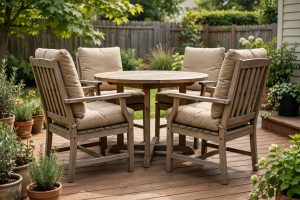
Best Patio Chair Cushions Thick Reviews: A Buyer Guide
August 12, 2026 0 views