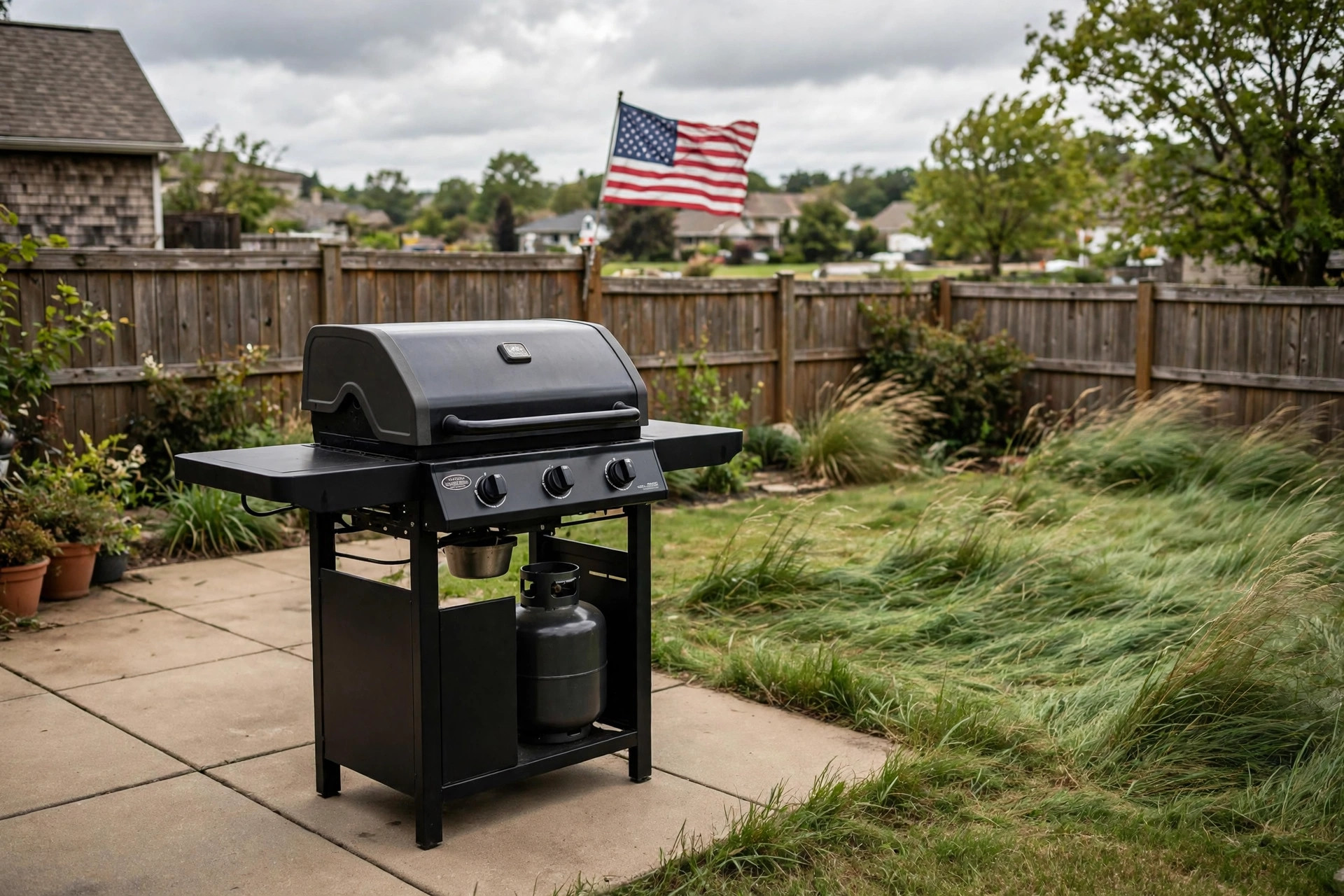

If you want the best gas grill for windy conditions, you have to think about more than brand names and burner counts. Wind is the quiet enemy of outdoor cooking. It steals heat from the firebox, blows out weak flames, and makes a simple steak take twice as long as it should. Anyone who grills near the coast, on the plains, or on a hilltop knows the feeling: the dial is on high, the lid is down, and still the food sits there, pale and uncooked, while the wind whistles through the vents.
The good news is that not all grills suffer the same way. Heavy lids, tight seals, deep fireboxes, and smart vent design all make a real difference. This guide shows what separates a wind-fighting grill from one that gives up at the first gust: what to look for when you shop, which types handle wind best, what you can expect to pay, how to keep your grill in good shape, and how to grill safely when the weather turns rough.
Why Wind Matters to a Gas Grill
A gas grill works by heating a closed box of air. The burners warm the metal, the metal warms the air, and the hot air cooks the food. Wind breaks this simple chain. It pulls hot air out of the firebox through the vents, forces cold air in, and pushes the flames sideways so they no longer touch the parts they are meant to heat. On a breezy day you may burn a full tank of fuel and still serve undercooked chicken.
The problem gets worse with cheap, lightweight grills. Thin lids warp over time, the gap between lid and bowl grows, and wind finds every gap. Flames pushed sideways also create hot spots where dripping fat can flare up, turning a calm-day grill into a windy-day fire hazard.
There is also the plain cost. A grill that cannot hold heat wastes propane, and over a summer of weekend cookouts that waste adds up to real money. A well built grill pays for itself in fuel savings, and it gives you confidence: when friends are over and the wind picks up, you keep cooking instead of apologizing.
What to Look for When You Shop: Best Gas Grill for Windy Conditions
Shopping for a windworthy grill means looking at the bones of the machine. Forget the side burner bells and whistles for a moment and study the build.
A Heavy Lid That Seals Well
Lift the lid in the store. A good lid feels heavy in your hand. Heavy cast aluminum or thick stainless steel holds heat and resists warping. Close it and look at the gap between lid and bowl. The smaller the gap, the less wind can get in. Some grills add a gasket or a tight rolled edge around the rim. That seal is worth more than an extra burner. You can read more about solid grill construction and materials from the buying guides at Consumer Reports.
Wind Guards and Vent Design
Vents feed the burners with air, but in a gale they let in too much. Look for small, shielded vents or a wind guard around the burner area. Some models place the vents low and toward the back, out of the wind’s path. A deep firebox helps too, since the flames sit farther below the rim where gusts cannot reach them. The design teams at Weber have spent decades refining firebox shapes that protect the flame.
Burner Power and Placement
More heat gives you a margin against wind loss. Look for total output in British thermal units, but what counts is heat per square inch of cooking space. A compact grill with three strong burners can outcook a wide grill with four weak ones. Burners that run front to back often give better heat zones, so you can move food to the hot side when the windward side cools. The outdoor cooking resources at The Spruce Eats explain burner layouts in clear detail.
Weight and Sturdy Legs
A grill that rocks in the wind is dangerous. Look for a wide wheel base, locking casters, and a cart that does not wobble. Cart style grills with enclosed cabinets have an advantage here: the cabinet blocks wind from hitting the underside of the firebox. Freestanding kettle style grills can work well too if the legs are braced and the wheels lock firm. Char-Broil sells a range of cart models, and their product pages show how cabinet designs add both storage and stability.
A Good Thermometer
When the wind plays tricks, you cannot trust time alone. A lid thermometer tells you what the firebox is doing, and a probe thermometer tells you what the meat is doing. Cooks who work by temperature instead of by the clock win on windy days. For deep lessons on temperature control, the pitmasters at AmazingRibs publish some of the most careful grilling science available.
Types of Gas Grills That Handle Wind Best
Heavy Cast Aluminum Grills
Cast aluminum is thick, holds heat, and does not rust. Grills made from it warm up fast and shrug off gusts that would chill a thin steel box. Many are compact enough for a patio but heavy enough to stay put. Their one weak spot can be lid fit over the years, so check the seal before you buy. Broil King is known for heavy cast cookboxes, and their grills are a common pick in windy regions.
Cabinet Style Cart Grills
These are the big grills with doors under the cookbox. The cabinet does double duty: it stores your tank and tools, and it forms a windbreak around the lower half of the grill. Look for double walled doors and a back panel with few openings. Retailers such as Home Depot stock many cabinet models side by side, which makes it easy to compare how solid each one feels.
Infrared and Sear Burner Models
Infrared burners cook with radiant heat more than hot air, so moving air matters less. A grill with an infrared sear zone gives you a hot spot that wind cannot easily steal. These grills cost more, but for steak lovers in windy country they are worth a look. Napoleon builds several models with infrared side and rear burners aimed at exactly this kind of cooking.
Compact High Output Grills
Small grills give the wind less surface to attack. A compact three burner grill with high output per square inch can hold temperature in weather that defeats a big four burner bargain model. Do not buy more grill than you need: less metal to heat means less heat for the wind to steal.
Cost and Price
Prices for windworthy gas grills run the full range. A small cast aluminum grill with a tight lid can start around two hundred dollars. Mid range cabinet grills with good seals and strong burners usually run from four hundred to eight hundred dollars. Premium models with infrared burners and heavy carts can pass one thousand dollars and climb from there.
Do not judge by price alone. A six hundred dollar grill with a thick lid and sealed firebox will beat a nine hundred dollar grill with a thin lid and wide vents. Spend your money on metal, not gadgets: lid weight, burner quality, and a solid cart.
Think about fuel cost too. A grill that holds heat lets you cook on medium instead of high. Over a season, the savings in propane are real. A grill that wastes fuel because it cannot fight the wind costs you money every time you light it. Read owner reviews from people in windy states, and check the long term tests at Consumer Reports, which measure how evenly grills hold temperature, the number that matters most in the wind.
Care and Upkeep
A grill that fights wind needs regular care to keep its edge. Wind works the hinges, loosens the hardware, and drives dust and grit into the burners. A little upkeep goes a long way.
Clean the burners at least twice a season. Spider webs and dust collect in the venturi tubes, and wind drives in more debris than calm air ever would. A clogged burner makes a weak, uneven flame, and weak flames blow out. Our guide on how to clean gas grill burners properly walks through the full process step by step. Check the lid seal too. If the lid has warped, the gap lets wind in. Some warps can be eased back by gentle pressure; a badly warped lid may need replacement.
Tighten the cart hardware every spring. Wind rocks the grill and works bolts loose over time. A wobbly grill is unsafe, and it lets the lid bounce, which breaks the seal. While you are at it, check the wheels. Locking casters wear out, and a grill that rolls in a gust is a hazard on a deck.
Cover the grill between cooks. A good cover keeps rain and dust out of the firebox, which keeps the burners clean and the vents clear. Our roundup of the best grill cover for weber kettle style grills explains what to look for in a cover that survives wind itself. Strap it down, or it becomes a sail.
At the end of the season, winterize the grill. Disconnect and store the tank upright in a safe spot, clean the grates, and give the whole grill a wipe down. The steps in how to winterize gas grill for storage will get your grill through the cold months so it is ready for the first spring cookout. A grill that sleeps clean wakes up strong.
Safety Rules for Windy Grilling
Wind and fire demand respect. Follow these rules every time you grill in gusty weather.
Place the grill with the back to the wind when you can. Most grills vent toward the back, so putting the back to the wind keeps gusts from blowing straight into the firebox. Never grill in a garage or under a low roof, no matter how hard the wind blows. Carbon monoxide is silent and deadly, and wind can push fumes into places they should never go.
Keep the grill at least ten feet from the house, the fence, and anything that burns. In strong gusts, embers and grease can travel. Tie down or remove light items near the grill, wear close fitting sleeves, and use long tools so your hands stay clear of flare ups.
Watch the flame. If the wind keeps blowing it out, stop and reposition the grill or wait for calmer air. Relighting a grill again and again lets unburned gas collect, and that is how flash fires happen. If you smell gas, turn everything off, step away, and check the connections before you try again. The safety experts at Traeger and other makers all print the same rule in their manuals: never leave a lit grill alone, and doubly so in the wind.
Frequently Asked Questions
Can I grill in very strong wind?
You can, but use judgment. A steady breeze is fine for a well built grill. Gusts over twenty five miles per hour make cooking hard and risky. Grease can blow, lids can slam, and the grill itself can rock. If you have to brace the lid with your hand, it is too windy. Wait for calmer air.
Should I keep the lid open or closed on a windy day?
Keep it closed as much as you can. An open lid lets the wind strip heat straight off the food. Open it only to turn or check the food, then close it fast. This is where a good lid seal pays off. For more on how lids and airflow shape your results, the technique articles at The Spruce Eats are a solid read.
What is the best spot for a grill in a windy yard?
Look for a natural windbreak: a fence, a hedge, or the side of the house. Set the grill a few feet from the break so air still flows but the worst gusts are blocked, and keep ten feet of clearance from anything that burns.
Do wind guards really help?
Yes, when they are made for your grill. A fitted wind guard blocks gusts from the burner area while still letting in the air the flames need. Do not improvise with foil or sheet metal against the vents; blocking the wrong vents can starve the burners or trap heat. Buy the guard made for your model, or choose a grill with wind protection built in.
Will wind damage my grill over time?
Wind alone rarely breaks a grill, but it speeds up wear. It drives grit into burners, works hardware loose, and can slam an unlatched lid hard enough to bend a hinge. Salt air near the coast is worse: wind carries salt spray onto the metal and speeds up rust. Rinse a coastal grill with fresh water now and then, keep it covered, and tighten the hardware each season. Makers like Big Green Egg build for harsh weather, and their care guides stress the same habits: cover, clean, and inspect.
Is a pellet grill better than gas in the wind?
Pellet grills have fans and tight lids, so they hold temperature well in wind. But they need power, cost more to run, and take longer to heat up. For most people, a well built gas grill is the simpler answer: it lights fast, costs less per cook, and needs no outlet on the patio.
Final Word
The best gas grill for windy conditions is not the one with the most burners or the flashiest cart. It is the one built like a small oven: heavy lid, tight seal, deep firebox, strong burners, and a cart that stands firm. Buy metal over gadgets, keep the burners clean, mind the wind when you place the grill, and respect the safety rules. Do that, and the wind becomes weather you cook in, not weather that cooks you.
References
AmazingRibs.com. (n.d.). Barbecue and grilling science. https://www.amazingribs.com Big Green Egg. (n.d.). Kamado grills and outdoor cooking. https://www.biggreenegg.com Broil King. (n.d.). Gas and charcoal grills. https://www.broilkingbbq.com Char-Broil. (n.d.). Gas and charcoal grills. https://www.charbroil.com Consumer Reports. (n.d.). Product reviews and ratings. https://www.consumerreports.org Napoleon. (n.d.). Fireplaces, grills, and heating products. https://www.napoleon.com The Home Depot. (n.d.). Home improvement products. https://www.homedepot.com The Spruce Eats. (n.d.). Recipes and cooking guides. https://www.thespruceeats.com Traeger. (n.d.). Wood pellet grills. https://www.traeger.com Weber. (n.d.). Grills and outdoor cooking. https://www.weber.com
Was this guide helpful?

About Lisa Anderson
The My Garden US editorial team writes practical, in-depth home and garden guides for American homeowners — tested advice, no fluff.
You May Also Like
Outdoor Pizza Oven Wood Fired Reviews: What to Know Before You Buy
May 6, 2026 0 views
Charcoal Grill Deals Near Me USA: Where to Find the Best Bargains
August 18, 2026 0 views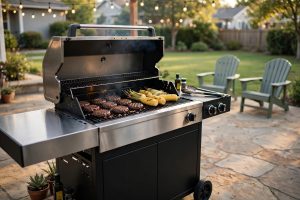
Finding the Best BBQ for Large Gatherings: Honest Reviews and Buying Advice
March 10, 2026 0 views