Each fall, American front yards turn into graveyards, haunted farms, and monster parks. Among the most loved props of recent years is the skeleton dog. Finding the best Halloween skeleton dog for yard display takes a bit of study, because these plastic pups come in many sizes, poses, and price points. A good skeleton dog can anchor a whole yard scene. A poor one fades, tips over in the wind, or looks cheap next to the neighbors’ display. This guide walks you through everything: why the decoration matters, what to look for, the types on the market, what you should expect to pay, how to care for it, and how to keep it safe for kids and pets. By the end, you will know exactly which skeleton dog fits your yard.
Why a Skeleton Dog Matters in Your Yard Display
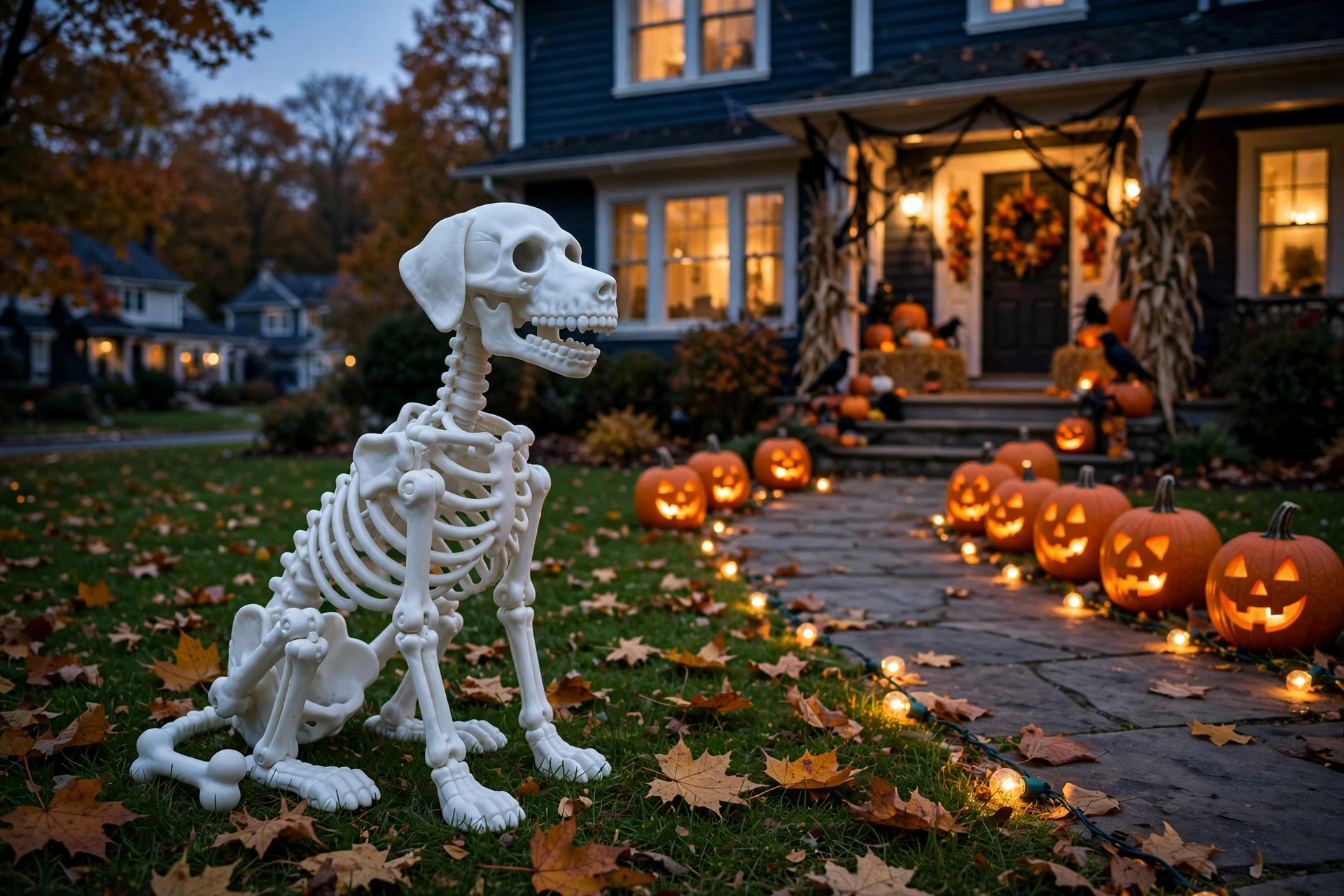
Halloween decor works best when it tells a story. A tall skeleton figure on the porch says “haunted house.” A skeleton dog says “haunted home.” It is smaller, friendlier, and full of character. Children love it. Adults photograph it. It softens the scary tone of a yard while still keeping the Halloween spirit.
A skeleton dog also fills a gap that few other props fill. Most yard decorations are human-sized or huge. Small and medium props get lost on a big lawn. The dog sits low to the ground, near the walkway, where trick-or-treaters actually look. Placed beside a pumpkin or at the foot of a gravestone, it draws the eye down and makes the whole display feel complete.
Retailers noticed the trend years ago. Seasonal aisles at Michaels and The Home Depot now stock skeleton animals every autumn, and Wayfair lists dozens of styles online. The dog is the best seller of the bunch, ahead of skeleton cats and skeleton birds. If you want your yard to feel current and fun, a skeleton dog is one of the easiest wins.
What to Look For When You Choose: Best Halloween Skeleton Dog for Yard Display
Size and Scale
Skeleton dogs range from about 18 inches long to nearly four feet. The most common size is around 30 to 36 inches long and 20 to 24 inches tall at the head. That size reads well from the sidewalk without swallowing the lawn.
Think about your yard. A small front garden needs a smaller dog, or it will crowd the flower beds. A large corner lot can handle a big dog or even two. If you already own large props like inflatables or a 12-foot skeleton, pick a dog that fits the scene rather than one that fights for attention. Writers at The Spruce often remind decorators to plan one focal piece per zone, and the dog works best as a supporting actor.
Pose and Shape
Manufacturers mold the dogs in a few poses. The sitting pose is the classic: upright, head forward, tail down. It photographs well and stands stable. The standing pose looks like a guard dog and suits a porch or gate. A few brands offer a digging pose, head down and tail up, which is fun near a flower bed. Some skeleton dogs come with a movable jaw or head, which adds life under porch light.
Check the bone detail before you buy. Good models show separate ribs, a clear spine, and leg joints. Cheap models look like one solid blob with painted lines. The detail is what people notice from ten feet away.
Material and Build Quality
Almost every skeleton dog is made of hard plastic, usually polypropylene or a resin blend. Look for thick walls that do not flex when you squeeze a leg. Thin plastic cracks in cold weather and fades fast in the sun. A matte bone-white finish looks far more real than glossy white. Some premium dogs have a weathered finish with gray shading in the joints.
Stakes matter more than people expect. The dog should come with ground stakes or have holes for them. Without stakes, the first October storm will knock it over. If no stakes are included, plan to buy a set when you shop at Lowe’s or Target.
Types and Options on the Market
Classic Bone-White Dogs
The standard skeleton dog is plain bone white. It matches skeleton humans, cats, and horses, so it fits a full graveyard theme. Most brands sell this version for 20 to 40 dollars. It is the safest pick if you already own other skeleton props.
Dogs With Light-Up Eyes
Battery-powered LED eyes are a popular upgrade. Red eyes look evil. Green or amber eyes look ghostly. The feature usually costs 10 to 15 dollars more than the plain version. Check how the battery box opens. A screw-shut box keeps rain out. A snap box may let water in during a storm. Ideas for lighting whole scenes are covered by seasonal guides at HGTV and Country Living.
Animated and Sound Dogs
A step up from light-up eyes, animated dogs move the head, jaw, or tail when a sensor detects motion. Some howl or bark with a recorded sound. These cost 50 to 100 dollars and need batteries or a plug. They thrill older kids but can scare small children, so think about your trick-or-treat crowd. Pair them with animatronics only if your yard theme can handle the noise level.
Oversized Statement Dogs
A few makers sell giant skeleton dogs, up to four feet long. These work as centerpieces for big yards or commercial displays. They cost 80 to 150 dollars and are heavy enough to need two stakes each. Measure your storage space before you buy one. A four-foot dog needs a big box or a garage corner for eleven months of the year.
Cost and Price: What to Expect
Prices for the best Halloween skeleton dog for yard display fall into three clear bands.
Budget: 15 to 30 dollars. Plain plastic dogs with basic detail. Fine for one season or a small display. Sold at big-box stores and discount chains.
Mid-range: 30 to 60 dollars. Better plastic, sharper detail, stable bases, and often light-up eyes. This is the sweet spot for most buyers. The dog will last three to five seasons with basic care.
Premium: 60 to 150 dollars. Large sizes, animation, sound, or hand-painted weathering. Buy these if the dog is a centerpiece or if you decorate every year without fail.
Watch for sales. Halloween stock goes on deep discount the week after October 31. Buying a premium dog in November for next year can save half the price. Just store it well over the winter.
Care and Upkeep Through the Season
A skeleton dog asks for little, but a few habits will stretch its life by years.
Clean it before first use. Factory dust dulls the finish. Wipe the dog with a damp cloth and mild soap, then dry it fully.
Stake it down every year. Push stakes deep and straight. In soft soil, drive them at a slight angle away from the dog for extra grip. After a heavy rain, check that the ground has not loosened around them.
Bring it in during bad weather. High winds and hail are the main killers of plastic decor. If a severe storm is forecast, move the dog to the garage or porch. Two minutes of effort can save a 60-dollar prop.
Store it out of the sun. Ultraviolet light yellows and weakens plastic. Keep the dog in a garage, shed, or basement in its original box if you still have it. Wrap it in an old sheet to stop dust from settling into the joints.
Check batteries in spring. Remove batteries before long storage. Leaked batteries ruin battery boxes and can stain the plastic. A fresh set each October costs little and keeps lights and sound working.
Touch up paint when needed. A small bottle of matte off-white craft paint fixes chips and scratches in minutes. Dab, do not brush, so the finish stays even. A quick touch-up each fall keeps the dog looking new instead of tired.
Safety for Kids, Pets, and Neighbors
Halloween props share the yard with real trick-or-treaters and real animals, so safety deserves real thought.
No sharp points. Run your hand over the dog before you set it out. File down any sharp molding edges on the teeth or ribs with fine sandpaper. Small children will touch everything.
Keep cords and batteries secure. If the dog has lights or sound, tape the battery box shut and hide any cords under the dog or along the ground. Loose cords trip people in the dark.
Watch real dogs. Live dogs may chew or mark the prop. If your own dog roams the yard, set the skeleton dog behind a small fence or near the house where your pet cannot reach it. Chewed plastic can have sharp edges.
Follow local rules. Some towns limit how early Halloween decor can go up or how tall yard props can be. The U.S. Consumer Product Safety Commission also publishes general guidance on decoration safety, including cord and lighting rules. A quick check of your city website avoids a fine or a forced takedown.
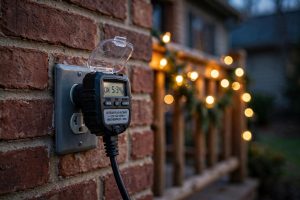
Be kind to neighbors. A howling animated dog at full volume at midnight will not win friends. Set sound props to a modest level and consider a timer that shuts them off by 10 p.m.
Frequently Asked Questions
How big is a typical skeleton dog decoration?
Most measure 30 to 36 inches long and about 20 to 24 inches tall in the sitting pose. Oversized versions reach four feet long. Always check the product dimensions, because photos can mislead.
Will a plastic skeleton dog survive rain?
Yes, if it is staked and the battery boxes are sealed. Hard plastic does not rust. The main risks are wind damage and water seeping into light-up features. Bring the dog inside during severe storms.
Where should I place the dog in my yard?
Near the walkway works best. Trick-or-treaters walk the path, so props near it get the most attention. Try the dog beside the steps, next to a pumpkin, or at the base of a tree. Avoid the middle of the lawn, where it looks lost.
Can I leave the skeleton dog out all year?
You can, but the sun will yellow the plastic within a few months. Most buyers set it out in late September and store it in early November. That rhythm keeps it looking new for years.
Are skeleton dogs scary for small children?
The plain bone-white dog is rarely scary. It reads as a funny dog skeleton. Light-up red eyes or howling sound can frighten toddlers. If young children visit, choose the plain version or turn the sound off.
How do I stop the dog from blowing over?
Use the included stakes, and add sandbags inside hollow models for extra weight. In very windy areas, tie a thin dark wire from the dog’s back to a ground anchor behind it. The wire disappears at night.
A Short Final Word
The best Halloween skeleton dog for yard display is not the biggest or the loudest. It is the one that fits your yard, matches your theme, and survives the season. Pick a sturdy mid-range dog with good detail, stake it well, and give it a good spot by the walkway. Take a photo of your setup before the first storm. If wind knocks the dog over, the photo will help you put every piece back in place. And if you love the look, consider adding a second dog next year. A pair of skeleton dogs guarding the walk makes a yard feel complete. Do all of this, and your skeleton dog will greet trick-or-treaters happily for many Halloweens to come.
References
Country Living. (n.d.). Country home and lifestyle. https://www.countryliving.com HGTV. (n.d.). Home and garden ideas. https://www.hgtv.com Lowe’s. (n.d.). Home improvement products. https://www.lowes.com Michaels. (n.d.). Arts and crafts supplies. https://www.michaels.com Target. (n.d.). Retail store. https://www.target.com The Home Depot. (n.d.). Home improvement products. https://www.homedepot.com The Spruce. (n.d.). Home and garden advice. https://www.thespruce.com U.S. Consumer Product Safety Commission. (n.d.). Product safety information. https://www.cpsc.gov Wayfair. (n.d.). Furniture and home goods. https://www.wayfair.com
Was this guide helpful?

About Jennifer Lee
The My Garden US editorial team writes practical, in-depth home and garden guides for American homeowners — tested advice, no fluff.