Introduction
A monstera plants sale american homes guide may sound like a mouthful, but the idea behind it is simple. The monstera, also called the Swiss cheese plant, has become one of the most wanted houseplants in the United States. Its big green leaves with natural holes and splits catch the eye of almost every visitor. When these plants go on sale, buyers across the country rush to bring one home.
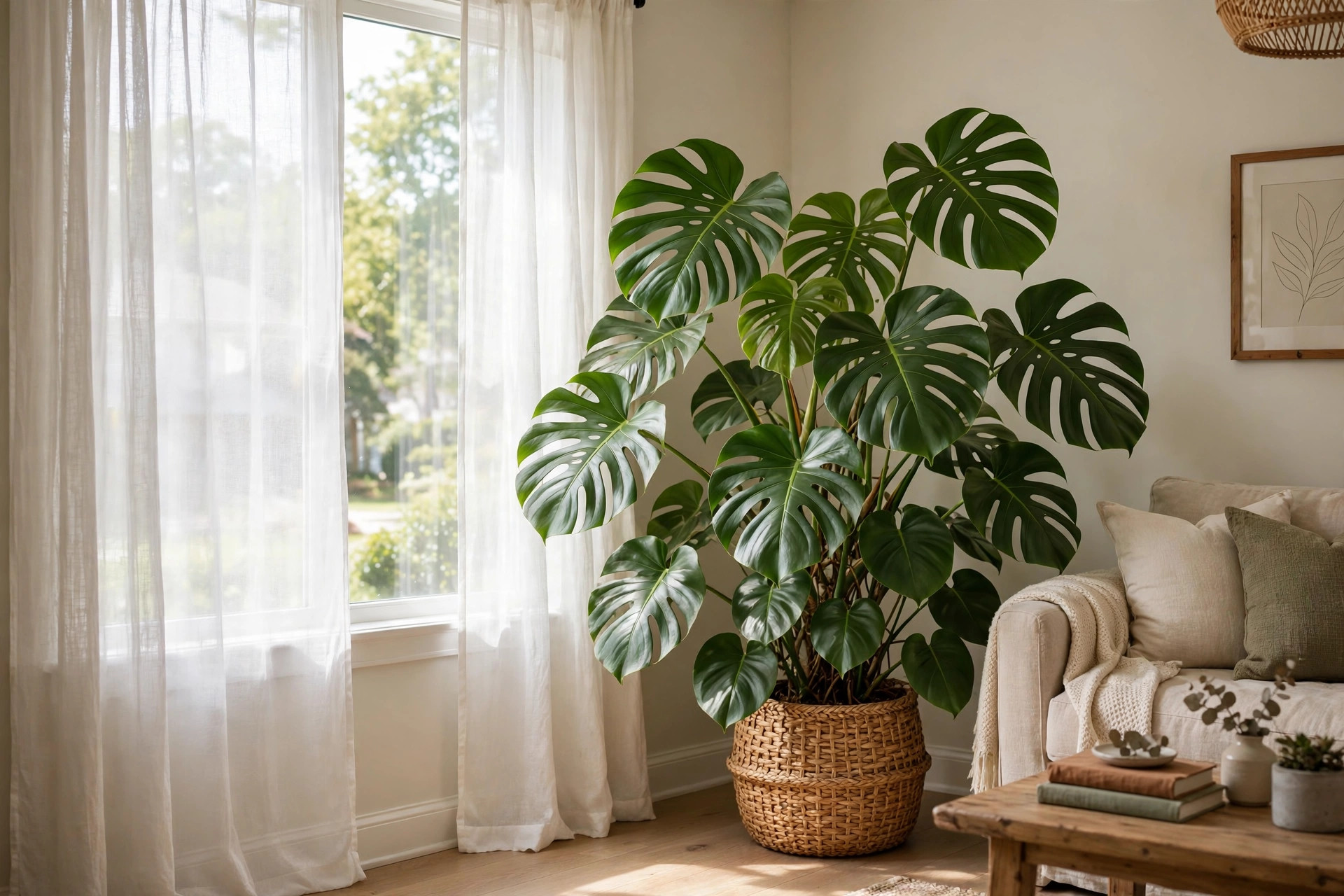
The monstera comes from the warm rainforests of Central America. In the wild it climbs up trees and can grow leaves three feet wide. Inside an American home it stays much smaller, but it still brings a bold, tropical feel to a room. Prices have come down a great deal in recent years. What once sold for hundreds of dollars at rare-plant shops now appears on sale at big-box stores and garden centers for a fraction of that.
This guide will help you make a smart buy. It explains why the plant matters, what to look for at a sale, the main types you will meet, what you should expect to pay, how to care for the plant once it is home, and how to keep children and pets safe around it. Whether you live in a small flat in Chicago or a ranch house in Texas, the advice here will help your monstera thrive.
Why Monstera Plants Matter in American Homes: Monstera Plants Sale American Homes Guide
The monstera earns its place in American homes for several good reasons. First, it looks striking. Few houseplants make such a strong statement with so little fuss. A single plant in a bright corner can fill an empty space and give a room life.
Second, it is tough. The monstera forgives many beginner mistakes. It does not drop leaves at the first missed watering, and it grows back well even after a rough spell. This makes it a fine first big plant for new plant owners.
Third, it cleans the look of a home without much cost. A large plant can do the work of several small ones. One well-grown monstera often replaces three or four smaller pots, which means less watering and less upkeep overall.
Fourth, sales have made it a bargain. Garden centers often mark down overstocked plants in spring and fall. Online shops run holiday sales. With the monstera plants sale american homes guide in hand, you can tell a true deal from a plant that is cheap because it is sick.
Finally, the plant fits the way Americans live now. More people work from home, and a living green plant in the home office lifts the mood of a room. The monstera asks for little and gives back a great deal of beauty.
What to Look for When You Buy at a Sale
A sale price means nothing if the plant is weak. When you shop, look past the tag and check the plant itself. The following points will help you choose well.
Leaves
Healthy leaves are the best sign of a healthy plant. Look for deep green, glossy leaves that feel firm. The large lower leaves should have the famous splits and holes. Small plants may not show splits yet, and that is normal. Brown edges, yellow patches, or droopy leaves are warning signs.
Stems and Roots
Check the stems. They should be firm and green, not soft or black at the base. If you can see the soil, it should smell earthy, not sour. Roots poking out of the drainage holes are fine, but a root-bound plant may need a new pot soon.
Size for Your Space
Measure your space before you shop. A young monstera in a six-inch pot may be only a foot tall. A sale plant in a ten-inch pot can be three feet wide. Make sure it fits the corner or shelf you have in mind.
The Sale Price
Compare prices before you buy. A common monstera deliciosa in a six-inch pot often sells for fifteen to thirty dollars on sale. Variegated types with white or cream patches cost far more. If a deal looks too good, inspect the plant closely for pests.
Pests
Look under the leaves for tiny webs, white cottony spots, or small brown bumps. These are signs of spider mites, mealybugs, or scale. A sale plant with pests is no bargain, since you will spend weeks treating it.
Where to Buy
Reputable sellers stand behind their plants. Many buyers trust established seed and plant houses such as Burpee and Park Seed for honest product notes. Large retail garden departments linked through sites like The Spruce often publish clear care advice with their listings. When you buy from a place that explains its shipping and return policy, you shop with more confidence.
Types and Options You Will Meet
Not all monsteras are alike. The nursery trade offers several types, and the price gap between them is wide. Know what each one is before you pay.
Monstera Deliciosa
This is the classic kind. Its leaves can grow two feet wide indoors and develop deep splits with age. It is the most common type at sales, and it is the best value for most buyers. A healthy deliciosa grows fast and forgives mistakes.
Monstera Adansonii
Sometimes called the Swiss cheese vine, this type has smaller, oval leaves full of holes. It trails or climbs, so it works well in a hanging basket or on a moss pole. It is usually cheaper than deliciosa and suits smaller rooms.
Monstera Borsigiana
Very close to deliciosa, but it grows a bit smaller and faster. Many young plants sold as deliciosa are actually borsigiana. For the average home, the difference hardly matters. Both care for the same way.
Variegated Monstera
These have white or cream patches on the leaves. They are striking and rare, and prices can run into the hundreds of dollars. They grow slower and need more light than the green types. They seldom appear at ordinary sales, so be wary of listings that seem too cheap.
Tissue-Cultured Plants
Some sellers grow monsteras in labs from small tissue samples. These plants are young and cheap but need more care at first. They are fine for patient growers who like a project.
When you compare types, growing guides from Monrovia and Proven Winners give clear photos and notes on each kind. Plant reference sites like Gardening Know How and White Flower Farm also describe how each type behaves indoors. Reading two or three such pages before you buy will sharpen your eye at the sale table.
Cost and Price Guide
Prices for monstera plants have fallen over the past decade. Knowing the normal range keeps you from overpaying.
Common Price Ranges
– Young plant in a four-inch pot: 10 to 20 dollars, often less on sale. – Medium plant in a six-inch pot: 15 to 35 dollars. – Large plant in a ten-inch pot: 40 to 80 dollars. – Extra-large floor plant: 80 to 150 dollars. – Variegated plant: 150 dollars and up, sometimes much more.
Sale prices usually cut these numbers by twenty to forty percent. A spring clearance may bring a six-inch plant down to twelve dollars. Holiday sales around major shopping weekends often include houseplants too.
Hidden Costs
The price tag is only the start. You may also need a pot, which costs ten to thirty dollars for a large size. A bag of good potting mix runs eight to fifteen dollars. A moss pole for support costs ten to twenty dollars. Add these to the plant price when you plan your budget.
When Sales Happen
Garden centers clear stock in late spring and again in fall. Online sellers run sales around holidays. Local plant swaps and club sales can be the cheapest way of all, since hobby growers often sell cuttings for a few dollars. The Old Farmer’s Almanac publishes seasonal planting calendars that help you time your purchase with the plant’s natural growing season, which is spring and summer.
Getting the Best Deal
Buy in the growing season if you can. Plants sold in spring settle into homes faster than plants sold in winter. Ask the seller when the plant arrived. A plant that sat in a dark warehouse for weeks is a weaker buy than one that just came in from the grower, even if the price is the same.
Care and Upkeep in the American Home
Once the sale is over and the plant is home, good care keeps it handsome for years. The monstera is not fussy, but it does have clear likes and dislikes.
Light
Give it bright, indirect light. Near an east or north window is ideal in most American homes. A few feet back from a sunny south or west window also works, with a sheer curtain to soften the sun. Too much direct sun burns the leaves. Too little light slows growth and stops the leaves from splitting.
Water
Water when the top two inches of soil feel dry. In most homes this means watering every one to two weeks. Pour water evenly until it drains from the bottom, then empty the saucer. Overwatering is the most common killer. The plant would rather be a little dry than sit in water.
Soil and Potting
Use a loose, well-draining mix. A blend made for aroids, or regular potting soil mixed with bark and perlite, works well. Repot every one to two years in spring, moving up one pot size. Plants that become root-bound grow slowly and need water more often.
Humidity and Temperature
The monstera likes the same temperatures most Americans keep in their homes: sixty-five to eighty-five degrees Fahrenheit. Keep it away from cold drafts and heating vents. It enjoys extra humidity but does fine in normal indoor air. A pebble tray or a small humidifier helps in very dry climates.
Feeding
Feed once a month in spring and summer with a balanced liquid houseplant fertilizer at half strength. Do not feed in fall and winter, when growth slows. Too much fertilizer burns the roots and browns the leaf edges.
Support
As it grows, the monstera wants to climb. Give it a moss pole or a sturdy stake and tie the stems loosely with soft ties. A supported plant grows larger leaves and looks far better than one that sprawls.
Cleaning
Wipe the leaves with a damp cloth every month or two. Dust blocks light and dulls the shine. Clean leaves also make it easier to spot pests early.
General plant-care guidance from Gurneys and university research shared through NIFA can help you fine-tune watering and feeding for your home’s climate. These sources base their advice on real trials, which makes them worth reading.
Safety for Children and Pets
Every monstera plants sale american homes guide should include a safety note. All parts of the monstera contain calcium oxalate crystals. These are tiny, sharp crystals that irritate the mouth, lips, and throat if chewed.
For people, the effect is usually mild: burning, swelling, and pain in the mouth. It is unpleasant but rarely dangerous. Still, teach children not to chew houseplant leaves, and place the plant out of reach of toddlers.
For pets, the risk is greater. Cats and dogs that chew the leaves may drool, paw at the mouth, vomit, or refuse food. If your pet chews a monstera, call your veterinarian. Keep the plant on a high shelf or in a room pets cannot enter. Hanging planters work well for homes with curious cats.
The plant is safe to touch. You can handle, prune, and repot it with bare hands. Wash your hands afterward if you have sensitive skin, since the sap can irritate some people.
Frequently Asked Questions
How fast will my monstera grow?
In good light with regular watering, a young monstera can add one to two feet of growth per year. Growth slows in winter. A supported plant with a moss pole grows faster and makes larger leaves than one left to sprawl.
Why are the leaves not splitting?
Young leaves start whole, and splits appear as the plant matures. A plant needs enough light and age before it makes split leaves. If your plant is two or three years old and still makes whole leaves, move it to brighter indirect light.
Can I put my monstera outside in summer?
Yes, in most of the United States you can move it outdoors once nights stay above sixty degrees. Place it in full shade at first, then in bright indirect light. Bring it back inside well before the first cold snap.
How do I propagate a monstera?
Cut a stem section that includes at least one node, the bumpy joint where a leaf meets the stem. Place the cutting in water or moist soil. Roots usually appear within a few weeks. This is a cheap way to share plants with friends, and it pairs well with other indoor growing projects like morning glory seeds reviews buying guide usa for outdoor color or organic herb seeds california homes usa for a kitchen garden.
What should I do if the leaves turn yellow?
Yellow leaves most often mean overwatering. Let the soil dry out, check that the pot drains well, and cut back on watering. Old lower leaves also yellow and drop naturally as the plant ages, which is normal.
Is a sale plant as good as a full-price plant?
Often yes. Sales usually clear healthy overstock, not sick plants. The key is to inspect the plant as this guide describes. A healthy sale plant at half price is one of the best deals in the houseplant world. Seasoned bulb buyers know the same rule applies when hunting tulip bulbs fall usa online deals each autumn: check the stock, not just the sticker.
A Short Final Word
The monstera earns its fame. It is bold, forgiving, and now affordable thanks to regular sales across the country. Buy a healthy plant, give it bright indirect light and careful watering, and it will reward you with years of dramatic green growth. Keep it away from pets and small children, support it as it climbs, and enjoy one of the easiest statement plants an American home can hold.
References
Burpee. (n.d.). Seeds, plants, and gardening supplies. https://www.burpee.com Gardening Know How. (n.d.). Gardening guides and plant care. https://www.gardeningknowhow.com Gurney’s Seed & Nursery Co. (n.d.). Seeds, plants, and garden supplies. https://www.gurneys.com Monrovia. (n.d.). Plants for home gardens. https://www.monrovia.com National Institute of Food and Agriculture. (n.d.). Agricultural research and extension. https://www.nifa.usda.gov Park Seed. (n.d.). Seeds, plants, and gardening supplies. https://www.parkseed.com Proven Winners. (n.d.). Plants and gardening inspiration. https://www.provenwinners.com The Old Farmer’s Almanac. (n.d.). Gardening calendars and advice. https://www.almanac.com The Spruce. (n.d.). Home and garden advice. https://www.thespruce.com White Flower Farm. (n.d.). Plants, bulbs, and garden supplies. https://www.whiteflowerfarm.com
Was this guide helpful?

About Sarah Mitchell
The My Garden US editorial team writes practical, in-depth home and garden guides for American homeowners — tested advice, no fluff.