
Why It Matters
The best flat top grill for outdoor kitchen use can change the way a family eats all summer. A flat top grill, sometimes called a griddle, cooks food on a wide sheet of steel. The heat spreads evenly across the whole surface. There are no gaps between bars like a common grill. This makes it easy to cook foods that would fall through a normal grate. Pancakes, fried eggs, shrimp, and sliced peppers all stay on the surface.
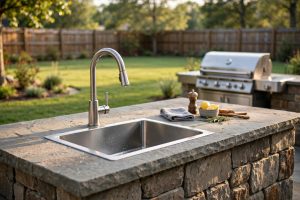
An outdoor kitchen is more than a grill on a patio. It is a cooking space built outside the home. It may hold counters, a sink, and storage. Adding a flat top grill to that space lets one person cook a full meal outdoors. Breakfast, lunch, and dinner can all be made in the open air. The kitchen inside stays cool on hot days.
Many families now spend more time at home. The backyard has become a place to eat and gather. A good flat top grill handles large groups. It can cook a dozen burgers at once. It can warm buns on the side while the meat cooks in the center. No one waits long for food.
Choosing the best flat top grill for outdoor kitchen cooking is worth some thought. Prices range from small table models to large built-in units. The right choice depends on space, budget, and cooking style. This guide explains each factor in plain language.
How to Choose the Right Flat Top Grill: Best Flat Top Grill for Outdoor Kitchen
Size and Cooking Area
Size comes first. Measure the space where the grill will sit. Leave room on each side for safe handling. A small griddle may offer 300 square inches of cooking area. That is fine for a family of four. A large unit may offer 700 square inches or more. That suits big parties and regular gatherings.
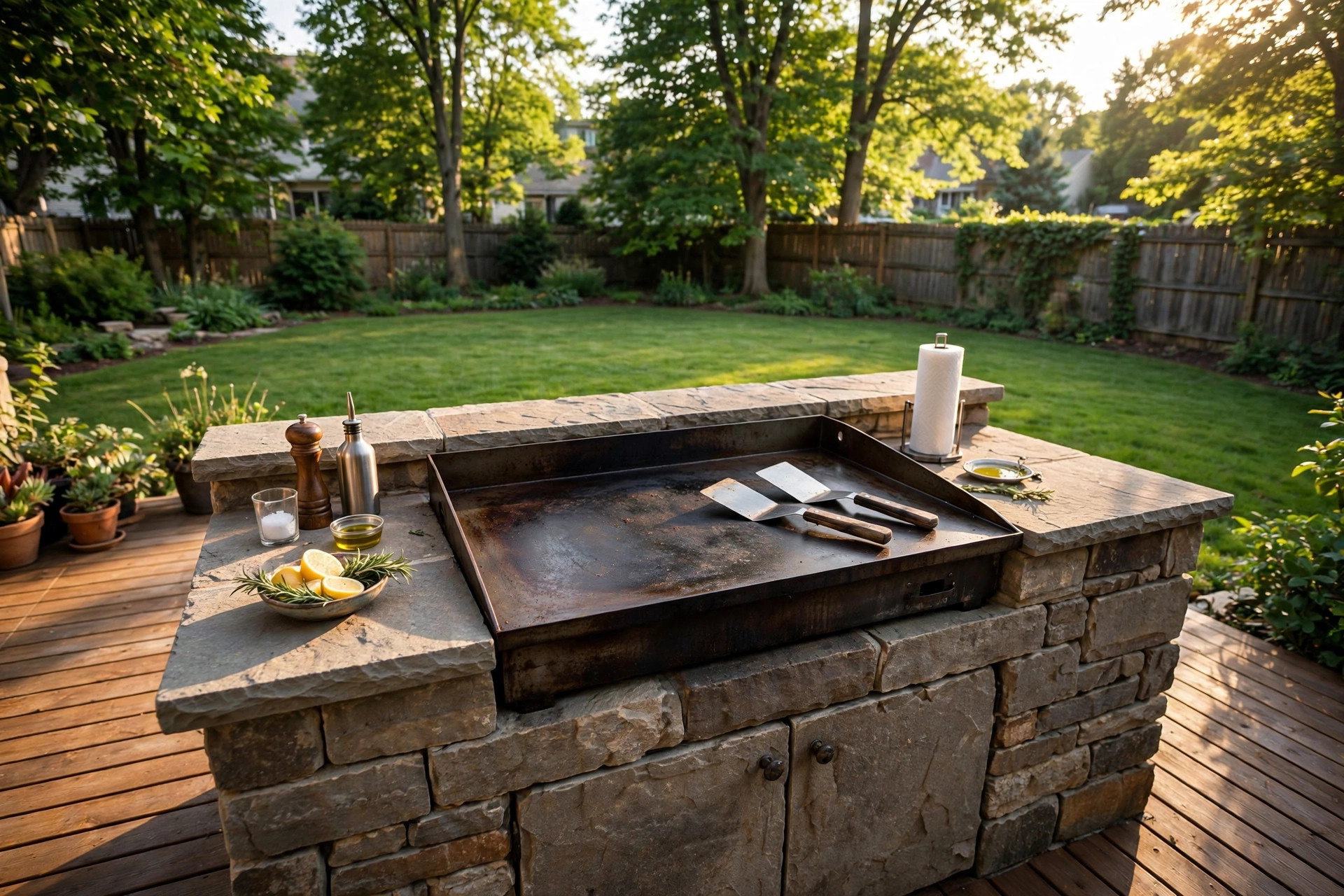
Think about how the grill will sit. Some grills are freestanding with their own legs and wheels. Others are built into an outdoor kitchen counter. Built-in units look neat and save floor space. They cost more and need a fixed gas line or a cabinet for the tank. Freestanding units move with ease. A cook can wheel the grill into the garage for winter.
Depth matters too. A deeper cooking surface holds more food. Shallow models let oil run off the edge. Many cooks like a front grease trough. It catches drips and keeps the patio clean.
Fuel Type
Most flat top grills run on propane. Propane heats fast and gives strong control. A standard tank fits under many models. Natural gas is another choice. It needs a gas line from the house. The cost to run the line can be high at first. Over time, natural gas costs less per meal. Some models also run on electric power. Electric griddles heat well but suit covered patios only.
Match the fuel to the home. If the house already has a natural gas line to the patio, a built-in gas unit makes sense. If not, propane offers freedom. Check local rules before running a gas line. A licensed plumber should do the work.
Build Quality
Steel thickness decides how well the grill holds heat. Thin steel cools fast when cold food hits it. Thick steel stays hot and even. Look for a cooking surface of cold-rolled steel. It resists rust and seasons well with use.
The frame should feel solid. Stainless steel frames last longest outdoors. Painted steel frames cost less but may chip over time. Check the burners. Evenly spaced burners give steady heat from edge to edge. Read the burner count and the total heat output. A large surface needs enough heat to work well.
Wheels and handles matter more than most people think. A heavy grill needs strong wheels. A good lid keeps heat in and protects the steel from rain. Some models add side shelves and hooks for tools. These extras help during long cooks.
Types of Flat Top Grills
Cart griddles are the most common type. They stand on their own four legs. Many include folding shelves and a paper towel holder. They suit cooks who want to start fast. Assembly takes about an hour with simple tools.
Tabletop griddles are small and light. They sit on a table or counter. They suit campers and small patios. The cooking area is limited. A tabletop model works well as a second grill but not as the main cooker.
Built-in griddles drop into an outdoor kitchen counter. They match the look of the rest of the kitchen. They need a steady supply of gas. They cost the most but last for many years. Many high-end outdoor kitchens use this type. The clean fit makes food prep easy, since the cook can slide plates straight from the counter onto the hot steel.
Kamado-style and charcoal grills can take a griddle insert. Some cooks lay a flat steel plate over their charcoal fire. This gives a smoky flavor to flat top cooking. The heat is harder to control. Beginners do better with a dedicated gas model first.
Cost and Price
A small tabletop flat top grill may cost less than one hundred dollars. It suits light use. A mid-size cart model often costs between two hundred and five hundred dollars. Most families find what they need in this range. Large cart models and built-in units can cost one thousand dollars or more. Stone counters and gas lines add to the total.
Think about cost over time. A cheap grill with thin steel may need replacement in a few years. A well-built grill can last a decade or more. Extra gas tanks, covers, and cleaning tools add small costs. A cover is worth the money. It shields the steel from rain and sun.
Watch for sales in spring and fall. Stores often lower prices when the grilling season ends. Buying then saves real money. Some buyers choose last year’s model for the same reason. Reviews from test groups help set a fair price. Groups like Consumer Reports test many grills each year and publish clear results.
Care and Upkeep
A flat top grill needs care after each use. Scrape the surface while it is still warm. Use a metal spatula or a grill scraper. Push grease and food bits into the grease trough. Wipe the surface with a paper towel. Then add a thin coat of cooking oil. The oil protects the steel from rust.
Seasoning builds up over time. Each cook adds a layer to the surface. The surface turns darker and more nonstick. Never use soap on a seasoned steel griddle. Soap strips the oil away. If food sticks hard, pour water on the hot surface and scrape. The steam lifts the bits.
Deep clean once or twice a season. Heat the grill, scrape it well, and wipe it clean. Check the burners for clogs. Spiders and dirt can block the gas ports. A small brush clears them. Check the gas hose for cracks each spring. Replace a worn hose before lighting the grill.
Cover the grill when not in use. A good cover keeps out rain and dust. In cold areas, some owners store the grill in a garage for winter. Oil the surface before storing. This stops rust during the cold months.
Safety
Gas safety comes first with any outdoor cooker. Place the grill away from the house. Keep it at least ten feet from walls, railings, and overhanging trees. Never use a gas grill inside a garage or shed. The fumes can be deadly.
Check for gas leaks before the first use of the season. Mix soap and water in a spray bottle. Spray the hose and fittings. Open the gas valve. Bubbles mean a leak. Close the valve and fix the fitting before lighting.
Keep children and pets away from the hot surface. A flat top grill stays hot long after the food comes off. Tell guests not to lean on it. Keep a fire extinguisher nearby. Baking soda also puts out small grease fires. Never pour water on a grease fire. The water can spread the flames.
Let the grill cool fully before covering it. A hot cover can melt or catch fire. Store extra propane tanks outside and upright. Keep them away from heat. Safety rules from public agencies give more detail on outdoor cooking.
Frequently Asked Questions
What is a flat top grill?
A flat top grill is a cooker with a solid steel surface instead of bars. Food cooks directly on the hot steel. The even heat suits many foods. Cooks call it a griddle. It works much like the flat cooktop in a diner kitchen.
Is a flat top grill better than a regular grill for an outdoor kitchen?
Each type has its use. A flat top grill cooks breakfast foods, fish, and vegetables with ease. A regular grill gives seared marks and smoky flavor. Many outdoor kitchens hold both. If space allows only one, think about the foods the family eats most.
How do I season a new flat top grill?
Clean the surface first. Heat the grill to a medium heat. Spread a thin layer of high-smoke-point oil over the steel. Let it heat until the oil darkens. Repeat the oil coat three or four times. The surface will turn brown or black. That dark layer is the seasoning. It keeps food from sticking.
Can a flat top grill stay outside all year?
Yes, with care. Use a tight cover. Oil the surface after each cook. In areas with heavy snow, many owners move the grill under a roof. Rust is the main enemy. Regular oiling and a dry cover keep the steel in good shape for years.
What should I cook first on a new flat top grill?
Start with foods that use oil. Bacon, onions, and fried potatoes work well. They help build the seasoning. Avoid sugary sauces on the first few cooks. Sugar can stick to new steel. After several cooks, the surface becomes more forgiving.
How much cooking space do I need?
A family of four does well with 400 to 500 square inches. Big groups need 600 or more. More space means more food at once. It also means more steel to clean. Balance the two when choosing. A cook who often hosts large parties may want the biggest model that fits the patio budget.
Can I use a flat top grill in the rain?
Light rain is fine if the patio has some cover. Heavy rain cools the steel and makes cooking slow. Water on hot steel can also cause warping over time. Most cooks prefer a covered patio or a grill with a lid. After any rain cook, dry the surface well and add fresh oil.
A Final Word
The best flat top grill for outdoor kitchen cooking is the one that fits the space, the budget, and the meals a family loves. Measure first. Choose thick steel and even burners. Learn simple care habits. Cook often. A flat top grill rewards regular use with better flavor and an easier surface. In time it becomes the heart of the backyard kitchen.
Readers who want to compare cooking styles can also study related topics such as best smoker for cold smoking cheese, how to clean smoker glass door, and best bbq rub for ribs homemade. Maker pages give useful product detail, like the grill guides at Weber, the flat top line at Char-Broil, and the outdoor range at Napoleon. For cooking method ideas, see AmazingRibs and The Spruce Eats. Shoppers can compare prices at Home Depot, read tests at Consumer Reports, and browse more cooker styles at Traeger, Big Green Egg, and Broil King.
References
AmazingRibs.com. (n.d.). Barbecue and grilling science. https://www.amazingribs.com Big Green Egg. (n.d.). Kamado grills and outdoor cooking. https://www.biggreenegg.com Broil King. (n.d.). Gas and charcoal grills. https://www.broilkingbbq.com Char-Broil. (n.d.). Gas and charcoal grills. https://www.charbroil.com Consumer Reports. (n.d.). Product reviews and ratings. https://www.consumerreports.org Napoleon. (n.d.). Fireplaces, grills, and heating products. https://www.napoleon.com The Home Depot. (n.d.). Home improvement products. https://www.homedepot.com The Spruce Eats. (n.d.). Recipes and cooking guides. https://www.thespruceeats.com Traeger. (n.d.). Wood pellet grills. https://www.traeger.com Weber. (n.d.). Grills and outdoor cooking. https://www.weber.com
Was this guide helpful?

About Sarah Mitchell
The My Garden US editorial team writes practical, in-depth home and garden guides for American homeowners — tested advice, no fluff.
You May Also Like
How to Smoke Pork Shoulder on Grill
March 27, 2026 0 views
How to Make Pulled Pork on Smoker: A Simple Step-by-Step Guide
January 4, 2026 0 views
How to Smoke Cheese on Pellet Grill: A Plain Guide for Home Cooks
August 10, 2026 0 views