
Introduction
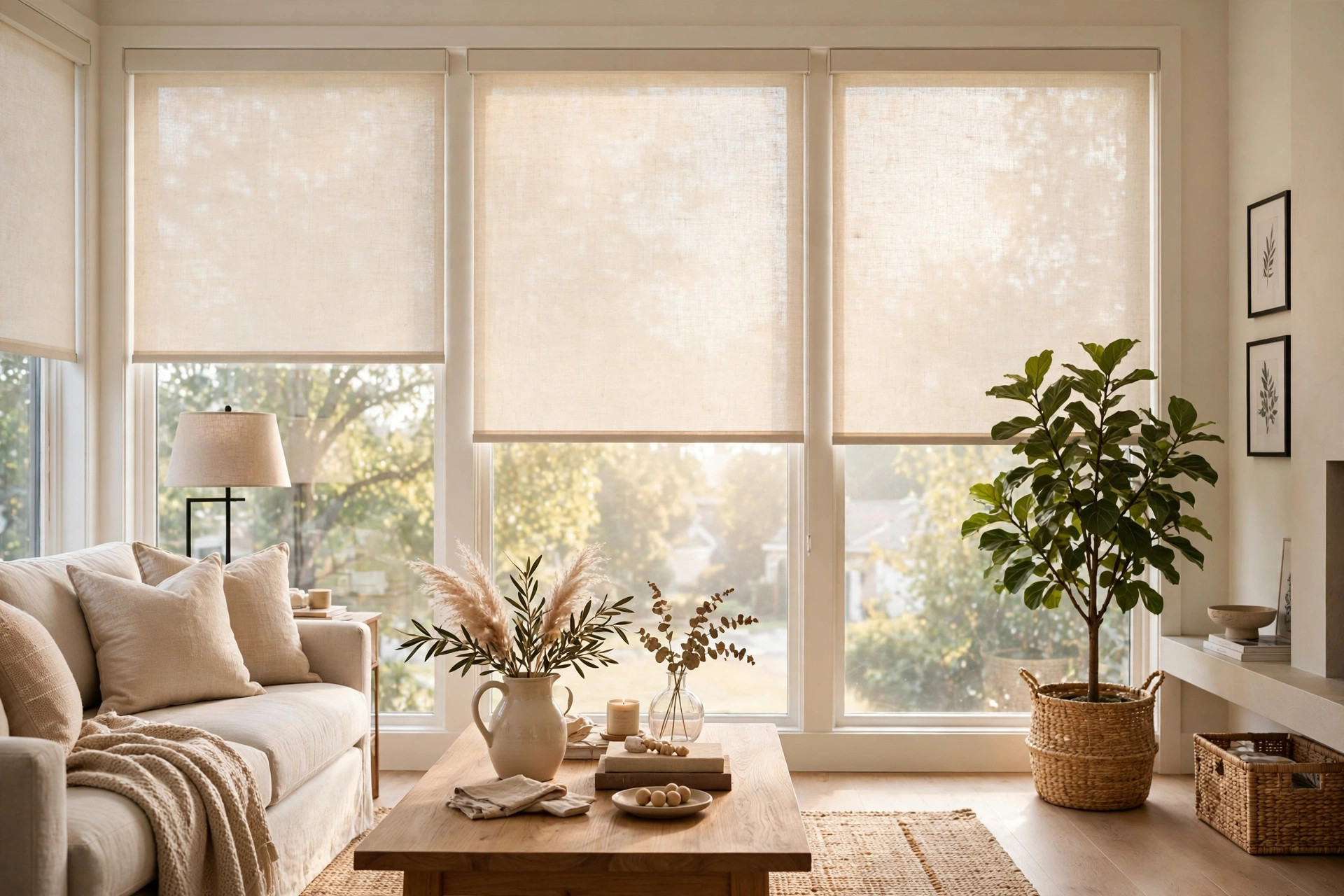
This custom light filtering roller shades buying guide will help you choose window shades with care. Many rooms get too much bright sun. Full curtains can block the view. Bare glass can make a room too hot and too bright. Light filtering roller shades sit in the middle. They let soft daylight through while they cut the hard glare.
Custom shades are made to fit your exact window. They look clean and neat. They come in many fabrics and colors. This guide walks through each choice step by step. You will learn how these shades work, what to look for, what they cost, and how to keep them in good shape. By the end you will know how to buy with confidence.
Why It Matters: Custom Light Filtering Roller Shades Buying Guide
Windows control the light in a home. Light sets the mood of a room. A bright kitchen feels alive. A dim bedroom feels calm. The wrong covering can spoil both.
Light filtering roller shades spread the light out. They turn hard sun into a soft glow. This makes the room feel warm, not harsh. It also protects your furniture. Sun can fade wood floors and cloth chairs. A light filtering fabric slows that fading.
Privacy matters too. These shades blur the view from outside. Neighbors see shapes, not details. You can still see the trees and the street. This balance is the main reason people buy them.
Custom shades also fit better than ready-made ones. A shade that is too narrow leaves light gaps on the sides. A shade that is too wide will not roll up straight. A custom fit closes these gaps. The window looks finished and the shade works as it should.
How to Choose
Buying custom shades is simple when you follow a plan. The sections below show what to check before you order.
Measure the Window
Good shades start with good numbers. Take a steel tape measure. Measure the width in three spots: top, middle, and bottom. Write down the smallest number. Measure the height in three spots: left, center, and right. Write down the largest number.
Decide on an inside mount or an outside mount. An inside mount sits in the window frame. It looks tidy and shows off your trim. You need at least two inches of depth in the frame for most rollers. An outside mount covers the frame and the trim. It can make a small window look larger. It also blocks more side light.
When you order custom shades, the maker will ask for these numbers. Order from a window covering specialist that shows clear measuring guides with each product.
Pick the Fabric Opacity
Light filtering fabric comes in many levels. Some let in much light. Some let in less. Most sellers rate fabrics as sheer, light filtering, or room darkening. Stay in the middle range for this kind of shade.
Hold a fabric sample up to a window if you can. Samples show the true color in your light. A swatch looks different in a north room than in a south room. Many sellers send free swatches. Get them before you buy.
Think about each room. A living room may want more light. A nursery may want less. One fabric does not have to serve the whole house. You can mix shades room by room.
Choose the Color and Pattern
Light colors let more light pass. They make a room feel open. White, cream, and pale gray are safe picks. Dark colors give more privacy and less glow. They can make a room feel smaller.
Solid fabrics look modern and calm. Woven textures add warmth. Patterns can hide dust and marks. Small patterns age better than large bold ones.
Match the shade to the largest item in the room. A gray sofa pairs well with a soft gray shade. A wood floor pairs well with warm tones. You do not need a perfect match. A close tone is enough.
Pick the Lift System
Roller shades roll up and down on a tube. You choose how they move.
A cord loop is the classic style. It is simple and low cost. A cordless lift raises with a push and lowers with a pull. It looks clean and it is safer for small children. A motorized shade moves with a remote or a phone app. It costs more, but it is easy to use on tall windows.
Cordless and motorized lifts are worth the money in most homes. They have no long cords to tangle. They work well day after day. A major home improvement retailer carries many lift options so you can compare them side by side.
Types and Options
Custom light filtering roller shades come in several styles. Each has its own strengths.
Standard Roller Shades
This is the plain roll on a tube. The fabric rolls down flat when you lower it. It is the lowest cost custom option. It suits most rooms. The simple look fits both new and old homes.
Dual Roller Shades
Two fabrics share one bracket. One layer filters light by day. The second layer darkens the room at night. This is a smart pick for bedrooms. You get soft daylight and dark sleep in one shade.
Top-Down Bottom-Up Shades
These move from both ends. You can lower the top for light while the bottom stays shut. This gives daylight and privacy at the same time. They cost more than standard rollers.
Outdoor Roller Shades
These hang on patios and porches. They filter sun and cut heat. They use tough fabric that stands up to weather. They can make a deck usable on hot afternoons. A home improvement store stocks both indoor and outdoor roller styles.
Decorative Details
You can add small extras. A fabric-wrapped bottom bar looks neat. A scalloped hem adds style. A valance hides the roller at the top. These details raise the price a little. They can make a plain shade feel finished.
If you like layered windows, you can pair roller shades with side panels. See our guide to buy farmhouse style curtains online in florida for ideas on mixing shades with curtains.
Cost and Price
Custom shades cost more than ready-made ones. You pay for the exact fit and the wider fabric choice.
A single custom light filtering roller shade often runs from about 60 to 200 dollars. Wide windows cost more. Fancy fabrics cost more. Motorized lifts can add 100 to 300 dollars per shade. Dual rollers cost more than single rollers.
Measure all your windows before you order. Many sellers give a price break on large orders. Buying shades for five or six windows at once can cut the per-shade cost.
Get quotes from more than one seller. An online window treatment retailer may beat a local shop on price. A local shop may beat online on service and install. Compare the full price, not just the shade. Add shipping, tax, and install fees.
Do not forget the extras. Mounting hardware often comes in the box. A valance or a cassette cover costs extra. Motorized shades may need a charger or extra batteries.
Read the warranty before you pay. A good custom shade should carry at least a three-year warranty. Some makers offer lifetime coverage on the mechanism. Keep your order papers in case you need a repair.
Independent product ratings can help you compare brands on quality and value before you spend.
Care and Upkeep
Roller shades are easy to keep. A little care keeps them looking new for years.
Dust the fabric once a month. Use a soft cloth or a vacuum with a brush head. Work from top to bottom. Do not press hard on the fabric.
Spot clean small marks with a damp cloth and mild soap. Blot, do not rub. Rubbing can push the stain deeper. Let the shade dry in the down position.
Keep the roller clean too. Dust can collect on the tube and the brackets. A quick wipe stops it from building up.
Check the lift once a year. Make sure the shade rolls up straight. If it drifts to one side, the brackets may be loose. Tighten the screws and test it again. For motorized shades, charge or change the batteries as the maker advises.
Keep steam and grease away from fabric shades. In kitchens, a wipeable fabric lasts longer than a cloth one. Home guides from The Spruce offer room-by-room care tips for all window treatments.
If a shade will not roll up, do not force it. Forcing can break the spring. Call the maker for help. Most problems are simple fixes.
Safety
Window cords can harm small children and pets. The Consumer Product Safety Commission warns that corded blinds are a strangulation risk. Cordless shades remove this risk.
Choose cordless or motorized lifts in any home with children. If you already own corded shades, keep cords short and out of reach. Use cord cleats to wrap extra cord high on the frame.
Mount shades firmly. A shade that falls can hurt a child. Use the right screws for your wall type. Wood screws hold in wood trim. Anchors hold in drywall.
For bay windows or odd shapes, check that the shade clears the glass when it rolls. Our bay window curtain rods reviews and buying guide covers measuring tricky window shapes.
Scandinavian home furnishings brands and many American makers now sell cordless shades as the standard option. Ask for it by name when you order.
FAQ
How much light do light filtering shades block?
They block some light but not all. Most filter out the harsh glare while they let a soft glow through. The exact amount depends on the fabric. Light colors pass more light. Dark colors pass less. Check the fabric rating before you buy.
Can I see out through them during the day?
Yes, in most cases. You can see shapes and movement outside. The view is soft, not sharp. At night the effect flips. With indoor lights on, people outside may see in. Close the shade fully or add a darkening layer for night privacy.
Are custom shades worth the extra cost?
They are worth it when windows are not a standard size. A custom fit leaves no side gaps. It rolls up straight and looks neat. For standard windows, a ready-made shade can work just as well for less money.
How long do roller shades last?
A good roller shade lasts seven to ten years with normal use. The fabric may fade in strong sun before the mechanism fails. Rotate which shades get the most sun if you can. Replace a shade when the fabric sags or the lift breaks.
Can I install custom roller shades myself?
Yes, most people can. You need a drill, a level, and a screwdriver. The maker sends brackets and screws. Inside mounts are the easiest. Wide shades are heavy, so get help holding them. Many sellers include clear step-by-step guides.
Do light filtering shades help with heat?
They help a little. They block some solar heat by shading the glass. They are not as good as darkening shades or outside shades. For hot rooms, pair them with a light wall color and good airflow. If noise is also a concern, see our budget friendly noise reducing curtains buying guide.
Final Word
Custom light filtering roller shades give you soft light, fair privacy, and a clean look. Measure with care. Pick a fabric that suits each room. Choose a cordless or motorized lift for safety. Compare prices from a few sellers. With this custom light filtering roller shades buying guide in hand, you can order with confidence and enjoy the result for years.
Home design ideas from HGTV and practical how-to advice from Bob Vila can give you more room styling ideas once your shades are up.
References
Blinds.com. (n.d.). Window blinds, shades, and shutters. https://www.blinds.com Bob Vila. (n.d.). Home improvement advice. https://www.bobvila.com Consumer Reports. (n.d.). Product reviews and ratings. https://www.consumerreports.org HGTV. (n.d.). Home and garden ideas. https://www.hgtv.com IKEA. (n.d.). Home furnishings. https://www.ikea.com Lowe’s. (n.d.). Home improvement products. https://www.lowes.com The Home Depot. (n.d.). Home improvement products. https://www.homedepot.com The Spruce. (n.d.). Home and garden advice. https://www.thespruce.com U.S. Consumer Product Safety Commission. (n.d.). Product safety information. https://www.cpsc.gov Wayfair. (n.d.). Furniture and home goods. https://www.wayfair.com
Was this guide helpful?

About Emily Rodriguez
The My Garden US editorial team writes practical, in-depth home and garden guides for American homeowners — tested advice, no fluff.
You May Also Like
Thermal Shutter Installation Services for Homeowners: A Plain Guide
September 20, 2026 0 views
Top Rated Modern Geometric Curtains for Small Apartments
June 27, 2026 0 views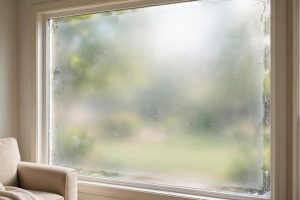
Affordable Window Film Privacy Tint Buying Guide
April 19, 2026 0 views