
Introduction
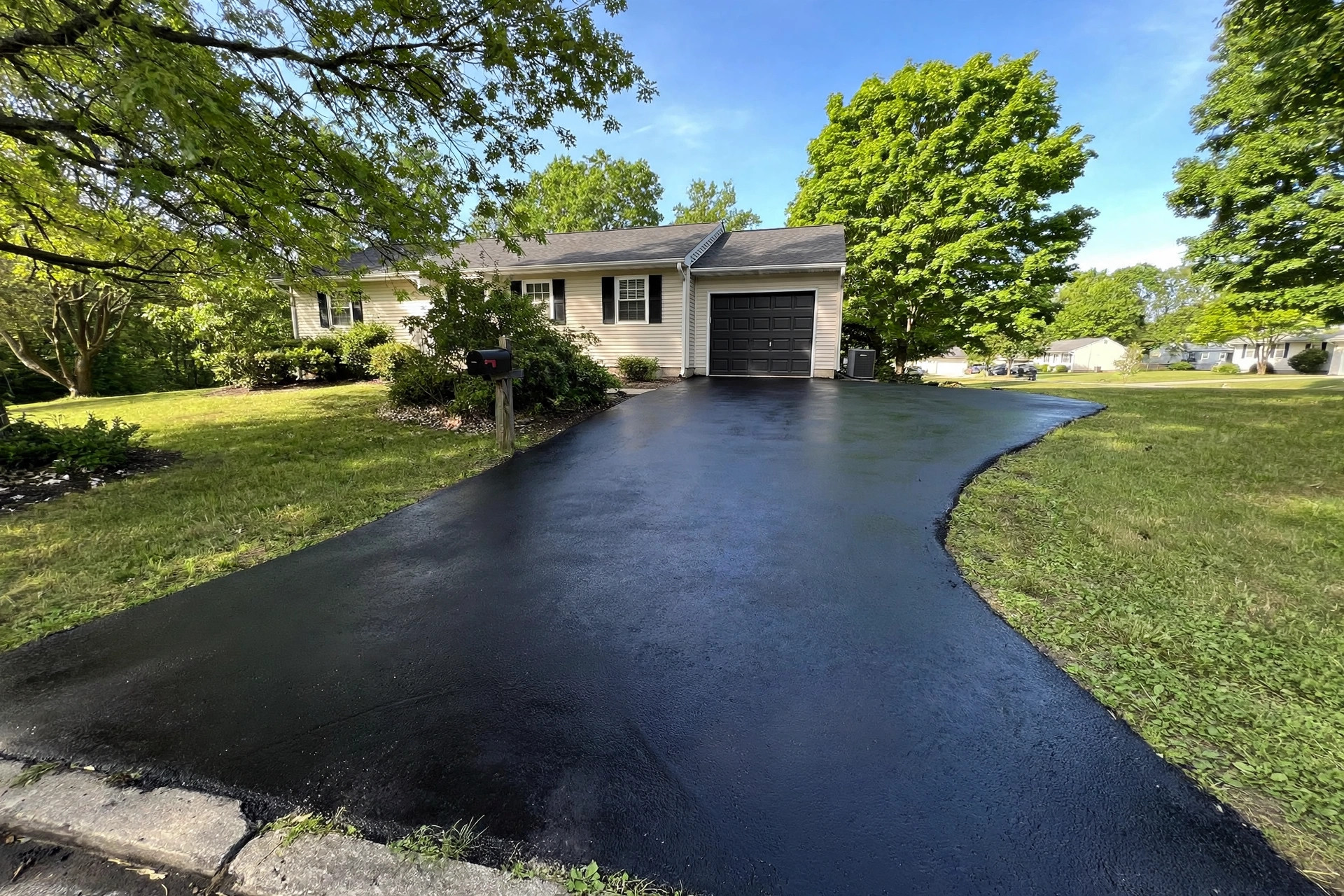
Every home with an asphalt drive faces the same question sooner or later. This asphalt driveway sealing cost guide usa will give you a plain answer. Sealing is the process of coating blacktop with a thin layer of protective sealer. It keeps out water, sun, oil, and salt. It also makes the surface look new again. The cost varies by method, region, and drive size. A small drive sealed by the owner may cost under one hundred dollars in materials. A large drive done by a contractor can run several hundred dollars. The purpose of this guide is to show you the real price range, explain what drives it up or down, and help you get good work at a fair price. If you are budgeting for this job for the first time, the sections below will walk you through each step in plain terms.
Why Sealing Your Driveway Matters: Asphalt Driveway Sealing Cost Guide Usa
An asphalt drive takes a beating. Sunlight dries out the oils that keep the pavement soft and flexible. Rain finds small cracks and works them wider with every freeze and thaw. Motor oil and gasoline eat into the surface. Road salt in winter speeds up the wear. Over a few years, a neglected drive turns gray, brittle, and rough. Cracks spread. Potholes appear. Repairs then cost far more than simple upkeep.
Sealer acts as a shield. It forms a thin skin over the asphalt that blocks the ultraviolet rays of the sun. It keeps water from soaking into the surface. It resists fuel and oil spills. A sealed drive sheds rain instead of drinking it in. Small cracks stay small longer. The drive also looks better. Fresh sealer gives the surface a deep black finish that makes the whole front yard look tidy. Real estate agents often note that a clean drive adds to the look of a home from the street.
There is a money angle as well. New asphalt is expensive. A full drive replacement can cost many thousands of dollars. Sealing on a regular schedule, about once every two to three years, can add years to the life of the pavement. The advice found in long-running home guides, such as those at This Old House, has long held that steady upkeep beats costly replacement. Spending a little on time is the cheapest way to protect a big investment.
What to Look For Before You Seal
Do not seal a drive blind. Start with a good look at its condition. Walk the full length on a dry day. Note every crack, stain, and soft spot. This short survey tells you whether the drive is ready for sealer or needs repairs first.
Signs Your Driveway Is Ready
A drive that is two or three years old and turning gray is a good candidate. Fading color means the sun has worn away the top oils. Minor surface cracks, about as wide as a pencil line, are normal. These can be filled before sealing. Stains from oil or rust should be cleaned first so the sealer bonds well.
Some signs mean you should wait or repair first. New asphalt needs time to cure. Most makers say to wait at least ninety days, and some say a full year, before the first coat. Cracks wider than a quarter inch should be filled with crack filler. Large broken areas, deep ruts, or crumbling edges are repair jobs, not sealing jobs. Sealer will not fix structural damage. It only protects a sound surface.
Weather and Timing
Timing matters more than most people think. Sealer needs warm, dry weather to cure. Daytime temperatures should stay above fifty degrees, and night should not dip near freezing. Most contractors work between late spring and early fall. Pick a stretch of two or three dry days. Rain within twenty-four hours of coating can ruin the finish. Wind is also a factor. A breezy day helps the coat dry, but heavy wind blows leaves and dust onto the wet surface.
Types of Sealers and Application Options
Not all sealers are the same. The two main kinds sold for homes are coal tar emulsion and asphalt emulsion. Coal tar sealer has been used for decades. It forms a tough film that resists fuel and chemical spills well. Asphalt emulsion sealer is made from the same base as the pavement itself. It is often seen as friendlier to the surroundings and is required by law in some areas. Both come in five-gallon buckets at major home centers and can be applied with a squeegee, a brush, or a sprayer.
You also have a choice in how the job gets done. The do-it-yourself route is common. You clean the drive, fill cracks, and spread the sealer yourself. It costs less but takes a full day of labor. The contractor route costs more but brings professional equipment and speed. Many pros use spray rigs that lay down an even coat fast. Some homeowners split the difference. They do the cleaning and crack filling themselves and hire a pro for the coating. Step-by-step driveway guides and driveway repair walkthroughs show that careful prep is half the job no matter who applies the coat.
When you shop, compare bucket prices at large retailers such as Lowe’s. Read the label for coverage per gallon. Cheaper sealer that covers less ground is not always the better deal. Look for filler that matches the sealer brand, since mixed brands can bond poorly.
Cost and Price: What Drives the Numbers
Now the heart of the matter. How much does driveway sealing cost in the USA? The answer depends on the size of your drive, the local market, and whether you hire help. Most national surveys put the typical price of professional sealing between two hundred and five hundred dollars. A small drive in a low-cost area may come in under two hundred. A long or wide drive in a high-cost city can top six hundred. DIY sealing runs far less. Materials for a two-car drive often cost between fifty and one hundred fifty dollars.
Driveway sealcoating prices are usually quoted by the square foot. Contractors often charge between fifteen and thirty-five cents per square foot. A standard two-car drive of about six hundred square feet would then cost roughly ninety to two hundred ten dollars at the low end of that range, before any extras. Many companies have a minimum charge, often around one hundred fifty to two hundred dollars, so very small drives do not get much cheaper.
What Raises the Price
Several factors push the price up. Crack filling is the most common add-on. Filling is often priced by the linear foot, and a drive full of cracks can add fifty to one hundred dollars. Oil spot treatment adds more. If the drive needs a deep cleaning or pressure washing first, expect a fee. Steep drives cost more because the work is harder and the crew must take care with runoff. Drives in poor shape may need two coats, which nearly doubles the material cost. Travel distance matters too. A contractor who must drive far will add a trip charge.
What Lowers the Price
You can bring the cost down in honest ways. Get three written quotes and compare them line by line. Ask what is included: cleaning, crack filling, one coat or two. Schedule in the shoulder season. Late spring and early fall are busy, but mid-summer gaps sometimes bring lower bids. Do the prep work yourself. Sweeping, washing, and filling cracks before the crew arrives can cut the bill. Combine jobs with a neighbor. Some companies discount when they can seal two drives on the same street in one trip. Finally, keep the drive in good shape between sealings. A clean drive with small cracks is cheaper to seal than a neglected one.
Watch out for bids that seem too low. A price far below the others may mean thin sealer, watered-down product, or skipped prep. Ask for the brand of sealer and how it will be applied. A fair contractor answers plainly. The exterior maintenance guides published by building product makers remind homeowners that steady care of the home exterior pays off over time, and the driveway is part of that exterior.
Care and Upkeep After Sealing
The job is not done when the last coat dries. How you treat the drive in the first days decides how long the coat lasts. Keep all cars off the surface for at least twenty-four hours, and forty-eight is better in cool weather. Foot traffic is fine after a day. Avoid turning steering wheels while the car is still. The twisting motion can mark soft sealer. Do not place sharp objects, such as bike kickstands or trailer jacks, directly on the new coat without a board underneath.
For long-term care, sweep the drive often. Grit and sand act like sandpaper under tires. Wash off oil and fuel spills soon with a mild cleaner. Do not use harsh solvents. They can strip the sealer. In winter, use care with plows and metal shovels. A light touch avoids gouges. Salt is hard on any asphalt surface, so use only what you need. Reseal on schedule. Most drives need a new coat every two to three years. If water stops beading on the surface, the shield is wearing thin and it is time to plan the next coat. Simple habits like these are covered in many home care references and cost almost nothing to follow.
Related projects around the home exterior often come up at the same time. If you are planning other work, you may find these useful: buy outdoor security cameras online in the usa, where to buy asphalt shingle roofing in arizona, and where to buy mailbox posts in arizona.
Safety Tips
Sealing is safe work if you take basic care. Read the product label before you open the bucket. Work in open air and avoid breathing the fumes. A simple dust mask helps on still days. Wear old clothes, gloves, and closed shoes. Sealer stains skin and fabric and is hard to remove once dry. Keep children and pets away from the wet surface. If sealer gets on skin, wash with soap and water right away. Do not use strong solvents on skin.
Store leftover buckets in a cool, dry place out of reach of children. Keep them from freezing, which can spoil the product. Dispose of empty buckets and rags as your town directs. Some areas treat dried sealer waste as household trash and some have special rules. When in doubt, ask your local waste office. Contractors carry their own safety gear and should keep the work area marked until the coat cures.
Frequently Asked Questions
How often should I seal my asphalt driveway? Most drives need sealing every two to three years. Heavy traffic, harsh winters, and strong sun can shorten the cycle. Light use in a mild climate can stretch it. Watch the surface. When the black color fades to gray and water no longer beads, plan the next coat.
Can I seal the driveway myself to save money? Yes. DIY sealing is a common way to cut costs. Materials for a standard drive often run fifty to one hundred fifty dollars. The work is not hard, but it is physical. Good prep, meaning a clean surface and filled cracks, matters more than the brand of sealer. If your drive is large or in bad shape, a contractor may be the better choice.
How long does sealer take to dry? Most sealers dry to the touch in four to eight hours in warm weather. The drive should stay car-free for at least twenty-four hours, and forty-eight in cool or damp weather. Full curing can take several days. Do not rush it. Early traffic leaves marks that last for years.
Is sealing worth the money compared to repaving? In most cases, yes. Sealing costs a few hundred dollars at most. Repaving a drive can cost several thousand. Regular sealing slows cracking and wear, which delays the day you must repave. It is one of the cheapest forms of driveway upkeep.
Does sealing fix cracks and potholes? No. Sealer is a thin surface coat, not a repair. Small cracks should be filled with crack filler before sealing. Potholes and crumbling areas need patching or repaving. Sealing a broken drive only hides the problem for a short time.
A Final Word
An asphalt driveway is a working part of your home, not just a place to park. Exterior upkeep guidance from home exterior product makers stresses the same point: a little care on schedule keeps it strong, safe, and good looking. Get a few quotes, ask plain questions, and do not pay for more than the drive needs. Whether you spread the sealer yourself or hire a crew, the result is the same: a drive that stands up to sun, rain, and traffic for years to come. That is money well spent.
References
Bob Vila. (n.d.). Home improvement advice. https://www.bobvila.com CertainTeed. (n.d.). Building materials and exterior products. https://www.certainteed.com Family Handyman. (n.d.). DIY home repair and maintenance. https://www.familyhandyman.com James Hardie. (n.d.). Fiber cement siding and exterior products. https://www.jameshardie.com Lowe’s. (n.d.). Home improvement products. https://www.lowes.com The Home Depot. (n.d.). Home improvement products. https://www.homedepot.com The Spruce. (n.d.). Home and garden advice. https://www.thespruce.com This Old House. (n.d.). Home renovation guidance. https://www.thisoldhouse.com
Was this guide helpful?

About Robert Taylor
The My Garden US editorial team writes practical, in-depth home and garden guides for American homeowners — tested advice, no fluff.
You May Also Like
Best Garage Door Replacement Near Me: A Homeowner Guide
February 19, 2026 0 views
Affordable Asphalt Driveway Sealing Near Me: A Practical Guide
August 31, 2026 0 views
Top Rated Insulated Garage Doors for USA Homes
April 6, 2026 0 views