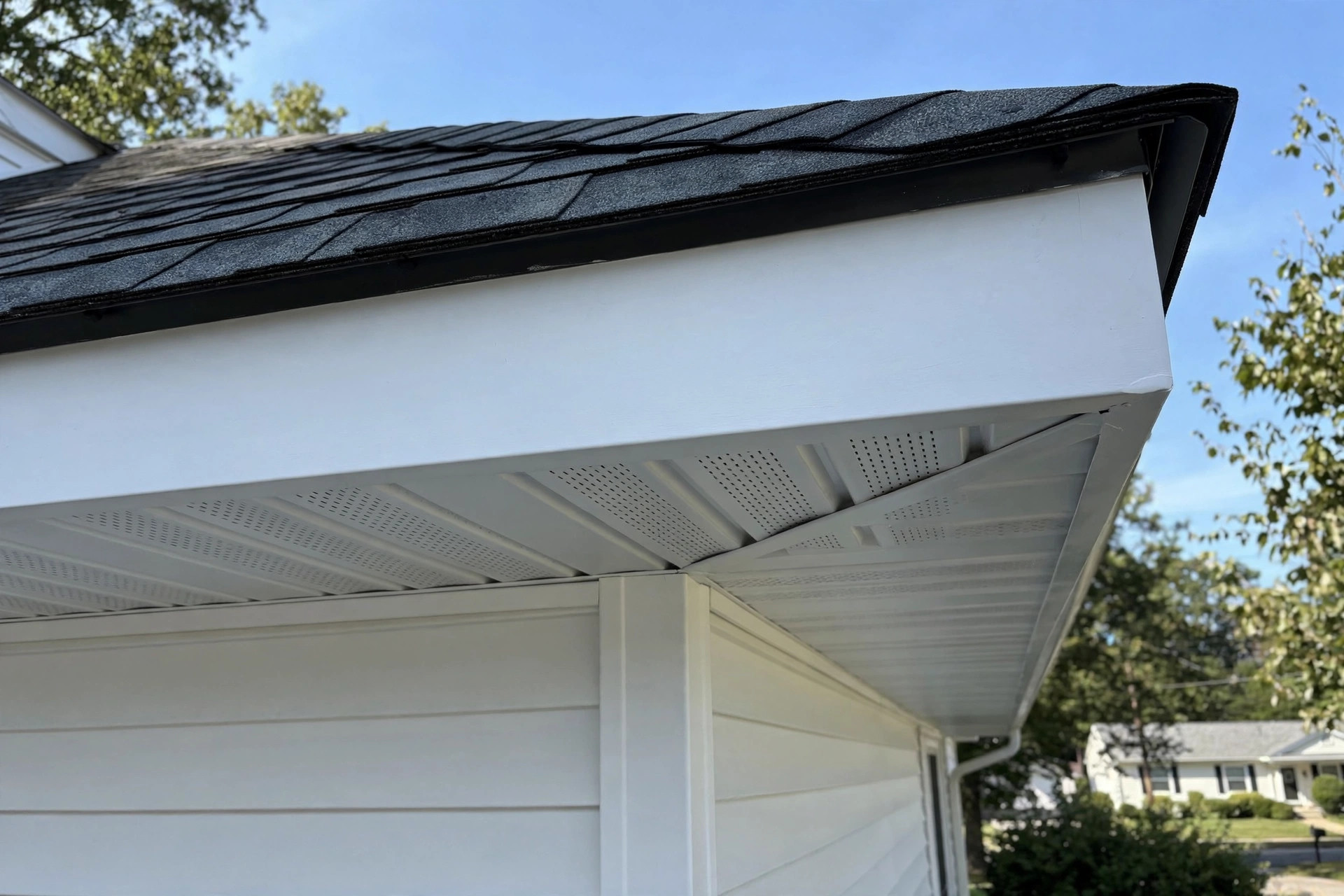

When the boards along the edge of your roof start to sag, peel, or rot, it is time to search for durable soffit and fascia repair near me. These two parts of your home do quiet work every day. They shield the roof edge, carry the gutters, and let air move through the attic. When they fail, water finds its way in. Small damage can turn into a large bill if it is left alone. This guide explains what soffit and fascia are, why they matter, how to pick a repair service, what the job may cost, and how to keep the work lasting for years.
Why Soffit and Fascia Matter
Soffit is the flat board under the eave of the roof. It covers the underside of the overhang, the part you see when you stand at the door and look up. Fascia is the upright board that runs along the edge of the roof. It faces the street and gives the roof line its clean edge. The gutters hang from the fascia.
These parts do more than look neat. The soffit often has small vent holes. These vents let fresh air into the attic and let warm, wet air out. Good air flow stops mold and keeps the roof deck dry. The fascia seals the ends of the rafters. It keeps rain, birds, squirrels, and wasps out of the roof frame. Both parts carry paint and stain that guard the wood below.
Damage starts small. Paint cracks. A board warps. A bird pecks a hole. Water from a clogged gutter runs down the fascia and soaks the wood. In a cold climate, ice dams push melt water under the shingles and onto the fascia. In a hot, wet climate, sun and rain wear the finish down fast. Once wood rot sets in, it spreads along the board. A pest hole lets squirrels nest in the attic. A failed vent lets moisture build up and shortens the life of the roof.
A durable repair fixes the cause, not just the look. That is why the search for durable soffit and fascia repair near me should focus on craft and materials, not on the lowest price alone.
What to Look For When You Choose a Repair Service: Durable Soffit and Fascia Repair near Me
Start close to home. A local firm knows the weather in your county. It knows which materials hold up to your winters or your summer storms. Local crews also come back for warranty work without a long drive. Ask neighbors who had eave work done. Word of mouth still counts for much.
Look for a firm that does exterior trim as its main trade. Some roofers do fascia work on the side. Some painters offer it too. Ask how long the firm has worked in your area. Five years or more is a good sign.
Check the basics. The firm should hold a state or city license where one is required. It should carry liability insurance and workers’ comp. Ask for proof in writing. A firm that cannot show papers should not touch your roof edge. Read online reviews, but read with care. Look for reviews that name the work done and say how it held up a year later.
Get at least three written bids. Each bid should list the work in plain terms: how many feet of soffit, how many feet of fascia, what material, what finish, and what the warranty covers. A bid that says only “repair eaves, $900” tells you too little. Ask each firm what it will do about vents, drip edge, and gutter removal and refit. The Family Handyman site notes that good eave work plans for water flow first and looks second.
Ask about the crew. Who will be on the ladder? Is the crew on staff or hired by the day? A stable crew tends to do steadier work. Ask how long the job will take and how the crew will guard your shrubs and lawn. Ask what happens if hidden rot is found behind the boards. A fair firm will tell you the price per foot for extra rot work before it starts.
Types and Options for Materials
Wood is the old standard. Cedar and pine trim boards take paint well and look right on older homes. Wood is easy to cut and join. It is also the most work to keep. It needs a sealed back, primer on all cuts, and paint every few years. In wet shade, wood can rot again even with care.
Vinyl soffit and PVC fascia trim are the low upkeep choice. They do not rot. They do not need paint. Many brands make them in colors that match common siding. Vented vinyl soffit panels bring air into the attic with no extra cutting. Vinyl moves with heat, so the crew must leave room for growth at the joints. Cheap thin panels can sag in high heat. Ask for a mid grade or better.
Fiber cement trim is the hard wearing choice. It resists rot, pests, and fire. It holds paint far longer than wood. It costs more and weighs more, so the labor takes longer. Brands such as James Hardie and CertainTeed sell trim boards made for this use. On a home that already has fiber cement siding, this trim gives a clean match.
Aluminum fascia wrap is a common fix over old wood. The crew wraps the old fascia with bent aluminum coil stock. It looks crisp and needs no paint. It works best when the wood below is sound. Wrapping over rot traps moisture and hides the problem. A good firm will say no to wrap when the wood is soft.
For soffit vents, count on one square foot of vent for every 150 square feet of attic floor, split between soffit and ridge. The U.S. Department of Energy gives this rule as a guide for attic air flow. If your soffit has no vents now, a repair is the right time to add them.
Matching the Old Look
On a historic home, match the profile. Take a photo of the old trim and show it to the shop. Some firms can mill wood to match a curved or stepped profile. Vinyl and fiber cement come in flat stock that suits most ranch and split level homes. The This Old House site shows how trim profiles shape the look of a whole house. A small change in width can alter the face of the eave, so check the sample board against your home before the crew starts.
Cost and Price: What the Job May Run
Prices move with region, height, and material. Two story work costs more than a ranch because of the set up and risk. Long runs cost less per foot than short ones. Here are plain ranges seen across the United States in recent years.
Wood fascia replacement often runs 6 to 15 dollars per linear foot, with paint extra. Wood soffit runs 5 to 12 dollars per linear foot. Vinyl soffit panels run 4 to 10 dollars per foot installed. PVC or aluminum fascia runs 6 to 14 dollars per foot. Fiber cement trim runs 8 to 18 dollars per foot, with paint on top. Full tear out of rotted eaves, new boards, vents, and paint can reach 1,500 to 4,000 dollars for a small home and more for a large one.
What raises the bill? Hidden rot behind the boards. A second story. Steep roof pitch. Gutters that must come off and go back on. Lead paint on old trim, which needs safe handling. What lowers it? Straight runs on a one story home. Reuse of sound gutters. Doing the whole side at once instead of patching one spot each year.
Never pay the full sum up front. A deposit of one third or less is the norm. Pay the rest when the work is done and you have walked the job with the foreman. Get the warranty in writing. One year on labor is the floor. Many firms give two to five years. Material warranties come from the maker and last much longer.
If your eave damage came with wall damage, you may also need a stucco exterior repair cost guide mindset: get the water source fixed first, then the finish. And if you plan new siding soon, read a vinyl siding installation cost guide before you order trim, since siding and trim crews can share the set up and save you money.
Care and Upkeep After the Repair
Durable work lasts when you tend it. Walk the eaves each spring and fall. Look for peeling paint, soft spots, and gaps at the joints. Press a screwdriver tip lightly into wood boards. Sound wood resists. Soft wood dents. Catch soft spots early and they cost little to fix.
Keep gutters clean. Overflowing gutters are the main killer of fascia. Water runs down the board face and soaks in at the nail holes. Clean gutters in spring and late fall, or fit guards if your trees drop much leaf.
Trim back tree limbs that touch the roof. Leaves trap wet air against the soffit. Branches give squirrels a bridge to the eave. Keep shrubs a foot or more below the soffit line so air can move.
Repaint wood on time. When paint chalks or cracks, water gets in. A fresh coat on all faces, top and bottom, adds years. Do not paint vinyl or factory finish panels unless the maker says it is safe. Caulk small gaps at joints with exterior grade sealant, but never seal over vent holes.
Watch the attic. In winter, look for frost on the roof deck nails. In summer, feel for damp heat. Both signs point to weak air flow, which may mean blocked or missing soffit vents. The Bob Vila site has plain checklists for attic checks that any owner can follow.
Safety Notes
Eave work means ladders and power tools. If you hire it out, the crew should set ladders on firm ground at a safe angle, tie off, and keep tools clear of power lines. If you do small touch ups yourself, use a sound ladder, keep three points of contact, and never lean past the rails. The Consumer Product Safety Commission warns that ladder falls hurt thousands of owners each year, most on short jobs close to home.
Old homes may have lead paint on the trim. If your home was built before 1978, ask for a lead safe crew. Sanding or scraping lead paint without care spreads dust that harms children. A licensed firm will test and follow safe work rules.
Wasps and hornets love to nest behind loose soffit. If you hear buzzing in the eave, do not pry boards off yourself. Call a pest firm first. A sting high on a ladder is no small thing.
Frequently Asked Questions
How do I know if my soffit and fascia need repair or full replacement? Look for peeling paint, soft or crumbly wood, sagging panels, holes from pests, and water stains. Small soft spots can be cut out and patched. When rot runs the full length of a board, or when panels sag across a whole run, replacement is the sound choice. A firm that sells you full replacement for one bad board may be padding the bill, so get a second view.
Can I repair soffit and fascia myself? A handy owner can swap a short run of vinyl soffit or screw up a loose panel. Wood fascia on a one story home is also within reach if you can cut and paint boards. Two story work, long rotted runs, and anything near power lines are best left to a crew with the right gear. Be honest about your skill and your ladder comfort.
How long does the repair take? A simple patch takes a day. A full side of a one story home takes one to two days. A full house with paint can take a week. Weather, hidden rot, and gutter work add time. Ask for the schedule in writing before the crew starts.
Should I repair soffit and fascia before or after a new roof? Do the roof first if both are due. Roofers lean on the fascia and may dent fresh trim. If the roof is sound and only the eaves are bad, repair the eaves now and do not wait. Water damage never gets cheaper with time.
What is the most durable material for my climate? In wet climates, vinyl soffit and PVC or fiber cement fascia hold up best because they do not rot. In hot sun, pick light colors and heat rated panels. In cold snow country, make sure the fascia can hold the gutter under ice load, and keep attic vents clear. A local firm can name the products that last in your zip code. For broader product research, the Lowe’s and Home Depot sites list trim boards by material with owner reviews.
Will new soffit and fascia raise my home value? They help curb appeal, which helps a sale. Buyers read bad eaves as a sign of poor upkeep. The larger gain is in stopped damage. Dry rafter tails, a dry attic, and sound gutters save far more than the trim cost over the years. Check gutter installation services too, since gutters and fascia wear as a team.
A Short Final Word
Good eaves are quiet. They do their work and ask little. When they start to fail, a quick search for durable soffit and fascia repair near me can bring help close by. Pick a local firm with papers, a clear bid, and the right material for your climate. Tend the gutters and the paint, and the new trim will serve for decades. Your roof edge is the first shield of your home. Keep it sound.
References
Bob Vila. (n.d.). Home improvement advice. https://www.bobvila.com CertainTeed. (n.d.). Building materials and exterior products. https://www.certainteed.com Family Handyman. (n.d.). DIY home repair and maintenance. https://www.familyhandyman.com James Hardie. (n.d.). Fiber cement siding and exterior products. https://www.jameshardie.com Lowe’s. (n.d.). Home improvement products. https://www.lowes.com The Home Depot. (n.d.). Home improvement products. https://www.homedepot.com This Old House. (n.d.). Home renovation guidance. https://www.thisoldhouse.com U.S. Consumer Product Safety Commission. (n.d.). Product safety information. https://www.cpsc.gov U.S. Department of Energy. (n.d.). Energy efficiency and renewable energy. https://www.energy.gov
Was this guide helpful?

About David Wilson
The My Garden US editorial team writes practical, in-depth home and garden guides for American homeowners — tested advice, no fluff.
You May Also Like

Top Rated Storm Door Installation Reviews: What Homeowners Need to Know
March 22, 2026 0 views
Best Sliding Patio Doors for Small Apartments: A Practical Guide
July 24, 2026 0 views
Professional Grade Exterior Door Replacement Near Me: A Homeowner’s Guide
January 31, 2026 0 views