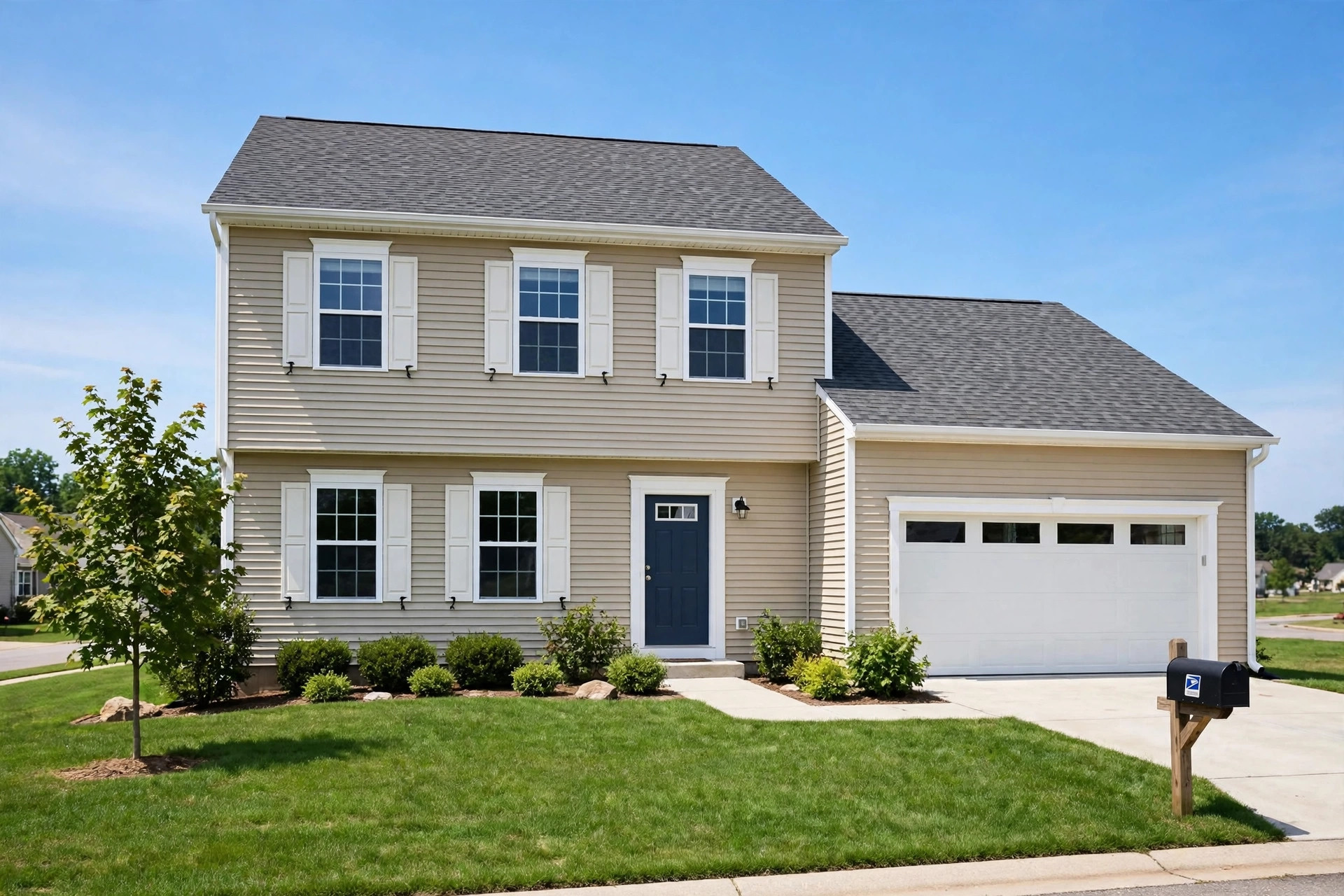

The paint on your house is peeling. The old wood siding is cracked. Every spring you spend another weekend scraping and sanding. You type budget friendly vinyl siding installation near me into your phone and hope the price will not break you. This guide will help you understand the cost, the choices, and how to find a fair deal close to home.
Vinyl siding is the most common wall covering on American homes. It lasts for decades. It needs little care. It costs less than wood, brick, or fiber cement. And a good crew can finish a whole house in less than a week. When money is tight, vinyl is the siding most families choose.
Why Budget Friendly Vinyl Siding Matters
Your siding is the skin of your house. It keeps the rain out. It holds the warmth in. It also shapes how the house looks from the street. Old, damaged siding lets water reach the wood beneath. That leads to rot, mold, and bills that grow far beyond the siding job.
Vinyl siding solves this at a price most budgets can handle. A plain grade of vinyl costs far less than cedar or stucco. It does not need paint. It will not rust. The color is baked into the panel, so it fades slowly even in strong sun. Most makers give a lifetime warranty to the first owner.
Vinyl also helps with energy bills. Insulated vinyl siding adds a layer of foam backing. This backing fills small gaps in the wall. It can cut air leaks and keep rooms warmer in winter. The U.S. Department of Energy has long advised that sealing and insulating the outer shell is one of the best ways to cut home energy use. When you plan budget friendly vinyl siding installation near me, ask each bidder about insulated panels. The small extra cost can pay back in comfort.
There is another reason to act soon. Prices for building work have risen. Labor costs go up each year. A job quoted today may cost more next spring. If your siding is failing now, waiting only adds repair work. Water damage grows. What starts as a siding job can turn into a sheathing and framing job. A quick call for estimates costs nothing.
What to Look for in a Siding Installer: Budget Friendly Vinyl Siding Installation near Me
The installer matters more than the brand of siding. A good crew makes budget panels look sharp. A poor crew makes costly panels look cheap. Take time to choose.
Start with local names. Ask neighbors who had siding work done. Drive past jobs you like and knock on the door. Small local firms often give the best price for budget friendly vinyl siding installation near me. They have low overhead. They live on word of mouth.
Get at least three written bids. Each bid should list the same things: the brand and thickness of siding, the trim style, the underlayment, and the start and finish dates. When bids differ by a wide margin, ask why. The cheapest bid may leave out needed work. The highest bid may include upgrades you did not ask for.
Check the license and insurance. Most states ask siding contractors to hold a license. Ask to see proof of general liability insurance and workers compensation. Call the insurance office to confirm the policy is current. If a worker is hurt on your property and the firm has no cover, you may face the claim.
Read reviews with care. A pattern of late starts and poor cleanup tells you more than one angry review. Ask each bidder for three past jobs in your town. Drive by them. Look at the corners, the trim, and the seams. Straight lines and tight joints mark a careful crew.
Ask about the crew itself. Does the company send its own men, or does it sell the job to day labor? Long standing crews do better work. They know the tools. They know each other. A firm that answers its phone and shows up on time for the bid will likely do the same on the job.
Types of Vinyl Siding Options
Not all vinyl siding is the same. The main types differ in shape, thickness, and price. Knowing the types helps you compare bids fairly.
Horizontal Lap Siding
This is the classic look. Long panels run side to side. Each panel laps over the one below. Dutch lap has a groove at the top of each panel. Beaded siding has a round bead. Both add shadow lines that make walls look deeper. Horizontal lap is the least costly type. It suits most American homes. It is also the easiest to repair, since single panels can be swapped out.
Vertical Siding
Vertical panels run from the eave to the foundation. They give a tall, clean look. They suit modern homes and farm houses. Vertical siding often costs a bit more than horizontal lap. The crew must plan the layout with care. Boards and batten style adds narrow strips over the joints for a bold look. If you like this style, confirm the crew has done it before. Mistakes in vertical layout show plainly.
Shake and Shingle Style
These panels look like cedar shakes. They come in wide sheets that fit like lap siding. They are often used on gables or as accents with lap siding on the rest of the house. They cost more than plain lap. They give strong curb appeal. If your budget is tight, use them on the front face only. This is a common way to get a rich look without paying for the whole house.
Insulated Siding
Insulated vinyl has foam backing fused to the panel. It is thicker and stiffer. It resists dents and wind. It also adds insulation value. The price is higher than hollow back siding. For homes in cold zones, it can be worth the cost. When you seek budget friendly vinyl siding installation near me, ask the bidder to show you both types side by side. You can feel the difference in your hands.
Thickness and Quality Grades
Panels are sold in thicknesses from .040 to .055 inch and more. Thicker panels lie flatter and resist waviness. Thin, cheap panels can sag in heat. For a budget job, aim for at least .044 inch. Ask the bidder to name the panel thickness on the written bid. This one detail stops many low ball games.
Cost and Price Breakdown
Price is the heart of budget friendly vinyl siding installation near me. Here is how to read the numbers.
Typical Price per Square
Siding is priced by the square. One square covers one hundred square feet of wall. As a broad guide, plain vinyl siding costs about $4 to $8 per square foot installed. That means a 2,000 square foot home may run $8,000 to $16,000. Insulated siding runs higher, often $8 to $12 per square foot. A full vinyl siding installation cost guide — see /vinyl-siding-installation-cost-guide-usa/ — can help you check bids against your region.
These are broad ranges. Your price will move with local labor rates. It will also move with the shape of your house. A simple ranch with few corners is cheap to side. A tall house with many gables, bay windows, and angles takes more labor. The crew must cut more panels. They must build more trim. That time shows in the bid.
What Changes the Price
Several items move the bid up or down. Old siding removal is a big one. If the crew must tear off wood siding and fix rotten sheathing, the cost rises. Some bidders leave the old siding in place and side over it. This saves money but hides problems. Ask the bidder to open a few test areas. Rot found early is cheap to fix.
Trim and accessories add cost. Corner posts, J-channel, window trim, and soffit all take time. Fancy trim packages can add thousands. On a budget job, choose standard trim. It looks clean and does its job.
House wrap matters. A good installer lays house wrap or foam board under the siding. This is the water barrier. It is not the place to cut corners. Make sure the bid names the wrap by brand. A bid that skips wrap is not a bargain. It is a risk.
Travel and permits add small sums. A crew that drives far may add a fee. Most towns ask for a permit for siding work. The permit is cheap, often under $200. It buys an inspection that guards your interest. A contractor who asks you to skip the permit is not one you want.
How to Lower the Bill Fairly
You can trim cost without trimming quality. Schedule the job in the off season. Siding crews are slow in late fall and early spring. They may cut the price to keep their men busy. Ask for this straight up. Many firms offer a real discount.
Do some prep work yourself. Clear shrubs and move patio gear away from the walls. Take down old shutters. The crew bills for labor hours. Every hour you save them is an hour off your bill.
Choose standard colors and profiles. Custom colors and rare profiles cost more. White, beige, and light gray are always in stock. They are also easy to match if a panel needs repair later.
Compare material quotes yourself. Big box stores like Home Depot and Lowe’s list siding panels and trim at retail prices. This gives you a base line. If a bidder charges far more for the same panel, ask why. Knowledge is your best tool for budget friendly vinyl siding installation near me.
Care and Upkeep
Vinyl siding asks little of you. That is part of its charm. A few simple habits will keep it looking new for years.
Wash the siding once a year. Use a garden hose and a soft brush. A mild mix of water and dish soap lifts most dirt. Work from the bottom up to stop streaks. Then rinse from the top down. A pressure washer can be used, but keep the pressure low and the spray wide. High pressure can drive water behind the panels. It can also crack them.
Check the caulk around windows and doors each spring. Caulk dries out and pulls away. A fresh bead of exterior caulk stops leaks. This is a small job you can do yourself in an afternoon.
Trim plants back from the walls. Bushes that rub the siding can scratch it. They also trap moisture. Leave six inches of space between plants and walls. This air gap keeps the siding dry and clean.
Look at the siding after strong storms. Hail and flying branches can crack panels. A cracked panel is easy to swap. The panels unlock with a simple tool. You can buy one spare bundle at the start of the job. Store it in the garage. If a panel breaks in ten years, you will have a perfect match.
Watch for mold in shaded areas. The north side of the house may grow green film. A wash with a bleach free siding cleaner takes it off. Do not let it sit for years. Long term growth can stain the panels.
Sites like Bob Vila and This Old House keep solid how to guides on siding care. The Family Handyman site also shows step by step repairs with photos. These free guides can save you a service call.
Safety and the Home
Siding work looks simple, but it has real risks. Know them before the crew arrives.
Ladders and scaffolds cause the most harm. Make sure the crew uses sound ladders and sets them on firm ground. Keep children and pets away from the work zone. Falling tools and panels can hurt. Ask the crew where they will stage their material. Keep that area clear.
Lead paint is a real concern on older homes. Houses built before 1978 may have lead paint under the old siding. When old siding is torn off, paint dust can spread. Federal rules ask contractors to test for lead and to work lead safe. The EPA and the Consumer Product Safety Commission both give clear guidance on lead safe work. Ask your bidder about lead rules straight out. A good firm will know them.
Dust and noise are part of the job. Sawing trim makes fine dust. If anyone in the house has breathing trouble, keep windows shut during work. Ask the crew to cut trim away from open windows. Ear plugs help if you work from home during the job.
Fire safety matters too. Vinyl siding melts in heat. Keep grills and fire pits well away from vinyl walls. A grill set too close can warp panels in minutes. This is the most common way vinyl siding is damaged after the job.
Finally, protect your yard. A good crew lays tarps to catch nails and scraps. Ask them to run a magnetic roller over the lawn at the end of each day. Stepping on a nail is no small matter. Put this in the written contract so there is no debate.
Frequently Asked Questions
How long does vinyl siding last?
Good vinyl siding lasts 25 to 40 years. Thicker panels last longer. Shade and care add years. The color may fade a little in strong sun, but the panels stay sound. Keep a few spare panels for repairs.
Can new vinyl siding go over old siding?
In many cases, yes. Vinyl can be fixed over old wood or aluminum siding if the old wall is flat and sound. This saves tear off cost. But it can hide rot. Ask the bidder to check the old walls first. If they find soft spots, tear off is the wise choice.
What is the cheapest time of year to install siding?
Late fall and early winter are often cheapest. Crews have less work. They may offer off season prices. Spring is the busy season, and bids run higher. That said, very cold weather can make vinyl brittle. A skilled crew knows how to cut it cleanly in the cold.
How do I know if a siding bid is fair?
Get three bids. Check that each names the siding brand, thickness, and trim. Compare the material cost to retail prices at big box stores. Read each bid line by line. A fair bid is clear and complete. If you want to weigh other wall options too, a budget friendly metal siding buying guide — see /budget-friendly-metal-siding-for-homes-buying-guide/ — can show how vinyl compares.
Does vinyl siding need painting?
No. The color runs through the panel. You never need to paint it. If you want a new color years later, you can paint vinyl with the right paint. Use a paint made for vinyl. Pick a color no darker than the old one. Dark paint can trap heat and warp the panels.
Will vinyl siding lower my energy bills?
Plain vinyl adds little insulation. Insulated vinyl adds real value. It fills gaps and cuts air leaks. Pair it with good attic insulation and sealed windows for the best result. The Energy Star program lists tips for a tight home shell. Also, testing color choices with siding color visualizer tools — see /low-maintenance-siding-color-visualizer-tools-buying-guide/ — can help you pick a shade that reflects summer heat.
A Short Final Word
A worn house can feel like a burden. You see the cracks each day. The fix feels out of reach. But budget friendly vinyl siding installation near me is one of the most cost wise upgrades a homeowner can make. It guards the walls. It cuts upkeep. It lifts the look of the whole street.
Do your homework. Get three bids. Check the license. Name the panel thickness in writing. Ask about lead rules on old homes. Then pick the crew, not just the price. A careful crew with fair pay will treat your house like their own.
When the last panel snaps into place, you will wonder why you waited. The house will stand straighter. The paint brush can rest in the garage. And the money you save each year on paint and repairs can go to better things.
Related guides on this site include insulated vinyl siding price comparison usa, top rated house power washing services near me, and budget friendly exterior stair railings for cold climates.
References
Bob Vila. (n.d.). Home improvement advice. https://www.bobvila.com ENERGY STAR. (n.d.). Energy efficient products. https://www.energystar.gov Example. (n.d.). Home and garden information. https://example.com Family Handyman. (n.d.). DIY home repair and maintenance. https://www.familyhandyman.com Lowe’s. (n.d.). Home improvement products. https://www.lowes.com The Home Depot. (n.d.). Home improvement products. https://www.homedepot.com This Old House. (n.d.). Home renovation guidance. https://www.thisoldhouse.com U.S. Consumer Product Safety Commission. (n.d.). Product safety information. https://www.cpsc.gov U.S. Department of Energy. (n.d.). Energy efficiency and renewable energy. https://www.energy.gov U.S. Environmental Protection Agency. (n.d.). Protecting human health and the environment. https://www.epa.gov
Was this guide helpful?

About Lisa Anderson
The My Garden US editorial team writes practical, in-depth home and garden guides for American homeowners — tested advice, no fluff.
You May Also Like
Top Rated Brick Veneer Siding for Texas Homes
January 17, 2026 0 views
Energy Efficient Cedar Shake Siding with Free Shipping
June 29, 2026 0 views
Best Paver Walkway Installation for Homeowners
July 10, 2026 0 views