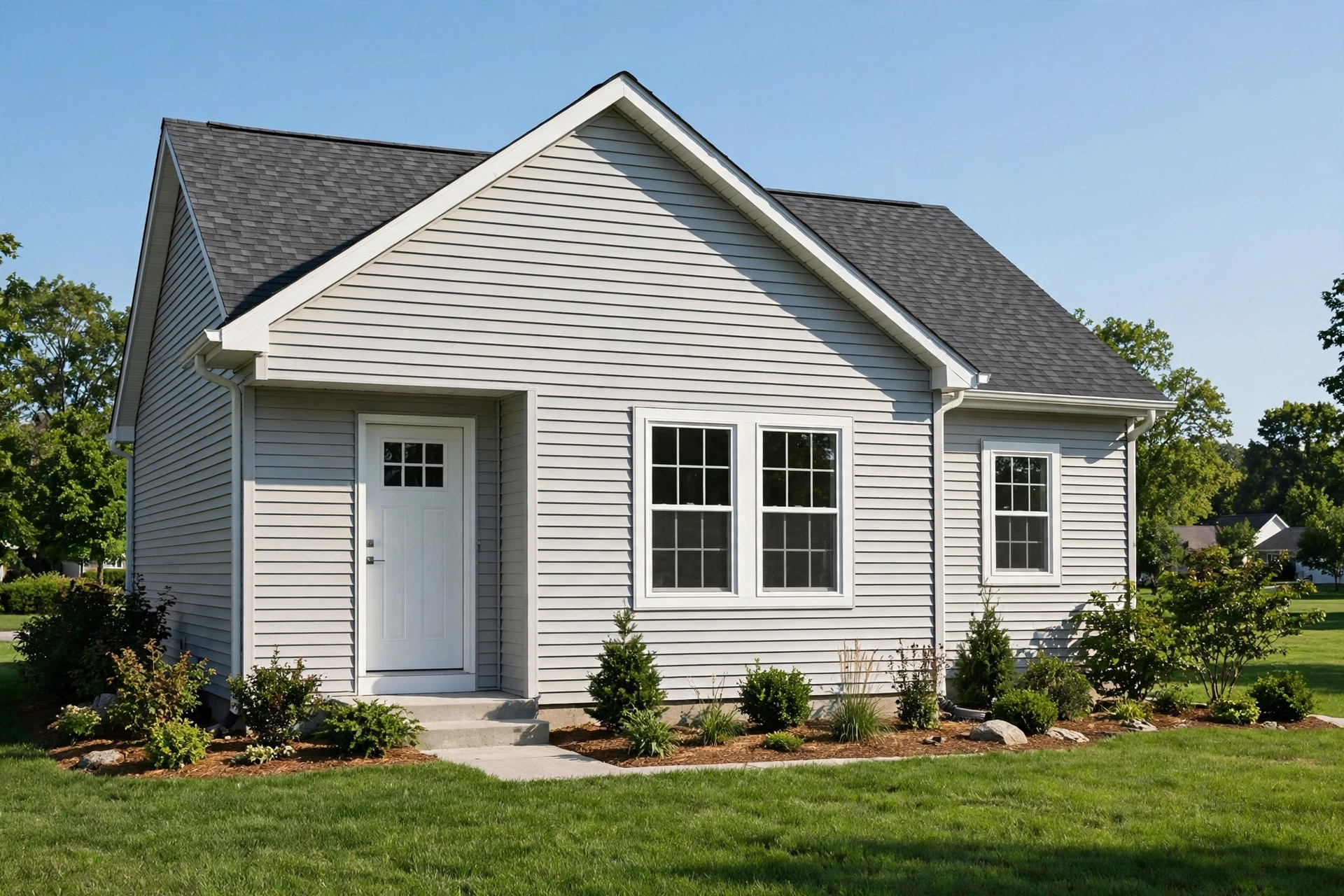

The outside of your house takes the weather every day. Sun, rain, wind, and snow all beat against it, year after year. When the siding grows old, the whole house looks tired, and water can start to get in. That is why so many homeowners look for reliable vinyl siding installation in the USA. A good vinyl siding job can make a house look new again, protect the walls underneath, and keep drafts out. This guide explains, in plain words, what vinyl siding is, how to find a contractor you can trust, what it costs, and how to care for it after the work is done.
Why Vinyl Siding Matters
Vinyl siding is one of the most common wall coverings on American houses. It is made from PVC, a tough plastic, and it comes in long panels that overlap on the wall. Millions of homes carry it, from ranch houses in the Midwest to colonials in the East.
A sound siding job does three things. First, it shields the wall sheathing from rain and wind. Second, it cuts drafts and can improve how the house holds heat. Third, it gives the house its face to the street. Real estate agents often say that clean, straight siding lifts the value of a home more than almost any other single change to the exterior.
Old or bad siding brings real trouble. Loose panels let wind get behind them. Cracked panels let water reach the wood underneath, and wood that stays wet will rot. A rotten spot can grow for years before anyone sees it from the inside. A reliable vinyl siding installation in the USA prevents these problems before they start, because the crew follows the right steps: sound wall preparation, straight nailing, and careful sealing around windows and doors.
Vinyl also asks little of the owner. It never needs paint. A wash with a garden hose once a year keeps most of it looking fresh. For busy families, that ease of care is one of its chief appeals.
How to Choose a Contractor You Can Trust: Reliable Vinyl Siding Installation in the Usa
The quality of the crew matters more than the brand of the siding. Good panels, hung badly, will fail. Average panels, hung well, can serve for decades. Here is how to find dependable vinyl siding installers.
Ask for Local Experience
Siding is local work. A crew that has hung siding in your county for ten years knows how your climate treats a wall. Ask how long the company has worked in your area and whether it does siding as its main trade. A general handyman who does a siding job now and then is not the same as a dedicated siding contractor.
Check References and Past Work
Ask for five addresses where the crew has worked in the last two years. Drive by and look at the walls with your own eyes. Look for straight courses, even gaps, and neat corners. Knock on a door or two and ask how the job went. Home improvement retailers often keep lists of trusted pros, and a site like Home Depot maintains a contractor referral service in many areas. Lowe’s offers a similar program through its stores.
Demand a Written Contract
A reliable contractor writes everything down. The contract should name the siding brand and color, the thickness of the panels, the type of house wrap, the price, the payment schedule, and the start and finish dates. It should state who pulls the building permit. Never pay the full price up front. A common plan is a small deposit, a payment when the material arrives, and the balance when the job is finished and you are satisfied.
Confirm License and Insurance
Most states require contractors to hold a license, and every good crew carries liability insurance and workers’ compensation. Ask to see both. If a worker is hurt on your property and the company has no insurance, the bill can land on you. Consumer safety information on hiring contractors is published by agencies such as the Consumer Product Safety Commission, which also covers safety around home projects.
Watch for Red Flags
Be careful if a contractor knocks on your door after a storm and offers a deal that ends today. Be careful if the price is far below every other bid. Be careful if the company has no street address, only a phone number. Honest crews give free estimates in writing and give you time to think.
Types and Options of Vinyl Siding
Vinyl siding comes in several shapes and grades. Knowing the choices helps you read an estimate with understanding.
Horizontal Lap Siding
This is the common kind. Long panels run flat along the wall, and each row overlaps the one below. It comes in widths from about four inches to eight inches of exposed face. Dutch lap is a style with a groove along the top of each panel, which casts a small shadow line and looks like old wood siding.
Vertical Board and Batten
Vertical panels give a house a tall, formal look. They work well on gable ends and on farmhouse-style homes. Some owners use vertical siding on the whole house and some use it only as an accent over the front door or on a dormer.
Shakes and Scallops
Vinyl shakes copy the look of wood shingles. They suit cottages, bungalows, and homes near the coast. Scallops are shakes with a rounded bottom edge. Both cost more than plain lap siding, and both need a careful hand to lay evenly.
Thickness and Grade
Panel thickness is measured in mils, thousandths of an inch. Builder-grade siding is often 0.040 inches. Mid-grade runs 0.044 to 0.046, and premium panels reach 0.050 or more. Thicker panels resist denting and lie flatter. Ask the contractor to write the thickness in the contract. Product testing groups such as Consumer Reports publish siding ratings that compare brands for wind resistance and color fade.
Insulated Vinyl Siding
Some panels come with rigid foam backing. This foam fills the hollow behind the panel and adds a small amount of insulation to the wall. It also makes the siding feel more solid under the hand. Federal guidance on wall insulation and energy savings is available from the U.S. Department of Energy, which is worth reading before you choose.
Colors and Finishes
Vinyl siding comes in dozens of colors, from white and cream to deep blues and dark reds. Dark colors absorb more heat, so in hot states ask about heat-resistant grades. Wood-grain finishes copy the texture of real boards and look convincing from the street.
Homeowners weighing other exterior projects may also compare notes on reliable exterior house painting services in texas, weather resistant exterior house painting services for homeowners, or even reliable wood siding replacement in texas before they settle on vinyl.
Cost and Price
Cost is the question every homeowner asks first. Vinyl siding is among the least costly siding materials, both to buy and to hang.
Typical Price Ranges
Across the country, full vinyl siding installation often runs from about $6,000 to $16,000 for an average house. Prices are often quoted per square, and a square covers 100 square feet of wall. Installed prices commonly fall between $400 and $1,000 per square, depending on the grade of siding, the size of the house, and local labor rates.
Insulated vinyl siding costs more, often 30 to 50 percent above standard panels. Shakes and scallops also carry a premium because they take longer to hang.
What Drives the Price Up
Several things move a bid higher. A two-story house needs scaffolding, which adds labor. Walls with many windows and doors need more cutting and trim. Old siding that must be torn off adds a day or more of work. Rotten sheathing found under the old siding must be repaired, and that repair costs extra. A house wrap upgrade also adds to the bill.
Getting Fair Bids
Get three written bids from three separate companies. Bids should list the same scope of work so you can compare them line by line. The cheapest bid is not always the best value. A bid that is much lower than the others may mean thin panels, skipped house wrap, or an uninsured crew. Home improvement advice columns at Bob Vila and renovation guides at This Old House both offer checklists for reading contractor bids.
The Installation Process, Step by Step
Knowing the steps helps you watch the work with confidence.
First, the crew strips the old siding if the contract calls for it, or installs over it where the local code allows. Second, they inspect the wall sheathing and replace any soft or rotten boards. Third, they staple house wrap over the walls and tape the seams. House wrap lets water vapor escape while blocking liquid water from the outside.
Fourth, they nail starter strips along the bottom of each wall. Fifth, they hang the panels, starting at the bottom and working up. The nails go in the slots at the top of each panel, and a good crew leaves the nail heads loose by about the thickness of a coin. This slack lets the panel expand and contract with heat. Panels nailed tight will buckle in summer sun. Finally, the crew cuts and fits J-channel around windows and doors, caps the corners, and installs the soffit and fascia under the roof edge.
A good crew finishes an average house in three to five days. Do-it-yourself guides at Family Handyman describe these steps in detail, which is useful even if you hire the work out. For background on materials, The Spruce keeps a large library of siding articles.
Care and Upkeep
Vinyl siding asks for little, but a little care goes far.
Wash the walls once a year with a garden hose and a soft brush. For stubborn dirt, use water with a mild dish soap. Work from the bottom up and rinse from the top down so dirty water does not streak the clean panels below. Avoid pressure washers set to high pressure. A hard spray can drive water behind the panels and crack thin siding.
Check the caulk around windows and doors each spring. Re-caulk any gaps. Trim bushes and tree limbs so they do not rub the walls in the wind. Keep grills and fire pits well away from the wall, because vinyl softens with heat.
After a strong storm, walk around the house and look for loose or missing panels. A single loose panel is easy to snap back into place, and most crews will do it cheaply or free under warranty. Home maintenance sites such as The Spruce offer seasonal checklists that include siding.
Safety
Siding work is construction work, and construction has hazards. If you do any part of the job yourself, wear gloves, eye protection, and sturdy boots. Cut vinyl with a sharp utility knife or a fine-tooth saw blade; dull tools slip. Keep ladders on firm, level ground, and never reach more than an arm’s length to either side.
Lead paint is a real concern on houses built before 1978. If your old siding sits over old painted wood, the paint underneath may contain lead. Federal law requires certified contractors to follow lead-safe work practices on such homes. The Consumer Product Safety Commission publishes guidance on lead paint hazards around the home.
Hired crews should rope off the work area so children and pets stay clear of ladders and falling debris. Ask the foreman about the plan for the first day.
Frequently Asked Questions
How long does vinyl siding last?
A quality installation commonly lasts 20 to 40 years. Thicker panels and mild climates push toward the long end. Panels in harsh sun may fade before they fail, and many brands carry a limited lifetime warranty against manufacturing defects.
Can vinyl siding be installed over old siding?
In many towns, yes. Local building codes usually allow one layer of new siding over one layer of old, as long as the old layer is flat and sound. Going over old siding saves the cost of tear-off, but it hides the wall sheathing, so the crew cannot check for rot. Many contractors prefer to strip the old siding on older homes.
Does vinyl siding increase home value?
Real estate studies often show that new siding returns a large share of its cost at resale, sometimes 70 percent or more. The lift is strongest when the old siding was clearly worn. Clean, modern siding also helps a house sell faster, because buyers judge the whole property by its face.
Will vinyl siding melt or warp in heat?
Standard vinyl can soften near strong heat sources, such as a grill set close to the wall or reflected sun from a neighbor’s windows. It does not melt in normal weather. If you live in a very hot region, ask about heat-distortion-resistant grades, which are tested to higher temperatures.
How do I know if a contractor’s warranty is real?
Get the warranty in writing, both the manufacturer’s warranty on the panels and the contractor’s warranty on the labor. A labor warranty of at least five years is common among established companies. Ask what voids the warranty, and keep your contract and receipts in a safe place. Siding makers such as CertainTeed and fiber cement makers like James Hardie post warranty documents on their sites, which show what a real warranty looks like.
A Final Word
Reliable vinyl siding installation in the USA comes down to three things: a seasoned local crew, the right grade of panel for your climate, and honest paperwork. Take the time to get three bids, read the contract, and check the references. The job will then pay you back for decades in lower upkeep, a drier house, and a face you are proud to come home to.
References
Bob Vila. (n.d.). Home improvement advice. https://www.bobvila.com CertainTeed. (n.d.). Building materials and exterior products. https://www.certainteed.com Consumer Reports. (n.d.). Product reviews and ratings. https://www.consumerreports.org Family Handyman. (n.d.). DIY home repair and maintenance. https://www.familyhandyman.com James Hardie. (n.d.). Fiber cement siding and exterior products. https://www.jameshardie.com Lowe’s. (n.d.). Home improvement products. https://www.lowes.com The Home Depot. (n.d.). Home improvement products. https://www.homedepot.com The Spruce. (n.d.). Home and garden advice. https://www.thespruce.com This Old House. (n.d.). Home renovation guidance. https://www.thisoldhouse.com U.S. Consumer Product Safety Commission. (n.d.). Product safety information. https://www.cpsc.gov U.S. Department of Energy. (n.d.). Energy efficiency and renewable energy. https://www.energy.gov
Was this guide helpful?

About Sarah Mitchell
The My Garden US editorial team writes practical, in-depth home and garden guides for American homeowners — tested advice, no fluff.
You May Also Like

Best Carriage Style Garage Doors for Small Apartments
September 1, 2026 0 views
Best Garage Door Replacement Near Me: A Homeowner Guide
February 19, 2026 0 views
Weather Resistant Composite Decking Materials for Sale
January 17, 2026 0 views