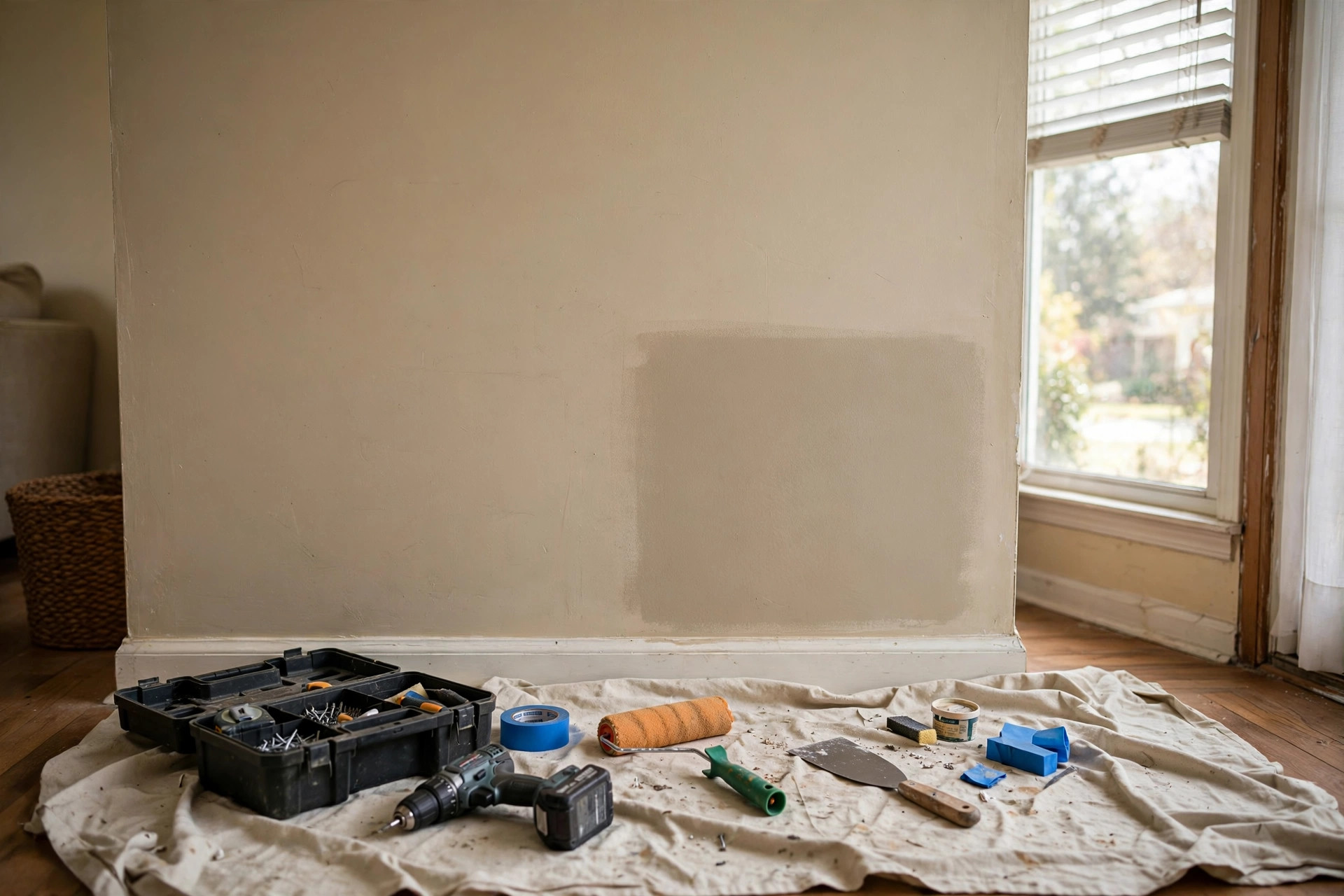

Every house wears down a little each year. Paint peels. Doors stick. Faucets drip. Gutters fill with leaves. A home owner cannot fix everything alone. That is where powerful handyman services for homeowners for homeowners come in. They handle the small and medium jobs that keep a house safe and sound. They fill the gap between a full contractor and a do-it-yourself attempt. This plain guide explains what these services do, how to choose a good one, what they cost, and how to stay safe. Read it before you hire anyone to work on your home.
Why It Matters
A house is like a large machine. It has pipes, wires, wood, glass, and paint. Each part wears out in time. A small leak can rot a floor. A loose stair rail can cause a fall. Peeling paint can let wood rot begin. Small problems grow when they are ignored for months. Powerful handyman services for homeowners for homeowners stop that growth early. A good handyman finds the small problem and fixes it before it becomes a big one.
Many owners put off small repairs. They are busy with work and family. They do not own the right tools. They fear making things worse. A handyman solves all three problems at once. One visit can clear a whole list of small jobs. That saves the owner many weekends and much worry.
There is a money side to this too. Big repairs cost far more than small fixes. A one hundred fifty dollar faucet repair beats a three thousand dollar water damage bill. Fresh caulk around a tub keeps water out of the walls. Tight screws on a deck keep boards from warping. Regular care protects the value of the home. A well kept house also sells faster when the time comes. Buyers trust a house that looks cared for.
A handyman is not a full contractor. Contractors take on big projects like room additions or full rewiring of a house. A handyman handles the middle ground. That middle ground is where most of home life happens. It holds the dripping tap, the squeaky door, the cracked tile, and the clogged gutter.
For safety and comfort, the middle ground matters most. A loose handrail, a dead smoke detector, a wobbly ceiling fan — these are handyman jobs. They are small, but they protect the family inside the house. That is why powerful handyman services for homeowners for homeowners deserve a real place in every home care plan.
How to Choose the Right Service: Powerful Handyman Services for Homeowners for Homeowners
Not every handyman is the same. A careful choice saves money and trouble. Start with clear needs. Write a list of every job you want done. Note which rooms they are in. Take photos of the damage. A clear list helps the handyman give a fair price. It also stops extra charges later.
Ask friends and neighbors who they use. Word of mouth is still the best source. People remember good work and bad work alike. You can also read service ratings on well known sites. HomeAdvisor collects reviews of local pros so you can see how others rated them. Thumbtack lets you compare local pros and read what past customers said. For background learning, Bob Vila offers expert advice on common repairs so you can speak with knowledge when you call.
Check the Basics First
Before you agree to anything, check four basics. First, ask about a business license. Rules differ by state, so check what your state requires. Second, ask for proof of insurance. A good handyman carries general liability insurance. That protects you if something breaks or someone is hurt. Third, ask how long they have worked in the trade. Three or more years of steady work is a good sign. Fourth, ask for two or three past customers you can call. A real professional will give them gladly.
Get the price in writing before work starts. A written quote should list each job, the price, and the parts included. Ask if there is a minimum charge. Many handymen charge for one full hour even if the job takes twenty minutes. That is normal. Ask if travel time is billed. Ask who buys the parts. Some handymen bring standard parts and bill you for them. Others ask you to buy the exact faucet or switch you want. If you are unsure about fixture quality, Consumer Reports publishes product ratings and buying guides that can help you judge the parts a handyman suggests.
Watch for warning signs. Be careful if the price is far below all others. Be careful if the handyman asks for full payment up front. A small deposit is normal, but full payment before work starts is not. Be careful if there is no written quote. Be careful if the phone number changes often or there is no business address. Trust your instincts. A good handyman answers questions in plain words and never rushes you to sign.
Types of Handyman Services
A strong handyman offers many skills. Most handle carpentry, small plumbing fixes, small electrical work, drywall, paint, and general repair. Some add tile work, gutter cleaning, fence repair, and furniture assembly. Ask exactly what they do before you hire. A clear scope avoids surprise.
Common Jobs a Handyman Handles
Drywall repair is one of the most asked for jobs. Holes from door handles, dents from furniture, and cracks from settling are all common. A good handyman patches, sands, and paints so the wall looks new again. Interior and exterior painting is also common. A fresh coat of paint protects wood and lifts the whole look of a room.
Small plumbing fixes come next. Replacing a faucet, fixing a running toilet, swapping a shower head, and re-caulking a tub are all standard jobs. Small electrical jobs include swapping light switches, installing ceiling fans, and changing old outlets. For deeper learning on older homes, This Old House has guides that show how these systems age and what to watch for.
Doors and windows make up another large group. A handyman can fix sticking doors, replace broken locks, adjust hinges, and re-seal drafty windows. Gutter cleaning and small roof fixes keep water away from the house. Deck repair, fence repair, and weatherstripping keep the outside of the home in shape. Furniture assembly, shelf mounting, and TV mounting are popular indoor jobs.
Tile regrout is a quiet but valuable job. Old grout cracks and lets water behind tiles. Fresh grout seals the surface and makes a bathroom look clean again. Family Handyman shares tips from skilled tradespeople that show how these everyday jobs are done right. A well rounded handyman can cover most or all of these in a single visit.
Cost and Price
Prices vary by town and by job. In most of the United States, handymen charge between sixty and one hundred twenty five dollars per hour. Some charge a flat fee for common jobs. A faucet swap might cost one hundred fifty to three hundred dollars with parts. A drywall patch with paint might cost one hundred to two hundred fifty dollars. A ceiling fan install often runs one hundred fifty to three hundred dollars.
Several things move the price up or down. Big cities cost more than small towns. Urgent same day work costs more than work booked a week ahead. Jobs that need two people cost more than one person jobs. Special parts that must be ordered can add days and dollars. Old homes often cost more because nothing is square and every fix takes longer.
Ask for a written quote on jobs above a few hundred dollars. For tiny jobs, an hourly rate with a clear minimum is fine. Never pay the full amount before the work is done. A common plan is one third up front for parts, the rest when the job is finished and you have checked it. Walk through the finished work with the handyman before you pay. Check each item on your list. Open and close every door. Run every faucet. A good handyman welcomes this check.
You can keep costs down with smart timing. Group many small jobs into one visit. The handyman is already at your house, so each extra small job costs less. Book in the slow season if you can. Winter is often slower for exterior work, and some pros offer better rates. Compare at least three quotes for any job above five hundred dollars. And remember related services when planning: a move out cleaning services cost guide usa can help you budget the cleaning side of a move, while a carpet cleaning service companies cost guide usa helps you price floor care alongside repairs.
Care and Upkeep Between Visits
A handyman visit works best when the home gets steady care between visits. Small habits keep small jobs from turning into big ones. Walk through your house once each season and look for trouble. Check under sinks for slow leaks. Look at the ceiling for new water stains. Test every smoke detector and carbon monoxide alarm. Push on stair rails to make sure they are firm.
Clean gutters twice a year, in spring and fall. Clogged gutters send water down the walls and into the foundation. Change the furnace filter every one to three months. A dirty filter makes the system work harder and can shorten its life. Touch up chipped paint soon after you see it. Bare wood soaks up rain and rots fast. Re-caulk around tubs and sinks when the old caulk cracks or peels. Water behind tile is a costly enemy.
Keep a home notebook. Write down the date of each repair, who did it, and what it cost. Note the age of big items like the water heater and the roof. This record helps the handyman plan future work.
For the cleaning side of upkeep, consider pairing repair visits with deep cleaning now and then. Many owners book professional grade deep cleaning service packages for homeowners once or twice a year to keep the whole house fresh. Good Housekeeping offers cleaning and home care advice that fits well with a repair schedule. When you buy cleaners, look for safer options; the EPA lists cleaning products that are safer for your family and the air in your home.
Safety First
Safety is part of every repair. Before the handyman arrives, clear the work area. Move furniture, rugs, and breakables out of the way. Keep pets in another room. Tell the handyman where the main water shutoff and the breaker box are.
Electrical and gas work needs extra care. A handyman can swap a switch or a light, but full rewiring belongs to a licensed electrician. Gas lines belong to a licensed plumber or gas fitter. If you smell gas, leave the house and call your gas company from outside. Never let anyone work on a live panel without proper training and gear.
Ladder safety matters too. Falls from ladders injure thousands of home owners each year. A good handyman sets the ladder on firm, level ground and keeps three points of contact. If the job needs a tall ladder on soft soil, ask how they will make it safe. Keep children away from all work areas. Tools, open panels, and paint are not safe for small hands. For clear step-by-step repair guides you can read before the visit, The Spruce is a solid free resource. And if you like home improvement ideas for your next project list, HGTV offers plenty of inspiration.
After the work is done, ask the handyman to walk you through what changed. Know where new shutoff valves are.
Frequently Asked Questions
What does a handyman usually do? A handyman handles small to medium home repairs and improvements. Common jobs include drywall repair, painting, faucet swaps, toilet fixes, door repair, lock changes, ceiling fan installs, gutter cleaning, caulking, tile regrout, and furniture assembly. Big jobs like room additions, full rewiring, or major plumbing belong to licensed contractors.
How much does a handyman cost per hour? In most of the United States, rates run sixty to one hundred twenty five dollars per hour. Many handymen also offer flat fees for common jobs. Always ask about a minimum charge. Get the price in writing before work starts.
Should I hire a handyman or a contractor? Hire a handyman for small and medium jobs that take a few hours or a day. Hire a licensed contractor for large projects, structural work, full electrical rewiring, or major plumbing. When in doubt, describe the job to both and compare their advice.
Do handymen bring their own tools and parts? Most bring their own hand and power tools. Parts are often billed extra. Some will pick up parts for you and add the cost to the bill. For fixtures you care about, like a special faucet, buy the exact model yourself so you get what you want.
How do I prepare my home for a handyman visit? Clear the work area of furniture and breakables. Keep pets in another room. Make a written list of every job. Take photos of damage. Know where the breaker box and main water shutoff are. Be home or have a trusted adult there during the visit.
A Short Final Word
A home rewards steady care. Powerful handyman services for homeowners for homeowners make that care simple. One skilled visit can fix the drip, the crack, the squeak, and the stain all at once. Choose with care, get prices in writing, and keep up with small upkeep between visits. Your house will stay safe, look good, and hold its value for years to come.
References
Bob Vila. (n.d.). Home improvement advice. https://www.bobvila.com Consumer Reports. (n.d.). Product reviews and ratings. https://www.consumerreports.org Family Handyman. (n.d.). DIY home repair and maintenance. https://www.familyhandyman.com Good Housekeeping. (n.d.). Product reviews and home advice. https://www.goodhousekeeping.com HGTV. (n.d.). Home and garden ideas. https://www.hgtv.com HomeAdvisor. (n.d.). Local home service professionals. https://www.homeadvisor.com The Spruce. (n.d.). Home and garden advice. https://www.thespruce.com This Old House. (n.d.). Home renovation guidance. https://www.thisoldhouse.com Thumbtack. (n.d.). Local service marketplace. https://www.thumbtack.com U.S. Environmental Protection Agency. (n.d.). Protecting human health and the environment. https://www.epa.gov
Was this guide helpful?

About Jennifer Lee
The My Garden US editorial team writes practical, in-depth home and garden guides for American homeowners — tested advice, no fluff.
You May Also Like

Top Rated Pressure Washing Service Companies for Homeowners: A Complete Guide
July 10, 2026 0 views
Dryer Vent Cleaning Services Cost Guide USA
February 1, 2026 0 views
Affordable Pest Control Service Plans Near Me
May 23, 2026 0 views