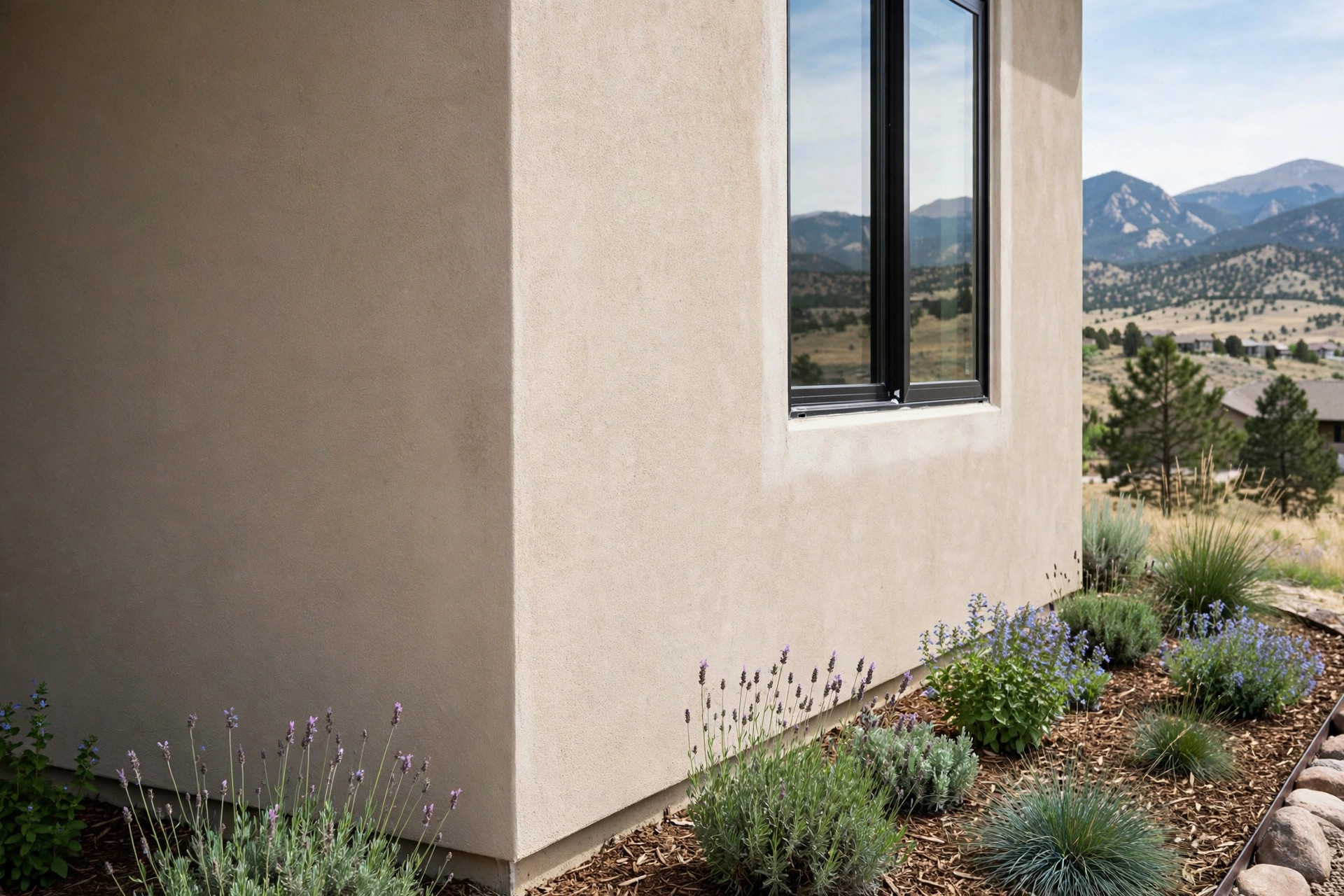

Colorado homes face hard weather. Hot sun in summer. Cold snaps in winter. Sudden hail in spring. For stucco walls, this mix can mean cracks, chips, and water damage. Reliable stucco exterior repair in Colorado is not hard to find, but you must know what to look for. This guide explains common problems, repair methods, costs, and how to choose a contractor you can trust.
Why Stucco Repair Matters in Colorado
Stucco is a popular finish on homes across the Front Range, from Denver to Colorado Springs to Fort Collins. It looks clean and fits the mountain style. But Colorado’s climate is tough on it.
Day and night temperatures can swing by forty degrees or more. Stucco expands and contracts with that swing. Over time, the movement opens cracks. Rain and melting snow enter those cracks. In winter, the water freezes and expands. That makes the cracks wider. This freeze-and-thaw cycle is the main enemy of stucco in this state.
Small cracks may seem harmless. They are not. Water that gets behind stucco can rot the wood frame of the house. It can grow mold inside the walls. Repairing the frame costs far more than fixing the stucco. Timely repair saves money and keeps the home safe.
Good stucco repair also protects your home’s value. Buyers in Colorado notice the outside of a house first. A clean, sound wall tells them the home was cared for. If you plan a premium curb appeal makeover for your Colorado home, sound stucco is a natural starting point. For general exterior upkeep advice, many homeowners turn to resources like This Old House and Family Handyman.
The Cost of Waiting
Many owners put off stucco repair because the damage looks small. This is a mistake. A cracked patch the size of a coin can let water in all winter. By spring, the wall behind it may be soft with rot. What would have been a two-hundred-dollar seal job becomes a two-thousand-dollar rebuild. Contractors see this pattern every year in Denver, Aurora, and Lakewood. Fix early and you fix cheap.
Stucco and Colorado Building Codes
Most Colorado cities require a permit for major stucco work, especially full replacement. A reliable contractor will pull the permit for you. Ask about this before work starts. Unpermitted work can cause trouble when you sell the home. Inspectors in cities like Denver and Colorado Springs check that the new water barrier and flashing meet current code.
Common Stucco Problems in Colorado Homes: Reliable Stucco Exterior Repair in Colorado
Hairline Cracks
Thin cracks are the most common problem. They often appear around windows and doors. They also form along stress points where walls meet. Most hairline cracks are cosmetic at first. Still, they should be sealed before water gets in.
Larger Cracks and Staining
Cracks wider than a sixteenth of an inch are a warning sign. Dark stains below a crack mean water is entering. Rust stains can mean metal parts inside the wall are failing. These need a professional to inspect.
Delamination and Bulging
Stucco should sit flat against the wall. If a section feels hollow or looks bulged, the bond has failed. This is called delamination. It often follows long-term water exposure. A bulged section can fall off in pieces.
Efflorescence
White powder on stucco is called efflorescence. It is salt left behind by water moving through the wall. It tells you that moisture is traveling where it should not. A contractor should find the water source.
Hail Damage
Colorado’s spring storms bring hail that chips and dents stucco. Chips may look small. Each chip is a path for water. After a hailstorm, walk around the house and check the walls. Look closely at the side that faced the wind.
The Spruce offers clear photo guides to home exteriors that help homeowners spot damage early.
How to Choose a Reliable Contractor
Choosing the right contractor is the heart of reliable stucco exterior repair in Colorado. A poor job fails within a year or two. A good job lasts decades. Follow these steps.
Check Licensing and Insurance
Colorado does not license general contractors at the state level. Cities and counties do. Ask for the contractor’s local license. Ask for proof of liability insurance and workers’ compensation. A serious contractor provides both without delay.
Look for Stucco Experience, Not General Work Only
Stucco is a craft. A painter or handyman may offer stucco work, but mixing and matching old stucco takes real skill. Ask how many stucco jobs the company does each year. Ask to see photos of recent work on homes like yours.
Ask About Materials
Reliable contractors name their materials. They will tell you which mix, mesh, and sealant they use. Stucco for Colorado should handle freeze and thaw. Ask how they will match the color and texture of your existing wall. A test patch in a hidden spot is a good sign.
Get Everything in Writing
The contract should state the scope of work, the price, the start and finish dates, and the warranty. A one-year workmanship warranty is common. Better contractors offer two or more years. Never pay the full amount up front. A deposit of ten to thirty percent is normal.
Read Local Reviews
Look for reviews from Colorado homeowners. Ask neighbors for names. Local word of mouth is strong in this trade. If a company has done many homes in your town, it is easier to check their work. Before you compare bids, it can help to read about top rated paver walkway installation reviews as well, since the same habits of checking reviews apply across exterior work. Large retailers like Home Depot and Lowe’s also publish buying guides that explain what questions to ask any exterior contractor.
Beware of Red Flags
Be careful with door-to-door offers after a storm. Be careful with bids that are far lower than all others. Be careful with anyone who asks for cash only. These are common signs of poor or dishonest work.
Types of Stucco Repair Work
Crack Filling and Sealing
Hairline cracks get a flexible sealant made for stucco. The crack is cleaned first, then filled. This is quick and affordable. It works best when the wall is dry and the cause is minor movement.
Patch Repair
Damaged sections are cut out back to solid stucco. A patch of new stucco is built up in layers over metal lath. The texture is shaped to match the old wall. Patch repair suits areas from a few square feet up to whole wall sections.
Re-dashing or Re-surfacing
Some walls are too worn for patches. A new finish coat can be applied over the whole wall. This is called re-dashing. It gives a uniform look and fresh protection. It costs less than full replacement.
Full Stucco Replacement
When water has damaged the wall behind the stucco, a full tear-off is needed. The old stucco comes down. The barrier, flashing, and lath are rebuilt. Then new stucco goes up. This is the most expensive option. It is the right one when the wall structure is at risk.
Some homeowners compare stucco with other siding types when a full replacement is needed. Makers like James Hardie and CertainTeed publish clear material comparisons, and Bob Vila covers the pros and cons of each siding style in plain terms.
Cost and Price of Stucco Repair in Colorado
Costs vary by city, wall height, and the extent of damage. These ranges are typical for Colorado in recent years.
– Small crack sealing: a few hundred dollars. – Patch repairs: roughly five to twenty dollars per square foot. – Re-dash of a wall or whole house: several thousand dollars, depending on size. – Full stucco replacement: fifteen to thirty-five dollars per square foot or more.
Get at least three written bids. The bids should describe the same work. If one bid is much lower, it may skip needed steps, such as proper flashing or curing time. Ask each contractor to break out labor and materials.
Your home’s drainage matters as much as the wall itself. Poor gutters let water run down the stucco, which speeds damage. A seamless gutter guards price comparison is a useful side project for any Colorado homeowner planning exterior repairs.
Care and Upkeep After Repair
New stucco needs gentle care in the first weeks. Do not pressure wash it hard. Let it cure as the contractor directs. After that, follow a simple routine.
– Wash walls yearly with a garden hose to remove dust. – Check caulk around windows and doors each spring. – Keep sprinklers from hitting the walls day after day. – Trim bushes back so air can move around the lower walls. – Seal new hairline cracks as soon as you see them. – Repaint stucco with a breathable masonry paint when the color fades, usually every five to ten years.
Breathable paint matters. Stucco must let small amounts of moisture escape. A non-breathable coating traps water inside and causes blisters.
Seasonal Checklist for Colorado Stucco
Spring is the best time to inspect. Winter freeze and thaw open new cracks. Walk the full perimeter of the house with a notepad. Mark every crack with a piece of tape. Note stains under windows and at the base of walls. Summer is the best time for repairs, when warm dry days help stucco cure. In fall, clear gutters and downspouts so winter rain and meltwater flow away from the walls. A quick fall check of caulk joints saves spring repairs.
Safety Notes
Stucco dust contains silica. Do not grind or sand old stucco without a proper respirator. Workers should follow standard dust-control rules. Old homes may also have lead paint under or over the stucco. A contractor should test before disturbing painted surfaces.
Working at height is another risk. Two-story walls need proper scaffolding or lifts. Do not let anyone work off a ladder alone on a high wall. Keep children and pets away from the work area during tear-off.
For official guidance on safe work practices around the home, the Home Depot project guides and Family Handyman safety articles are solid starting points.
Frequently Asked Questions
How long does a stucco repair take?
A small patch can be done in a day. Larger repairs take three to seven days. Full replacement can take two to four weeks. Weather can extend the schedule, since stucco should not be applied in freezing temperatures or heavy rain.
Can I repair stucco myself?
You can seal small hairline cracks with a stucco sealant from a hardware store. Larger patches are harder. Matching texture and color takes practice. For cracks wider than a sixteenth of an inch, or for any sign of water damage, call a professional.
How long should a stucco repair last?
A well-done repair should last as long as the surrounding wall, often twenty years or more. Poor repairs can fail in one or two winters. The contractor’s skill and the curing conditions decide the outcome.
What is the best time of year for stucco work in Colorado?
Late spring through early fall is best. Stucco needs moderate temperatures to cure. Avoid work when night temperatures fall below freezing. Summer heat is fine if the wall is shaded or misted during curing.
Will new stucco match my old stucco exactly?
A skilled contractor can match texture closely. Color is harder. Old stucco fades with sun and age. A small test patch helps set expectations. Painting the whole wall after repair gives the most even look.
Does homeowner’s insurance cover stucco repair?
Insurance usually covers sudden damage, such as hail. It rarely covers wear from age or poor maintenance. Read your policy and talk to your agent before filing a claim.
A Final Word
Stucco is a strong and handsome finish, but Colorado weather tests it every year. Watch for cracks. Act on stains and bulges early. Choose a contractor with real stucco experience, written contracts, and local references. A careful repair today keeps water out of your walls and money in your pocket tomorrow. Reliable stucco exterior repair in Colorado starts with an informed homeowner, and you now have the basics to be one.
References
Bob Vila. (n.d.). Home improvement advice. https://www.bobvila.com CertainTeed. (n.d.). Building materials and exterior products. https://www.certainteed.com Family Handyman. (n.d.). DIY home repair and maintenance. https://www.familyhandyman.com James Hardie. (n.d.). Fiber cement siding and exterior products. https://www.jameshardie.com Lowe’s. (n.d.). Home improvement products. https://www.lowes.com The Home Depot. (n.d.). Home improvement products. https://www.homedepot.com The Spruce. (n.d.). Home and garden advice. https://www.thespruce.com This Old House. (n.d.). Home renovation guidance. https://www.thisoldhouse.com
Was this guide helpful?

About David Wilson
The My Garden US editorial team writes practical, in-depth home and garden guides for American homeowners — tested advice, no fluff.
You May Also Like
Foundation Crack Repair Cost Guide USA: What Homeowners Should Know
January 29, 2026 0 views
Top Rated Basement Waterproofing Services Reviews: How to Read Them and Choose with Care
August 19, 2026 0 views
Best Concrete Driveway Resurfacing Near Me: A Plain Guide for Homeowners
February 3, 2026 0 views