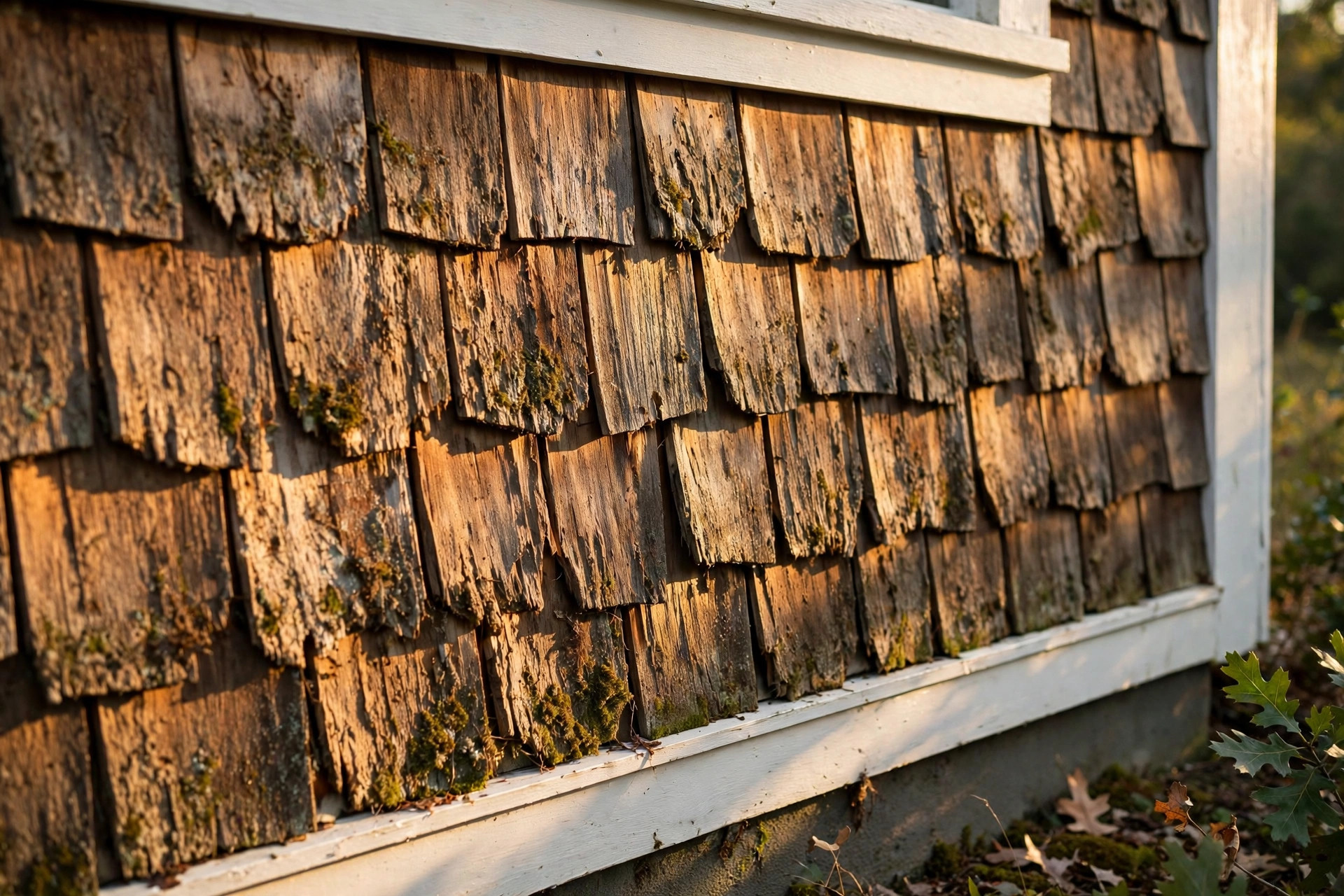

Few materials change the face of a house the way cedar shake does. The rough texture, the deep grain, and the warm brown tone give a home a sense of age and craft. Many owners in the southern states love this look. But the South is hard on wood. Heat sits on walls for months. Humidity feeds mold. Storms drive rain into every seam. Termites stay active all year. So picking the best cedar shake siding for southern states takes more than a good eye. It takes a clear plan. This guide walks through what to look for, what it costs, and how to keep it sound in southern weather.
Why Cedar Shake Siding Matters in the South
Cedar is a softwood with natural oils. These oils resist rot and insects better than many other woods. That is a real asset in the South, where damp air and long summers test every exterior material. A cedar shake wall also breathes. It moves with small shifts in heat and moisture without cracking the way rigid panels can.
There is also the matter of looks. Southern homes run from Lowcountry cottages to ranch houses to lake cabins. Cedar shake fits all of them. It pairs well with brick, stone, and stucco. It ages into a silver-gray tone that many owners find fine and dignified. Left alone, the color will shift over several years. Sealed or stained, it can hold its warm brown tone for much longer.
But honesty matters here. Cedar shake in the South needs more care than fiber cement or vinyl. If you want a wall you can forget about, cedar may not be your choice. Products from makers such as James Hardie and CertainTeed offer shake-look panels with less upkeep. Yet for owners who value real wood, nothing else gives quite the same face to a house.
What to Look for When You Choose: Best Cedar Shake Siding for Southern States
Not all cedar shake is cut equal. The details below decide how long your siding lasts.
Grade of the Wood
Cedar shakes are graded by how clear the wood is. The top grade is free of knots and flat grain. It splits clean and lies flat on the wall. Lower grades carry knots and wavy grain. They cost less, but they do not last as long in harsh sun and rain.
In the South, buy the highest grade you can afford. Number one grade blue label shakes are the common top choice for walls. Ask the dealer for the grade stamp. The Cedar Shake and Shingle Bureau sets the grading rules and publishes them for buyers.
Thickness and Exposure
Shakes come in different thicknesses. Heavy shakes, often called three-quarter inch or heavy wall, stand up better to southern storms. Thicker wood holds fasteners well and resists splitting at the nail line.
Exposure is the amount of each shake left showing. A smaller exposure means more overlap. More overlap means better rain defense. For southern homes, an exposure of seven and a half inches or less is common for standard shakes. Follow the maker and the bureau guides for the exact number.
Treatment
Southern states bring mold, mildew, algae, and wood-boring insects. The best cedar shake siding for southern states is often pressure treated or factory coated before it reaches the wall. Treatment with a preservative fights decay and termites. A factory stain or sealer keeps water out from day one.
Look for products rated for exterior use in high-humidity zones. Treated shakes cost more up front. They earn the money back in fewer repairs.
Source and Supply
Buy from a dealer who knows cedar. Big stores such as The Home Depot and Lowe’s carry cedar shake products and treated options in many southern markets. A local lumber yard may offer better grade selection. Check each bundle before you accept it. Throw out any piece that is warped, cracked, or full of knots.
Types of Cedar Shake Siding
Three main forms of cedar shake reach the southern market. Each has its own look and price.
Hand-Split Shakes
Hand-split shakes are riven from the log with tools or wedges. The face is rough and bold. The look is rustic and full of character. These are the thickest and the most costly. They suit cabins, lake houses, and homes with a craftsman style.
Tapersawn Shakes
Tapersawn shakes are cut on both faces with a saw. They are thinner and more even than hand-split shakes. They lie smooth on the wall and give a cleaner line. Many southern owners choose tapersawn shakes for whole-house siding. They cost less than hand-split shakes and are easier to install.
Factory-Stained and Pressure-Treated Shakes
Some shakes arrive pre-stained or pressure treated with preservatives. These cost more per square foot. They save labor on the job site and give even color from the start. In the Gulf states and Florida, where moisture never rests, factory-treated shakes are often the best pick. Guidance from This Old House and the National Association of Home Builders notes that factory finishes tend to last longer than field coats.
Cost and Price
Price varies by region, grade, and treatment. As a rough guide, expect these installed price ranges in the southern states:
– Tapersawn cedar shake siding: about nine to fourteen dollars per square foot, installed. – Hand-split shake siding: about twelve to twenty dollars per square foot, installed. – Factory-stained or pressure-treated shakes: about twelve to eighteen dollars per square foot, installed.
These numbers include labor and trim but not tear-off of old siding. A full-house job on a two-thousand-square-foot wall can run well past twenty thousand dollars. Repairs are cheaper per job but costly per square foot because setup work is the same.
Compare this with alternatives before you commit. Fiber cement and vinyl shake-look products often cost half as much installed. They also need less care. Cedar wins on looks and on resale value in many markets. A quality install also pairs well with a curb appeal makeover and can lift the whole front of a house.
Get three bids from local siding firms. Ask each bidder about grade, treatment, exposure, and the housewrap or rain screen behind the shakes. The cheapest bid is rarely the best value in cedar work.
Care and Upkeep in Southern Weather
Cedar shake siding in the South lasts twenty to thirty years with steady care. Neglect can cut that in half. The plan below keeps walls sound.
Wash the walls once a year. Use a garden hose and a soft brush. Add a mild soap made for wood siding. Wash off pollen, dirt, and salt spray. Never use a pressure washer at high force. It strips fibers and drives water behind the shakes. Step-by-step cleaning advice appears at Bob Vila and Family Handyman.
Fight mold and mildew early. Southern shade grows green fast. If you see dark streaks or green patches, treat them with an oxygen bleach wash. Let it sit, scrub lightly, and rinse well. Keep bushes and shrubs cut back from the wall so air can move.
Recheck the finish every three to five years. Southern sun is brutal. Ultraviolet light breaks down stains and sealers. When water stops beading on the surface, it is time for a new coat. Stain makers publish expected life spans. Note the date of each coat on a card kept inside the garage.
Inspect after every storm season. Walk the walls each spring and fall. Look for lifted, cracked, or missing shakes. Check corners and spots under windows. Water loves those places. Replace damaged shakes fast so rot cannot spread to the sheathing behind them.
Keep wood off the ground. The bottom course of shakes should sit at least six inches above grade. Soil splash feeds decay. Mulch beds near walls should slope away from the house.
Control insects. Termites and carpenter bees love softwood. Keep a termite bond if one is common in your county. Fill old bee holes with wood putty and paint over them to stop reuse.
Safety Notes
Cedar shake siding needs honest safety notes in the South.
Fire comes first. Cedar is wood, and wood burns. In areas near pine woods or dry grass, a wood wall raises fire risk. Some counties limit wood siding near property lines. Check local code before you buy. Class B fire-retardant treated shakes are sold for such zones. Keep gutters clean and trim trees away from the roof line.
Ladders and height come next. Much cedar care happens on a ladder. Use a stable ladder with a spotter. Never lean on the shakes themselves. A fall from eave height can do real harm.
Chemicals need care too. Wood cleaners, bleaches, and stains can burn skin and eyes. Wear gloves, eye cover, and a mask. Work on a calm day so spray does not drift onto plants or into pools.
Finally, dust from cutting cedar can bother lungs. Cut shakes outside. Wear a dust mask. Clean up scraps so children and pets do not pick up splinters.
Frequently Asked Questions
How long does cedar shake siding last in the southern states?
With good care, twenty to thirty years is normal. Treated shakes in a shaded, well-drained spot can last longer. Walls that face full southern sun and never get a new coat may fail in twelve to fifteen years. Yearly washing and a fresh finish every few years are the keys.
Does cedar shake siding hold up to hurricanes?
Cedar shakes are small pieces nailed one by one. They handle wind better than large rigid panels in many cases. Proper nailing matters. Use stainless steel or hot-dipped galvanized nails. Ringshank nails hold best. In coastal zones, ask the installer about local wind ratings and extra fasteners.
Will my cedar shakes turn gray?
Yes, if left unstained. Sun and rain weather cedar to a silver gray in two to five years. Many owners like this aged look. If you want the brown tone to stay, use a stain with UV blockers and recoat on schedule.
Is cedar shake siding good for termite country?
Cedar has natural oils that resist insects, but it is not termite proof. Pressure-treated shakes add a chemical barrier. Keep a termite plan in place regardless. In the Deep South, most smart owners treat cedar like any other wood and inspect it yearly.
Can I install cedar shake siding myself?
A skilled owner can side a small shed or gable with hand tools. A full house is a job for pros. The courses must be straight, the exposure even, and the flashing right. Bad flashing behind cedar is the most common cause of early rot. Pros also work faster and safer at height.
What pairs well with cedar shake on a southern home?
Cedar pairs well with brick, stone, and fiber cement trim. Many owners add warm outdoor light to show off the texture at night; if you plan the wiring, read up on how to buy landscape lighting transformers online in the usa before the electrician arrives. A sealed asphalt driveway also frames a cedar-sided home nicely from the street.
A Short Final Word
The best cedar shake siding for southern states is high-grade, thick, and treated for heat and moisture. It costs more than man-made siding. It asks for yearly care. In return, it gives a house a face that no factory panel can match. Choose well, install it right, and keep up the finish. Your walls will serve you for decades. For more siding comparisons and buying guides, The Spruce keeps a deep library of home exterior advice.
References
Bob Vila. (n.d.). Home improvement advice. https://www.bobvila.com Cedar Shake and Shingle Bureau. (n.d.). Cedar grading and installation standards. https://www.cedarbureau.org CertainTeed. (n.d.). Building materials and exterior products. https://www.certainteed.com Family Handyman. (n.d.). DIY home repair and maintenance. https://www.familyhandyman.com James Hardie. (n.d.). Fiber cement siding and exterior products. https://www.jameshardie.com Lowe’s. (n.d.). Home improvement products. https://www.lowes.com National Association of Home Builders. (n.d.). Residential construction resources. https://www.nahb.org The Home Depot. (n.d.). Home improvement products. https://www.homedepot.com The Spruce. (n.d.). Home and garden advice. https://www.thespruce.com This Old House. (n.d.). Home renovation guidance. https://www.thisoldhouse.com
Was this guide helpful?

About Sarah Mitchell
The My Garden US editorial team writes practical, in-depth home and garden guides for American homeowners — tested advice, no fluff.
You May Also Like
Top Rated Pergola Installation Kits with Free Shipping
August 7, 2026 0 views
Basement Waterproofing Services Cost Guide USA
March 4, 2026 0 views
Top Rated Vinyl Siding Installation Reviews: How to Read Them and Choose Well
March 7, 2026 0 views