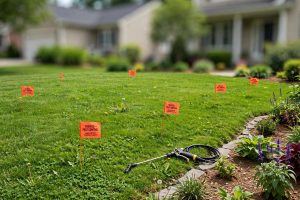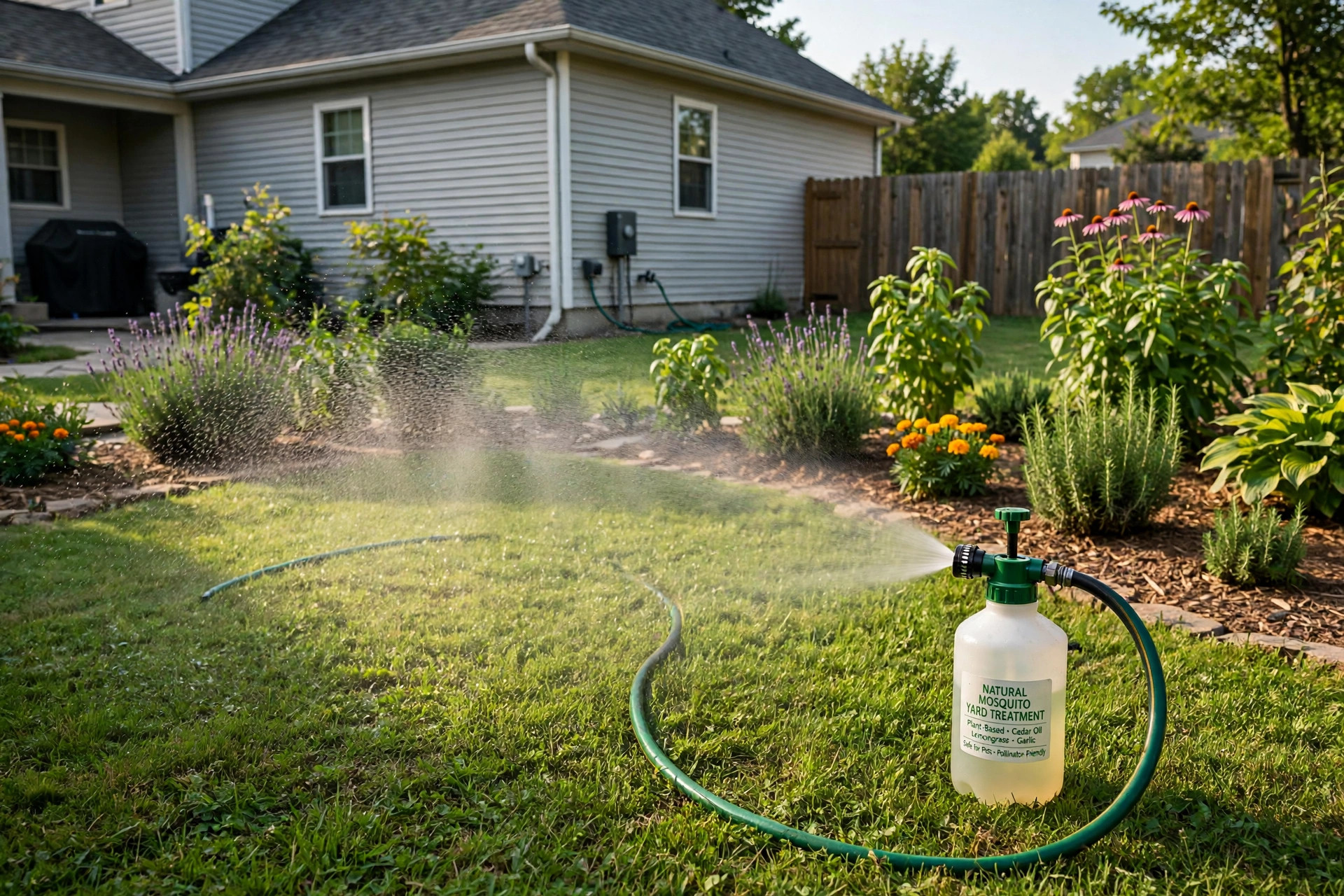

A natural mosquito yard treatment safe pets can trust starts with the yard itself. Most bites happen close to home. Mosquitoes breed in still water and rest in cool, damp shade during the day. If you remove their water and their hiding spots, their numbers fall fast. Then a gentle yard treatment can handle what remains.
Pet owners face a special problem. Dogs and cats spend hours on the grass. They sniff the ground. They lick their paws. Some roll in the dirt. A chemical that is fine for a patio table may not be fine for an animal that eats, drinks, and sleeps on the lawn. That is why many families now look for plant-based and low-toxicity options. The good news is that several such options work well when they are used the right way.
Why It Matters
Mosquitoes are more than a nuisance. They bite dogs and cats too. In dogs, mosquito bites can spread heartworm disease. Heartworm is a serious illness. It can damage the heart and lungs of a dog. In cats, mosquitoes can spread some of the same parasites. A bite itself can also cause red, itchy skin on sensitive animals.
Most chemical yard sprays carry warnings for pets. Labels often say to keep animals off the grass until the spray dries. Some say to wait a full day. Many pet owners do not trust this. They want something they can apply without fear. A natural mosquito yard treatment safe for pets gives them that peace of mind. It lets the family use the whole yard the same day.
There is another reason. Children play where pets play. A yard that is safe for a cat is usually safe for a toddler. When you choose a gentle treatment, you protect the whole household at once.
What to Look for and How to Choose: Natural Mosquito Yard Treatment Safe Pets
Start by reading the label. The law requires every pesticide label to list active ingredients. For a natural product, look for names like garlic extract, lemongrass oil, cedarwood oil, peppermint oil, or geraniol. These come from plants. They repel mosquitoes rather than killing them outright.
Check for the words “minimum risk.” The Environmental Protection Agency keeps a list of minimum-risk pesticides. These products use ingredients that the agency considers safe enough to skip full registration. They still must follow strict labeling rules. This is a good sign, but it is not a guarantee. Read the directions anyway.
Look for a clear statement about pets. Good products say plainly that they are safe for dogs and cats once dry. Be careful with vague words like “natural.” The word has no legal meaning on many labels. Trust the ingredient list, not the marketing.
Consider how it is applied. Hose-end sprayers are easy. You attach them to a garden hose and walk the yard. Granules spread with a hand spreader. Some products come as stakes or discs for standing water. Pick a form you will actually use. The best treatment is the one you repeat on schedule.
Think about yard size. A small bottle covers a small yard. Large lots need concentrates. Measure your yard first. Most product labels state how many square feet one container treats. Match the size to your ground.
Types of Natural Mosquito Yard Treatments
Botanical Yard Sprays
Botanical sprays use plant oils to drive mosquitoes away. Common oils include cedarwood, lemongrass, peppermint, and garlic. They are mixed with water and sprayed on grass, bushes, and fences. They break down fast in sunlight. That is why they are reapplied every two to four weeks. Garden guides at The Spruce explain how plant-based sprays fit into a wider garden care plan.
Yard Granules
Granules are small pellets. You scatter them with a spreader. Water from rain or a sprinkler then activates them. They release repelling oils into the soil and lower grass. Granules last a bit longer than sprays. They are a good choice for yards with heavy brush. Retailers such as Home Depot carry several granular options side by side, so you can compare coverage rates on the shelf.
Mosquito Traps and Fans
Traps use light, heat, or carbon dioxide to draw mosquitoes in. Fans on a patio push air across the seating area. Mosquitoes are weak fliers. A steady breeze makes it hard for them to land and bite. These tools use no chemicals at all. Consumer testing groups like Consumer Reports publish independent ratings of traps and fans each season.
Larval Control
The smartest fight happens before mosquitoes can fly. Products with Bacillus thuringiensis israelensis, called Bti, kill mosquito larvae in water. Bti is a naturally occurring soil bacterium. It harms almost nothing except fly and mosquito larvae. You drop dunks or bits into ponds, rain barrels, and ditches. This method is widely used by cities and is safe around pets, fish, and birds. Mosquito control advice from LawnStarter often starts with finding and treating standing water.
Yard and Landscape Changes
Some of the best work costs nothing. Cut tall grass short. Trim low bushes. Mosquitoes rest in cool, shaded leaves during hot days. Less shade means fewer resting spots. Dump saucers, buckets, and old tires. Clean gutters. Fix leaky spigots. If you have a birdbath, change the water twice a week. These steps cut the mosquito population at its root.
Cost and Price
Natural treatments cost a little more than basic chemical sprays. A ready-to-use botanical spray bottle for a quarter-acre yard usually runs in the mid-teens to low twenties in dollars. Concentrates cost more up front but treat more ground. A concentrate for a full acre may cost thirty to sixty dollars and last a whole season.
Granules fall in the same range. Traps are a bigger buy. A good outdoor trap can cost one hundred to three hundred dollars. Replacement parts and lures add yearly cost. Fans are cheap to run. Most use normal household power.
Professional service is the highest-cost option. Some companies now offer natural-only mosquito programs. They spray every three weeks during mosquito season. Prices run from fifty to one hundred dollars per visit, depending on lot size. Ask the company for a full ingredient list before you sign. Ask how long pets must stay inside.
Timing also shapes cost. Buy concentrates in early spring when garden centers run sales. Stock up on Bti dunks before summer heat drives demand. Keep a simple yard log of what you applied and when. It shows which products earned their keep and which did not.
Care and Upkeep
A natural mosquito yard treatment safe pets enjoy needs steady upkeep. Reapply sprays after heavy rain. Rain washes plant oils off leaves. Most labels say to treat every three to four weeks in peak season. Set a phone reminder so you do not fall behind.
Keep the yard cut. Mow weekly in summer. Bag clippings if the grass is very tall. Tall clippings hold moisture. Check gutters each month. A clogged gutter holds enough water to breed hundreds of mosquitoes.
Walk the yard after storms. Turn over anything that caught water. Toys, tarps, and wheelbarrows are common culprits. If you own a sprinkler system, water early in the morning. Night watering leaves the grass wet for hours. Wet grass is a mosquito hotel. Pet-focused yard guides often pair mosquito control with other gentle treatments; readers compare notes in pet safe lawn weed killer reviews and choose products that stay mild for animals.
Safety Rules for Pets
Even natural products deserve care. Keep pets inside while you spray. Let the yard dry fully before you let them out. Most labels say one to two hours. Drying time matters because wet oil is stronger than dry oil.
Store products out of reach. Dogs chew bottles. Cats knock things off shelves. Lock sprays and granules in a shed or high cabinet. Wash your hands after handling any concentrate.
Watch your animals after the first treatment. Most dogs and cats show no reaction at all. A few may sneeze or drool if they sniff a fresh spray. If an animal vomits or seems dizzy, call your veterinarian. Bring the product label with you. The label lists every ingredient and helps the vet act fast.
Never use dog flea products on cats. Some contain permethrin, which is deadly to cats. This is a common and tragic mistake. It has nothing to do with yard spray, but pet safety articles must repeat it. When readers look for grub killer for lawns safe for dogs, they learn the same lesson: the label, not the promise, decides what is safe.
Frequently Asked Questions
Are botanical mosquito sprays really safe for dogs and cats?
Most are, once dry. Plant oils like cedarwood and lemongrass are low in toxicity to mammals. The risk comes from concentrates and from wet product. Always follow the label. Keep pets off the grass until it dries. If your pet has asthma or skin problems, ask your vet first.
How long does a natural mosquito yard treatment last?
Sprays last two to four weeks. Granules last a little longer. Heavy rain shortens both. Traps and fans work as long as they run. For steady control, treat on a schedule through the whole warm season. One treatment will not carry you through summer.
Do mosquito plants like citronella grass work?
They help a little. Citronella grass and lavender release repelling oils when their leaves are crushed. A garden full of them will not replace a yard spray. They work best as a small extra layer near a patio or door. Plant sellers such as Pennington and Scotts note that no plant alone gives full protection.
Can I make my own natural mosquito spray for the yard?
Many people try. Common recipes mix garlic juice, dish soap, and water. Some add essential oils. Home mixes can work for a few days. The risk is plant burn. Strong oils can scorch grass and flowers. Test any home mix on a small patch first. Commercial products are tested for plant safety, which is why most gardeners prefer them.
Is Bti safe around my fish pond?
Yes. Bti targets mosquito and black fly larvae only. It does not harm fish, frogs, birds, or pets that drink pond water. Public health programs use it in city waterways. It is one of the safest tools in mosquito control.
My yard is full of shade trees. Will natural treatments still work?
Yes, but you must also manage the shade. Mosquitoes love cool, damp spots under trees. Trim low branches so air moves through. Clear fallen leaves. Then treat the ground and lower foliage. If the lot is very wooded, a trap near the seating area adds extra help. Equipment makers like Toro, Greenworks, and Ryobi make trimmers and blowers that keep shaded edges tidy, which takes away resting spots.
A Short Final Word
A natural mosquito yard treatment safe pets can live with is not one product. It is a habit. Clear the water. Cut the grass. Treat on schedule. Add a fan or a trap where the family sits. Each step is small. Together they keep bites down all summer. Your dogs can roll on the grass. Your cats can patrol the flower beds. And you can sit outside in the evening without a cloud of mosquitoes. If you are reworking the whole yard for your animals, weigh the surface itself too — our notes on artificial grass for dogs pros cons can help you decide what belongs under their paws.
References
Scotts. (n.d.). Lawn care products and guides. https://www.scotts.com Pennington. (n.d.). Lawn and garden seed and care. https://www.pennington.com LawnStarter. (n.d.). Lawn care and outdoor services. https://www.lawnstarter.com The Spruce. (n.d.). Home and garden advice. https://www.thespruce.com Home Depot. (n.d.). Product listings for home improvement. https://www.homedepot.com Consumer Reports. (n.d.). Product ratings and reviews. https://www.consumerreports.org Toro. (n.d.). Yard equipment and tools. https://www.toro.com Greenworks. (n.d.). Battery-powered yard tools. https://www.greenworkstools.com Ryobi. (n.d.). Power tools and outdoor equipment. https://www.ryobitools.com
Was this guide helpful?

About Lisa Anderson
The My Garden US editorial team writes practical, in-depth home and garden guides for American homeowners — tested advice, no fluff.
You May Also Like

A Smart Sprinkler Controller for USA Homes: A Complete Guide
January 17, 2026 0 views
Lawn Care Service for Rental Properties: What Every Landlord Should Know
January 27, 2026 0 views
How to Choose the Best Cordless Leaf Vacuum Mulcher
August 28, 2026 0 views