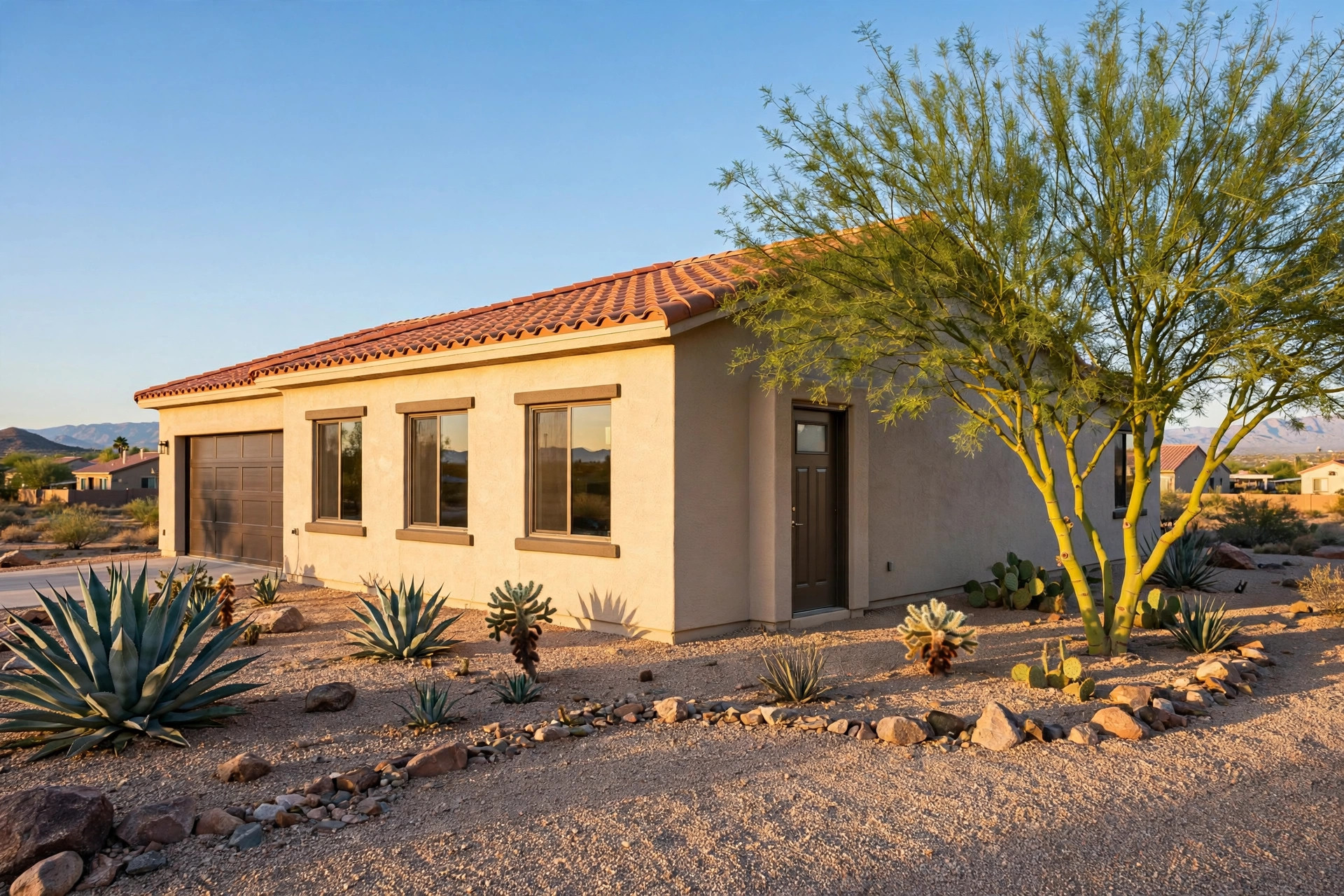

Stucco covers most homes in Arizona. The dry heat, the dust, and the hard sun wear paint down faster than in many other states. When owners ask about the painting stucco house cost in arizona, they usually get a wide range of answers. A full paint job on a single-story home in Phoenix or Tucson often runs from $2.50 to $6.50 per square foot of wall area. A typical 2,000-square-foot house can cost anywhere from $3,000 to $8,500 for a complete exterior job.
That range is broad, and it has reasons behind it. The condition of the stucco matters. The size of the home matters. The brand of paint matters. The season in which the work is done matters too. This guide breaks each part down in plain terms, so a homeowner can plan a budget and hire a painter with clear eyes.
Why Painting Stucco in Arizona Matters
Arizona heat is rough on exterior paint. Daytime heat can push wall surfaces past 150 degrees in July. At night, the temperature falls fast. That daily swing makes stucco expand and shrink. Cheap paint cracks under the strain. Cracks let dust and water in. Water in the wall leads to stains, mold behind the paint, and costly repair.
Good paint on stucco also cuts energy bills. Light colors reflect heat. A white or sand coat keeps a house cooler than a dark one. In a state where the air conditioner runs half the year, the right paint can trim cooling costs by a real amount. Paint companies sell coatings made for hot, dry zones, and Behr and Sherwin-Williams both publish guides on sun-resistant finishes for desert homes.
Curb appeal is the third reason. A fresh coat raises the value of a house. Buyers in Arizona expect clean stucco. Peeling or faded walls turn buyers away before they reach the front door. A well-kept exterior signals that the whole house is cared for.
How to Choose a Stucco Painter: Painting Stucco House Cost in Arizona
Not every painter knows stucco. Stucco is a cement skin. It has tiny pores. It needs special cleaning, patching, and primer before paint goes on. A painter who only does wood siding may skip steps that stucco needs.
Start with license and insurance. Arizona requires painters who charge above a set amount to hold a contractor license. Ask for the license number and check it. Ask for proof of insurance. This protects the homeowner if a worker is hurt or if the house is damaged.
Get at least three written bids. Each bid should list the square footage, the brand and line of paint, the number of coats, and the prep work included. If one bid is far lower than the others, ask why. The low bid may leave out patching, primer, or a second coat.
Ask how the crew handles stucco cracks. Good painters widen small cracks, fill them with elastomeric caulk, and patch damaged spots before they prime. Ask what primer they use. A masonry primer seals the porous surface and helps the top coat hold for years. Guides on sites like The Spruce and HGTV walk homeowners through the right prep sequence.
Check past work in person if possible. Drive by two or three houses the painter finished at least two years ago. Look for fading, peeling, and streaks. Paint that still looks fresh after two Arizona summers tells a clear story.
Types of Paint and Finish Options
Stucco takes paint well when the surface is ready. Most Arizona painters recommend 100 percent acrylic latex paint. It flexes with the wall. It resists the sun. It handles dust storms without wearing down fast.
Acrylic Latex Paint
Acrylic latex is the standard for stucco today. It goes on smooth. It dries fast. It holds color well under strong light. Major paint lines sell versions made for stucco and masonry. Both Benjamin Moore and Sherwin-Williams carry high-build acrylics that fill fine texture and bridge hairline cracks.
Elastomeric Coatings
Elastomeric paint is thicker than standard paint. It stretches as the wall moves. It fills hairline cracks on its own. In Arizona, it is a popular pick for older stucco that already shows cracks. The price is higher per gallon, and it needs more skill to apply, but it adds years to the life of the coating.
Mineral and Lime Washes
Some owners of older or historic homes choose lime wash. It gives a soft, flat look and lets the wall breathe. It does not last as long as acrylic in the desert sun. It is a style choice more than a long-term shield.
Finish Sheen
Flat and matte finishes hide surface flaws best on stucco. Satin and low-luster sheens shed dust a bit better and wipe clean more easily. Most painters in Arizona suggest flat for the main walls and satin for trim and doors. Readers looking at scrubbable paint for dining rooms know that easy-to-clean sheens matter inside too; outside, the sun makes sheen choice just as important.
Color Choice for the Desert
Light colors win in Arizona. Whites, sands, light terracottas, and pale grays reflect heat and fade less. Dark colors absorb heat and break down faster. A dark red can fade in two years. A light beige can hold for ten. Homeowners who love bold colors can use them on a front door or a small accent wall, where a repaint is cheap. Retailers such as The Home Depot and Lowe’s stock color cards built for desert light, and their sites show how colors look in strong sun.
Cost and Price in Arizona
The average cost to paint stucco in Arizona falls between $2.50 and $6.50 per square foot of painted wall surface. Note that this is wall area, not floor area. A 2,000-square-foot home may have 2,500 to 3,000 square feet of wall surface once two stories, eaves, and trim are counted.
What Drives the Price
Prep work is the biggest factor. A home with cracked stucco, water stains, or chalky old paint needs washing, patching, and sometimes re-texturing. Heavy prep can add $1,000 to $3,000 to the job. Power washing alone is standard. If the old paint is loose, scraping and sanding take real labor.
House size and height come next. Two-story homes need scaffolds or lifts. Steep lots and tight yards slow a crew down. All of that adds labor hours.
Paint quality adds to the bill but pays back over time. A gallon of top-line acrylic may cost $55 to $75. A gallon of cheap paint may cost $25. The top-line paint often lasts twice as long. Over ten years, the better paint is the cheaper choice.
The number of coats matters. One coat over a color change looks thin and fades fast. Two coats are the norm for a full repaint. Some elastomeric jobs need two heavy coats, which uses more material.
Season matters in Arizona. Crews prefer spring and fall. Summer work starts at dawn and stops by noon to avoid extreme heat, which slows the job. Some painters discount winter work, when demand drops.
Typical Price Ranges
For a single-story home of about 1,800 square feet, expect $3,000 to $5,500. For a two-story home of about 2,800 square feet, expect $5,000 to $8,500. Homes with heavy repair, detailed trim, or premium elastomeric coatings can run past $10,000. Small jobs, such as one wall or a garage, often start at $600 to $1,200.
DIY Cost
Doing the work yourself cuts labor cost, which is more than half of a professional bid. A homeowner can paint an average home for $800 to $1,800 in paint and supplies. The trade-off is time and risk. Stucco repair is skilled work. Poor prep shows fast in Arizona weather. Many owners split the job: they pay a crew for prep and patching, then roll the top coats themselves. Step-by-step DIY guides on Family Handyman explain the prep sequence in plain detail.
Care and Upkeep After Painting
Fresh paint needs time to cure. Arizona heat helps paint dry fast, but the coating still needs a few days to harden fully. Keep sprinklers from hitting the walls during that time.
Wash the walls once a year. Dust builds up on stucco, and it dulls the color. A garden hose with a soft spray is enough for most years. Every few years, a light pressure wash brings back the fresh look. Keep the pressure low. High pressure can cut into stucco and peel paint.
Check for cracks each spring. Small cracks are normal as a house settles and the seasons change. Seal them early with a paintable masonry caulk. Small cracks left open grow into big ones. Touch up the patched spots with leftover paint from the job. Good painters leave a gallon of each color with the homeowner.
Trim plants away from the walls. Bushes that rub against stucco wear paint off. Keep a few inches of air between plants and the house. Also keep soil and gravel below the paint line. Buried paint wicks moisture and fails early.
For trim and doors, upkeep is simpler. If the owner chose a durable interior-grade paint for doors and trim, like the kinds covered in guides to the best paint for interior doors, exterior trim needs its own check. Exterior trim takes direct sun, so look for chalking and fading every year.
Safety for Homeowners
Paint work brings real hazards. Lead paint is a concern in homes built before 1978. Arizona has many mid-century homes. If the house predates 1978, test for lead before any scraping or sanding. Federal law requires lead-safe practices, and licensed contractors must be certified for lead work.
Ladders are the most common danger. Falls hurt thousands of homeowners each year. Use a ladder rated for the weight it will carry. Set it on firm, level ground. Keep three points of contact at all times. On two-story homes, a scaffold or a lift is safer than a tall ladder.
Heat is the third hazard. Arizona painters work early for a reason. DIY painters should follow the same rule. Drink water often. Take breaks in the shade. Stop work if dizziness sets in. The U.S. Department of Energy’s site at energy.gov covers heat safety for outdoor home projects alongside energy guidance.
Ventilation matters even outside. When painting near windows, open them so fumes do not collect indoors. Keep children and pets away from wet paint and from ladders. For health questions about paint ingredients, independent test results at Consumer Reports rate low-emission paints, and owners who plan interior work later may want to read about low voc interior paint brands before they buy.
Frequently Asked Questions
How long does exterior paint last on stucco in Arizona? A quality acrylic job lasts 7 to 12 years. Cheap paint may fail in 4 to 5. Elastomeric coatings can reach 12 to 15 years. Sun exposure, color, and prep quality decide where a job falls in that range.
What time of year is best to paint a stucco house in Arizona? Spring and fall are best. Temperatures between 50 and 90 degrees let paint cure well. Winter is fine too, and some painters offer lower prices in the slow season. Summer work is possible but slower, with crews starting at dawn.
Does stucco need primer before painting? Yes, in most cases. Bare stucco and patched spots need a masonry primer. Old paint in good shape may take paint without primer, but most professionals prime at least the repairs. Primer adds to the cost and adds years to the job.
Can you paint over old stucco paint? Yes, if the old paint is sound. The crew should wash, scrape loose paint, fill cracks, and spot-prime repairs. If the old paint is peeling across large areas, full removal of loose sections is needed before new paint goes on.
Is elastomeric paint worth the extra cost? For older stucco with many hairline cracks, yes. It costs more per gallon and takes more labor, but it seals small cracks and moves with the wall. On new, sound stucco, standard acrylic latex is usually enough.
How do I know if a bid is fair? Get three bids with the same scope: same paint brand and line, same number of coats, same prep list. Compare the cost per square foot of wall area. Bids that cluster together are honest. An outlier, high or low, deserves questions.
A Final Word
Painting a stucco house in Arizona is one of the smartest home projects a homeowner can fund. The cost is real, but the payoff is real too: a cooler house, a longer wall life, and a home that looks cared for. The key steps never change. Fix the stucco first. Use a masonry primer. Pick a quality acrylic made for the desert sun. Choose light colors. Hire a licensed crew that can show old work that still looks new.
Owners who take the time to get three written bids and check past jobs almost always end up happy. The paint will face ten hard summers. A little care now buys a decade of quiet protection.
References
Behr. (n.d.). Paints, primers, and stains. https://www.behr.com Benjamin Moore. (n.d.). Paints and stains. https://www.benjaminmoore.com Consumer Reports. (n.d.). Product reviews and ratings. https://www.consumerreports.org Family Handyman. (n.d.). DIY home repair and maintenance. https://www.familyhandyman.com HGTV. (n.d.). Home and garden ideas. https://www.hgtv.com Lowe’s. (n.d.). Home improvement products. https://www.lowes.com Sherwin-Williams. (n.d.). Paints and coatings. https://www.sherwin-williams.com The Home Depot. (n.d.). Home improvement products. https://www.homedepot.com The Spruce. (n.d.). Home and garden advice. https://www.thespruce.com U.S. Department of Energy. (n.d.). Energy efficiency and renewable energy. https://www.energy.gov
Was this guide helpful?

About Lisa Anderson
The My Garden US editorial team writes practical, in-depth home and garden guides for American homeowners — tested advice, no fluff.
You May Also Like

Wall Molding Kits for Dining Room Use in American Homes
August 10, 2026 0 views
Best Paint for High Humidity Bathrooms USA: A Plain Guide to Lasting Walls
August 10, 2026 0 views
Best Degreaser Before Painting Cabinets: A USA Buyer’s Guide
May 2, 2026 0 views