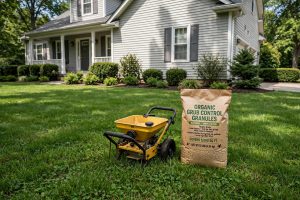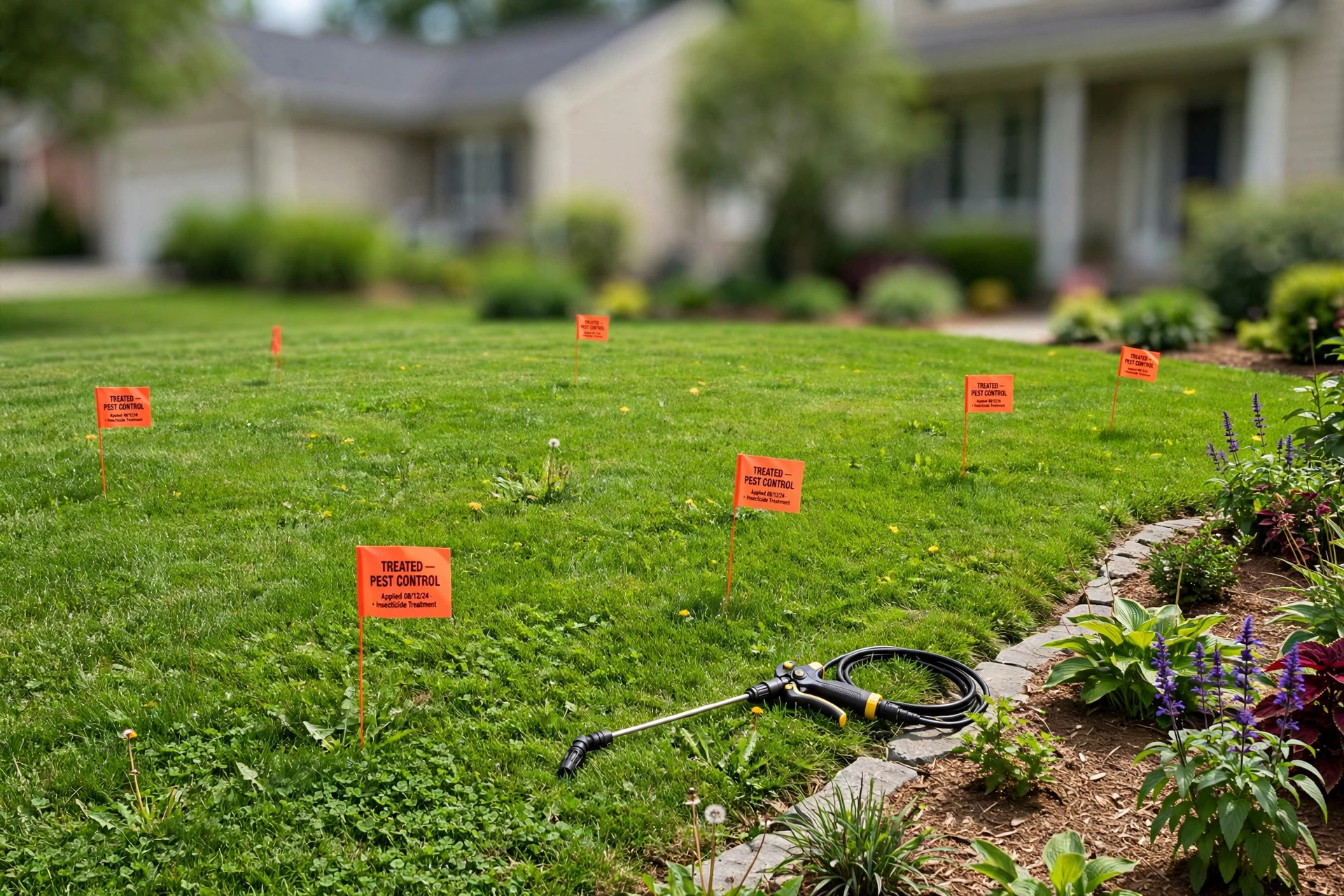

A good lawn takes work, water, and patience. Pests can undo all three in a single season. Grubs chew roots. Chinch bugs dry out patches. Fire ants build mounds that ruin the look and feel of the yard. For many American families, affordable lawn pest control plans USA companies offer are the answer. These plans spread the cost of treatment across the year and send a trained technician to the yard on a set schedule.
The idea is simple. Instead of paying for a full price emergency visit when damage is already done, the homeowner pays a lower monthly or per-visit fee. The plan covers common lawn pests before they cause harm. The question is how to find a plan that is truly affordable and still does the job. This guide explains what these plans include, how to compare them, what they cost, and how to keep the yard safe for children and pets.
Why Lawn Pest Control Matters
Grass is more than decoration. A healthy lawn cools the air around the house, cuts down on dust, and holds soil in place after heavy rain. When pests move in, that all changes. A yard with dead brown patches is not just ugly. It lets weeds take hold. It can even hurt the value of the home when a buyer drives by.
Many pests do their worst work out of sight. Grubs feed on roots in late summer and fall. By the time the grass pulls up in soft rolls like loose carpet, the damage is deep. Chinch bugs are small and hard to see, but whole sections of a southern lawn can turn straw brown in a matter of weeks. Fire ants sting children and pets and make parts of the yard unusable.
An affordable lawn pest control plan catches these problems early. The technician inspects the yard, treats the areas that need it, and comes back on schedule. Homeowners who try to fix pest damage on their own often spend more. They buy the wrong product, apply it at the wrong time, or treat the whole yard when only a small area needs help. A plan removes the guesswork.
What to Look For in a Plan: Affordable Lawn Pest Control Plans Usa
Not all plans are equal. Price alone does not tell the full story. Before signing up, study what the plan covers and how it works.
The Treatment Schedule
Most affordable lawn pest control plans USA firms sell use a seasonal schedule. In northern states, that usually means four to six visits from spring through fall. In southern states like Florida, Texas, and Georgia, plans may run all year. Each visit has a purpose. Spring visits often target crabgrass and early insect activity. Summer visits focus on grubs, chinch bugs, and surface feeders. Fall visits prepare the lawn for winter and stop pests from settling in.
Ask the company for a written schedule. It should list each visit, what will be treated, and which pests are covered. A plan that promises the world but has no clear schedule is a red flag. You want to know exactly when someone is coming and what they will do.
Coverage and Guarantees
Read the fine print. Some plans cover a fixed list of pests, such as grubs, ants, chinch bugs, and armyworms. Others offer broader protection. Make sure the pests you have actually dealt with are on the list. If fire ants are your main problem and the plan excludes them, it is not a bargain.
Also ask about free re-treatment. Many companies promise to come back at no charge if pests return between visits. This guarantee is worth real money. It means the company stands behind its work. Ask how to request a re-treatment and how fast they respond.
Types of Plans and Their Options
Most companies offer a few plan types. The cheapest may not be the best fit, and the most expensive may include services you do not need.
One-time treatments are the simplest option. A technician visits once and treats the current problem. This works well for a sudden ant invasion or a single grub outbreak. But one-time visits cost more per trip, and the problem may return without follow-up.
Seasonal plans are the most common choice. The company visits four to six times a year and treats the lawn on a set calendar. This is usually the most affordable way to get steady protection. The per-visit cost is lower than a one-time call, and the schedule keeps pests from building up.
Year-round plans suit warm climates where pests never truly leave. They cost more in total, but the monthly payment stays small and easy to budget.
Homeowners can choose between national companies and local firms. National brands offer standardized plans and broad guarantees. Local firms often know the regional pests better and may charge less. Both can be good. Compare at least three quotes, including one from a local company, before you decide.
For readers dealing with grubs specifically, a grub killer that is safe for dogs can be a smart add-on to a seasonal plan.
The Cost of Affordable Plans
Price varies by region, yard size, and plan length. Most affordable lawn pest control plans USA homeowners buy fall into a familiar range. A basic seasonal plan for an average yard often runs between twenty-five and sixty dollars per visit. With five visits a year, the yearly total lands between one hundred twenty-five and three hundred dollars. Year-round plans in southern states may run higher, but monthly billing keeps payments under fifty dollars in most cases.
What drives the price? Yard size is the biggest factor. A five-thousand-square-foot lawn costs far less to treat than a half acre. The pest list matters too. A plan that covers only grubs and ants will be cheaper than one that also treats fleas, ticks, and mosquitoes. And companies in high-cost cities often charge more than firms in small towns.
Beware of add-ons that inflate the bill. Some companies push extra services at each visit, such as shrub care or tree treatment. These can be useful, but they should be optional. A truly affordable plan stays close to the quoted price. Ask for the total yearly cost in writing, including any fees for extra visits or materials.
To save money, time your signup well. Many companies offer discounts in early spring to fill their schedules. Neighbors can also band together. Some firms offer group discounts when several homes on the same street sign up at once.
Care and Upkeep Between Visits
A pest control plan works best when the homeowner does the basics too. Strong grass resists pests on its own. Weak, thin grass invites them.
Mow at the right height. Cutting grass too short stresses the roots and leaves bare spots where weeds and pests move in. Most American lawns do best at two and a half to three and a half inches. Taller grass shades the soil and keeps it cool.
Water deeply but not too often. A lawn needs about one inch of water a week, counting rain. Deep watering builds deep roots. Frequent shallow watering creates soft grass that grubs and disease love. Early morning is the best time to water. The sun dries the blades, which cuts down on fungus.
Do not overfeed. Too much fertilizer pushes fast, weak growth that attracts insects. Follow a modest feeding plan matched to your grass type. Gardeners in Texas with warm-season turf, for example, can learn more from a guide to fertilizer for St. Augustine grass before adjusting their routine.
Finally, walk the yard once a month. Look for brown patches, chewed blades, or ant mounds. Catching a small problem early keeps it small. If you spot trouble between scheduled visits, call the company and use the free re-treatment guarantee.
Safety for Children, Pets, and the Environment
Every homeowner wants to know whether lawn treatments are safe. The honest answer is that safety depends on the product, the dose, and the rules the technician follows.
Ask the company which products it uses and whether they are registered with the Environmental Protection Agency. A trustworthy company will hand you a product label on request. The label shows the active ingredient, safety directions, and how long to keep people and pets off the grass after treatment.
Most modern lawn insecticides break down quickly in sunlight and soil. The common rule is to keep children and pets off the lawn until it is dry, usually two to four hours. Some granular products need a watering-in period. Follow the technician’s instructions exactly.
Pet owners have extra reason to be careful. Dogs that chew grass or roll in it get more exposure than a person walking across the yard. Ask for pet-friendly options if your dog spends time on the lawn. Many companies now offer treatments with low toxicity to mammals, and reviews of pet-safe lawn weed killer can help you judge what is on the market.
Environmental care matters too. Keep treatments away from garden beds, ponds, and storm drains. Never let a technician spray on a windy day. Wind carries chemicals where they do not belong. A good company will skip the visit or reschedule if conditions are wrong.
Frequently Asked Questions
How often should a lawn be treated for pests? Most yards need four to six treatments a year in the north and up to eight in the south. The right number depends on your grass type, climate, and pest history. A soil test and a first inspection will tell the company what your yard needs.
Are cheap pest control plans worth it? They can be, if the plan covers your actual pests and includes free re-treatment. A very cheap plan that skips visits or excludes common insects is no bargain. Compare the yearly cost, not just the per-visit price, and read the coverage list.
Will treatments harm my vegetable garden? They should not, if the technician keeps the treatment on the lawn. Ask the company to leave a buffer zone around garden beds, fruit trees, and play areas. Mention your garden when you sign up so it is marked on the service map.
Can I skip the plan and treat the lawn myself? Yes, many homeowners do. Do-it-yourself products are widely sold. But the savings shrink fast if you misjudge the timing or the dose. Store-bought treatments also require storage space and careful handling. A plan trades a little money for expertise and a schedule you do not have to manage.
What happens if pests come back between visits? Most reputable plans include a free re-treatment promise. Call the company, describe the problem, and they will send a technician at no charge. Ask about this policy before you sign. It is one of the best signs of a reliable service.
Do I need a plan if my lawn looks fine? Pest damage often starts below the surface. Grubs, for example, eat roots for weeks before the grass shows stress. A plan is preventive care. Many homeowners who skip it pay more later to repair dead sections and reseed.
A Short Final Word
An affordable lawn pest control plan is not about spending more. It is about spending wisely. Steady, scheduled treatments cost less over a year than panic visits when damage is already done. Compare three or more companies, read the coverage list, and ask for the total yearly price in writing. Then do your part between visits: mow high, water deep, and walk the yard each month. The result is a lawn that looks good, holds up under summer heat, and gives your family a safe place to enjoy the outdoors.
For equipment upkeep between service visits, the care guides from Toro and Deere offer solid advice on mowers and lawn tools, while Briggs & Stratton covers small-engine maintenance that keeps lawn equipment running strong through the season.
References
Toro. (n.d.). Lawn mowers and yard care equipment. https://www.toro.com Deere. (n.d.). Lawn care and agricultural equipment. https://www.deere.com Briggs & Stratton. (n.d.). Small engines and outdoor power. https://www.briggsandstratton.com
Was this guide helpful?

About Emily Rodriguez
The My Garden US editorial team writes practical, in-depth home and garden guides for American homeowners — tested advice, no fluff.
You May Also Like
Best Organic Lawn Care Products in the USA
January 27, 2026 0 views
How to Kill Nutsedge in Lawns: A Plain Guide for Homeowners
January 20, 2026 0 views
Affordable Tree Pruning Service Near Me: How to Find Good Work at a Fair Price
May 24, 2026 0 views