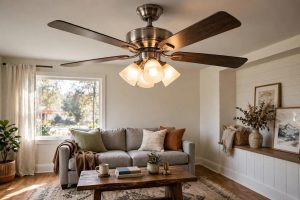

Many shoppers ask the same plain question: indoor wall sconces where to buy usa. The answer is not one store. It is a wide market. Wall sconces sell at home improvement chains, lighting specialty shops, furniture stores, and large online marketplaces. This guide walks through the best places to shop, what to look for, and how much you should expect to pay. It also covers styles, installation, safety, and care. By the end, you will know exactly where to look and how to pick a sconce that fits your room and your budget.
Why Wall Sconces Matter
A wall sconce is a light fixed to a wall. It shines up, down, or in both directions. Homeowners use sconces in hallways, beside beds, over fireplaces, and next to bathroom mirrors. Sconces do not take floor or table space. That makes them useful in narrow halls and small rooms.
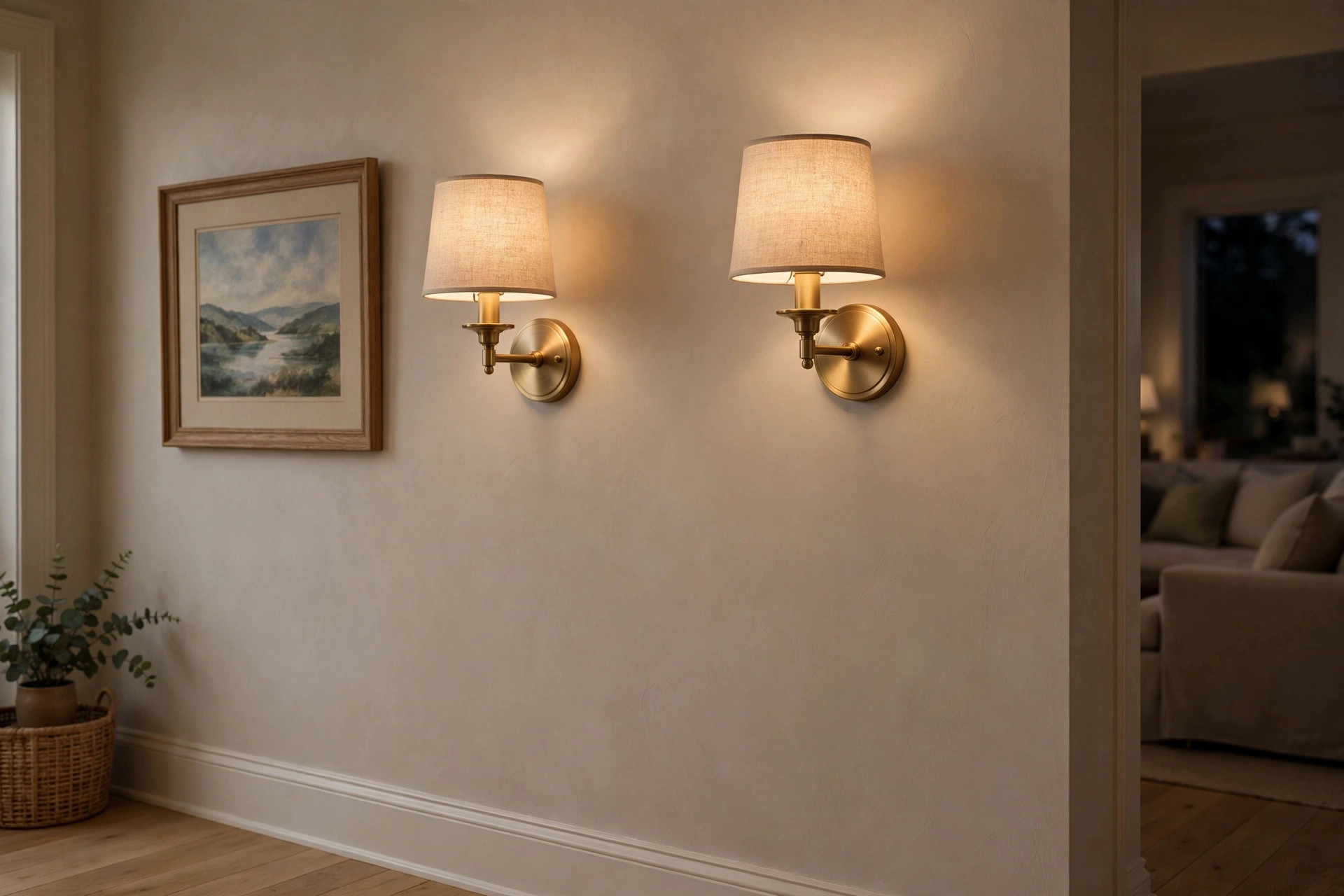
Light from a sconce is gentle. It washes the wall with a soft glow. This adds warmth that a single ceiling light cannot give. Many designers place sconces in pairs. Two sconces on either side of a mirror or a door create balance. One sconce beside a reading chair can serve as a task light.
Sconces also add style. They come in brass, black, bronze, nickel, and painted finishes. Some look modern. Others look like they came from an old hotel. A good sconce works as both a light and a piece of wall decor. For these reasons, wall sconces remain a steady choice in American homes year after year.
Where to Buy Indoor Wall Sconces in the USA: Indoor Wall Sconces Where to Buy Usa
The American market offers many choices. Below are the main kinds of stores. Each has its own strengths.
Large home improvement stores
Home Depot and Lowes carry wall sconces in store and online. You can see many models on the shelf. You can also order online and pick up at a local store. Prices run from low to mid range. These stores are a good first stop when you want to compare sizes and finishes in person. The Home Depot lighting section lists hundreds of indoor sconces with buyer reviews. The Lowes lighting department offers a similar range with frequent sale prices.
Lighting specialty shops
Stores that sell only lighting often have better quality and more design choices. Lumens is one well known name. Their site shows high end and mid range sconces from many brands. The Lumens website is a good place to study style ideas. Lamps Plus is another large specialty chain with stores in several states and a big online catalog. Shopping at a specialty shop helps when you want advice from staff who know lighting well.
Furniture and home decor retailers
IKEA sells simple, low cost wall lamps that work as sconces. The styles are modern and plain. Prices are among the lowest in the market. You can browse the range at IKEA and check stock at your nearest store. Wayfair is a large online marketplace with thousands of wall sconce listings. Prices and styles vary widely. Buyer photos and reviews help you judge real quality. Visit Wayfair to compare many brands side by side. West Elm sells more design focused sconces with clean lines. Their lights cost more than IKEA, but the designs feel current. See the collection at West Elm.
Buyer guides and design sources
Before you buy, it helps to read a few guides. The Spruce publishes clear how to articles on home lighting. The Spruce lighting guides explain terms like lumens and color temperature in plain language. HGTV offers design ideas for placing sconces in real rooms. The HGTV site shows photos that can spark ideas for your own home. Consumer Reports tests lighting products and rates brands on quality. Their findings at Consumer Reports can help you avoid weak brands.
If you also plan other lighting work, you may like our guides on under cabinet strips reviews buying guide usa and motion flood lights where to buy usa.
What to Look for When You Shop
Style and finish
Pick a finish that matches your room. Brushed brass and warm gold tones suit traditional rooms. Matte black fits modern and farmhouse rooms. Polished nickel works in bathrooms and kitchens. Look at the room as a whole. The sconce should match the door handles, faucets, and other metal items. If you mix too many finishes, the room can look busy.
Size and placement
Measure the wall before you shop. A small sconce can look lost on a wide empty wall. A large sconce can crowd a narrow hall. As a rule, sconces sit about 60 inches from the floor to the center of the fixture. Beside a mirror, place them 28 to 30 inches apart. In a hallway, space them six to eight feet apart. Always hold the fixture against the wall or mark the spot with tape before you buy. Photos of landscape spot lights for sale usa show a different kind of light, but the same rule applies: measure first.
Bulbs and light output
Check what bulb the sconce uses. Many sconces now use built in LED modules. These last a long time and use little power. Others take standard bulbs like E26 or G9. Standard bulbs are easy to replace. Built in LEDs last longer but must be serviced by the maker. Look at the lumen number on the box. A sconce of 400 to 800 lumens gives soft accent light. For reading, you may want 800 lumens or more. Color temperature matters too. A warm 2700K gives a cozy glow. A 3000K bulb feels neutral. Stay away from 5000K for living areas, since that light looks cold and harsh. The U.S. Department of Energy offers plain guides on bulb terms. ENERGY STAR lists certified lighting products that save energy. Philips also publishes useful bulb facts at Philips.
Types of Indoor Wall Sconces
Candle style sconces
These look like old wall candles. They have small arms and candle shaped covers. They suit traditional and colonial rooms. Many use one or two bulbs. They give a soft, old world feel.
Drum and shade sconces
A fabric shade sits on a metal frame. Light glows through the shade and looks soft. These work well in bedrooms and living rooms. They dim nicely with a dimmer switch. Pick a shade color that matches your drapes or bedding.
Up and down sconces
Light shines from both the top and bottom of the fixture. They make strong beams on the wall above and below. These look modern. They suit hallways, stairs, and entry walls. Many use LED modules.
Plug in sconces
These do not need hard wiring. You plug them into a wall outlet. They are a good choice for renters. The cord hangs down, so pick a model with a fabric cord cover for a cleaner look. Many plug in models now come with dimmer switches on the cord.
Swing arm sconces
The arm moves. You can pull the light toward you for reading, then push it back. These work beside beds and over desks. Look for a model that holds its place well. Cheap arms can droop over time.
Picture and art lights
These are narrow sconces that sit above a painting or photo. They wash the art with light. Many run on batteries now, so no wiring is needed. They add a gallery feel to a hallway or study.
Cost and Price
Indoor wall sconces cover a wide price range. At IKEA and discount stores, basic models sell for about ten to thirty dollars. Mid range sconces at Home Depot, Lowes, and Wayfair run from thirty to one hundred dollars. These often have better metal and glass. High end models from Lumens and West Elm run from one hundred to four hundred dollars or more. Designer brands can cost more.
Price does not always mean quality. A well made mid range sconce can last for decades. Check the weight. Heavier fixtures often use real metal instead of thin plastic. Read buyer reviews for notes on the finish. A cheap finish can flake in a year. Also check the warranty. Many lighting makers offer a one to three year warranty. If you buy in pairs, ask about bundle pricing. Some stores cut the price when you buy two or four.
Bulb costs matter too. Built in LED sconces cost more up front but use little power. Standard bulb sconces cost less but need new bulbs over time. LED bulbs now sell for a few dollars each and last many years. Over the life of the fixture, the difference is small.
Installation and Safety
Wiring
Most indoor wall sconces wire into an electrical box in the wall. If your wall already has a box with power, the job is simple. Turn off the power at the breaker. Connect the wires with wire nuts: black to black, white to white, ground to ground. Mount the fixture to the box. If you are not sure about any step, hire a licensed electrician. Bad wiring can cause a fire. The cost of an electrician for one or two sconces is modest and worth the peace of mind.
Placement rules
Keep sconces away from water spray. In a bathroom, fixtures near a shower or tub must be rated for damp or wet spots. Check the label on the box. Most living areas need no special rating. Do not place a sconce where a door can hit it. Keep them out of reach of small children where possible. Mount them high enough that no one will brush against a hot bulb. LED models run cool and are safer in tight spots.
Dimmer switches
A dimmer lets you set the mood. Make sure the sconce and the bulbs work with your dimmer. LED bulbs need an LED rated dimmer. Old dimmers can make LED bulbs flicker or buzz. When in doubt, buy the dimmer and bulbs from the same maker. Many makers list tested dimmers on their sites.
Care and Upkeep
Dust your sconces once a month. A soft dry cloth works for most finishes. For glass shades, use a damp cloth and dry at once. Do not spray cleaner straight onto the fixture. Spray it on the cloth first. Water can get into the socket and cause harm.
Check the screws once a year. Heat and time can loosen the mount. If the fixture wobbles, tighten the mounting screws with the power off. Replace burned out bulbs at once. A dead bulb in one sconce of a pair looks sloppy. For built in LED models, keep the receipt. If the module fails under warranty, the maker will replace the whole fixture.
Frequently Asked Questions
How high should I hang indoor wall sconces?
Hang them so the center of the fixture sits about 60 inches from the floor. This is eye level for most adults. Beside a bed, mount them a few inches above the pillow top so the light falls on the reading area.
Can I install a wall sconce if I have no wiring?
Yes. Choose a plug in sconce or a battery model. Plug in models need an outlet nearby. Battery models work anywhere but need new batteries every few months. Both are good for renters who cannot change wiring.
Do wall sconces use a lot of power?
No. Most use one or two bulbs of low wattage. LED sconces use under ten watts each. Running a pair of LED sconces for an evening costs only pennies in power.
What is the best bulb color for wall sconces?
Warm white at 2700K is the most loved choice for living rooms and bedrooms. It gives a cozy glow. Use 3000K in kitchens and baths for a cleaner look. Avoid cool daylight bulbs in rest areas.
How many sconces do I need in a hallway?
For a long hall, space them six to eight feet apart. A short hall needs only one pair or even one sconce at the far end. Let the length of the wall guide you. Mark the spots with painter tape and step back to look before you drill.
Are expensive wall sconces worth it?
It depends. Mid range sconces from known stores give the best value for most homes. High end models make sense when the fixture is a focal point, such as over a fireplace. For a rental or a guest room, low cost models do fine.
A Final Word
The search for indoor wall sconces where to buy usa ends with a simple plan. Start at a big store like Home Depot or Lowes to see styles in person. Check IKEA for low prices and Wayfair for wide choice. Look at Lumens and West Elm when you want better design. Read a few guides at the Spruce and HGTV. Measure your wall, pick a warm bulb, and match the finish to your room. A pair of well chosen sconces can change the feel of a hallway, a bedroom, or a bath for years to come.
References
Consumer Reports. (n.d.). Product reviews and ratings. https://www.consumerreports.org ENERGY STAR. (n.d.). Energy efficient products. https://www.energystar.gov HGTV. (n.d.). Home and garden ideas. https://www.hgtv.com IKEA. (n.d.). Home furnishings. https://www.ikea.com Lowe’s. (n.d.). Home improvement products. https://www.lowes.com Lumens. (n.d.). Lighting and ceiling fans. https://www.lumens.com Philips. (n.d.). Lighting products. https://www.philips.com The Home Depot. (n.d.). Home improvement products. https://www.homedepot.com The Spruce. (n.d.). Home and garden advice. https://www.thespruce.com U.S. Department of Energy. (n.d.). Energy efficiency and renewable energy. https://www.energy.gov Wayfair. (n.d.). Furniture and home goods. https://www.wayfair.com West Elm. (n.d.). Modern furniture and home decor. https://www.westelm.com
Was this guide helpful?

About James Carter
The My Garden US editorial team writes practical, in-depth home and garden guides for American homeowners — tested advice, no fluff.
You May Also Like
Deck Cap Lights Reviews: A USA Buying Guide
September 16, 2026 0 views
A Practical Guide to Sensor Porch Lights for American Homes
August 2, 2026 0 views
Sensor Porch Lights Texas Homes USA: A Practical Guide to Motion and Dusk-to-Dawn Porch Lighting
June 1, 2026 0 views