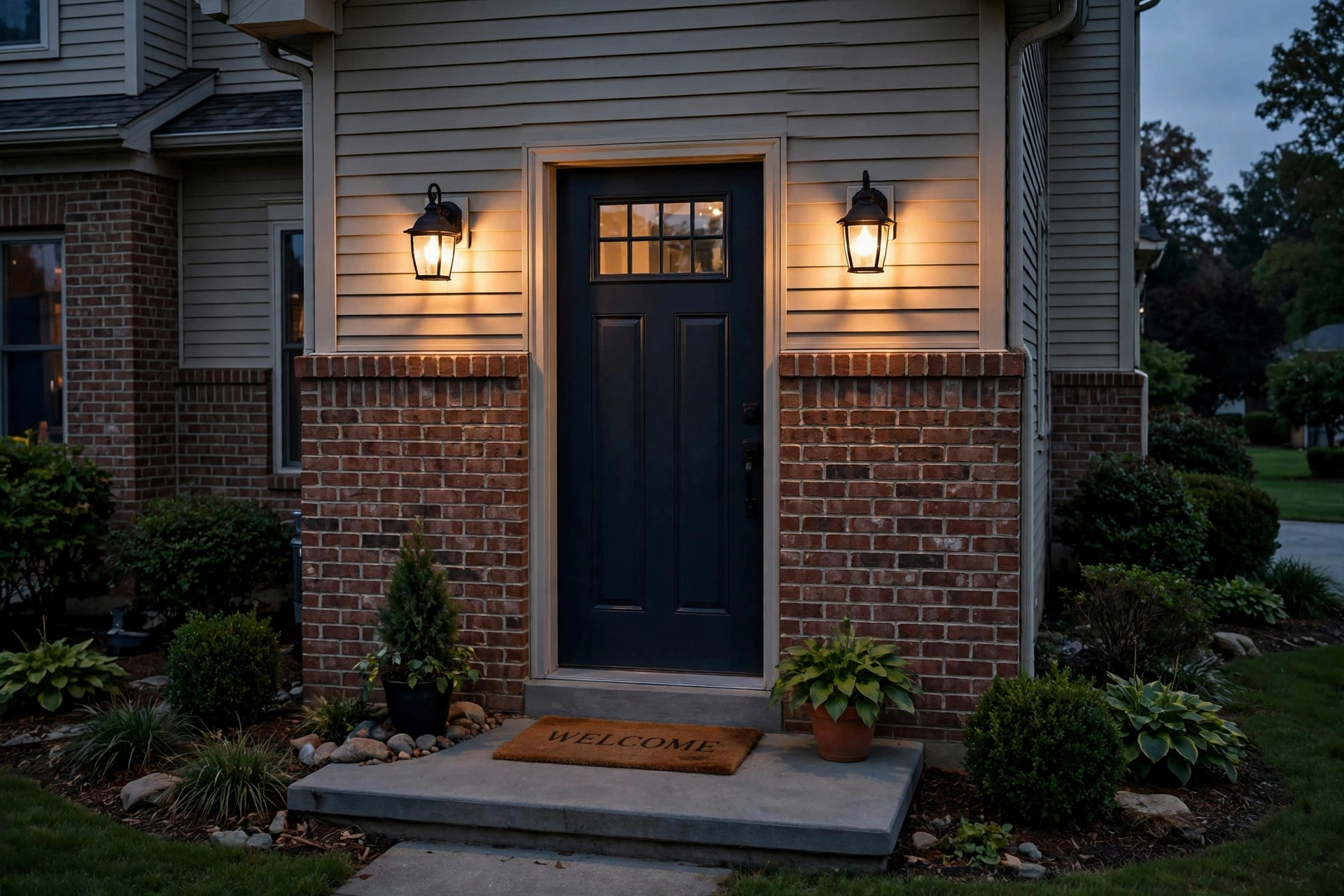

When you search for outdoor wall lanterns deals near me, you are looking for two things at once. You want a fair price. You also want a fixture that will last through rain, heat, and cold. A good lantern lights the front door. It guides guests up the walk. It makes a house feel safe after dark. And when it looks right, it adds curb appeal that you can see from the street.
The price of outdoor wall lanterns varies a great deal. A simple fixture can cost twenty dollars. A large hand-finished lantern can cost several hundred. The trick is to know what you need, where to look, and when to buy.
Why Outdoor Wall Lanterns Matter
A porch light is not a luxury. It is one of the hardest-working fixtures in the home. It turns on every evening. It greets every visitor. It marks the entrance so delivery drivers and guests can find the right door. A dark entrance is hard to read and can feel unsafe. A lit one is warm and clear.
Lanterns also shape the look of a house. The fixture beside the front door is often the first detail a visitor notices. A rusted or broken light tells one story. A clean, well-chosen lantern tells another.
There is also a safety angle. A lit entryway makes it easier to see steps, locks, and packages. It can deter prowlers, who prefer dark corners. Pair a lantern with a monitored alarm system from ADT and the entrance is both visible and protected.
What to Look for When You Choose: Outdoor Wall Lanterns Deals near Me
Buying a lantern is not only about price. The cheapest fixture on the shelf may cost more over time if it rusts, cracks, or burns through bulbs. A better approach is to compare fixtures on the points that matter most. Our outdoor wall lanterns buying guide goes deeper into each of these features.
Size and Scale
The lantern should fit the door and the house. A small fixture next to a tall double door looks lost. A large fixture on a narrow entry looks crowded. A common rule is to choose a lantern about one-third the height of the door. Measure the door first, then shop with that number in mind.
For most single front doors, a lantern between twelve and sixteen inches tall works well. Double doors can carry lanterns up to twenty inches. Garages and tall side walls may need something larger still. When in doubt, cut a paper template in the shape of the lantern and tape it to the wall. Step back to the curb and look. Your eyes will tell you the truth.
Finish and Material
Outdoor lanterns live in the weather. The finish is what stands between the metal and the rain. Powder-coated aluminum resists rust and is light to hang. Cast aluminum is heavier and often has finer detail. Bronze and brass finishes suit traditional homes. Black and matte finishes suit modern homes.
The color of the house matters too. A black lantern stands out against light siding. It can disappear against dark brick. Hold sample paint colors from Sherwin-Williams next to your trim and siding before you decide. A finish that works with the trim will look planned rather than accidental.
Light Source
Most new lanterns use LED bulbs or have LEDs built in. LEDs last for years and use a fraction of the power of old incandescent bulbs. Look for Energy Star certified bulbs when you buy replacements. They meet tested standards for efficiency and light quality, and they can lower the electric bill.
Bulb color matters for comfort. Warm white light, around 2700 to 3000 kelvin, gives the golden glow most people want at a front door. Cool daylight tones can look harsh on a porch. Check the kelvin rating on the box before you buy.
Style
Lantern styles range from colonial and farmhouse to craftsman and modern. A colonial lantern has clear glass and simple lines. A craftsman lantern often has seeded glass and a tapered top. Modern lanterns use flat planes and dark metal. The safest choice is a style that echoes details already on the house, such as the door hardware or the house numbers.
Types of Outdoor Wall Lanterns
Not all lanterns work the same way. The type you choose affects installation cost, running cost, and daily convenience. Here are the main types you will see when you shop.
Hardwired Lanterns
Hardwired lanterns connect to the home wiring. They are the most common type. A wall switch or timer controls them. They give steady light and work with dimmers in many cases. If your porch already has a wired fixture, swapping in a new lantern is often a simple job for a homeowner with basic tools. A drill from Ryobi is usually all it takes to mount the bracket and attach the plate.
Solar Lanterns
Solar lanterns carry a small panel that charges a battery during the day. They need no wiring at all. They are easy to mount and easy to move. The trade-off is brightness. They suit side paths and fences better than a main front door.
Motion Sensor Lanterns
Motion sensor lanterns stay dark until they detect movement. Then they switch on at full brightness. They save energy and surprise no one with a high bill. They also make fine security lights for side doors and garages. Our sensor porch lights buying guide explains how to set the range and timer so the light does not trip every time a cat walks past.
Dusk to Dawn Lanterns
Dusk to dawn lanterns have a small photocell that reads the light level. They turn on at sunset and off at sunrise by themselves. You never touch a switch. They are ideal for a front door you want lit every night. Look for a photocell that can be adjusted or covered if you prefer manual control.
What Good Deals Look Like: Cost and Price
A deal is not only a low price. A real deal is a good fixture at a fair price, bought at the right time. Here is what the market looks like.
Basic lanterns from large home stores often run from twenty to fifty dollars. These are fine for a rental or a quick refresh. Mid-range lanterns, which carry better finishes and heavier glass, run from fifty to one hundred fifty dollars. This is the sweet spot for most homeowners. Premium lanterns from specialty lighting shops can run from one hundred fifty to five hundred dollars or more. These make sense when the lantern is a design centerpiece.
Watch for the hidden costs too. A hardwired lantern may need an electrician if there is no existing box. That can add one hundred dollars or more per fixture. Bulb costs matter as well. A fixture that ships with an expensive proprietary bulb can cost you later. Standard-base fixtures that take common LED bulbs are cheaper to run.
The best sales follow a calendar. Late summer and early fall bring clearance sales on outdoor lighting as stores make room for holiday stock. January clearance can also be strong. If you can wait for the season to turn, you can often save twenty to forty percent. When you see outdoor wall lanterns for sale in late August, that is the time to act.
Where to Find Deals Near You
Searching online is easy, but the best deals are often local. Start with the big home improvement stores in your area. They carry a wide range of lanterns at every price point. Floor models and open-box returns can cut the price further. Ask the lighting aisle associate about clearance. The best markdowns are not always on the website.
Local lighting shops are worth a visit too. They may cost a little more at full price, but their clearance racks can be excellent. A small shop that is changing its display lines may sell fine lanterns for half price.
Online lighting retailers run frequent promotions. A lighting retailer such as Lumens lists outdoor lanterns across many styles and price points, and its sale pages change often. Compare the final price with shipping and tax before you buy.
Do not overlook salvage and reuse stores. Habitat for Humanity ReStores and architectural salvage shops sometimes carry solid brass or copper lanterns for a fraction of retail. Just make sure the wiring is sound before you hang it.
Local classifieds and online marketplaces are another option. Contractors and flippers often sell new or like-new fixtures after a remodel. Inspect the fixture in person. Look for cracked glass, stripped threads, and rust inside the housing.
Care and Upkeep
A lantern that gets a little care will last many years. Most upkeep is simple and takes only a few minutes per season.
Clean the glass twice a year. Dirt and dead insects dim the light more than most people realize. Turn off the power at the switch or breaker. Let the bulb cool. Wipe the glass inside and out with a damp cloth and mild soap. Dry it fully before you turn the power back on.
Check the finish once a year. Look for chips, bubbles, or rust spots, especially on the top where water sits. Touch up small chips with exterior paint made for metal. Catching rust early keeps it from spreading under the finish.
Keep plants away from the fixture. Vines and shrubs can grow into the lantern, block the light, and hold moisture against the metal. Trim back anything within a foot of the fixture.
Replace bulbs with the right type. Check the maximum wattage printed inside the fixture. If the fixture has a photocell or motion sensor, wipe the sensor lens clean when you clean the glass. A dirty sensor can cause flickering or false triggers.
In cold climates, remove any snow that piles against the fixture. Heavy snow can trap moisture and stress the mounting screws. Tighten the mounting screws once a year. Wind and door slams loosen hardware over time.
Safety Tips
Electricity and weather are a serious mix. Take safety seriously when you install or service a lantern.
Always turn off the power at the breaker before you touch any wiring. Test that the power is off with a non-contact voltage tester. Do not trust the wall switch alone. Switches can be miswired.
Use only fixtures rated for outdoor use. Look for a UL or ETL listing mark and a damp or wet location rating. A fixture rated for dry locations only belongs indoors. An outdoor lantern needs a sealed housing and gaskets that keep water out.
Make sure the fixture is mounted to a proper electrical box. A lantern hanging from siding or trim alone can pull loose. The box should be rated for the weight of the fixture. If you are unsure, call a licensed electrician. An hour of professional help costs less than a repair after a fall or a short.
Keep flammable materials away from the light. Do not hang wreaths, garlands, or fabric near a hot bulb. LEDs run cooler than old bulbs, but clearance is still good practice. During the holidays, keep decorations a safe distance from the fixture.
Frequently Asked Questions
How much should I pay for an outdoor wall lantern? Most homeowners pay between fifty and one hundred fifty dollars per fixture for a good mid-range lantern. Basic models start near twenty dollars. Add installation cost if there is no existing wiring.
Can I install a wall lantern myself? If a wired fixture is already in place, many homeowners can handle a swap. Turn off the breaker, match the wires by color, and mount the new fixture to the existing box. If there is no box, or if the wiring is old or damaged, hire a licensed electrician.
What is the best bulb color for a porch lantern? Warm white, around 2700 to 3000 kelvin, is the most popular choice. It flatters skin tones and makes an entrance feel welcoming. Avoid cool daylight bulbs at the front door unless you prefer a crisp, modern look.
How do I find the best outdoor wall lanterns deals near me? Check big home improvement stores for clearance and open-box items. Visit local lighting shops for display-line sales. Compare online retailers and watch for seasonal sales in late summer and January. Local classifieds and reuse stores can also turn up quality fixtures at low prices.
How long do outdoor wall lanterns last? A well-made fixture can last fifteen to twenty years or more with basic care. The finish usually fails before the metal does. LED bulbs can last five to ten years of nightly use. Sensors and photocells may need replacement sooner.
A Final Word
Finding outdoor wall lanterns deals near me is a search that rewards patience. Know your size, pick a finish that suits the house, and choose a type that fits how you live. Shop local clearance, watch the seasons, and compare the full cost before you buy. Then hang the lantern straight, step back to the curb, and enjoy the view.
A well-lit porch does quiet work every night. It welcomes friends. It steadies the step of every visitor. It shows the house at its best after dark. A pair of lanterns flanking the door, weatherproof chairs from Polywood on the patio, and durable entryway flooring from Shaw Floors or Mohawk Flooring can turn a simple entry into a place people love to arrive at. That is a small project with a large return, and it starts with a good deal.
References
ADT. (n.d.). Home security and automation. https://www.adt.com ENERGY STAR. (n.d.). Energy efficient products. https://www.energystar.gov Lumens. (n.d.). Lighting and ceiling fans. https://www.lumens.com Mohawk Flooring. (n.d.). Flooring products. https://www.mohawkflooring.com Polywood. (n.d.). Outdoor furniture. https://www.polywood.com Ryobi. (n.d.). Power tools and outdoor equipment. https://www.ryobitools.com Shaw Floors. (n.d.). Flooring products. https://www.shawfloors.com Sherwin-Williams. (n.d.). Paints and coatings. https://www.sherwin-williams.com
Was this guide helpful?

About Michael Thompson
The My Garden US editorial team writes practical, in-depth home and garden guides for American homeowners — tested advice, no fluff.
You May Also Like

Kitchen Island Pendants: A Plain Guide for Texas Homes
August 26, 2026 0 views
Sensor Porch Lights Buying Guide USA: A Plain Homeowner’s Handbook
June 9, 2026 0 views
Under Cabinet Strips Texas Homes USA: A Complete Guide for Homeowners
August 14, 2026 0 views