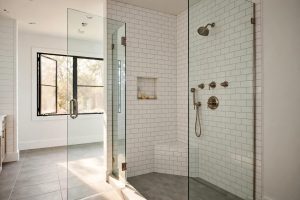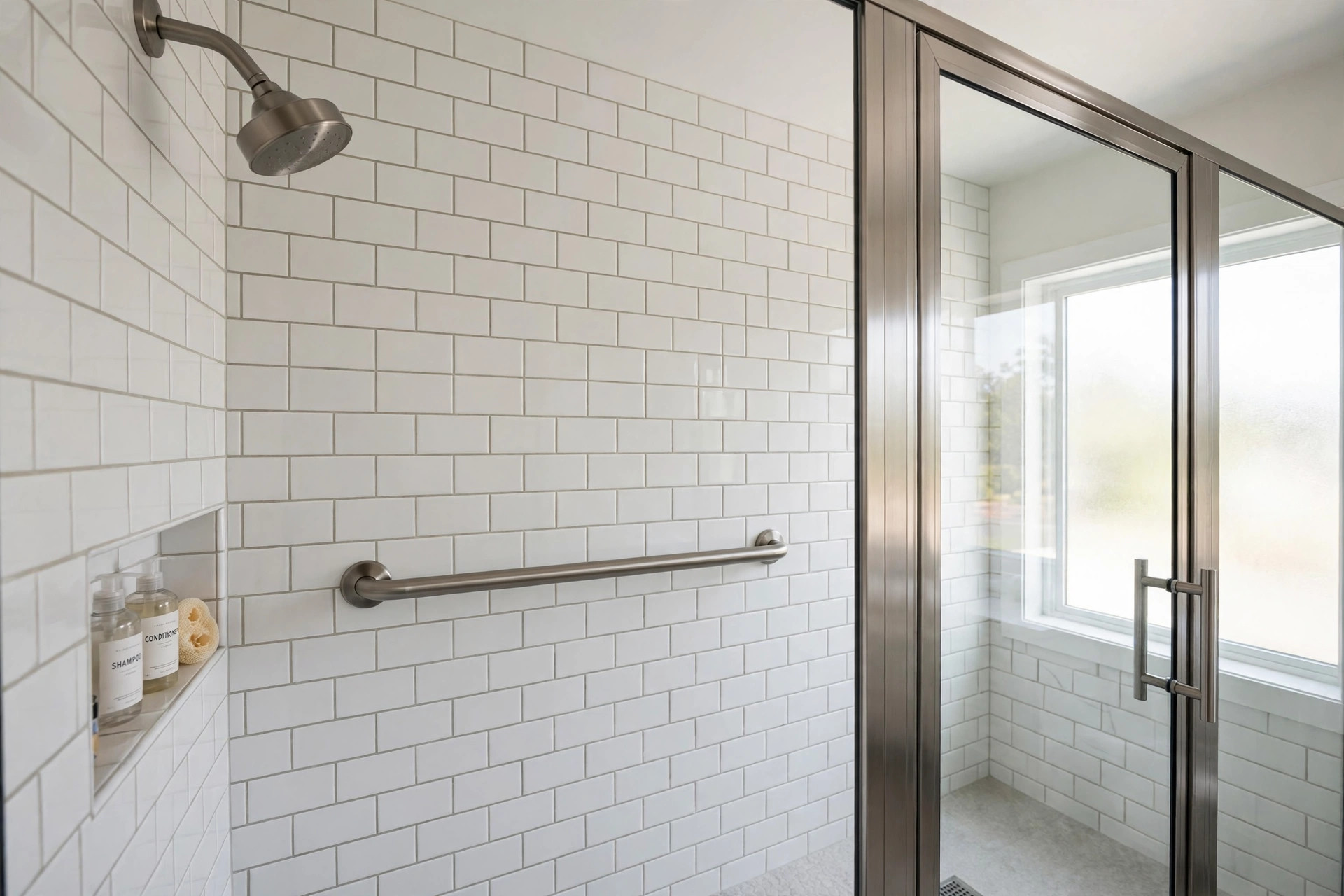

The question of shower grab bars where to buy usa comes up often in American homes. A grab bar is a simple metal rail fixed to the shower or tub wall. It gives the hand a steady hold on wet tile. Older adults use it. People with weak knees use it. Anyone can slip on a wet floor, so many families add one for peace of mind. This guide explains what a grab bar is, what to look for, the types sold, typical prices, and the stores that carry them across the United States.
Why Grab Bars Matter in the Shower
The bathroom is one of the most common rooms for falls at home. Tile gets slick with water and soap. Stepping over a tub edge shifts the body balance. A grab bar gives the hand a firm anchor at that moment. It does not stop every fall, but it lowers the risk in a clear way.
Many people think grab bars belong only in homes for seniors. That view is out of date. A grab bar helps a person with a hurt ankle, a pregnant woman, or a child learning to bathe alone. Some hotels and gyms install them for all guests. The idea is simple: wet floors need hand support.
A fixed grab bar also beats a suction-cup handle. Suction handles can pop loose without warning. A bar screwed into a stud or held by strong wall anchors stays put. The difference matters when full body weight pulls on it in a slip.
What to Look for When You Buy a Shower Grab Bar: Shower Grab Bars Where to Buy Usa
Buying the right bar is not hard, but a few points matter.
First, check the diameter. Most bars are 1.25 or 1.5 inches thick. Both fit a normal hand grip. The 1.5-inch size is the common standard and is easier for arthritic hands to hold.
Second, look at the weight rating. A good bar holds at least 250 pounds, and many are rated to 300 or 500 pounds. The rating should be printed on the box. Do not buy a bar with no stated rating.
Third, look at the finish. Stainless steel and brushed nickel resist rust in wet rooms. Chrome looks bright but shows water spots. Matte black and oil-rubbed bronze match modern bathroom sets. If you are updating the whole room, you may want to match the finish with brushed nickel faucets for California homes or brushed nickel faucets for Texas homes for a clean look.
Fourth, check the mounting method. Screw-mounted bars attach to studs or use toggle bolts in tile. They are the safest choice. Some bars use suction cups or adhesive pads for renters who cannot drill. Those are fine for light balance help but not for catching a full fall.
Fifth, measure the length. Bars come in 12, 16, 18, 24, 32, and 42 inches. A short 12-inch bar fits near the shower controls. A 24-inch bar gives more hand room along the back wall. Longer bars need two studs for safe support.
The Moen website shows grip sizes and finishes for its bathroom safety lines. The Kohler website lists matching bath accessories in the same finish families.
Types of Shower Grab Bars
Stores sell several types. Each serves a different need.
Straight bars. The classic rail, round in cross section, fixed at both ends. Sold in many lengths. It works on any flat shower wall. This is the type most installers suggest first.
Angled or L-shaped bars. Two rails joined at an angle. They help near a tub edge, where one hand reaches down and the other steadies the body. They are common in aging-in-place remodels.
Vertical bars. A short upright rail, often 12 to 18 inches. It helps a person pull up to stand from a shower bench. It also helps step in over a high tub wall.
Textured or knurled bars. The bar surface has a rough pattern. It keeps the grip firm even with soapy hands. Some buyers choose it for peace of mind. The Delta Faucet website lists several textured safety bars.
Fold-down bars. Hinged at one end, they swing up flat against the wall when not in use. They suit small showers where space is tight. Check the hinge lock before each use.
Decorative bars. Newer lines hide the safety look. They appear like towel bars or soap shelves but carry a full weight rating. American Standard carries bath hardware in this style.
Suction-cup and adhesive bars form a last group. They mount without tools and suit renters. Treat them as balance aids, not as fall protection. Reattach them often and test the hold before each shower.
Where to Buy Shower Grab Bars in the USA
The question at the heart of this guide is where to buy. American buyers have many choices, from large chains to local shops.
Home improvement stores. The two big national chains carry the widest range in stock. Home Depot sells straight, angled, and decorative bars online and in most stores. Lowe’s carries similar lines, with store staff who can point to the bath aisle. Both let shoppers read reviews on the site before a trip.
Medical supply stores. Local medical supply shops stock ADA-compliant bars and can advise on height and placement. Many accept insurance notes for aging-in-place equipment. Staff there handle these questions every day.
Pharmacies with home care aisles. Larger drugstore chains keep basic straight bars on the shelf. The range is small, but the price can be fair for a quick fix.
Online sellers. Many brands sell direct from their own sites, often with more finishes than stores carry. Online marketplaces list budget bars too, but check the weight rating and read reviews before ordering a no-name brand.
Bathroom fixture showrooms. Showrooms that sell full bath sets often carry matching grab bars. If you are doing a full remodel, buying the bar with the faucet and shower trim keeps the finish matched.
Plumbing supply houses. Trade supply houses sell pro-grade bars that do not appear in retail chains. They are worth a visit for odd wall sizes or tile that needs special anchors.
For remodel advice, the This Old House website runs step-by-step guides on mounting bars in tile and fiberglass. The Bob Vila website compares popular bar models and their prices.
Cost and Price
Prices vary with type, length, and finish. A basic stainless straight bar, 18 inches long, often sells for 20 to 40 dollars. Longer bars of 24 to 32 inches run 30 to 60 dollars. Angled and L-shaped bars cost 40 to 80 dollars. Decorative or designer bars can reach 80 to 150 dollars. Fold-down bars with a hinge often cost 60 to 120 dollars.
Suction-cup models are cheapest, often 10 to 25 dollars, but remember their limits. Pro-grade bars from plumbing supply houses may cost more than retail, yet the build is heavier.
Installation adds to the cost. A handyman may charge 75 to 150 dollars to mount one bar on tile. If a stud is not in the right spot, special anchors add a little cost. A full remodel with new tile is the dear time to add blocking behind the wall, since the wall is open.
Watch for sales. Home improvement chains run bath events in spring and fall. Medical supply shops may discount safety gear in winter, when falls rise. If you plan a wider bathroom refresh, you might also look at bathtub refinishing kits to save money instead of replacing the tub.
Care and Upkeep
A grab bar needs little care. Wipe it with a soft cloth and mild soap after cleaning the shower. Avoid harsh acids or bleach on brushed finishes, since they can dull the surface. Check the mounting screws once a year. Tighten any screw that has worked loose.
For stainless steel, a dab of mineral oil on a cloth keeps the shine. For chrome, dry the bar after heavy use to stop water spots. If the bar starts to wobble, stop using it and remount it at once. A loose bar is worse than no bar, because it gives false confidence.
In hard-water areas, soak a cloth in white vinegar and wrap it on the bar for ten minutes, then rinse. This lifts mineral film without scratching. Do not use steel wool on any finish.
Safety Tips
Safe use starts with safe mounting. The bar must fasten into at least one wall stud for screw-mounted types, or use rated toggle bolts where no stud exists. A bar fixed only to drywall or thin fiberglass can pull out under load.
Place the bar where the hand reaches in a natural motion. A common setup is one vertical bar near the shower entry and one horizontal bar on the back wall at elbow height. The HGTV website shares bath safety layouts used by home designers. The Spruce website also covers grab bar placement in its bathroom guides.
Teach every user to grip, not lean. A grab bar is a handhold, not a seat. Keep the bar free of hanging washcloths, which can slide and hide a wet grip.
For renters, ask the landlord before drilling tile. Many landlords approve a pro install since it raises the unit’s safety. Suction bars need a flat, smooth surface; they do not hold on grout lines or textured tile.
If the shower is used by someone with poor balance, pair the bar with a shower chair and a hand-held shower head. The chair takes the load, and the bar steadies the move in and out. Non-slip mats add a third layer of care.
FAQ
How much weight can a shower grab bar hold? Most rated bars hold 250 to 500 pounds when mounted correctly. The rating assumes proper anchors in a stud or solid backing. Always read the box rating and follow the mounting guide.
Can I install a grab bar on fiberglass shower walls? Yes, with care. Fiberglass walls are hollow, so you need special hollow-wall anchors or a mounting plate. A pro installer knows which anchors suit your wall type. Suction bars do not grip textured fiberglass well.
What length grab bar should I buy? Twelve inches suits the area near the controls. Eighteen to 24 inches suits the back wall. Thirty-two to 42 inches suits a long wall where the hand may slide along. Measure the flat wall space before you shop.
Are suction cup grab bars safe? They are safe as light balance aids on smooth tile. They are not safe as fall protection, because suction can fail without warning. For real support, use a screw-mounted bar.
Do grab bars need to match ADA rules at home? ADA rules bind public and commercial baths, not private homes. Still, the ADA specs give a good guide: 1.25 to 1.5 inch diameter, 1.5 inches of space from the wall, and a 250-pound minimum rating.
What finish resists rust best in a shower? Stainless steel resists rust best. Brushed nickel and chrome over brass also hold up well. Powder-coated bars resist chips but check the coat each year for nicks.
A Short Final Word
A shower grab bar is a small buy that does a big job. Pick a rated bar in the right length, mount it to solid backing, and keep it clean. When buyers ask about shower grab bars where to buy usa, the answer is simple: start with the big home improvement chains for stock and price, check medical supply shops for advice, and order from brand sites for more finishes. The right bar, set in the right spot, turns a slick shower into a safer one.
References
American Standard. (n.d.). Bathroom and kitchen products. https://www.americanstandard.com Bob Vila. (n.d.). Home improvement advice. https://www.bobvila.com Delta Faucet. (n.d.). Kitchen and bathroom faucets. https://www.deltafaucet.com HGTV. (n.d.). Home and garden ideas. https://www.hgtv.com Kohler. (n.d.). Bathroom and kitchen fixtures. https://www.kohler.com Lowe’s. (n.d.). Home improvement products. https://www.lowes.com Moen. (n.d.). Faucets and plumbing fixtures. https://www.moen.com The Home Depot. (n.d.). Home improvement products. https://www.homedepot.com The Spruce. (n.d.). Home and garden advice. https://www.thespruce.com This Old House. (n.d.). Home renovation guidance. https://www.thisoldhouse.com
Was this guide helpful?

About Lisa Anderson
The My Garden US editorial team writes practical, in-depth home and garden guides for American homeowners — tested advice, no fluff.
You May Also Like
Bathroom Linen Cabinets: Reviews and Buying Guide for USA Homes
August 7, 2026 0 views
Freestanding Soaking Tubs for Sale USA: A Plain Guide to Choosing One
February 18, 2026 0 views
Mirrored Medicine Cabinets Buying Guide USA
September 16, 2026 0 views