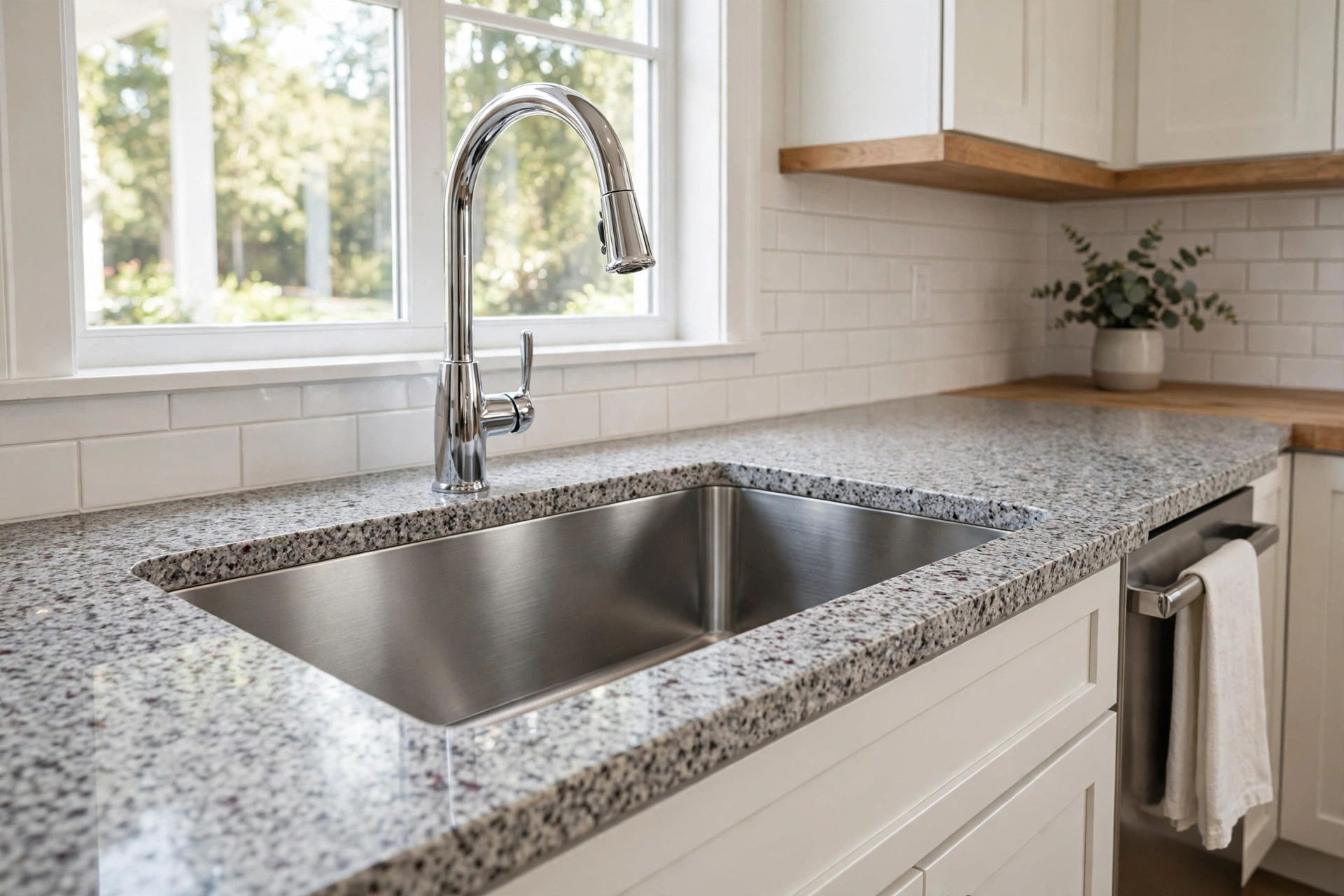

This undermount stainless sinks reviews buying guide usa is for the home owner who wants a sink that looks clean, works hard, and lasts many years. An undermount sink is fixed to the bottom of the counter top, not dropped in from above. The rim sits below the stone or solid surface. The result is a smooth line from counter to basin. Crumbs can be wiped straight into the sink. Water follows the same path. That simple change in form makes daily kitchen work easier and faster.
Stainless steel is the most common material for undermount sinks in the United States. It costs less than stone or copper. It takes heat and hard use well. It does not stain the way white porcelain can. But not all stainless sinks are the same. The gauge of the steel, the shape of the basin, the depth, and the quality of the finish all change the price and the life of the sink. This guide walks through each point, one by one, in plain terms.
Why an Undermount Sink Matters
A kitchen sink is used more than almost any other fixture in the home. It fills pots. It rinses food. It drains dishes. It stands under the counter for decades. The choice of sink shape and material sets the tone for the whole work zone. An undermount model hides the rim. There is no metal edge on top of the counter to catch food or to peel away from the seal. Cleaning the counter is a single wipe. For stone counters such as granite or quartz, this match is natural. The heavy slab hides the clips and the support brackets. The joint stays out of sight and out of the way.
Home buyers in the USA now look for undermount sinks as a matter of course. A clean counter line makes a small kitchen look larger. It also makes the counter surface more useful, since there is no rim to work around. Reviews of these sinks tend to praise the quiet feel of the better models. Thick steel with good sound pads turns a loud clatter of dishes into a dull thud.
The same reviews also warn about the weak points. Thin steel dents. Cheap drains rust. A poor seal can let water reach the wood of the cabinet below. The goal of this buying guide is simple. Learn what the numbers mean. Know what to inspect before the box leaves the store. Pay for the steel, the sound work, and the fit, not for the name alone.
What to Look for Before You Buy: Undermount Stainless Sinks Reviews Buying Guide Usa
Steel Gauge
Gauge is the thickness of the steel. The scale runs backward. A lower number means thicker steel. In kitchen sinks sold in the USA, you will see three common gauges.
– 18 gauge is the standard for a good residential sink. It holds its shape. It dents only under a hard blow. Most trusted brands use it for their main lines. – 16 gauge is heavier still. It is found in premium and commercial style sinks. It rings less. It dents less. It costs more. – 20 gauge or 22 gauge is thin. It is common in budget sinks. It can flex when you set a heavy pot in it. It can sound tinny and loud.
Owner reviews gathered by sites such as Bob Vila are plain on this point. If the budget allows, buy 18 gauge or 16 gauge. The difference in feel is clear the first time you set a cast iron pan into the basin. Look also for the steel series. The better sinks use 304 grade stainless steel, which has more nickel and more chromium. It resists rust better than the 201 series. Some product pages hide the series in the fine print. Ask before you buy.
Basin Depth and Shape
Depth decides how much you can hide and how much you can reach. Most undermount stainless sinks run 8 to 10 inches deep. A 9 or 10 inch basin takes a stock pot with ease. It hides a pile of dirty dishes from view. But it can also make the drain sit far below the counter. Tall users may find a very deep basin hard on the back. If several cooks of different heights share the kitchen, 8 to 9 inches is a fair middle ground.
Shape follows taste and task. A single large basin fits sheet pans and roasters. A double basin with a low divider lets you wash on one side and rinse on the other. Tight radius corners, with corners close to a sharp 90 degrees, look modern and use the full space. Zero radius corners are harder to clean. Rounded corners are easy to wipe but give up some space.
Finish and Sound Work
Most stainless sinks carry a brushed finish. A fine brush hides light scratches. A commercial style finish with a bright polish shows every mark. For daily family use, brushed is the wiser pick. Ask about the sound pads and the undercoating. Good sinks carry thick rubber pads on the bottom and sides. A full undercoating, often a sprayed stone mix, adds mass and cuts noise further. Tap the side of a display sink with your knuckle. A dead thud means good sound work. A ring means you will hear every plate.
Check the drain placement too. An offset drain, set to the back or to one side, leaves more room under the sink for pipes and for a disposal unit. A center drain is simpler to plumb in an old kitchen but wastes cabinet space. If you plan to add a disposer, read a garbage disposal installation buying guide before you pick the sink. The disposer hangs from the drain flange. The cabinet must have room for it.
Types and Options on the Market
Single Basin Sinks
The single basin undermount sink is the most popular choice in new kitchens. It comes in widths from about 23 inches to 36 inches. A 30 inch or 33 inch model suits most base cabinets. The open space fits baking sheets and large pots flat. There is no divider to fight with. For a cook who uses big pans, this is the shape to buy. Many reviews call it the workhorse of the kitchen. Add a wire bottom grid to guard the steel from scratches. Add a cutting board that sits on the rim of the basin for extra prep space. For more ideas on basin layouts, The Spruce keeps plain guides to sink styles.
Double Basin Sinks
The double basin splits the work zone. The common split is 60/40 or 50/50. The larger side takes the pots. The smaller side takes the rinse or the prep work. A low divider, about half the height of the basin, gives a near single basin feel with the aid of a second zone. Double basins suit cooks who wash dishes by hand in a fixed routine. They also suit homes where two people work at the sink at once. The trade off is space. Each basin is smaller than a full single basin. A wide roaster may not fit.
Apron Front and Bar Sinks
Some undermount lines include an apron front, the farmhouse style. The front of the sink shows as a panel below the counter edge. It looks grand in a country or classic kitchen. It needs a special base cabinet with a cut front. That adds cost and carpenter time. A bar sink is a small second sink, often 15 inches wide, set in an island or a wet bar. It is handy for drinks and for a second pair of hands during a party. If you plan a second sink, size the cabinet and the plumbing runs before the counter is cut.
Accessories Worth the Money
A bottom grid keeps dishes off the steel and cuts scratch marks. A fitted cutting board turns the basin into a prep station. A roll up dish rack dries over the sink and saves counter space. A good strainer basket set keeps food out of the drain. Many brands sell the sink with these parts in a package. The package often costs less than the parts bought one by one. When you compare undermount stainless sinks for sale online, check what comes in the box.
Cost and Price in the USA
Prices for undermount stainless sinks in the USA fall into clear bands. Budget models in 20 gauge steel run about 80 to 180 dollars. They suit a rental unit or a quick refresh. Mid range models in 18 gauge 304 steel run about 200 to 450 dollars. This is where most home owners should shop. The steel is sound. The sound pads are real. The warranty runs five years or more. Premium models in 16 gauge run about 500 to 1,200 dollars. They carry tight radius corners, deep basins, full undercoating, and long warranties, often lifetime.
Installation adds cost. A plumber will charge for the rough in and the final hook up. If the counter is new, the stone shop sets the sink with the slab. Ask for a written quote that lists the sink, the faucet holes, the drain parts, and the labor. Watch for the cheap add ons. A thin sink with a brand name can cost as much as a thick sink from a lesser name. Judge the steel in your hand, not the logo on the box.
Care and Upkeep
Stainless steel asks for little, but it asks for it often. Rinse the basin after use. Wipe it dry with a soft cloth. This habit stops water spots and mineral film. For daily cleaning, use a mild dish soap and a soft sponge. Work with the grain of the brushed finish. For a weekly clean, use a paste of baking soda and water. Rub gently. Rinse well. Dry the steel.
Avoid steel wool and harsh scouring pads. They scratch the finish and leave fine iron bits that rust in place. Avoid chlorine bleach left standing in the basin. It can pit the steel. If rust spots appear, they are often iron from the water or from a metal can, not the sink itself. A soft cloth with a mild stainless cleaner takes them off.
Hard water leaves white scale. A wipe with white vinegar, then a rinse and a dry, clears it. Keep the silicone seal at the counter joint clean and dry. If the seal pulls away, dry the gap and lay a fresh bead of kitchen silicone. A tight seal keeps water out of the cabinet wood. For deeper advice on stone counters and sink joints, This Old House has long form guides written by trade men.
Safety Notes
A kitchen sink is low risk, but a few points deserve care. The steel edge under the counter can be sharp during install. Wear gloves when you handle a bare sink. The sink is heavy in 16 gauge. Get help to lift it into place. Support rails or a wood frame must carry the full weight of the sink plus the water. A 30 inch sink full of water is heavy. Never hang the weight from the stone alone.
Keep drain cleaner chemicals in a locked cabinet if small children live in the home. Store them high, not under the sink where a child can reach. If a disposer is fitted, learn the reset button and the jam wrench before the first use. Run cold water during grinding. For official safety notes on home products, the U.S. Consumer Product Safety Commission page is a sound first stop, and Consumer Reports tests kitchen gear for real world risk.
Frequently Asked Questions
Can an undermount sink fit any counter top?
No. Undermount sinks need a solid, heavy counter such as granite, quartz, or solid surface. Laminate counters are too thin and too weak at the cut edge. Tile counters have grout lines that break the seal. If your counter is laminate, choose a top mount sink instead.
What gauge is best for a family kitchen?
18 gauge 304 stainless steel is the best value for most families. It is thick enough to stay quiet and to resist dents. 16 gauge is better still, but the price jumps. Stay clear of 22 gauge for a main kitchen sink. It is fine for a bar sink that sees light use.
How long does a stainless undermount sink last?
A well made 18 gauge sink can last 20 to 30 years with plain care. The weak points are the drain parts and the seal, not the steel. Replace the strainer and the gasket when they wear. The basin itself will outlast most other parts of the kitchen.
Do I need a special faucet for an undermount sink?
No. Any standard kitchen faucet fits. The faucet mounts through the counter. Check the number of holes in your counter before you buy the faucet. If you want a sprayer and a soap dispenser, count the holes you need and drill to match.
Are stainless sinks hard to keep clean?
They are easy to keep clean with daily care. Rinse and dry after use. The brushed finish hides small marks. The main foes are hard water spots and food left to dry on the steel. A minute of care each day keeps the sink bright for years. If you want more detail, our undermount stainless sinks buying guide covers finish types in depth.
Where should I shop for one in the USA?
Big home stores carry the main brands on the shelf, so you can tap the steel and check the sound work in person. The Home Depot and Lowe’s both stock wide ranges. Maker sites such as Whirlpool, GE Appliances, and Bosch list full specs. For energy and water notes, ENERGY STAR is the federal reference.
A Short Final Word
The best undermount stainless sink is not the most costly one. It is the one with honest steel, true sound work, and a fit that suits your counter and your cabinet. Buy 18 gauge or 16 gauge 304 steel. Pick a basin shape that fits your pots and your habits. Check the seal, the drain, and the support before the counter is cut. Do that, and the sink will serve the kitchen for decades, quiet and bright, with a clean line from counter to basin.
References
Bob Vila. (n.d.). Home improvement advice. https://www.bobvila.com Bosch. (n.d.). Home appliances. https://www.bosch-home.com Consumer Reports. (n.d.). Product reviews and ratings. https://www.consumerreports.org ENERGY STAR. (n.d.). Energy efficient products. https://www.energystar.gov GE Appliances. (n.d.). Kitchen and home appliances. https://www.geappliances.com Lowe’s. (n.d.). Home improvement products. https://www.lowes.com The Home Depot. (n.d.). Home improvement products. https://www.homedepot.com The Spruce. (n.d.). Home and garden advice. https://www.thespruce.com This Old House. (n.d.). Home renovation guidance. https://www.thisoldhouse.com U.S. Consumer Product Safety Commission. (n.d.). Product safety information. https://www.cpsc.gov Whirlpool. (n.d.). Home appliances. https://www.whirlpool.com
Was this guide helpful?

About Michael Thompson
The My Garden US editorial team writes practical, in-depth home and garden guides for American homeowners — tested advice, no fluff.
You May Also Like

Shaker Cabinet Doors for Florida Homes USA: A Full Guide
March 5, 2026 0 views
Vinyl Plank Flooring USA Online Deals: A Practical Guide
June 20, 2026 0 views
Dishwasher Third Rack for Sale USA: A Complete Buying Guide
June 9, 2026 0 views