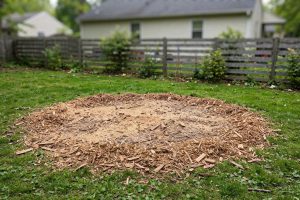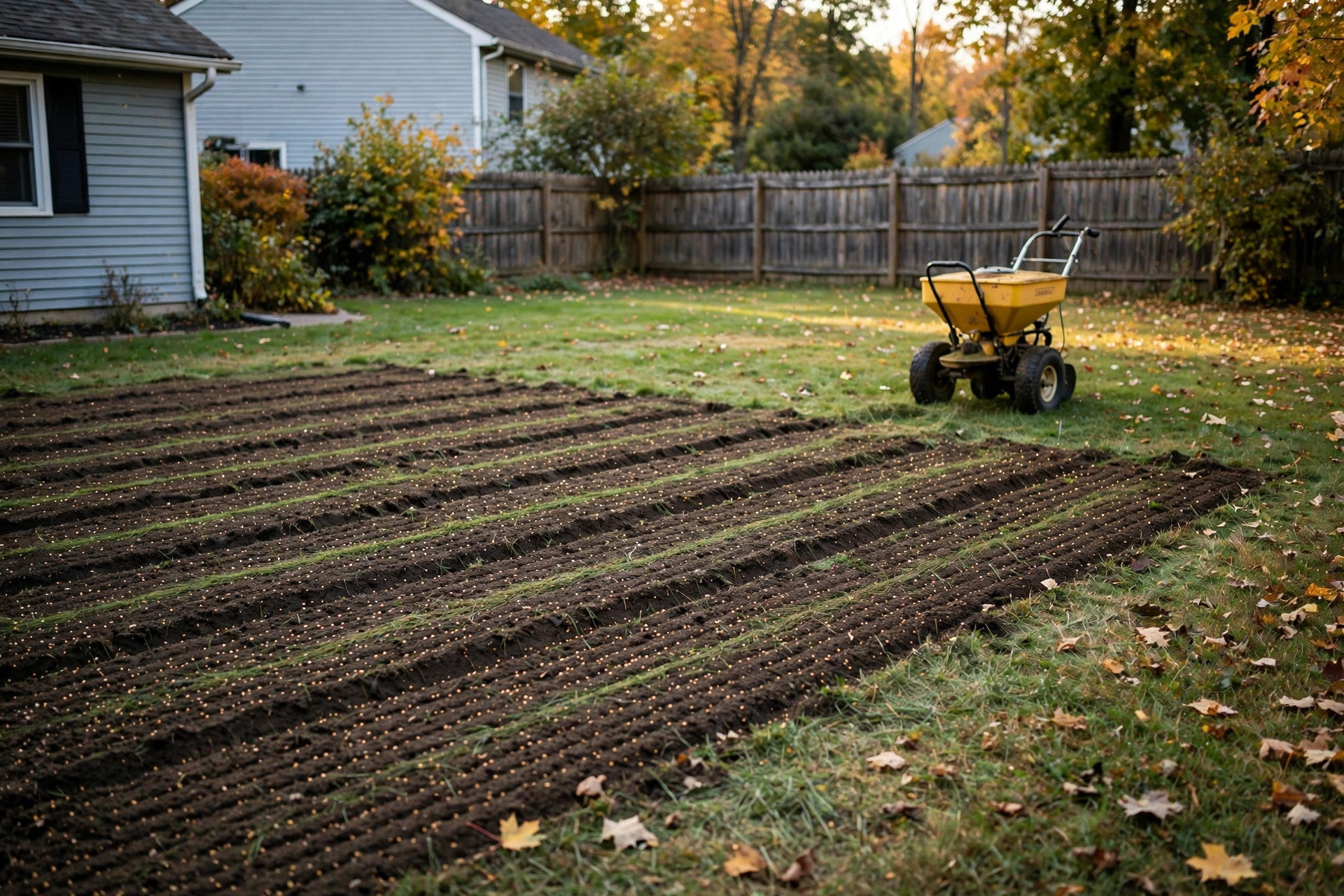

The best time to plant grass seed northeast gardeners ask about is late summer into early fall. This short window gives new grass everything it needs. The soil is still warm from summer. The air is cool. Rain falls more often. Weeds grow less. Seed between mid August and mid September, and your lawn can root deep before winter.
Many homeowners seed in spring instead. Spring can work. But spring brings heavy weed growth and summer heat too soon after. Fall seeding avoids both problems. This guide explains why fall wins, how the Northeast climate works, which grass types grow best, and how to seed step by step.
Why Timing Matters So Much
Grass seed is alive. It needs the right mix of warmth, water, and calm weather to sprout. Seed planted at the wrong time may rot, dry out, or lose the fight against weeds. A week or two can make the difference between a thick lawn and bare patches.
In the Northeast, most lawns are cool season lawns. These grasses grow best when daytime highs are between 60 and 75 degrees. They slow down in summer heat and in deep winter. That is why the season of planting matters more here than in the South.
Plant at the right time and the seed does most of the work for you. Plant at the wrong time and you fight nature all season long.
How the Northeast Climate Works: Best Time to Plant Grass Seed Northeast
The Northeast runs from Maine down to Pennsylvania and New Jersey. Winters are cold. Springs are wet. Summers can turn hot and dry for weeks at a time. Fall brings steady rain and mild days.
The first hard frost often arrives between late September and late October, depending on where you live. Count back about six to eight weeks from that date. That is your seed window.
Soil temperature matters more than air temperature. Cool season grass seed sprouts best when the soil is between 50 and 65 degrees. In late August, Northeast soil is often near 70 degrees. By mid September it cools into the ideal range. A simple soil thermometer, pushed three inches into the ground, tells you when conditions are right.
The Best Window: Late Summer to Early Fall
From about August 15 to September 15, the Northeast gives new seed its best chance. This is the answer most lawn experts give, and the reasons are plain.
Warm soil speeds germination. Seed in warm soil can sprout in seven to ten days instead of three weeks. Cool air slows disease. Fungus problems that attack summer seedlings are far less common in fall. Weed pressure drops. Crabgrass and other summer weeds are dying back, so new grass faces less competition. Fall rain helps. Steady rain keeps the seedbed moist without constant watering from you.
Roots grow deep in fall. Above the ground, growth slows as days shorten. Below the ground, roots keep pushing down into still warm soil. By the time winter comes, the young plants are anchored. They sleep through winter and wake up thick in spring.
Aim to finish seeding at least 45 days before the first expected hard frost. In northern New England, seed by late August. In Pennsylvania and southern New England, mid September is usually fine.
If you want a full walk-through of the fall method, see our guide to overseeding a lawn in fall, step by step.
Spring as a Strong Second Choice
Spring is the second best time to plant grass seed in the Northeast. The window runs from mid March to late April in most areas, once the soil can be worked and daytime highs stay above 50 degrees.
Spring has one real advantage. The whole growing season lies ahead. But spring brings real problems. Weed seeds wake up at the same time as grass seed. Crabgrass, dandelions, and clover compete hard. You cannot use most crabgrass preventers on new seed, because they stop grass seed too. Summer heat arrives fast and can stress young plants.
If you seed in spring, seed early. Give the grass the longest possible head start before summer. Keep the soil moist, and mow high once the grass reaches three inches. For more detail on the spring method, read how to plant grass seed in spring.
Types of Grass Seed for Northeast Lawns
Not all grass seed suits the Northeast. The region needs cool season grasses that handle cold winters and bounce back from summer stress. Four types do most of the work.
Kentucky Bluegrass
Kentucky bluegrass is the classic Northeast lawn grass. It spreads by underground stems, so it fills bare spots on its own. It has a rich green color and a soft feel. The drawback is speed. It can take two to three weeks to sprout, longer than other types. It also needs full sun and steady water.
Tall Fescue
Tall fescue is tough. Its deep roots find water far below the surface, so it handles dry spells better than bluegrass. Newer turf type tall fescues look much finer than the old coarse pasture types. This is a strong pick for lawns that get heavy use or less water.
Perennial Ryegrass
Perennial ryegrass sprouts fast, often in five to seven days. Seed blends use it as a nurse grass. It covers the soil quickly while slower bluegrass fills in behind it. It does not spread much on its own, so it works best in a mix rather than alone.
Fine Fescue
Fine fescues, including creeping red fescue and chewings fescue, handle shade better than any other cool season grass. They need less water and less fertilizer. They are not as tough under foot traffic, so they suit shady side yards and areas under trees.
Most quality bags sold in the Northeast are blends of two or three of these. Blends are more forgiving than a single type. If one type struggles in a spot, another takes over.
For yards with heavy tree cover, look at shade tolerant grass seed mixes made for low light.
How to Choose the Right Seed
Read the seed label before you buy. The label lists the grass types by percent, the germination rate, and the amount of weed seed and filler. Choose bags with a germination rate above 85 percent and weed seed below 0.5 percent.
Avoid cheap bags heavy with annual ryegrass. Annual ryegrass sprouts fast and looks green for a season, then dies in winter. It is a poor choice for a lasting lawn.
Match the seed to your yard. Full sun lawns do well with bluegrass and tall fescue blends. Shady yards need fine fescue in the mix. High traffic areas near a driveway or play set do better with tall fescue and ryegrass.
Buy fresh seed. Grass seed loses strength with age. Check the test date on the label.
How to Plant Grass Seed Step by Step
Good seedbed preparation matters as much as timing. Seed that lands on hard, bare ground often fails.
1. Test the soil. A simple soil test kit shows pH and nutrient levels. Northeast soils often run acidic. Most lawn grasses want a pH between 6.0 and 7.0. Add lime if the test calls for it, and work it in a few weeks before seeding.
2. Clear the area. Remove dead grass, leaves, sticks, and stones. For thin lawns, mow the old grass short, down to about two inches.
3. Loosen the top soil. Rake bare spots to break up the top quarter inch. For larger areas, a core aerator pulls small plugs from the soil. This opens the ground so seed and water can get in. Many rental aerators run on small engines, and Briggs and Stratton powers much of this common lawn equipment.
4. Spread the seed. Use a broadcast spreader for even coverage. A drop spreader works for small areas and edges. Split the seed in half. Walk the area once in one direction, then again at a right angle. This cross pattern prevents skips. Toro sells both types of spreaders sized for home lawns.
5. Cover lightly. Rake the seed in gently, or spread a thin layer of straw or peat moss, about a quarter inch deep. The cover holds moisture and hides seed from birds.
6. Water gently. Keep the top inch of soil moist until the seed sprouts. Light watering once or twice a day is better than one heavy soaking. Once seedlings reach two inches, water less often but deeper.
7. Mow at the right time. Wait until the new grass is about three inches tall. Mow with a sharp blade, and cut no more than one third of the height. Deere walk behind mowers and lawn tractors handle this first mowing well when the blade is sharp.
Cost and Price of Seeding
Seeding is one of the cheapest ways to build a lawn. Quality grass seed for the Northeast costs about 3 to 8 dollars per pound at most garden centers. A 50 pound bag often covers around 10,000 square feet for new lawns, or up to 20,000 square feet for overseeding thin lawns.
For a typical 5,000 square foot lawn, overseeding in fall costs about 40 to 80 dollars in seed. Add a soil test kit at 15 to 25 dollars, starter fertilizer at 20 to 30 dollars, and straw or peat moss at 15 dollars. A half day rental of a core aerator runs 50 to 90 dollars.
Compare that with sod, which can cost 30 to 60 cents per square foot installed, or 1,500 to 3,000 dollars for the same lawn. Seeding takes more patience, but the savings are large.
Watering and Care After Planting
New seed dies fast if it dries out. The seed coat must stay moist to crack open and grow. In fall this is easier than in summer, but you still must water on dry days.
Water lightly once or twice daily until sprouts appear. Then shift to deeper watering every two or three days. The goal is moist soil, not puddles. Standing water rots seed.
Hold off on fertilizer until the new grass has been mowed twice. Then apply a starter fertilizer at half the normal rate.
Keep foot traffic off the new lawn for at least three to four weeks. One afternoon of play on soft seedlings can undo weeks of growth.
Common Mistakes to Avoid
Seeding too late is the most common error. Seed put down in October in northern areas may sprout, then freeze before roots form. Respect the 45 day rule before first frost.
Planting too deep is another. Grass seed needs light to sprout well. Seed buried more than a quarter inch deep may never come up. A light raking is enough.
Skipping the watering is the third. Many homeowners seed, then trust rain alone. One dry week can kill a whole planting. Check the soil daily with your finger. If the top inch is dry, water.
Using the wrong seed for the spot causes thin results year after year. Sun loving bluegrass will never thrive under a maple tree. Match the grass to the light, the soil, and the use.
Safety Notes
Lawn work is safe when done with care. Wear gloves when handling lime and fertilizer. Keep bags of seed and fertilizer away from children and pets until they are spread and watered in.
When using a spreader or aerator, wear closed shoes and eye protection. Read the manual for any rented machine before you start it. Store leftover seed in a cool, dry place in a sealed container. Mice and moisture ruin stored seed fast.
If you hire help for aerating or grading, check that the company carries insurance. A short written agreement that lists the work and the price protects both sides.
Frequently Asked Questions
Can I plant grass seed in summer in the Northeast?
It is possible, but it is the hardest season. Heat dries seed fast, and you must water often, sometimes twice a day. Weeds and disease pressure are at their peak. If summer is your only option, choose a heat tolerant tall fescue and water with care.
How long does grass seed take to grow in the Northeast?
Perennial ryegrass shows in five to seven days. Tall fescue takes seven to fourteen days. Kentucky bluegrass is slowest at fourteen to twenty one days. Cool soil in late fall slows all of them. Warm soil in late August speeds them up.
Should I overseed every fall?
A thin lawn gains from overseeding every one to two years. A thick, healthy lawn may need it only every three years. Dense grass crowds out weeds on its own.
What is the best grass seed for Northeast lawns with dogs?
Tall fescue blends handle wear and recover well. No grass loves constant heavy traffic, but deep rooted fescue stands up best. Reseed worn paths each fall and water the spots where pets use the yard most.
Can I mix grass seed with fertilizer in the spreader?
Do not mix seed with weed and feed products. The weed killer in them can harm new seedlings. Plain starter fertilizer is fine to apply after seeding, or you can spread it first and seed over it. Keep the two jobs separate in the spreader.
Is it too late to seed in October?
In southern parts of the region, early October can still work if the weather stays mild. In northern New England, October is usually too late. A late option is dormant seeding in late November, when seed lies still until spring. Results vary, so fall remains the safer bet.
A Short Final Word
The best time to plant grass seed northeast homeowners can count on is late summer into early fall. Warm soil, cool air, and steady rain do half the work for you. Choose a seed blend that fits your sun and soil, prepare the seedbed with care, and keep it moist. Do this, and your lawn will greet spring thick, green, and ready.
References
Briggs & Stratton. (n.d.). Outdoor power equipment and engines. https://www.briggsandstratton.com Deere & Company. (n.d.). Lawn and garden equipment. https://www.deere.com The Toro Company. (n.d.). Lawn care products and spreaders. https://www.toro.com
Was this guide helpful?

About Michael Thompson
The My Garden US editorial team writes practical, in-depth home and garden guides for American homeowners — tested advice, no fluff.
You May Also Like

How to Install Pop Up Sprinklers Yourself: A Complete Guide
February 3, 2026 1 views
Best Time to Aerate Lawn in Midwest States
March 14, 2026 0 views
How to Kill Clover Without Killing Grass
April 7, 2026 0 views