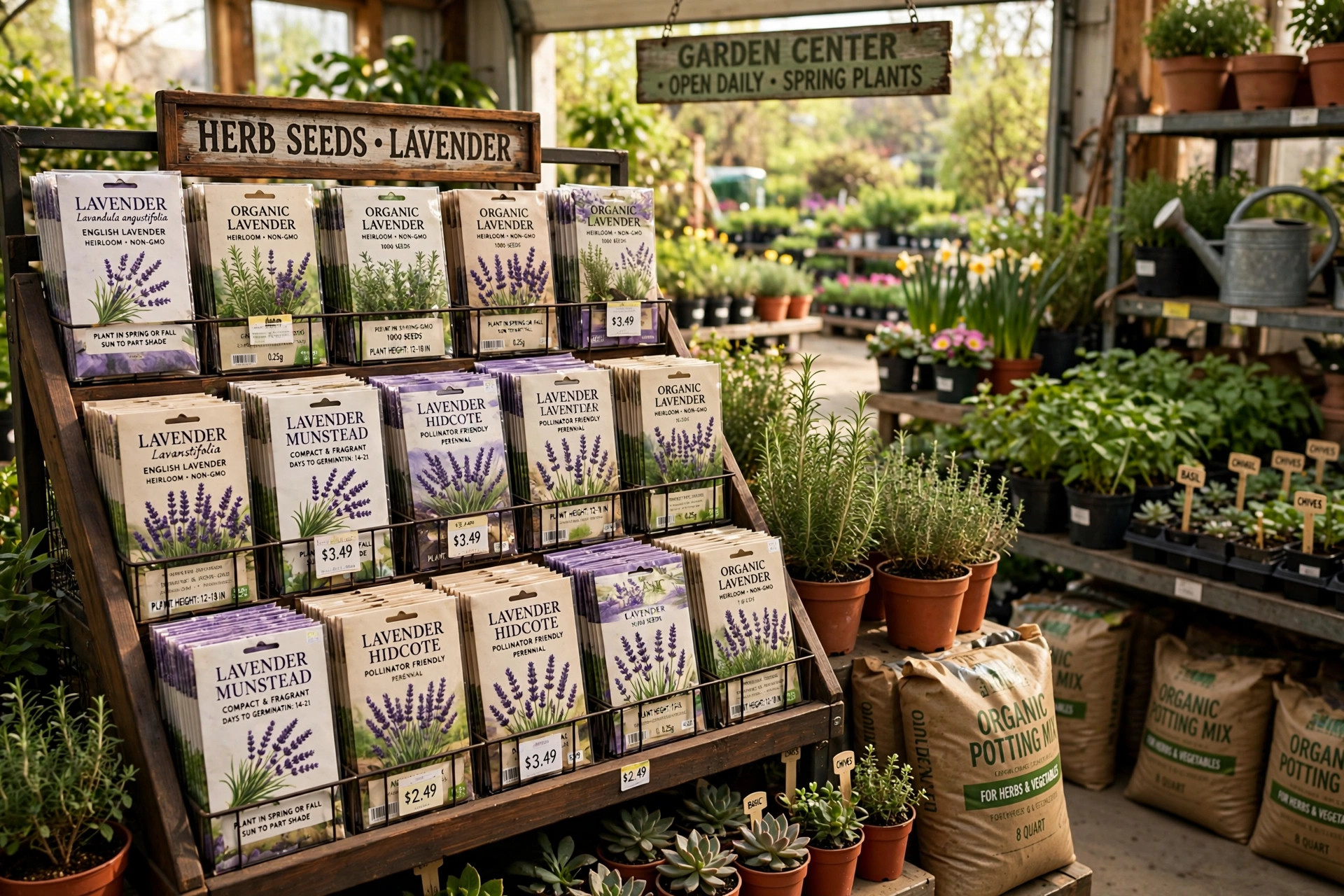

When gardeners ask about lavender seed packets where to buy usa, they want a plain answer. They want to know which stores carry good seed, what a fair price is, and how to pick packets that will grow well. Lavender is one of the most loved garden plants in America. It gives scent, color, and calm to yards from coast to coast. The good news is that buying lavender seed packets is easy. Every spring, garden centers, hardware stores, and online shops stock them in large numbers. The hard part is choosing the right packet and the right seller. This guide walks through both.
Why Buying the Right Lavender Seed Matters
Lavender is not a plant you grow in a hurry. Seed can take two to four weeks to sprout. Some kinds need a cold spell first. Once the plant is up, it grows slow in its first year. By the second year, it rewards patience with purple blooms and strong scent. A good seed packet makes this long road much smoother. Fresh seed gives higher sprout rates. Clear labels tell you the exact kind of lavender inside. A trusted seller stands behind the seed if it fails.
Cheap or stale seed causes the most common failure. Old seed may sprout at rates of ten percent or less. A packet with no date may have sat in a warehouse for years. Some packets hold the wrong kind for your climate. English lavender likes cold winters. Spanish lavender likes warm zones. Buy the wrong kind and the plant may die in the first winter. A good packet names the variety, such as Hidcote or Munstead. It also shows a pack date or a sell-by date. These small details save months of wasted effort.
There is also the matter of honesty. Some packets sold as lavender hold seed of other plants. This is rare from big sellers, but it happens at flea markets and some discount bins. Buy from known names and the risk drops to near zero. The few dollars you save on a cheap packet are not worth a lost season.
What to Look For in a Lavender Seed Packet: Lavender Seed Packets Where to Buy Usa
Start with the variety name. Good packets name a true lavender, such as Lavandula angustifolia. Many also list a cultivar, like Munstead, Hidcote, or Vera. These English kinds grow well in most of the country. If you live in the deep South or the desert Southwest, look for Spanish or French kinds. They take heat better.
Check the seed count. Most packets hold between 50 and 200 seeds. Small packets with 50 seeds are fine for a home garden. They cost less and waste less if the batch is weak. Larger packets suit gardeners who want a full row of plants.
Read the germination rate if it is printed. Good lavender seed sprouts at 70 percent or better. Not all brands print this number. Those that do tend to test their seed, which is a good sign. A sell-by or packed-for year matters too. Buy seed packed for the current year. Seed from last year still works, but each year of age cuts the sprout rate.
Look for seed that is untreated or clearly labeled. Some seed is coated with fungicide. The packet should say so. If you garden organically, seek untreated seed. A short note on the back about cold treatment helps too. Some kinds sprout better after four to six weeks in the fridge. A packet that tells you this is written for real gardeners.
Types of Lavender Seed Packets You Will Find
Seed companies sell three main groups. English lavender, or Lavandula angustifolia, is the most common. It is hardy in zones 5 to 8. Its oil is strong and sweet. Most packets in northern stores are English kinds. French lavender, or Lavandula dentata, has toothed leaves and a softer scent. It likes warm winters and suits zones 8 to 10. Spanish lavender, or Lavandula stoechas, has odd flower heads with small flags on top. It also likes warm zones.
Inside each group, packets may offer named cultivars or mixed seed. Named cultivars give plants that look and smell alike. Mixed seed gives variety, which some gardeners like. For a hedge or a row, pick a named kind. For a wild cottage bed, a mix is fine and often cheaper.
You will also see organic seed and standard seed. Organic seed comes from plants grown without man-made chemicals. It costs a bit more. Standard seed works the same in the soil. Pick the one that fits your values and your budget. If you plan to use the flowers in food or tea, organic seed gives peace of mind.
Some packets are marked as suited for pots. These hold dwarf kinds like Hidcote Blue. They stay small and bloom well in containers. They are a good pick for patios and balconies.
Lavender Seed Packets Where to Buy USA: Trusted Stores
The United States has many fine seed sellers. Below are the main places gardeners shop, from big chains to small specialists.
Big home and garden chains. Stores like Home Depot and Lowe’s stock seed racks each spring. You can see the packets, read the backs, and pick the freshest dates. The staff can point you to the seed wall. Prices are low and the stock turns over fast, so seed is often fresh.
Garden centers and nurseries. Local nurseries know what grows in your area. They stock kinds that suit your zone. The staff can tell you if a kind needs cold treatment. Prices run a bit higher than chain stores, but the advice is worth it.
Online seed companies. This is where the widest choice lives. Burpee has sold seed to American gardeners for over a century. Its lavender lines are well tested. Park Seed offers many herb and flower kinds, with clear growing notes. Gurney’s is another old name with a loyal following. White Flower Farm is known for high quality and honest plant descriptions. Monrovia and Proven Winners are known more for live plants, but their sites carry fine growing guides that help seed buyers too.
Farm stores and co-ops. Rural King, Tractor Supply, and local co-ops often carry seed at fair prices. Stock may be smaller, but the seed moves fast in spring.
Marketplaces. Amazon and Walmart.com list many seed brands. They are handy, but check the seller. Buy from the brand’s own store page when you can. Read recent reviews. Look for complaints about old seed or wrong kinds.
Seed swaps and clubs. Some gardeners trade seed through clubs and online groups. This is cheap and friendly. Ask when the seed was harvested. Seed more than two years old may be weak.
For those comparing more options, our guide on lavender seed packets for sale usa lists current sellers in one place. And if you want a full buying walkthrough, see lavender seed packets buying guide usa. Growers who also plant kitchen herbs may like our notes on organic herb seeds buying guide usa.
Cost and Price: What to Expect
Lavender seed is cheap. Most packets cost between one and six dollars. Standard packets from big brands run two to four dollars. Organic packets run three to six dollars. Rare or new cultivars can reach seven or eight dollars, but these are the exception.
Price per seed tells the real story. A two-dollar packet with 100 seeds costs two cents per seed. Even if half fail, you still get dozens of plants for two dollars. Compare that to buying live plants at six to twelve dollars each. Seed is the cheapest way to fill a bed with lavender.
Watch for shipping costs online. A two-dollar packet with five-dollar shipping is not a deal. Many seed companies offer free shipping over a set amount. Buy your full spring seed order at once to save money. Some companies also sell seed collections. A herb collection with lavender, basil, and thyme can cost less per packet than buying each one alone.
Discount bins deserve care. End-of-season seed sells for pennies, but it is old. Old lavender seed sprouts poorly. Buy fresh seed in winter or early spring for the best results. Some companies hold winter sales on the new year’s seed. That is the best time to stock up.
How to Plant and Care for Lavender From Seed
Start seed indoors eight to ten weeks before the last frost. Use a light seed-starting mix. Press the seed onto the surface and cover it with a thin dust of mix. Lavender needs light to sprout, so do not bury it deep. Keep the soil damp but not wet. A clear dome or plastic wrap holds moisture.
Warmth matters. Lavender sprouts best between 65 and 75 degrees. A heat mat under the tray helps. If the kind needs cold treatment, chill damp seed in the fridge for four to six weeks before sowing. The packet back should tell you if this step is needed.
Sprouts are slow. Do not give up after two weeks. Some seed takes a full month. Once sprouts have two sets of true leaves, move them under a grow light or to a bright window. Thin or space them so air moves between plants. Weak, damp air brings disease.
Harden the plants off before moving them out. Set them outside for a few hours each day, adding more time over a week. Plant them in full sun with sharp drainage. Lavender hates wet feet. Mix sand or small gravel into heavy soil. Space plants 12 to 18 inches apart for good air flow.
Water young plants often but lightly. Once roots are set, water less. Lavender likes dry spells. In winter, do not let pots sit in water. Mulch with gravel, not bark, to keep stems dry. Prune lightly after bloom to keep plants full. Never cut into old wood. The National Institute of Food and Agriculture funds garden research that backs these plain steps, and the Old Farmer’s Almanac posts frost dates that help you time your sowing.
Safety Notes for the Home Gardener
Lavender is safe for most people and pets in normal garden use. Still, a few notes help. Wash hands after handling seed coatings. Some seed is treated with fungicide, and the dust should not be breathed in. Sow treated seed outdoors or in a vented room.
Keep seed packets away from small children and pets. Seed is not food. A curious child may chew a packet. Store seed in a cool, dry box on a high shelf. The same goes for any garden chemicals on your shelf. Lock them away.
Lavender oil is strong. If you make oil or tea from your plants, use small amounts. Some people get skin rashes from the oil. Test a small patch of skin first. Pregnant women should ask a doctor before using herbal products. These are rare concerns, but a careful gardener notes them.
In the yard, lavender draws bees. This is good for the garden, but keep hives of blooms away from paths where bare feet walk. A row along a fence gives scent without stings. The Spruce garden section has plain guides on bee-friendly planting that suit lavender beds well.
Frequently Asked Questions
When is the best time to buy lavender seed packets in the USA? Buy in late winter or early spring. Seed companies ship the new year’s stock in January and February. Store racks fill in March. Buying early gives the freshest seed and the widest choice of kinds.
Can I grow lavender from seed in a cold climate? Yes. Pick English kinds like Munstead or Hidcote. They stand winters down to zone 5. Start seed indoors, plant out after frost, and give the plants a first winter with mulch. By year two they are tough.
How long does lavender seed stay good? About two to three years if kept cool and dry. Each year the sprout rate falls. For the best stand, use seed packed for the current year. Store leftover seed in a sealed jar in the fridge.
Is it cheaper to buy seed or live plants? Seed is far cheaper. One packet can yield dozens of plants for a few dollars. Live plants cost six to twelve dollars each. The trade is time. Seed takes a full season to make a strong plant. Live plants bloom the first year.
Why did my lavender seed not sprout? The most common causes are old seed, seed buried too deep, soil kept too wet, or a kind that needed cold treatment. Try fresh seed, sow on the surface, keep the mix just damp, and chill the seed first if the packet says so.
Can I save seed from my own lavender plants? Yes, but the young plants may differ from the parent. Many garden kinds are hybrids. Saved seed gives variety, which can be fun. For a uniform hedge, buy fresh named seed each time.
A Final Word
The search for lavender seed packets where to buy usa ends with a simple plan. Buy fresh seed, packed for this year, from a seller you trust. Pick a kind that fits your zone. Start it indoors, give it light and warmth, and be patient. Lavender rewards the patient gardener more than almost any other herb. A few dollars of seed, sown with care, can fill a yard with scent for a decade. Walk into your local garden center this spring, or order from one of the fine companies above, and start your lavender bed. The bees, and your nose, will thank you.
References
Burpee. (n.d.). Seeds, plants, and gardening supplies. https://www.burpee.com Gurney’s Seed & Nursery Co. (n.d.). Seeds, plants, and garden supplies. https://www.gurneys.com Monrovia. (n.d.). Plants for home gardens. https://www.monrovia.com National Institute of Food and Agriculture. (n.d.). Agricultural research and extension. https://www.nifa.usda.gov Park Seed. (n.d.). Seeds, plants, and gardening supplies. https://www.parkseed.com Proven Winners. (n.d.). Plants and gardening inspiration. https://www.provenwinners.com The Old Farmer’s Almanac. (n.d.). Gardening calendars and advice. https://www.almanac.com The Spruce. (n.d.). Home and garden advice. https://www.thespruce.com White Flower Farm. (n.d.). Plants, bulbs, and garden supplies. https://www.whiteflowerfarm.com
Was this guide helpful?

About Michael Thompson
The My Garden US editorial team writes practical, in-depth home and garden guides for American homeowners — tested advice, no fluff.
You May Also Like
Succulent Variety Packs Texas Homes USA: A Plain Guide
January 7, 2026 0 views
Finding Morning Glory Seeds Deals Near Me: A Practical Buying Guide
June 6, 2026 0 views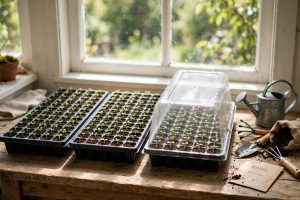
Seed Starting Trays for Sale USA: A Plain Guide for American Gardeners
February 15, 2026 0 views