
Many home gardeners ask the same plain question: organic herb seeds where to buy usa, and how to know the seeds are good. The answer is simple once you know what to look for. Seeds grown without man-made chemicals are easy to find in the United States today. Garden centers, mail-order seed houses, and farm stores all carry them. This guide walks through the best places to shop, what the labels mean, what you should pay, and how to start your herbs from seed with strong results.
Why Organic Herb Seeds Matter
Herbs are the plants you cut and eat. Basil goes into sauce. Thyme goes into soup. Mint goes into tea. Because the leaves go straight from the garden to the kitchen, many gardeners prefer seeds that were grown without synthetic sprays. That is the core idea behind organic seed. The parent plants were raised under organic rules, and the seed was cleaned and packed without chemical treatments.
Organic herb seeds also tend to suit home gardens well. The kinds sold as organic are often open-pollinated kinds, which means you can save seed from your own plants and grow the same kind again next year. That saves money over time. It also keeps old garden kinds alive, which many gardeners value.
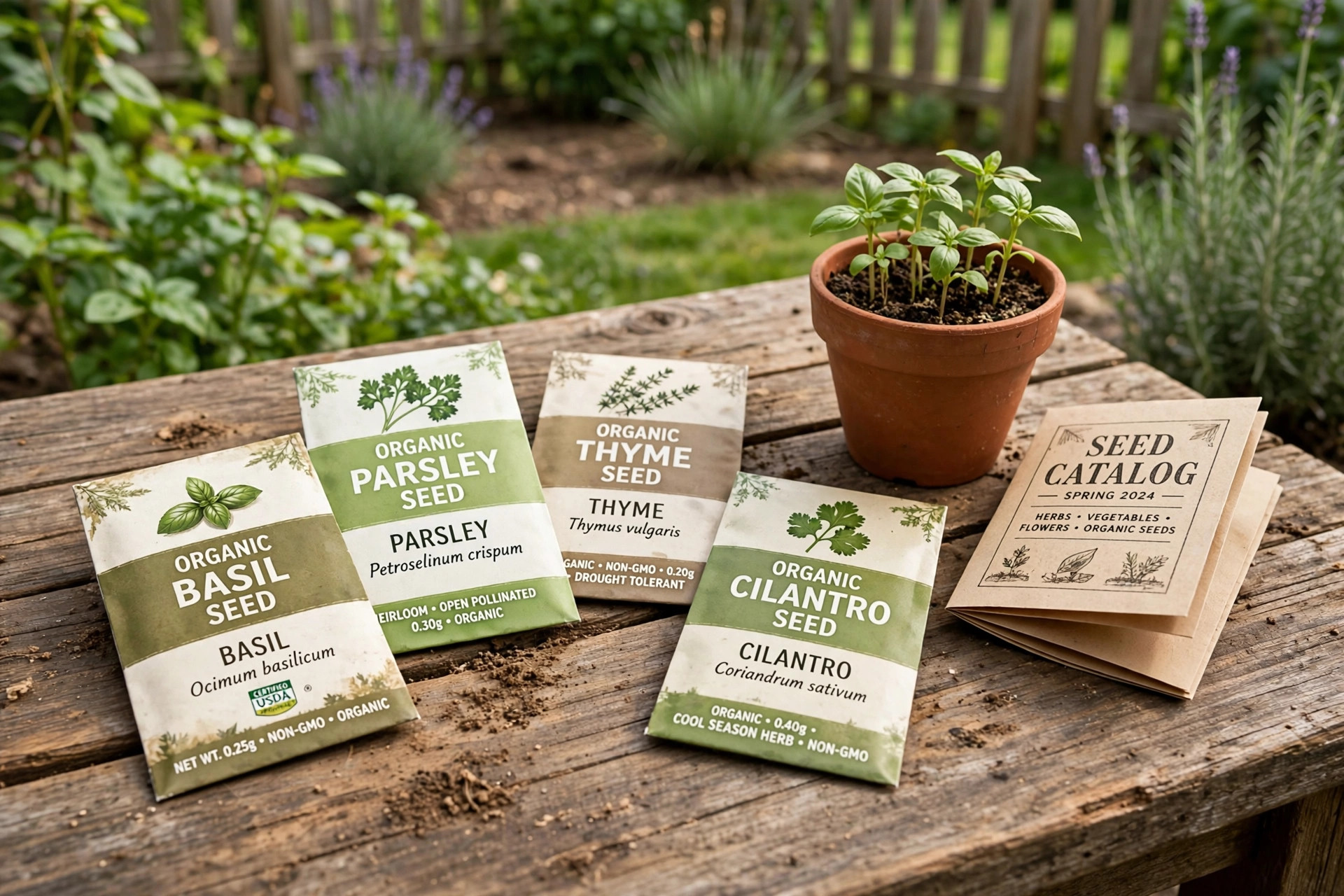
A third point is simple trust. A packet that says “certified organic” has been checked by a third party. That stamp means something real, while a bare word like “natural” on a packet means nothing under the law. When you shop for organic herb seeds where to buy usa, look for the USDA Organic seal on the packet. That seal tells you the claim has been verified.
Where to Buy Organic Herb Seeds in the USA: Organic Herb Seeds Where to Buy Usa
There are four main places to buy organic herb seeds in the United States. Each has its own strengths.
Mail-Order Seed Companies
The seed companies that sell by catalog and website carry the widest choice. A firm like Burpee has sold seed to American gardeners for many decades and carries organic herb lines each season. Park Seed is another long-standing mail-order house with a broad herb list. Gurney’s also ships seed across the country and marks its organic kinds clearly. These firms print full growing notes in their catalogs, which helps new gardeners. Order early in winter, because popular organic kinds sell out by March.
Specialty Nurseries and Growers
Some nurseries grow plants and also sell seed. White Flower Farm and Monrovia are known names in nursery stock, and many smaller regional nurseries now carry organic herb seed on their shelves or websites. The staff at a good local nursery can tell you which herbs do well in your county. That local advice is worth a great deal.
Garden Centers and Farm Stores
Big chain garden centers stock organic herb seeds each spring. The choice is smaller than a catalog, but the price is fair and you can hold the packet in your hand. Look for the USDA Organic seal before you buy. Farm and feed stores in farm country often carry organic seed too, sometimes at lower prices than garden chains.
Online Marketplaces and Co-ops
Online shopping brings hundreds of seed sellers to your screen. Stick to sellers with long track records and clear contact addresses. Seed co-ops and seed libraries, often run through public libraries, give away or trade seed at low cost. The Almanac planting calendars can help you time your order so seed arrives before your last frost date.
What to Look For on the Packet
A seed packet carries all the facts you need if you know how to read it. Start with the seal. “USDA Organic” in the green-and-white circle is the only claim that is checked by law. Words like “untreated” mean the seed was not coated with fungicide, which is good, but it is not the same as organic.
Next, check the date. Seed stays good for a set number of years, and herb seed is best in its first or second year. The packet should show the season it was packed for, such as “packed for 2026.” Do not buy packets with no date at all.
Read the variety name and the days to harvest. Basil “Genovese” takes about 68 days from seed to full plant. Cilantro “Slow Bolt” is bred to stand heat longer before it flowers. These details tell you what you will get. Also note the germination rate if it is printed. A rate of 85 percent or higher is strong.
Finally, check the seed count or weight. A packet that holds 200 seeds of parsley is a better buy than one that holds 50 seeds at the same price. Compare packets by seed count, not by packet size.
Types of Organic Herb Seeds to Consider
Herb seeds fall into a few plain groups, and it helps to know them before you shop.
Annual herbs finish their life in one season. Basil, cilantro, and dill are the common ones. You sow them fresh each spring. They are the easiest herbs to start from seed, and they give fast results, which makes them good for beginners.
Perennial herbs come back year after year. Thyme, oregano, sage, and chives are the main kinds. They grow slowly from seed in the first year, so many gardeners buy small plants for these and grow only the annuals from seed. If you do start perennials from seed, sow them early indoors.
Biennial herbs live two years. Parsley is the best known. It grows leaves the first year and flowers the second. Most gardeners treat parsley as an annual and sow it fresh each spring.
Heirloom and open-pollinated kinds are worth a note. These are old, stable kinds whose seed grows true. Many organic herb seeds sold in the USA are heirloom kinds. Hybrid kinds exist too, but they are less common in the organic herb trade.
For gardeners who want to start seeds indoors, seed starting trays sold by many of the same seed houses make the work neat and simple.
Cost and Price: What Is Fair
Organic herb seed is not dear. Most packets in the United States sell for between one and six dollars. The common price for a standard packet of basil, parsley, or cilantro seed is about three to four dollars. Larger packets for market gardeners cost more but bring the price per seed down.
Mail-order firms sometimes charge a shipping fee, so it pays to order several packets at once. Many firms ship free over a set order size. Garden centers charge no shipping, but the choice is smaller. Seed racks in stores sometimes hold last year’s packets at half price late in the season. Old seed still grows, but germination drops, so test a few seeds on a damp paper towel before you sow the whole packet.
Watch for false bargains. A packet with no organic seal, no date, and no variety name is not a bargain at any price. Pay a dollar more for a packet you can trust.
How to Start Herb Seeds With Good Results
Most herbs need warmth to sprout. Basil wants soil near 70 degrees. Parsley is slow and can take three weeks to show. A simple method works well. Fill small pots or trays with seed-starting mix, press the seed into the surface at the depth the packet states, water gently, and cover with clear plastic until green shows. Then move the pots to a bright window or under a shop light.
Light matters more than most beginners think. A sunny windowsill is often not enough in late winter. A plain fluorescent shop light hung two inches above the seedlings, left on fourteen hours a day, grows stocky plants. Thin air and a small fan also help; moving air makes stems strong.
Harden the plants before they go outside. Set them in shade for an hour the first day, then longer each day for a week. Plant out after the last frost. Herbs like soil that drains well. Most do fine in plain garden soil with some compost worked in.
If you grow vegetables from seed as well, you may enjoy browsing sunflower seed packs and onion sets from the same seed houses when you place your spring order.
Safety and Honest Practice
Herb seed is safe to handle, but a few plain rules apply. Wash your hands after handling seed-starting mix. Keep seed packets away from small children, since some packets carry small silica packs to keep seed dry. Do not eat seed meant for planting if it carries any treatment, though certified organic seed is untreated by rule.
Buy from sellers who print their address and phone number. A real seed house stands behind its seed. If a packet fails to sprout well within the stated germination rate, good firms will replace it. Keep your receipts until the seed is up and growing.
Government and university sources give sound, free advice on home food gardening. The National Institute of Food and Agriculture supports extension programs in every state, and your county extension office can answer local questions at no charge. For plain how-to notes on starting and tending plants, Gardening Know How and The Spruce keep large free libraries of growing guides. Proven Winners also publishes clear plant care notes that home gardeners find useful.
Frequently Asked Questions
How long do organic herb seeds stay good?
Most herb seeds keep for two to three years if stored cool and dry. Basil and parsley are best used within two years. Sage and thyme hold a bit longer. Keep packets in a sealed jar in the refrigerator, and they will last toward the long end of that range.
Are organic herb seeds harder to grow than regular seeds?
No. They grow the same way. The word organic describes how the parent plants were raised, not how you must raise the seedlings. Sow, water, and light them just as you would any herb seed.
Can I save seed from my own herb plants?
Yes, for open-pollinated kinds. Let a few plants flower and set seed, then dry the seed heads and store the seed in paper envelopes. Basil crosses easily with other basil kinds, so grow one kind alone if you plan to save its seed. Hybrid kinds will not grow true from saved seed.
When should I order seed for spring planting?
Order in January or February. That gives time for shipping and for starting slow herbs indoors six to eight weeks before your last frost. Popular organic kinds often sell out by early spring, so early orders get the best choice.
Do I need special soil to start herb seeds?
A bagged seed-starting mix works best. It is fine, clean, and drains well. Plain garden soil can carry weed seeds and disease, and it packs too hard in small pots. Do not add fertilizer until the seedlings have two sets of true leaves.
Are expensive herb seeds worth the price?
Sometimes. Costly seed is often newer or rare kinds, or seed with tested high germination. For common herbs like basil and parsley, the standard packets grow just as well. Spend more only when you want a special kind you cannot find elsewhere.
A Final Word
The question of organic herb seeds where to buy usa has a plain answer: buy from seed houses and nurseries with long names and clear labels, look for the USDA Organic seal, check the date, and order early. A few dollars of seed, sown with care, fills a kitchen garden with fresh herbs from spring to frost. Start small, keep notes on what grows well for you, and let each season teach you a little more.
References
Burpee. (n.d.). Seeds, plants, and gardening supplies. https://www.burpee.com Gardening Know How. (n.d.). Gardening guides and plant care. https://www.gardeningknowhow.com Gurney’s Seed & Nursery Co. (n.d.). Seeds, plants, and garden supplies. https://www.gurneys.com Monrovia. (n.d.). Plants for home gardens. https://www.monrovia.com National Institute of Food and Agriculture. (n.d.). Agricultural research and extension. https://www.nifa.usda.gov Park Seed. (n.d.). Seeds, plants, and gardening supplies. https://www.parkseed.com Proven Winners. (n.d.). Plants and gardening inspiration. https://www.provenwinners.com The Old Farmer’s Almanac. (n.d.). Gardening calendars and advice. https://www.almanac.com The Spruce. (n.d.). Home and garden advice. https://www.thespruce.com White Flower Farm. (n.d.). Plants, bulbs, and garden supplies. https://www.whiteflowerfarm.com
Was this guide helpful?

About Robert Taylor
The My Garden US editorial team writes practical, in-depth home and garden guides for American homeowners — tested advice, no fluff.
You May Also Like
Peat Pots for Seedlings: How to Find the Best Deals Near You
September 28, 2026 0 views
Sunflower Seed Packs for Sale USA: A Plain Buyer’s Guide
August 15, 2026 0 views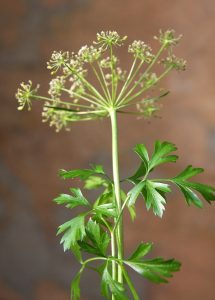
How to Grow Parsley: Fresh Herbs All Season
October 6, 2026 1 views