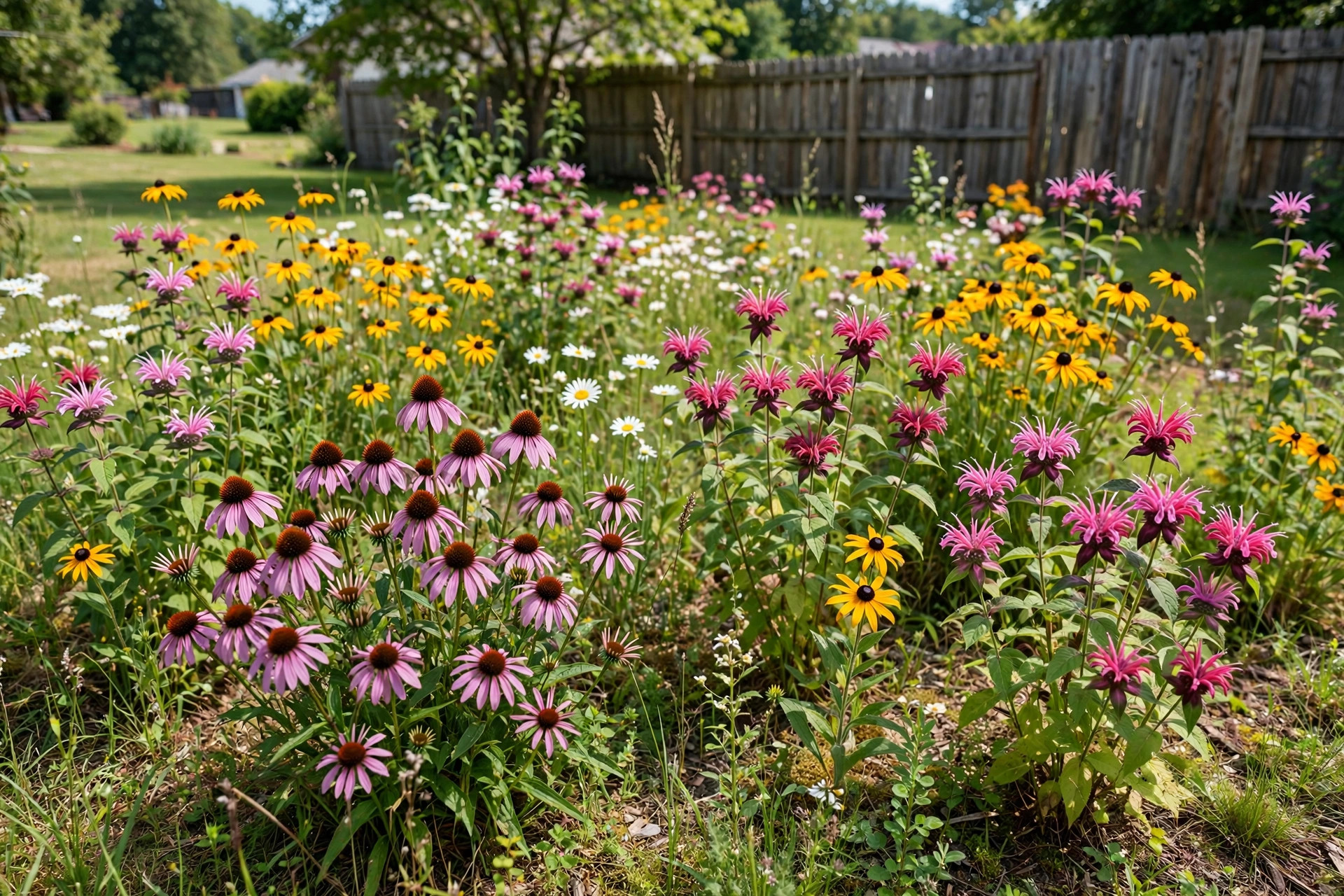

This wildflower seed mixes reviews buying guide USA was written for the everyday gardener who wants a bright yard with less work. Wildflower mixes promise easy color, help for bees and butterflies, and a garden that returns year after year. The store shelf tells a simple story. Some mixes are full of real native flowers. Others are mostly filler seed or plants that will not survive in your state. This guide explains how to read reviews with care, how to compare mixes, and how to choose the right one for your region of the United States.
Why Wildflower Mixes Matter
A lawn of plain grass asks for much and gives little back. It wants water every week. It wants fertilizer. It wants mowing. A wildflower patch asks for far less once it is set, and it gives back far more. Bees visit the blooms. Butterflies stop to feed. Birds come for the seeds in late summer. A small meadow in a backyard can support dozens of insect species that a plain lawn cannot.
There is also a plain money reason. Seed is cheap. A packet of good wildflower seed costs less than a single flat of bedding plants, yet it can cover a large bed. The buying guide for wildflower seed mixes on this site covers packet sizes and coverage rates in more depth. When shoppers look at wildflower seed mixes for sale in stores, the price per packet looks small, but the price per square foot of bloom is what matters.
Reviews matter because seed quality varies widely. One shopper plants a mix and gets a field of purple coneflowers. Another shopper plants the same brand and gets weeds and bare dirt. The difference is almost never luck. It is seed freshness, species choice, and whether the mix suits the local climate. Reading reviews before you buy is the cheapest insurance a gardener can get.
How to Read Reviews: Wildflower Seed Mixes Reviews Buying Guide Usa
Online reviews for seed are useful, but they need a careful eye. A five-star review written one month after planting tells you about germination. It tells you nothing about the second year. The best reviews come from people who planted in your part of the country and who report back after a full season or more. Look for reviews that name the state, the planting month, and the soil type. Vague praise is not data.
Watch for patterns across many reviews. If ten gardeners in Texas say a mix grew well, that mix probably suits Texas. If twenty gardeners say the seed never sprouted, trust the crowd. Be cautious with reviews that only describe the flowers in the picture on the packet. A packet photo shows the best possible result in a test plot, not your backyard.
Also note the date of the review. Seed companies change their mixes from year to year. A glowing review from five years ago may describe a formula that no longer exists. Reviews from the most recent growing season carry the most weight. Nursery catalogs often list the current species in each mix, which lets you check whether the old reviews still match the current packet.
What the Label Tells You
Turn the packet over. The back panel carries the facts that matter. It should list the species in the mix, at least by common name, and the percentage of each by weight. It should give a germination rate and a packed-for date or a sell-by date. Seed older than one year loses vigor. If the label lists no species at all and only says “wildflower mix,” put it back on the shelf. You are buying a mystery, and mysteries make poor gardens.
The label should also state whether the mix is annual, perennial, or a blend of both. Annuals bloom the first year and then die. Perennials take a year to settle and then bloom for many years. A good all-round mix blends both, so you get color in year one and a lasting meadow in year two. Regional labels matter too. A mix made for the Northeast will not thrive in the desert Southwest, and a planting calendar can confirm the right sowing window for your zone.
Types of Wildflower Mixes
Seed sellers group their mixes in several ways. Knowing the groups helps you pick the right one.
Regional Mixes
Regional mixes contain species native to one part of the country: the Midwest, the Southeast, the Pacific Northwest, and so on. These are usually the best choice. Native plants already know your weather. They handle your winter and your summer rain pattern. They need less water and less care than strangers from another region. Grower guides from nurseries often explain which natives suit which states.
Pollinator Mixes
Pollinator mixes are chosen to feed bees, butterflies, and hummingbirds. They lean toward flowers with open faces and rich nectar: coneflower, bee balm, black-eyed Susan, and milkweed. If your goal is wildlife, this is your category. Seed company guides often mark which of their mixes are certified for pollinators.
Annual-Only Mixes
Annual mixes bloom fast and bright in the first season. They are a good pick for a bare lot, a new home, or a school project where results must show quickly. The drawback is clear. They must be replanted every spring. They do not build a lasting meadow.
Perennial Mixes
Perennial mixes are a long bet. The first year brings modest growth and few flowers. The plants spend their energy on roots. The second year brings real blooms, and the third year is often the best. Gardeners with patience get the richest reward. A native grass seed buying guide can help you add grasses to a perennial mix for a true meadow look.
Shade and Specialty Mixes
A few mixes are made for shade, for wet ground, or for poor dry soil. These suit spots where plain mixes fail. Under a maple tree or along a damp ditch, a specialty mix can succeed where a general mix gives up. Read the packet for the light and moisture needs before you buy.
What to Look for When You Buy
Beyond the species list, several details separate good seed from poor seed.
First, check the inert matter percentage. All seed packets contain some chaff and dust. A good packet keeps inert matter under a few percent. Cheap mixes can be one-third filler by weight. You pay for seed and get husks.
Second, check the weed seed percentage. The label must state it. Good seed lists weed seed at a tiny fraction of one percent or at zero. A high weed seed count means you are sowing next year’s weed problem along with your flowers.
Third, look for coated or pelleted seed only if you want it. Some mixes coat seeds in clay to make them easier to spread. The coating adds weight, so a coated packet holds fewer true seeds. For small yards, coating is fine. For large meadows, raw seed gives more plants per dollar.
Fourth, buy from sellers who store seed well. Heat and damp ruin germination. Seed companies that store seed in cool, dry warehouses and date their packets earn better reviews year after year. Gardeners on forums often report which sellers ship fresh seed and which ship old stock.
Fifth, match the sowing rate to your area. The packet states coverage, such as one ounce per one hundred square feet. Measure your bed before you shop. Buying too little leaves bare patches. Buying too much wastes money.
Cost and Price
Wildflower seed is one of the cheapest ways to plant a garden, but prices spread wide. A small packet for a home garden bed may cost a few dollars. A one-pound bag for a large meadow can cost twenty to forty dollars or more, depending on the species inside. Rare native seeds cost more than common annuals. This is normal. A pound of a cheap annual mix and a pound of a native perennial mix are different products.
Price per pound can mislead. What matters is price per square foot of coverage at the stated sowing rate. A twenty-dollar bag that covers one thousand square feet costs two cents per square foot. That is cheap color. Compare mixes on that basis, not on the sticker price.
Reviews often mention value. A mix that costs more but germinates at ninety percent is cheaper in the end than a bargain mix that germinates at forty percent. Keep your receipts and your notes. After one season you will know which brands earned your money. Many gardeners also check plant trial programs to see which varieties perform well before they buy seed.
Planting Your Mix
Good seed still needs good planting. Most failures come from poor seedbed work, not bad seed.
Clear the planting area first. Remove existing grass and weeds. This is the hard part, and it is the step most gardeners skip. Seed sown into live grass loses the fight for light and water. Smother the area with cardboard for a few weeks, or dig out the sod. The clean bed you make in spring pays you back all summer.
Sow at the right time. In most of the United States, early spring is best, after the last hard frost. In warm southern states, fall sowing also works well. The seed needs steady moisture to sprout. Water the bed gently after sowing and keep it damp for the first two or three weeks. Seed packet instructions give the exact depth, which for most wildflowers is a light covering of soil or no covering at all.
Do not bury the seed deep. Many wildflower seeds need light to germinate. Press them into the soil surface with a roller or the back of a rake. Then water with a fine spray so the seed does not wash away.
Care and Upkeep
A wildflower meadow is low care, not no care. The first year needs the most attention.
Water during dry spells in the first season. Once the roots are deep, most mixes survive on rain alone, except in very dry regions. Weed the bed by hand in the first months. Young wildflower seedlings look much like weed seedlings, so learn the look of your chosen species or weed lightly and carefully. Gardening how-to articles often show photos of common seedlings to help with this step.
Mow once a year, in late fall or early spring. Cut the dead stems to a few inches high and leave the cuttings or rake them off. This yearly mowing keeps woody weeds from taking over and lets light reach new seedlings. Do not fertilize. Rich soil favors weeds and makes wildflowers tall and floppy. Native flowers evolved in lean soil and prefer it that way.
Every few years, overseed thin spots in fall or spring. A meadow shifts over time. Some species fade and others spread. A light overseeding keeps the color balanced.
Safety
Wildflower gardening is safe work, but a few cautions apply. Wear gloves when clearing ground. Old lots can hide broken glass, thorns, and rusty metal. Keep seed packets away from small children and pets. Seed itself is not food, and some coatings contain clay and minerals that should not be eaten.
Check each species for toxicity if you have grazing animals or curious dogs. A few wildflowers, such as larkspur and foxglove, are poisonous if eaten in quantity. Most common meadow species are harmless, but a quick check of the species list against a poison plant reference is wise. Agricultural research agencies publish plant safety information that can guide this check.
Sun safety matters too. Planting and weeding happen outdoors in bright months. Wear a hat, use sunscreen, and drink water. Work in the cooler morning hours when you can.
Frequently Asked Questions
How long does wildflower seed stay good? Most wildflower seed stays viable for one to three years if kept cool and dry. Germination drops each year. For best results, buy fresh seed each season and check the packed-for date on the packet.
Can I sow wildflower seed over my existing lawn? You can, but results are poor. Grass outcompetes the seedlings for light and water. Clear the grass first for a real meadow. If you must try it, mow the grass very short, rake the soil bare in patches, and sow heavily.
Will wildflowers come back every year? Perennials will, once established. Annuals will only return if they drop seed and the seed finds bare soil. A blended mix gives first-year color from annuals and lasting plants from perennials.
How much seed do I need? Follow the packet rate, often about one ounce per one hundred to two hundred square feet. Measure your area first. It is better to sow a little thick than too thin, since not every seed sprouts.
Do wildflowers need fertilizer? No. Fertilizer feeds weeds faster than flowers and makes stems weak and floppy. Plant in ordinary soil and let the flowers adapt.
When will I see blooms? Annuals bloom eight to twelve weeks after spring sowing. Perennials grown from seed usually bloom in their second year. A mixed packet gives some color in year one and full glory in year two.
A Final Word
A wildflower meadow is one of the most rewarding projects a home gardener can take on. It costs little, asks little, and gives back color, birds, and butterflies for years. The work is front-loaded: choose the seed with care, read the reviews with a sharp eye, prepare the bed well, and water through the first dry weeks. Do the groundwork once, and nature does the rest.
References
Burpee. (n.d.). Seeds, plants, and gardening supplies. https://www.burpee.com Gardening Know How. (n.d.). Gardening guides and plant care. https://www.gardeningknowhow.com Gurney’s Seed & Nursery Co. (n.d.). Seeds, plants, and garden supplies. https://www.gurneys.com Monrovia. (n.d.). Plants for home gardens. https://www.monrovia.com National Institute of Food and Agriculture. (n.d.). Agricultural research and extension. https://www.nifa.usda.gov Park Seed. (n.d.). Seeds, plants, and gardening supplies. https://www.parkseed.com Proven Winners. (n.d.). Plants and gardening inspiration. https://www.provenwinners.com The Old Farmer’s Almanac. (n.d.). Gardening calendars and advice. https://www.almanac.com White Flower Farm. (n.d.). Plants, bulbs, and garden supplies. https://www.whiteflowerfarm.com
Was this guide helpful?

About David Wilson
The My Garden US editorial team writes practical, in-depth home and garden guides for American homeowners — tested advice, no fluff.
You May Also Like
Garlic Bulbs Planting Reviews Buying Guide USA: A Complete 2026 Planting and Buying Guide
June 8, 2026 0 views
Tulip Bulbs Fall: Where to Buy in the USA
January 22, 2026 0 views
Snake Plants Indoor: Where to Buy in the USA
April 24, 2026 0 views