
Introduction
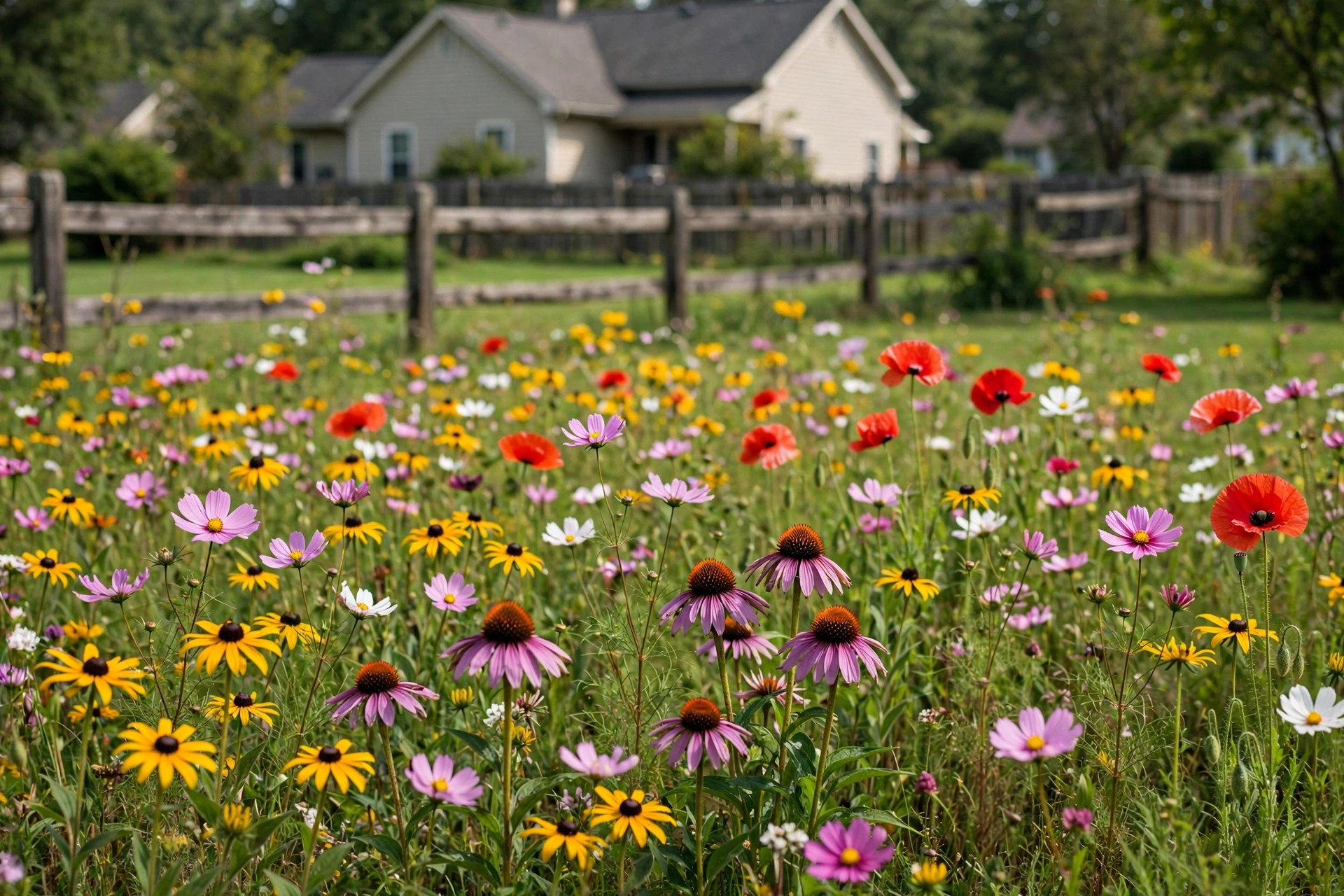
A field of wild blooms has a charm that few garden beds can match. Every year, more home gardeners search for wildflower seed mixes for sale USA wide. They want color. They want bees and butterflies. They want a yard that asks little and gives much. A good wildflower mix can do all three. It turns bare soil into a living picture. But not all seed mixes are equal. Some hold strong native seed. Others hold filler that never sprouts. This guide explains what wildflower seed mixes are, how to buy them with care, what they cost, and how to plant and keep them. It is written for the home gardener who wants facts and plain advice. Whether you own a small city lot or several acres, you will find steps you can use this season. We also point to trusted seed sources and garden references along the way.
Why Wildflower Seed Mixes Matter: Wildflower Seed Mixes for Sale Usa
Lawns take time and money. They need mowing, water, and feed. A wildflower meadow needs far less. Once the plants take root, rain does most of the work. Native blooms feed bees, moths, and butterflies. Birds eat the seed heads in fall. The mix also helps the soil. Roots hold the earth in place and add organic matter as they decay. Many towns now allow “no-mow” yards, and some even reward them. A wildflower patch cuts the need for sprays and fertilizer. That keeps runoff out of local streams. For a gardener on a budget, few projects beat a meadow. A few pounds of seed can cover a large area. And the payoff lasts for years when you pick the right mix for your land.
What to Look for When You Buy
Shopping for wildflower seed mixes for sale USA requires a careful eye. Read the seed label like you would a food label. Here are the points that matter most.
Species List
A good label names every species in the packet. It should list both Latin and common names. Look for mixes with named varieties such as black-eyed Susan, purple coneflower, and wild bergamot. Avoid mixes that list only “wildflower blend” with no detail. Seed guides from Gurney’s and Burpee show how a clear species list looks. Each entry should note whether the plant is an annual or a perennial.
Region Match
The United States has many growing zones. A mix made for the Northeast may fail in Texas heat. Choose a mix built for your region. The Old Farmer’s Almanac planting resources at The Old Farmer’s Almanac offer zone charts that help you match seed to climate. Regional mixes bloom on time and reseed well. Generic “all USA” mixes often include species that cannot survive your winters or summers.
Germination Rate and Purity
Labels show germination rate and pure seed percentage. High numbers mean more plants per pound. Aim for germination above 80 percent and purity above 95 percent. The National Institute of Food and Agriculture publishes guidance on seed quality standards that many buyers trust. Cheap seed with low germination costs more in the end, because you must buy twice as much.
Freshness and Weed Seed
Seed loses strength with age. Check the packed-for date. Seed packed this year or last year is best. The label must also state the weed seed content. Good sellers keep it near zero. Noxious weed seed should be listed as none found. If a seller hides this data, shop elsewhere.
Organic and Non-GMO Claims
Many buyers ask for organic or non-GMO seed. Wildflower seed is almost always non-GMO by nature, since no common wildflower has a engineered version. Certified organic seed comes from fields grown without synthetic sprays. It costs more. If the claim matters to you, look for a printed seal rather than a vague promise. Honest sellers show the certifier name right on the bag.
Types and Options on the Market
Seed sellers offer several kinds of mixes. Each fits a different goal.
Annual-Only Mixes
These bloom in the first season. Cosmos, poppies, and bachelor buttons grow fast and flower for months. They suit renters and new gardeners who want quick color. They do not return next year, so you must sow again.
Perennial Mixes
Perennials return year after year. Coneflowers, coreopsis, and bee balm build strong roots. The first year looks thin. The second and third years look full. Plant them where you plan to keep the bed long term.
Pollinator Mixes
These focus on bees and butterflies. They blend nectar plants that bloom from spring to fall. Proven Winners and Gardening Know How both describe pollinator planting plans that pair well with these mixes. If you keep hives or love butterflies, this is the best pick.
Native and Regional Blends
Native blends use species that grew in your area before lawns did. They need the least care. Many state wildflower societies publish native lists. Such mixes also help local wildlife more than exotic blends.
Seed-and-Mulch Kits
Some sellers coat seed in clay or mix it with mulch. These “seed balls” and mats make sowing easy on slopes. They cost more per square foot, but they save labor on hard spots.
For gardeners who want to pair wildflowers with food plants, our guide to organic herb seeds and our wildflower seed mixes buying guide give extra detail.
Deer-Resistant and Shade-Tolerant Options
Not every yard gets full sun. Some sellers now offer mixes built for part shade or for areas visited by deer. Shade mixes lean on species such as wild columbine and Jacob’s ladder. Deer-resistant mixes favor plants with strong scent or fuzzy leaves, like bee balm and yarrow. These specialty blends cost a little more, but they solve real problems. If your land backs onto woods, this kind of mix can be the difference between a meadow and a buffet for wildlife.
Cost and Price
Prices for wildflower seed mixes for sale USA vary by size and quality. Small packets for a 100-square-foot bed run about 8 to 15 dollars. A quarter pound covers roughly 500 square feet and costs 20 to 35 dollars. A full pound covers about 2,000 square feet and costs 40 to 70 dollars. Bulk bags for acreage drop the per-pound price sharply. Expect to pay 25 to 45 dollars per pound in 50-pound sacks.
Do not judge price by weight alone. A cheap pound with 60 percent germination gives you less live seed than a pricier pound at 90 percent. Filler material such as rice hulls also adds weight. Divide the price by the pounds of pure live seed to compare true cost. Shipping adds to the total, so local pickup from a farm store can save money. Many gardeners buy one season ahead during fall sales and store seed cool and dry.
Hidden Costs to Watch
The seed itself is only part of the bill. Soil prep can cost you a weekend of labor or a rental fee for a sod cutter. A simple soil test runs 15 to 30 dollars and tells you the pH before you sow. If your soil is poor, a light layer of compost helps, and a cubic yard of compost costs 30 to 60 dollars in most areas. None of these are large sums, but they belong in your plan. A meadow still costs far less than the same area kept as turf over five years.
How to Plant a Wildflower Meadow
Good results come from good prep. Follow these steps in order.
1. Pick the Site
Choose a spot with at least six hours of sun. Most wildflowers fade in deep shade. Test drainage after rain. Standing water kills seed.
2. Kill the Old Grass
Remove weeds and turf before sowing. Smother the area with tarps for six to eight weeks, or till shallowly twice. Chemical-free methods take longer but leave the soil safe for seed.
3. Prepare a Firm Bed
Rake the soil smooth. Firm it with a roller or your feet. Seed needs close contact with soil. Do not work the soil deep, or you will wake buried weed seed.
4. Sow at the Right Rate
Most mixes call for 4 to 8 ounces per 1,000 square feet. Mix the seed with sand or sawdust at a ratio of about one part seed to four parts carrier. This helps you spread it evenly. Walk the area in two passes, north-south and east-west.
5. Press and Water
Press the seed into the soil with a roller or by walking over it. Do not bury it deep. Lightly water each day until sprouts appear, then ease off. Fall sowing works well in mild climates because winter rain does the watering.
Park Seed and White Flower Farm both publish seasonal sowing calendars that help you time this work.
Care and Upkeep
A meadow is not a lawn, but it still needs some care.
First year: Water during dry spells. Pull large weeds by hand. Expect bare patches. Do not mow until late fall.
Second year: Mow once in late fall or early spring to about six inches. This cuts back dead stems and lets light reach new growth. Remove the cuttings so they do not smother seedlings.
Ongoing: Watch for invasive plants each spring. Spot-pull them before they set seed. Every few years, you may need to overseed thin spots. Do not fertilize. Rich soil makes grasses crowd out flowers.
If bare spots bother you, a light overseed each fall keeps the stand dense. The Spruce gardening section offers seasonal checklists for meadow care that many gardeners follow.
Safety Notes
Wildflower seed is safe for most homes, but take a few cautions. Some species, such as foxglove and larkspur, are toxic if eaten. Keep small children and pets from chewing unknown plants. Read the species list and learn which plants need care. Wear gloves and a dust mask when handling large amounts of seed, since seed dust can irritate lungs. Store seed in sealed jars away from food and out of reach of children. If you spray near the meadow, shield it from drift. Many garden sprays harm the same pollinators your flowers attract.
Frequently Asked Questions
How long do wildflower seeds take to sprout?
Most sprout in 10 to 21 days when soil stays moist and warm. Cool-season species may wait until soil warms in spring. Fall-sown seed often rests all winter and sprouts when conditions turn right.
Can I plant wildflower seed over my existing lawn?
It rarely works well. Grass roots starve new seedlings of water and light. You will get far better results if you kill or remove the turf first. Patience in prep pays off in blooms.
How much area does one pound of seed cover?
About 2,000 square feet at standard rates. On poor soil, sow a bit heavier. On rich, weed-free beds, the standard rate is enough.
Will the meadow come back next year?
Annuals bloom once and die, but many reseed themselves. Perennials return from roots for years. A mix of both gives color now and a lasting stand later.
When is the best time to sow?
Spring sowing suits most of the country. Fall sowing works in mild-winter regions and lets seed stratify naturally over winter. Check your zone and the mix label for timing.
Are wildflower mixes good for bees?
Yes. Native wildflowers are among the best bee plants you can grow. Choose a pollinator mix with blooms across the seasons for the most benefit. For more on pairing flowers with grasses, see our native grass seed guide.
A Short Final Word
A wildflower meadow rewards the patient gardener. Buy quality seed matched to your region. Prepare the ground with care. Water the young plants and give them room. In return you get months of color, clouds of butterflies, and a yard that largely tends itself. The search for wildflower seed mixes for sale USA ends best when you read the label, know your zone, and sow at the right time. Start small if you are unsure. One bright patch this year can grow into a full meadow the next.
References
Burpee. (n.d.). Seeds, plants, and gardening supplies. https://www.burpee.com Gardening Know How. (n.d.). Gardening guides and plant care. https://www.gardeningknowhow.com Gurney’s Seed & Nursery Co. (n.d.). Seeds, plants, and garden supplies. https://www.gurneys.com National Institute of Food and Agriculture. (n.d.). Agricultural research and extension. https://www.nifa.usda.gov Park Seed. (n.d.). Seeds, plants, and gardening supplies. https://www.parkseed.com Proven Winners. (n.d.). Plants and gardening inspiration. https://www.provenwinners.com The Old Farmer’s Almanac. (n.d.). Gardening calendars and advice. https://www.almanac.com The Spruce. (n.d.). Home and garden advice. https://www.thespruce.com White Flower Farm. (n.d.). Plants, bulbs, and garden supplies. https://www.whiteflowerfarm.com
Was this guide helpful?

About David Wilson
The My Garden US editorial team writes practical, in-depth home and garden guides for American homeowners — tested advice, no fluff.
You May Also Like
Where to Buy Lavender Seed Packets in the USA
March 23, 2026 0 views
Daffodil Bulb Packs Where to Buy USA: A Plain Guide for Fall Planting
August 5, 2026 0 views
Seed Starting Trays California Homes USA: A Practical Growing Guide
March 2, 2026 0 views