---
Table of Contents
Table of Contents
- Native Milkweed Species for Monarch: Why Native Milkweed Matters
- The 8 Best Native Species
- 1. Common Milkweed (Asclepias syriaca)
- 2. Swamp Milkweed (Asclepias incarnata)
- 3. Butterfly Weed (Asclepias tuberosa)
- 4. Showy Milkweed (Asclepias speciosa)
- 5. Whorled Milkweed (Asclepias verticillata)
- 6. Prairie Milkweed (Asclepias sullivantii)
- 7. Antelope Horns (Asclepias asperula)
- 8. Poke Milkweed (Asclepias exaltata)
- Choosing for Your Region
- How to Plant Milkweed
- Caring Through the Seasons
- Building the Full Monarch Garden
- Buying Milkweed Safely
- The Bottom Line
- References
Monarch caterpillars eat exactly one thing: milkweed. No milkweed, no monarchs. It is that simple. The good news is that North America has dozens of native milkweed species, and at least one of them grows naturally near you. Plant the right one and your garden becomes a nursery for the most beloved butterfly on the continent. The rest of this guide covers native milkweed species for monarch in plain language.
But not all milkweed is equal. Native species support monarchs without the disease and migration problems linked to tropical milkweed. This guide covers the best native milkweed species for monarch butterfly gardens, region by region, plus how to plant and care for them.
Native Milkweed Species for Monarch: Why Native Milkweed Matters
When it comes to native milkweed species for monarch, getting the details right makes all the difference.
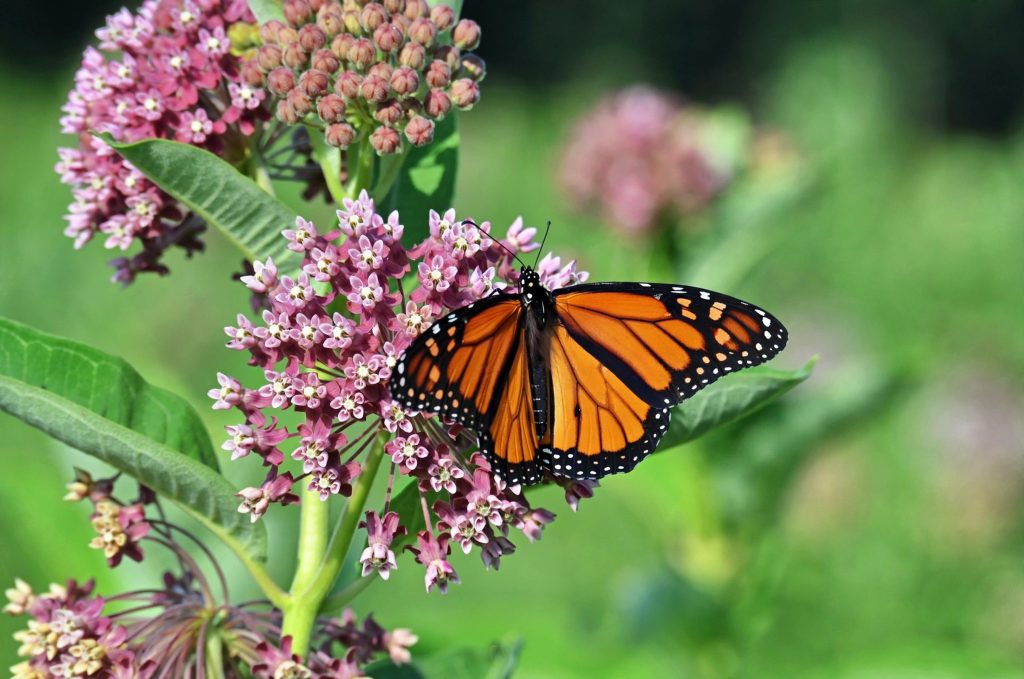

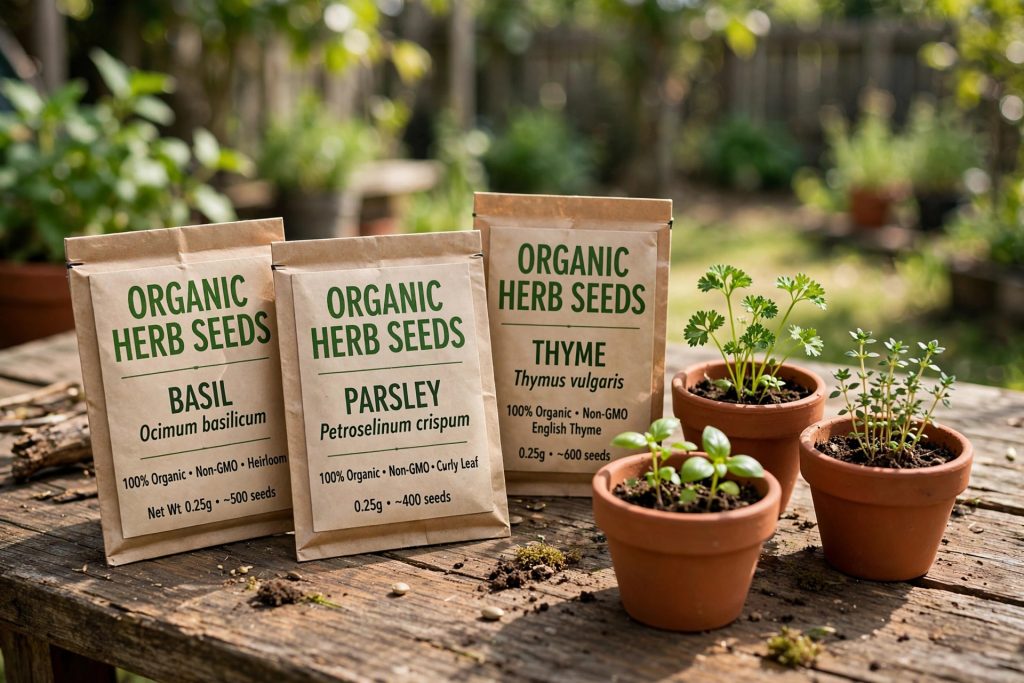
Many homeowners find that native milkweed species for monarch is easier than they expected once they know the basics.
Milkweed is the only plant monarch caterpillars can eat. Adult monarchs also drink its nectar. For millennia, monarchs and native milkweeds evolved together, timed to the same seasons.
Tropical milkweed (Asclepias curassavica) breaks that timing. In warm climates it stays green all winter instead of dying back. Monarchs linger instead of migrating. A parasite called OE builds up on the year-round foliage and infects the butterflies. The Xerces Society recommends planting only milkweed species native to your area and does not recommend tropical milkweed even where natives are hard to find (source).
Native milkweeds die back in winter naturally. That dieback breaks the parasite cycle and keeps monarchs on their migratory schedule. They also feed a whole web of native insects, from milkweed beetles to native bees, that tropical milkweed does not support as well. Natural Habitat Adventures' milkweed guide profiles common, butterfly weed, swamp, and antelope horn milkweeds as the top monarch plants across the country.
The rule is simple: plant the milkweed that evolved where you live.
The 8 Best Native Species
Many homeowners find that native milkweed species for monarch is easier than they expected once they know the basics.
The key to native milkweed species for monarch is choosing the right approach for your space and budget.
1. Common Milkweed (Asclepias syriaca)
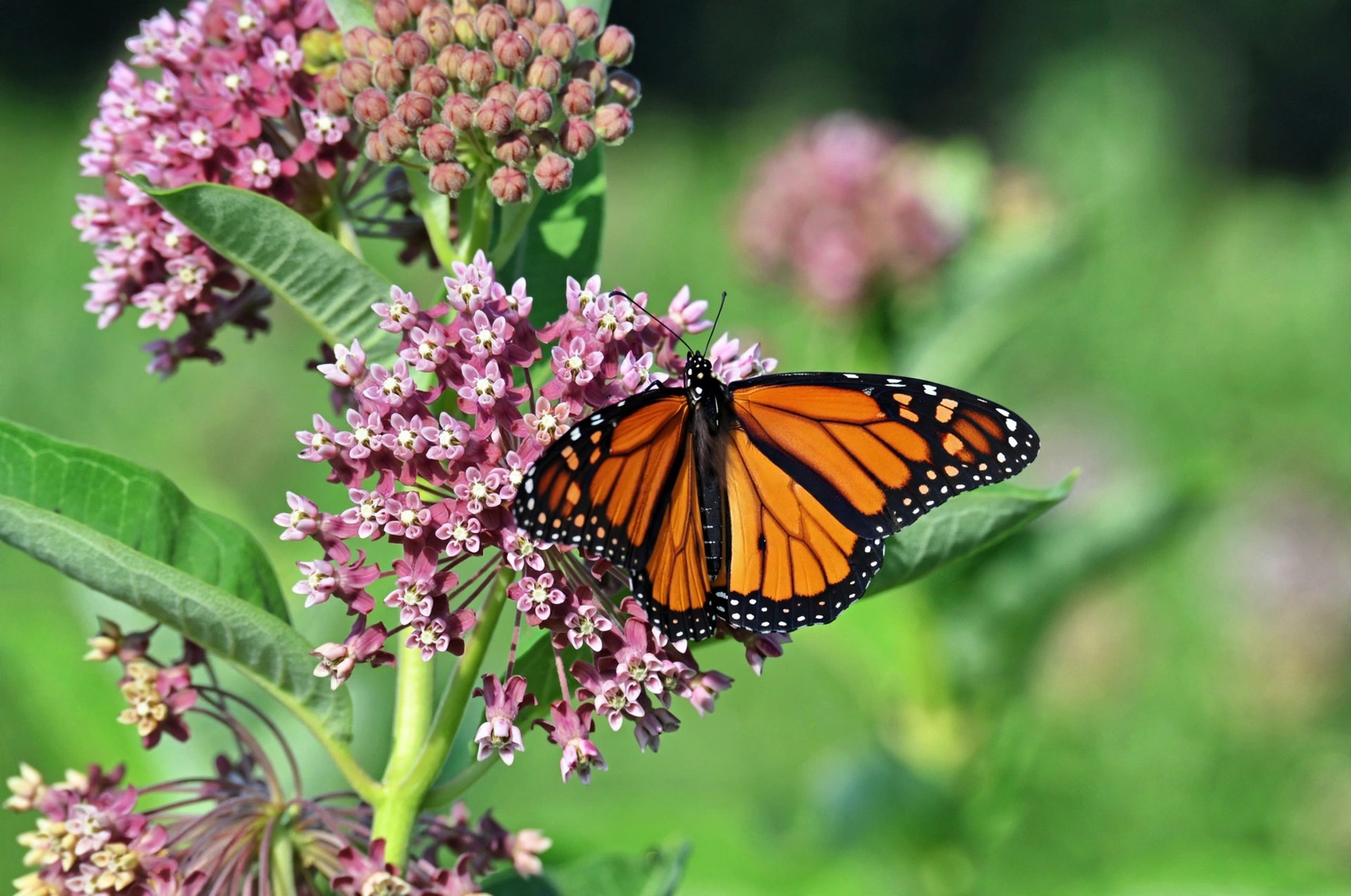
The classic. Tall, with big fragrant balls of pinkish-purple flowers and broad leaves. It spreads by underground runners and can form colonies, which is perfect for meadows and large gardens but pushy in small beds. The most important monarch host plant across the eastern and central United States. The Missouri Department of Conservation's field guide describes it as famous as a food plant for monarchs, common statewide in many habitats (source).
Best for: Eastern and Midwestern gardens with room to spread. Full sun, average soil.
2. Swamp Milkweed (Asclepias incarnata)
Do not let the name fool you. It likes moisture but grows fine in average garden soil. Neat, clump-forming habit with rose-pink flower clusters. One of the best-behaved milkweeds for flower beds. Monarchs prefer it highly, and it also feeds native bees.
Best for: Rain gardens, pond edges, low spots, and tidy perennial borders. Full sun to part shade.
3. Butterfly Weed (Asclepias tuberosa)
The showstopper. Brilliant orange flowers on a compact, well-behaved plant that stays where you put it. Drought tolerant with a deep taproot. The most widely available native milkweed in nurseries, which makes it the easiest choice for beginners. Our butterfly weed growing guide covers it in detail.
Best for: Dry, sunny spots, small gardens, and containers. Full sun, well-drained soil.
4. Showy Milkweed (Asclepias speciosa)
The western counterpart to common milkweed. Star-shaped pink flowers on sturdy stems. Tough and drought tolerant once established. The top choice for gardens west of the Rockies.
Best for: Western gardens, dry slopes, meadow plantings. Full sun.
5. Whorled Milkweed (Asclepias verticillata)
Delicate and fine-textured, with narrow leaves and small white flower clusters. Stays short, around one to two feet. Lovely in drifts at the front of a border. Tolerates dry, sandy, poor soils where little else thrives.
Best for: Small gardens, sandy soils, front-of-border planting. Full sun.
6. Prairie Milkweed (Asclepias sullivantii)
Similar to common milkweed but smoother, with less hairy leaves and a neater habit. Less aggressive spreader. A refined choice for Midwestern prairie-style gardens.
Best for: Midwest gardens, clay soils, prairie restorations. Full sun.
7. Antelope Horns (Asclepias asperula)
A clump-forming beauty for the south-central states, with greenish-white and purple flowers. Made for heat and drought. Recommended by Monarch Watch for Texas and Oklahoma plantings.
Best for: Texas, Oklahoma, and the southern plains. Full sun, dry soil. Kid Seed Co.'s milkweed guide adds that gardeners should avoid tropical milkweed in warm climates, where it disrupts migration and spreads the OE parasite.
8. Poke Milkweed (Asclepias exaltata)
The shade-tolerant exception. Most milkweeds demand full sun, but poke milkweed handles part shade and woodland edges. White to pale pink flowers. A good choice for gardens with mature trees.
Best for: Eastern woodland edges and part-shade gardens.
Illinois Extension's monarch garden guide lists swamp, butterfly weed, common, prairie, and whorled milkweed as monarch-preferred species for home plantings (source).
Choosing for Your Region
The key to native milkweed species for monarch is choosing the right approach for your space and budget.
With a little planning, native milkweed species for monarch can fit even a busy schedule.
- Northeast and Mid-Atlantic: Common, swamp, butterfly weed, poke (for shade), whorled.
- Southeast: Butterfly weed, swamp, whorled, plus regional species like aquatic milkweed in wet spots.
- Midwest: Common, prairie, swamp, butterfly weed, whorled.
- Texas and South-Central: Antelope horns, butterfly weed, swamp (in moist spots).
- West: Showy milkweed, plus narrow-leaved milkweed in California.
- Southwest deserts: Desert-adapted species like rush milkweed; check a local native plant society.
When in doubt, ask your state's native plant society or check the Xerces Society's regional milkweed guides. Local ecotypes, grown from seed collected near you, establish best. Butterfly Boogie's monarch and milkweed guide includes a handy table matching each species to its flower color, height, and preferred habitat.
How to Plant Milkweed
With a little planning, native milkweed species for monarch can fit even a busy schedule.
Before you start, it helps to understand how native milkweed species for monarch works in real homes.
From seed: Many milkweeds need cold stratification, a period of cold damp conditions that breaks seed dormancy. The easy way: sow outdoors in fall and let winter do the work. Or mix seeds with damp sand in a bag in the refrigerator for a month, then sow indoors. Do not bury seeds deep. Press them onto the surface and keep them moist. Better Homes & Gardens' milkweed from seed tips recommend choosing milkweed native to your region, since local species sync with local monarch timing.
From plants: Spring planting is best. Dig a hole as deep as the pot and twice as wide. Butterfly weed resents root disturbance because of its taproot, so plant it carefully and water it in well. Mulch lightly, keeping mulch away from the stems.
Spacing: Give common and showy milkweed three feet or more. Clump-formers like swamp and butterfly weed can go 18 to 24 inches apart.
Sun: Full sun for almost all species. Six or more hours of direct light.
Soil: Most milkweeds are not fussy. Average garden soil works. Swamp milkweed wants moisture. Butterfly weed and whorled want sharp drainage.
Water: Water new plantings regularly the first season. After that, native milkweeds are tough. Butterfly weed and whorled milkweed are genuinely drought tolerant.
Caring Through the Seasons
Before you start, it helps to understand how native milkweed species for monarch works in real homes.
A good plan for native milkweed species for monarch saves time, money, and frustration.
Milkweed is low maintenance by design. A few notes:
- Do not spray. Insecticides kill caterpillars. That is the whole point of the planting. If aphids cluster on the stems (oleander aphids love milkweed), blast them off with water or leave them for ladybugs.
- Leave the stems standing through winter. They shelter beneficial insects. Cut back in spring when new shoots appear.
- Let some pods ripen if you want to save seed or share with neighbors. Collect pods when they split open and the silk starts to show.
- Expect chewing. A milkweed patch with no caterpillar damage is a milkweed patch with no caterpillars. Ragged leaves in summer mean the nursery is working. The plants bounce back.
Teatown's milkweed guide puts it well: an established milkweed may look ragged after caterpillars feed, then push new growth. It is a working nursery, not a showroom (source).
Building the Full Monarch Garden
A good plan for native milkweed species for monarch saves time, money, and frustration.
Milkweed feeds the caterpillars. Adult monarchs need nectar too, especially for the long migration. Surround your milkweed with nectar plants that bloom in sequence:
- Spring: wild columbine, penstemon, serviceberry
- Summer: coneflower, black-eyed Susan, bee balm, zinnias
- Fall: asters, goldenrod, sedum
Fall nectar is critical. Migrating monarchs fuel up on late blooms for the journey south. A garden that quits in August starves the fall migration. Plan for September and October flowers.
Add a shallow water source and avoid all pesticides, and your yard becomes a certified-worthy waystation. For general pollinator garden design, see how to attract pollinators to your garden.
Buying Milkweed Safely
For most people, native milkweed species for monarch comes down to a few smart choices.
A warning: some big-box and conventional nurseries sell milkweed treated with systemic insecticides. These poisons live inside the plant tissues and kill the very caterpillars you want to feed. Ask before you buy: "Has this plant been treated with neonicotinoids or other systemic insecticides?" If the seller cannot answer, buy elsewhere.
Best sources: native plant nurseries, native plant society sales, and reputable online native seed houses. Plants may cost a bit more. They are worth it. The Florida Association of Native Nurseries' native milkweed page urges gardeners to ask growers for native ecotypes and pass on tropical milkweed.
The Bottom Line
If you are new to native milkweed species for monarch, start with the simplest option and build from there.
Native milkweed species for monarch butterfly gardens are not hard to grow. Pick the species that evolved in your region. Plant it in sun. Do not spray. Let the caterpillars eat.
One plant helps. A patch helps more. A neighborhood of patches starts to look like the prairie the monarchs remember. Start with butterfly weed in a sunny corner this season, add swamp milkweed by the downspout next spring, and watch who shows up. For cutting-garden companions that also feed butterflies, see how to start a cut flower garden. Keep this guide handy the next time native milkweed species for monarch comes up.
References
When it comes to native milkweed species for monarch, getting the details right makes all the difference.
- Xerces Society. (n.d.). Milkweed FAQs. https://xerces.org/milkweed-faq
- Natural Habitat Adventures. (n.d.). Why milkweed matters: A guide to growing monarch habitat. https://www.nathab.com/blog/why-milkweed-matters-a-guide-to-growing-monarch-habitat
- University of Illinois Extension. (n.d.). Harvest milkweed pods; plant monarch butterfly garden. https://extension.illinois.edu/news-releases/harvest-milkweed-pods-plant-monarch-butterfly-garden
- Missouri Department of Conservation. (n.d.). Common milkweed field guide. https://MDC.mo.gov/discover-nature/field-guide/common-milkweed
- Teatown. (n.d.). Milkweed and monarchs. https://www.teatown.org/milkweed-and-monarchs/
- Kid Seed Co. (n.d.). Milkweed for monarchs: A vital plant and how to grow it. https://kidseedco.com/blogs/news/milkweed-for-monarchs-a-vital-plant-and-how-to-grow-it
- Butterfly Boogie. (n.d.). Monarch butterfly and milkweed: A crucial duo. https://butterflyboogie.com/monarch-butterfly-and-milkweed-a-crucial-duo/
- Better Homes & Gardens. (n.d.). 7 tips for growing milkweed from seed for monarch butterflies. https://www.bhg.com/how-to-grow-milkweed-from-seed-11960098
- Florida Association of Native Nurseries. (n.d.). Save our monarchs: Plant native milkweed. https://fann.org/info/why-plant-native/save-our-monarchs-plant-native-milkweed/
- GFL Outdoors. (n.d.). How to grow native milkweed and bring monarchs back to your garden. https://www.gfloutdoors.com/how-to-grow-native-milkweed-and-bring-monarchs-back-to-your-garden/
Many homeowners find that native milkweed species for monarch is easier than they expected once they know the basics.
Was this guide helpful?

About My Garden US
The My Garden US editorial team writes practical, in-depth home and garden guides for American homeowners — tested advice, no fluff.