---
Table of Contents
Table of Contents
Every parent knows the scene. You open the bedroom door and find a floor you cannot see. Clothes, toys, books, and mystery items form a landscape that seems to grow overnight. You say "clean your room." Your child hears static. Nothing happens. Everyone gets frustrated. If you are new to teach kids keep rooms tidy, start with the basics below.
Learning how to teach kids to keep their rooms tidy is not about finding the perfect punishment or the magic chore chart. It is about building systems a child can actually follow and habits that stick. Here is what works, broken down by what your child can really do at each stage.
Teach Kids Keep Rooms Tidy: Start With Why They Struggle
When it comes to teach kids keep rooms tidy, getting the details right makes all the difference.
Many homeowners find that teach kids keep rooms tidy is easier than they expected once they know the basics.
"Clean your room" is one of the hardest instructions you can give a child. Parenting researchers explain that kids often experience tidying demands as overwhelming, not defiant. Think about what it actually asks. Survey the mess. Decide what goes where. Prioritize. Execute for an extended time without getting distracted. That is a massive executive function task, and children's brains are still building those skills well into the teen years.
When a child stares at a messy room and does nothing, it is usually overwhelm, not defiance. They literally do not know where to start. Breaking the job into tiny pieces is not coddling. It is matching the instruction to the brain doing the work.
Too much stuff is the other root cause. A room with three hundred toys cannot stay tidy, no matter how motivated the child. Every item is something to put away, step on, or lose. Before you teach tidying, reduce the inventory. Fewer things means less mess and faster cleanup. Most families find that cutting the toy collection in half doubles the tidiness overnight.
Unclear homes for things cause the rest. If the Legos have no designated bin, they live on the floor. If clean clothes have no drawer, they live on the bed. Children do not invent organization systems. They use the ones you build. A tidy room is mostly a well-designed room with a child in it.
Build the Room for Tidiness First
Many homeowners find that teach kids keep rooms tidy is easier than they expected once they know the basics.
The key to teach kids keep rooms tidy is choosing the right approach for your space and budget.
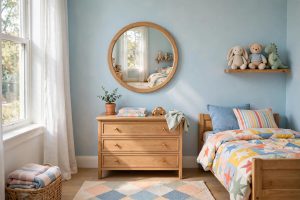
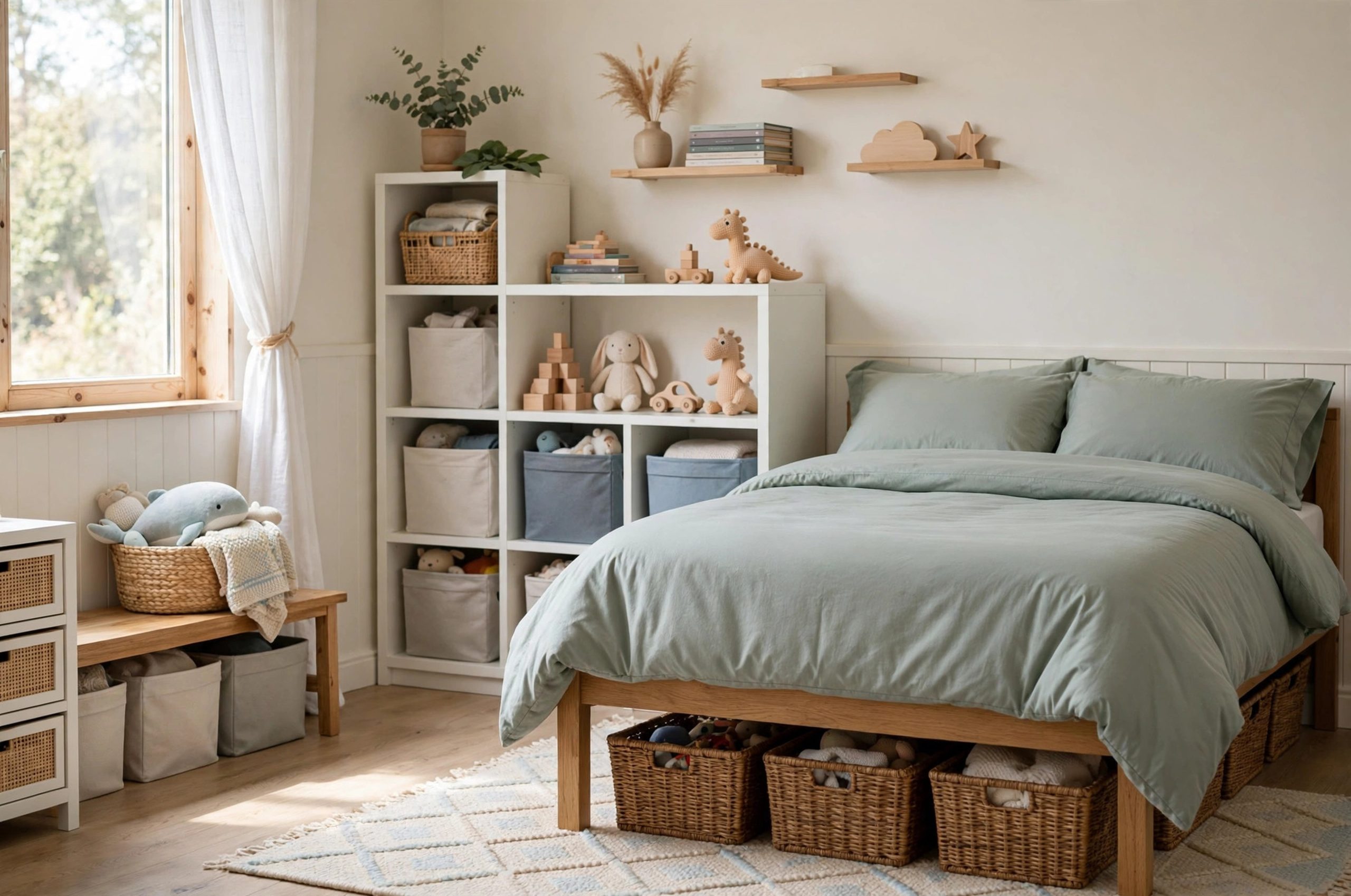
You cannot teach tidying in a room that fights back. Set up the space so that putting things away is the easy choice.
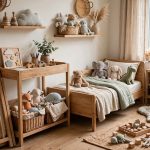
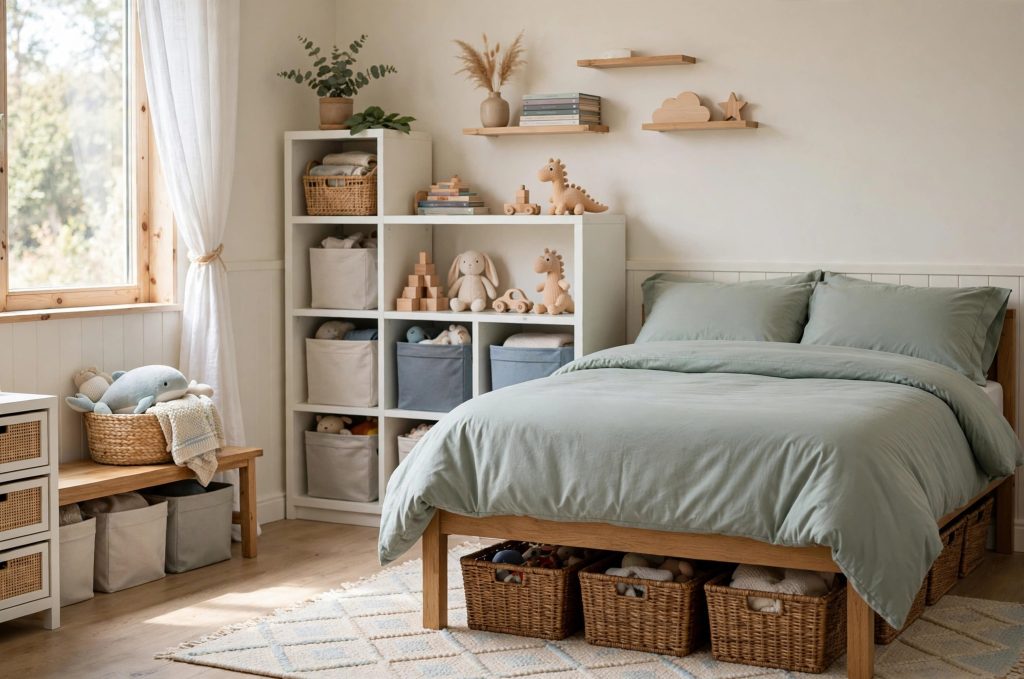
Give everything a home. Every category of stuff needs a labeled spot. Shared bedroom organization guides show how labeled zones keep even shared rooms tidy. Toys in bins, books on shelves, clothes in drawers, trash in a wastebasket. Use picture labels for young kids and word labels for readers. Kids' clothes organization tips recommend labeled dividers so children can sort and find things themselves. When a child holds a toy and can see exactly where it goes, cleanup becomes sorting instead of deciding.
Make the homes easy to use. Open bins beat lidded boxes for small children. Low shelves beat high closets. A hamper with a wide mouth beats one with a narrow lid. Every bit of friction between the messy hand and the right spot is a reason the item lands on the floor instead. Design for the laziest possible version of cleanup and you will get more of it.
Keep the system visible. Clear bins, open shelves, and labeled drawers let kids see the system working. A kids bookshelf corner unit for small bedroom keeps books visible and reachable, a trick shared-room storage ideas recommend for keeping things fair and findable. A nursery storage baskets for diapers and wipes style basket system works for toys, art supplies, and treasures at any age.
Reduce before you organize. Go through the room with your child and pull out everything broken, outgrown, or ignored for months. Guides to organizing kids' clothes start with the same purge-then-sort logic. Donate the good stuff. Toss the junk. Box up the maybe-items and store them out of sight for a month. If nobody asks for the box, donate it unopened. Most families are shocked by how much leaves and how little is missed.
Teach in Tiny Steps
The key to teach kids keep rooms tidy is choosing the right approach for your space and budget.
With a little planning, teach kids keep rooms tidy can fit even a busy schedule.
Do not teach "clean your room." Teach the pieces, one at a time, until the whole becomes automatic.
Start with one category. "Put all the books on the shelf" is a task a four-year-old can complete. Family cleaning guides suggest breaking jobs into small, winnable pieces and making it fun. When books are done, move to "put all the stuffed animals on the bed." Single-category cleanup turns an overwhelming job into a series of small wins. String enough wins together and the room gets clean.
Use the "one thing" rule for daily maintenance. Before bed, before screen time, or before dinner, everyone picks up ten things. Just ten. It takes five minutes and prevents the slow buildup that turns into a weekend disaster. Make it a family habit and it stops feeling like punishment.
Narrate the system while they learn. "The cars go in the blue bin. See? Blue bin for cars." Say it cheerfully, not as a lecture. You are installing the map in their head. After a few weeks of narration, stop narrating and watch. Most kids will follow the map on their own once it is truly learned.
Clean alongside them at first. Tidying together teaches the standard and makes the job social instead of solitary. Put on music, set a timer for fifteen minutes, and race to beat the clock. Gradually step back as they get competent. Your presence early on is teaching. Your absence later is trust.
Match the Method to the Age
With a little planning, teach kids keep rooms tidy can fit even a busy schedule.
Before you start, it helps to understand how teach kids keep rooms tidy works in real homes.
What works for a four-year-old backfires with a fourteen-year-old. Adjust the approach as they grow.
Toddlers and preschoolers need games. "Let's find all the red toys" turns cleanup into a treasure hunt. A kids wall decal growth chart for measuring height on the wall adds another game: "Can you put the blocks away before I measure how tall you are?" "Can you throw the soft toys into the basket from here?" adds a physical challenge. Sing a cleanup song that signals the routine. Keep sessions under ten minutes. Their attention span is the boss here, not your standards.
Early elementary kids respond to structure. A simple picture checklist on the wall breaks the room into zones. Bed zone, desk zone, floor zone, closet zone. They work through the zones in order and check each one off. Timers help. "Fifteen minutes, then we check" gives a clear endpoint. Sticker charts still motivate at this age, especially when stickers earn a small weekly reward.
Older elementary kids can handle real responsibility. Assign them permanent zones of the house beyond their room. One child owns the living room reset, another owns the shoe area. In their own room, shift from doing it with them to inspecting after. Check the work kindly but consistently. "The floor looks great. The desk still needs the papers sorted" teaches attention to detail without nagging.
Teenagers need respect and negotiation. IKEA's shared room ideas show how personal zones reduce conflict at any age. Barging in and reorganizing a teen's room feels like a violation to them, and they will defend the mess like territory. Instead, agree on standards together at a calm moment. What does "tidy enough" mean? Usually it means no food trash, clear floor, and made bed. Let the rest be their business. Use single-word reminders rather than lectures. "Dishes?" works better than a speech about responsibility.
With the basics clear, teach kids keep rooms tidy becomes straightforward.
Build Routines That Run Themselves
Before you start, it helps to understand how teach kids keep rooms tidy works in real homes.
A good plan for teach kids keep rooms tidy saves time, money, and frustration.
Willpower fails. Routines persist. The goal is tidiness that happens without a daily battle.
Attach tidying to existing anchors. Shoes come off at the door and go in the rack, every time. Backpack gets unpacked at the homework corner the moment they get home. Dirty clothes go in the hamper when they come off, not later. These micro-habits take seconds and prevent the slow creep of mess.
Create a daily reset. Ten minutes before bed, the whole family resets the main living areas and each child resets their room. Not a deep clean. Just a return to baseline. Beds get straightened, floors get cleared, trash gets tossed. A room that resets daily never reaches disaster level.
Do a weekly deeper pass together. Fifteen to twenty minutes on a set day for dusting, vacuuming, sheet changing, and shelf straightening. Put on music and do it as a family. When everyone works at once, it feels fair, and the house gets done fast.
Use natural consequences instead of lectures. Toys left on the living room floor go into a timeout box for a day. Clothes left on the bathroom floor do not get washed with the next load. These consequences teach cause and effect without anger. Keep them short and consistent. A toy in timeout for a week breeds resentment. A day teaches the lesson.
Handle the Resistance
A good plan for teach kids keep rooms tidy saves time, money, and frustration.
For most people, teach kids keep rooms tidy comes down to a few smart choices.
Some kids fight every step. Understanding the resistance helps you work around it.
The perfectionist freezes because they cannot do it perfectly. Tell them explicitly that done beats perfect. "Just get everything off the floor. We will sort the shelves tomorrow." Lowering the bar gets them moving, and movement beats paralysis.
The distracted child starts strong and wanders off. Stay nearby and redirect gently. Break the work into two-minute chunks with check-ins. "Put away the books, then come tell me" keeps them tethered to the task. Timers with audible alerts help them self-monitor as they get older.
The negotiator argues about every instruction. Reduce the surface for argument. Write the expectations down and post them. Point to the list instead of debating. "The list says floors clear before screens" ends discussions faster than any reasoning.
The teen who has given up needs a reset, not a punishment. Help them do one big cleanout together without judgment. Redesign the storage if the system is not working. Sometimes resistance is really a system failure wearing a attitude costume. Fix the system and the attitude often follows.
Stay calm through all of it. Yelling about mess teaches that mess causes yelling, not that tidiness matters. A calm, boring, consistent expectation outlasts every dramatic confrontation. You are playing the long game. The goal is an adult who keeps a decent home, not a child who fears inspection.
Praise the Process
For most people, teach kids keep rooms tidy comes down to a few smart choices.
If you are new to teach kids keep rooms tidy, start with the simplest option and build from there.
What gets noticed gets repeated. Catch them doing it right.
Notice small wins out loud. "You put all your books away without being asked. That was great." Specific praise beats general praise. It tells them exactly what to repeat. Do it in the moment, not hours later.
Praise effort over results. A lumpy bed made by a six-year-old deserves the same warmth as a perfect one. If you only praise perfect outcomes, kids stop trying. If you praise the trying, they keep practicing until the outcomes improve on their own.
Let natural pride do the heavy lifting. A child who keeps a tidy room enjoys finding things quickly, having friends over without embarrassment, and feeling in control of their space. Point out these benefits when they happen. "See how fast we found your library book? That is the tidy shelf paying off." Connecting the habit to its rewards teaches the why behind the what.
Avoid paying for basic tidiness. An allowance tied to keeping their own room clean teaches that personal responsibility is a paid service. Save paid chores for work that benefits the whole household beyond their own space. Their room is their job because they live there, the same way brushing teeth is their job because they own the teeth.
Keep It Going Long Term
If you are new to teach kids keep rooms tidy, start with the simplest option and build from there.
When it comes to teach kids keep rooms tidy, getting the details right makes all the difference.
Systems decay without maintenance. Plan for the long haul.
Revisit the storage twice a year. Kids grow, interests change, and the bin that held action figures now needs to hold art supplies. Seasonal organization systems make the twice-a-year audit painless. A quick seasonal audit keeps the homes for things matching the things themselves. Do it during the clothing rotation and it becomes one smooth session.
Adjust expectations upward slowly. The six-year-old who learned to clear the floor becomes the ten-year-old who can dust and vacuum too. Add one new responsibility each year. Gradual growth builds competence without overwhelm.
Model it yourself. Kids copy what they see far more than what they are told. A parent whose own spaces are chaotic cannot credibly demand tidiness. You do not need perfection. You need visible effort. Let them see you doing your own ten-minute reset.
Remember the real goal. It is not a showroom bedroom. It is a child who can manage their own space, respect shared spaces, and clean up after themselves without being managed. That skill takes years to build. Every small lesson, every routine, every calm redirection is a deposit. Be patient. The tidy adult at the end is worth the messy middle. A little care goes a long way with teach kids keep rooms tidy.
References
When it comes to teach kids keep rooms tidy, getting the details right makes all the difference.
Many homeowners find that teach kids keep rooms tidy is easier than they expected once they know the basics.
NewsDrum. (n.d.). How can you help your child tidy up their room without having a massive fight every time? https://www.newsdrum.in/international/how-can-you-help-your-child-tidy-up-their-room-without-having-a-massive-fight-every-time-6929231
Seattle's Child. (n.d.). How to get kids to clean and help out at home. https://www.seattleschild.com/how-to-get-kids-involved-in-cleaning-and-tidying-the-house/
Nori. (n.d.). How to organize kid's clothes: Tips for busy moms. https://nori.co/a/blog/how-to-organize-kids-clothes-tips-for-busy-moms
Gioinauan. (n.d.). Best way to store kids clothes: Organize and maintain neatness effortlessly. https://www.gioinauan.com/news/38080/best-way-to-store-kids-clothes
Yarafly. (n.d.). How to organize kids clothes easily and avoid chaos. https://yarafly.com/blogs/news/how-to-organize-kids-clothes
Parent Lightly. (n.d.). The best way to organize kids clothes for the season. https://parentlightly.com/seasonal-clothes-rotation-system/
My Decor Notes. (n.d.). Shared kids bedroom design: Organization tips for two. https://mydecornotes.com/kids-room-design-best-ideas-shared-childrens-bedrooms/
Zambet Gratis. (n.d.). Shared kids bedroom ideas: Smart and stylish spaces for siblings. https://zambetgratis.com/shared-kids-bedroom-ideas/
IKEA. (n.d.). A children's bedroom for two creative siblings. https://www.ikea.com/pt/en/rooms/childrens-room/gallery/how-to-decorate-a-shared-childrens-room-pubdd94c450/
The key to teach kids keep rooms tidy is choosing the right approach for your space and budget.
Many homeowners find that teach kids keep rooms tidy is easier than they expected once they know the basics.
The key to teach kids keep rooms tidy is choosing the right approach for your space and budget.
With a little planning, teach kids keep rooms tidy can fit even a busy schedule.
Before you start, it helps to understand how teach kids keep rooms tidy works in real homes.
A good plan for teach kids keep rooms tidy saves time, money, and frustration.
Was this guide helpful?

About My Garden US
The My Garden US editorial team writes practical, in-depth home and garden guides for American homeowners — tested advice, no fluff.
You May Also Like
Crib Mattress Topper for Extra Comfort Support: A Parent's Guide
August 20, 2026 17 views
Nursery Glider Chair with Ottoman for Breastfeeding
May 26, 2026 20 views
Low VOC Paint Picks for a Safer Nursery
October 24, 2026 23 views