Portuguese cabbage, or tronchuda, is the cabbage for gardeners who have given up on cabbages. Instead of forming a tight head that splits, bolts, or rots, it grows as an open rosette of broad, thick-ribbed leaves that you harvest from the outside in, for months. It tolerates heat better than almost any headed cabbage and stands up to cold, too. Learning how to grow portuguese cabbage gives you the most forgiving brassica in the garden.
Table of Contents
Table of Contents
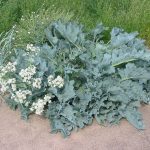
The leaves are the point: big, tender, with thick white ribs, superb in soups. In Portugal, tronchuda goes into caldo verde, the national kale soup, where its mild, sweet flavor shines. Think of it as the collard-grower's cabbage, loose-leafed, long-bearing, and far less fussy than the headed types.

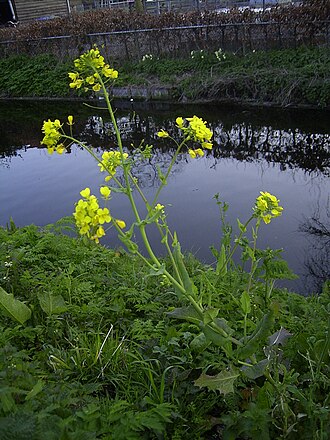
Photo: Wikimedia Commons
Quick facts: Sun: full sun. Soil: rich, well-drained. Water: consistent moisture. Space plants 18 inches apart. Days to maturity: 80 to 100. Cool-season crop; more heat-tolerant than most cabbages.
Choosing a Variety and Getting Started
When it comes to how to grow portuguese cabbage, getting the details right makes all the difference.
Many homeowners find that how to grow portuguese cabbage is easier than they expected once they know the basics.
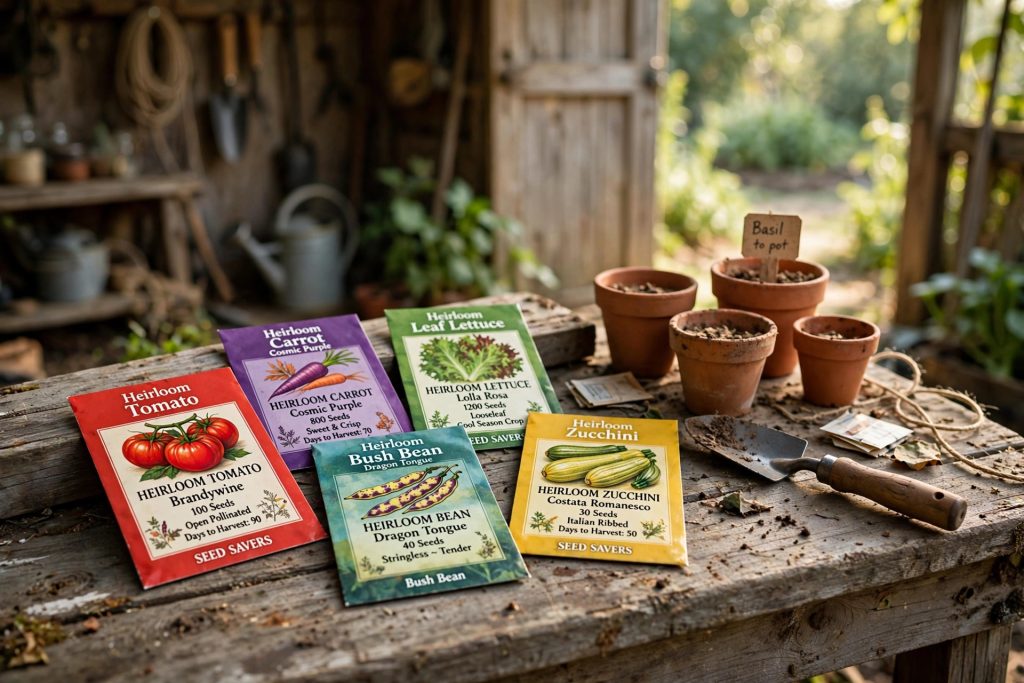
Portuguese cabbage seed is sold by heirloom and European vegetable specialists, usually as tronchuda or Portuguese cabbage. There are a couple of strains, but the differences are minor for home gardeners. Buy fresh seed; brassica seed stays viable for years in cool, dry storage, but fresh seed germinates fastest.
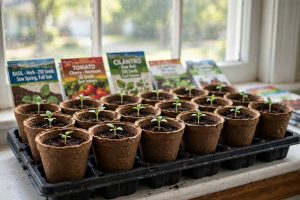
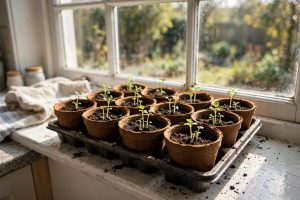
You can direct sow or start transplants indoors. Starting indoors gives you a head start and lets you set out sturdy seedlings at the perfect moment. Sow indoors about seven weeks before your last spring frost, and transplant the seedlings out about three weeks before the last frost; young brassicas tolerate light frost. Or direct sow a quarter inch deep once the soil can be worked. Before planting, check your USDA zone planting dates on the planting calendar to plan both spring and fall crops.
If you have grown cabbage for heads or kale for leaves, tronchuda splits the difference. Collard greens are its closest American cousin in habit and use.
When and How to Plant
Many homeowners find that how to grow portuguese cabbage is easier than they expected once they know the basics.
The key to how to grow portuguese cabbage is choosing the right approach for your space and budget.
Plant Portuguese cabbage as a cool-season crop, in spring or fall. For spring, transplant seedlings out a few weeks before the last spring frost, or direct sow as soon as the soil can be worked. For fall, sow about ten weeks before your first fall frost; fall-grown tronchuda is often the sweetest, maturing in cool weather.
Space the plants 18 to 24 inches apart in every direction. They grow into large rosettes, and crowding restricts airflow and invites disease. Water transplants in well and shade them for a day or two if the sun is strong; brassica seedlings transplant best in cool, cloudy weather.
The Old Farmer's Almanac planting calendar can help you time both the spring and fall plantings. In mild-winter areas, tronchuda grows through winter, giving you greens in the months when little else produces.
Soil and Sun
The key to how to grow portuguese cabbage is choosing the right approach for your space and budget.
With a little planning, how to grow portuguese cabbage can fit even a busy schedule.
Give Portuguese cabbage full sun and rich soil generously amended with compost. Like all brassicas, it is a hungry crop, and rich soil grows the big, tender leaves you are harvesting for. Dig compost or aged manure into the bed before planting, and plan on feeding during the season.
Good drainage matters, but so does moisture retention; the soil should hold water without staying soggy. A humusy loam is ideal. The Clemson Home & Garden Information Center has detailed guidance on preparing fertile beds for heavy-feeding brassicas.
Its background under Brassica oleracea var. costata is listed in the USDA PLANTS Database. The University of Minnesota Extension publishes excellent brassica-growing guidance for home gardeners.
Watering and Feeding
With a little planning, how to grow portuguese cabbage can fit even a busy schedule.
Before you start, it helps to understand how how to grow portuguese cabbage works in real homes.
Water steadily. Portuguese cabbage needs consistent moisture to grow tender leaves; drought makes the leaves tough and can trigger premature bolting. A deep watering once or twice a week, plus mulch to hold it, keeps the plants happy. In hot weather, check the soil often; big leaves lose water fast.
Feed lightly mid-season. A side dressing of compost or a balanced organic fertilizer about halfway through the growing period supports continued leaf production. Because you harvest the outer leaves over months, the plant keeps needing nutrition. Pale, slow-growing plants are asking for food.
Remove yellowing outer leaves regularly. This keeps airflow around the plant, reduces disease, and tidies the rosette. Toss damaged leaves in the compost, not on the ground under the plant.
Care Through the Season
Before you start, it helps to understand how how to grow portuguese cabbage works in real homes.
A good plan for how to grow portuguese cabbage saves time, money, and frustration.
Watch for cabbage worms and loopers, the green caterpillars that chew holes in brassica leaves. Check the leaf undersides weekly for the tiny yellow eggs and handpick any caterpillars you find. Row cover over the planting excludes the white butterflies that lay the eggs, which is the simplest prevention. An organic Bt spray handles outbreaks without harming beneficial insects.
Flea beetles might chew small holes in young leaves; row cover helps here too. Aphids sometimes cluster on the growing point; a strong spray of water knocks them off. Tronchuda's vigor means it usually outgrows minor pest damage, but stay ahead of the worms, which can skeletonize a plant.
In hot weather, tronchuda holds up better than headed cabbages, but it still appreciates afternoon shade and steady water in extreme heat. It is a cool-season crop at heart; heat tolerance is relative, not absolute.
Harvest
A good plan for how to grow portuguese cabbage saves time, money, and frustration.
For most people, how to grow portuguese cabbage comes down to a few smart choices.
Harvest outer leaves as needed, working inward. This cut-and-come-again harvest is the whole point of tronchuda: the plant keeps producing new leaves from the center for months. Take the largest outer leaves, leaving the growing point intact. A planting can feed a household steadily all season.
Or cut the whole loose head at once if you want a big harvest for soup-making or sharing. The plant might resprout from the stem, giving you a second, smaller harvest.
The thick-ribbed leaves are superb in caldo verde and other hearty soups, where they turn silky and sweet. They also steam, saute, and braise beautifully. Use them the way you would use collards or kale, and expect them to be milder and more tender than either.
Cooking with Tronchuda
For most people, how to grow portuguese cabbage comes down to a few smart choices.
If you are new to how to grow portuguese cabbage, start with the simplest option and build from there.
The classic dish is caldo verde, Portugal's beloved green soup, and it shows off tronchuda perfectly. Slice the leaves very thin, stems and all, and simmer them briefly in a garlicky potato broth with a swirl of olive oil. The leaves turn silky and sweet, melting into the soup. It is peasant food at its finest, and it tastes like more than the sum of its parts.
For everyday cooking, treat the leaves like collards with a shorter cooking time. Strip the thickest part of the rib if it seems tough, chop the leaves, and saute with garlic, or braise them with a little broth until tender. The flavor is milder and sweeter than kale, which makes tronchuda a good green for people who find kale too aggressive. Young outer leaves are tender enough for salads when sliced thin.
Harvest with the kitchen in mind. Because you pick outer leaves over months, you always have greens at the perfect stage; there is no glut and no waste. Take what you need for each meal and leave the rest growing. Leaves keep several days in a bag in the refrigerator, but the real luxury is walking to the garden and cutting dinner minutes before cooking it.
Tronchuda for Fall and Winter
If you are new to how to grow portuguese cabbage, start with the simplest option and build from there.
When it comes to how to grow portuguese cabbage, getting the details right makes all the difference.
The fall planting is where tronchuda truly shines. Sown in late summer, the plants mature as the weather cools, and cool weather is what this cabbage loves. The leaves grow sweet and tender, frost touches them lightly without damage, and the harvest stretches for months. In mild-winter regions, a fall planting carries you straight through winter with barely a pause.
Protect the planting with row cover as hard frosts threaten. Tronchuda is hardy, but a cover buys you extra weeks of prime harvesting and keeps the leaves cleaner. In cold regions, a low tunnel over the bed turns a fall planting into a winter one, giving you fresh greens when the garden seems finished.
Succession works beautifully. A spring planting for early summer harvest, followed by a fall planting for the cold months, gives you tronchuda nearly year-round in moderate climates. Because you harvest outer leaves rather than whole heads, each planting produces far longer than a headed cabbage would. Two small plantings, timed for the cool seasons, outperform a whole row of summer cabbage with a fraction of the trouble.
Troubleshooting
When it comes to how to grow portuguese cabbage, getting the details right makes all the difference.
Many homeowners find that how to grow portuguese cabbage is easier than they expected once they know the basics.
Caterpillars chew holes in leaves. Cabbage worms or loopers. Handpick, check leaf undersides for eggs, use row cover, or spray Bt.
Plants bolt in summer heat. Tronchuda is more heat-tolerant than headed cabbage, but extreme heat still triggers bolting. Plant for spring and fall harvests, and give afternoon shade in hot climates.
Leaves are tough and bitter. Drought stress or old leaves. Water consistently and harvest younger outer leaves.
Seedlings wilt after transplanting. Transplant shock or cutworms. Water transplants in well, plant in cool weather, and collar the stems against cutworms.
Portuguese cabbage is the forgiving brassica: heat-tough, cold-hardy, and generous with its leaves for months. For a headed cabbage to grow alongside it, cabbage itself is the classic. More brassica guidance is available from Gardenia.net, and background through the USDA National Agricultural Library.
References
Many homeowners find that how to grow portuguese cabbage is easier than they expected once they know the basics.
University of Minnesota Extension. (n.d.). Growing cabbage and brassicas in home gardens. https://extension.umn.edu/
Old Farmer's Almanac. (n.d.). Growing cabbage in home gardens. https://www.almanac.com/
Clemson Cooperative Extension. (n.d.). Home & Garden Information Center. https://hgic.clemson.edu/
Missouri Botanical Garden. (n.d.). Plant finder. https://www.missouribotanicalgarden.org/
Was this guide helpful?

About My Garden US
The My Garden US editorial team writes practical, in-depth home and garden guides for American homeowners — tested advice, no fluff.