Table of Contents
Table of Contents
Photo: Wikimedia Commons
Introduction
When it comes to how to grow purple yams, getting the details right makes all the difference.

Many homeowners find that how to grow purple yams is easier than they expected once they know the basics.
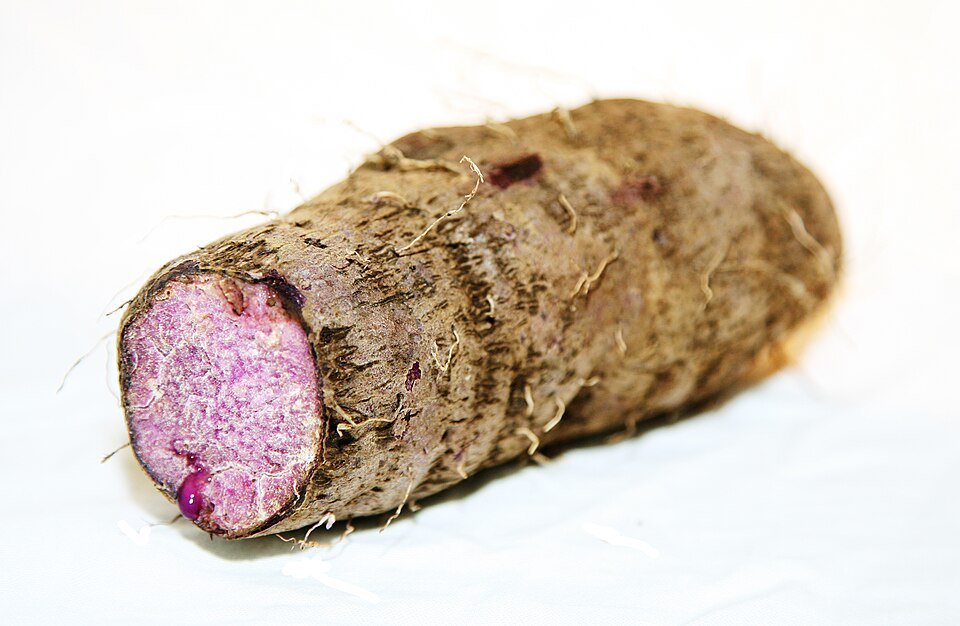
Purple yam, or ube, is famous for its vivid violet flesh - the star of Filipino desserts and a favorite of bakers everywhere. The vines are vigorous climbers, the tubers can grow very large, and the flavor is sweet and nutty. It needs a long, hot season to shine. This guide covers how to grow purple yams from seed to harvest, with timing based on your frost dates and USDA zones 9 to 12, so you can plan with confidence.
Here are the basics: it is hardy in USDA zones 9 to 12, which covers a narrower band of climates. It wants full sun and grows best in deep, loose, fertile soil. Space plants about 24 inches apart, and expect a long season of 240 to 300 days from sowing to harvest. Average garden watering keeps it happy.
Below you will find everything the home gardener needs: which types to buy, when and how to plant, what soil and water it likes, how to tend it through the season, when to harvest, and what to do when trouble shows up. It is worth the small effort for striking purple tubers for desserts and cooking.
Expect a learning curve of exactly one season. The first year you follow the steps below; the second year you adjust them to your soil and weather. That is how every good gardener learned how to grow purple yams, and there is no shortcut around it - but there is also no great mystery to it.
Choosing a Variety
Many homeowners find that how to grow purple yams is easier than they expected once they know the basics.
The key to how to grow purple yams is choosing the right approach for your space and budget.
Purple yam is grown from tuber pieces, usually sold as ube or Dioscorea alata by specialty suppliers. There is little variety choice for home gardeners; buy healthy, firm pieces and plant them after the soil warms.
Nursery plants and divisions are the easy start for this one, especially for beginners.
When you shop, match the days to maturity on the packet to your frost-free season. A variety that needs a longer season than you have will disappoint, no matter how good it sounds. Disease resistance is the next thing worth paying for, since it saves more crops than any spray. For variety details and photos, browse UF's Gardening Solutions.
When and How to Plant
The key to how to grow purple yams is choosing the right approach for your space and budget.
With a little planning, how to grow purple yams can fit even a busy schedule.
Transplant seedlings outdoors two weeks after your last spring frost. To pin down the exact week for your town, check your USDA zone planting dates at our planting calendar on our planting calendar.
Purple yams grow from tuber pieces planted 4 inches deep in deep, loose, fertile soil, spaced a foot apart at the base of a very tall trellis or tree. They need a long, hot, humid season and full sun; in cooler climates grow them in the warmest microclimate you have.
1. Time it by frost. Work out your last spring frost date first, then count back or forward the weeks given above. Warm soil wakes seeds up fast; cold soil just sits there.
2. Prepare the bed. Clear weeds, loosen the soil, and work in compost. Rake it level so water does not pool.
3. Sow or plant. Place tuber pieces four inches deep, spacing plants about 24 inches apart. Firm the soil gently so tuber pieces meets soil.
4. Water in well. Soak the bed after planting, then keep it evenly moist until seedlings are up and growing.
5. Thin or space. If seedlings crowd, thin to the final spacing. Crowded plants compete and stay small.
6. Label and mulch. Mark the row so you do not hoe it by accident, and mulch once plants are a few inches tall.
Get the timing and spacing right and the plants largely take care of themselves from here. Most failures trace back to sowing too early or too deep, so honor the frost dates and the depth. Compare notes with the Old Farmer's Almanac website if you want a second opinion.
Soil and Sun
With a little planning, how to grow purple yams can fit even a busy schedule.
Before you start, it helps to understand how how to grow purple yams works in real homes.
Light is the first decision. Full sun is the requirement, so choose an open bed and avoid the shadow of fences, walls, and trees. Plants starved of light grow leggy, flower poorly, and invite disease.
Aim for deep, loose, fertile soil. Work the bed a spade deep, pull out stones and roots, and blend in compost until the soil feels soft and crumbly. Raised beds are a fine answer where native soil is heavy or thin.
Mulch after planting to hold moisture and keep soil temperatures steady. Two to three inches of straw, shredded leaves, or bark does the job. Keep mulch a finger's width away from stems so air can move. For the botanical details on this species, USDA's PLANTS database lists its native range and needs, and the National Agricultural Library carries plain-language soil guidance.
Watering and Feeding
Before you start, it helps to understand how how to grow purple yams works in real homes.
A good plan for how to grow purple yams saves time, money, and frustration.
Plan on steady moisture in the growing season. Water deeply so moisture reaches the root zone, then let the top inch dry before watering again. Shallow daily sprinkles train roots to stay near the surface, where heat and drought hit hardest.
Fertilize with restraint. Rich soil and heavy feeding make many herbs and vegetables lush but weak, with washed-out flavor. Compost is the safest food; add a modest organic fertilizer only if growth clearly stalls. Watering and feeding checklists from Minnesota Extension's gardening pages are worth bookmarking.
Care Through the Season
A good plan for how to grow purple yams saves time, money, and frustration.
For most people, how to grow purple yams comes down to a few smart choices.
Water deeply and mulch heavily to feed the long growing season, and train vines upward early before they tangle. Nematodes can scar tubers in sandy soils; rotate planting spots and add organic matter. Keep the bed weed-free so young vines are not smothered.
> Grower's tip: Plant tuber pieces after the soil warms and give vines a tall trellis. Harvest before the first cold snap.
Stay ahead of weeds from the start. Young plants compete poorly, so keep the bed clean until the foliage closes over. Mulch helps, but nothing replaces a quick weekly pass with a hoe.
Gardeners who grow purple yam often grow Sweet Potato, Yacon, Taro in the same bed or nearby - they share similar needs and the harvests complement each other.
Keep notes. Jot down sowing dates, what worked, and what failed. Next season that notebook is worth more than any gardening book. For pest ID photos and seasonal task lists, see Gardenia's growing guides.
Harvest
For most people, how to grow purple yams comes down to a few smart choices.
If you are new to how to grow purple yams, start with the simplest option and build from there.
Dig tubers after the vines yellow and die back, taking care since prized tubers can weigh several pounds and run deep. Cure in a warm, airy spot for a week to sweeten them. Pro tip: wear gloves when handling cut tubers, since the sap can irritate skin.
Do not wait for perfection. Most crops have a harvest window, not a harvest moment, and picking a little early beats picking too late. Regular picking also signals many plants to keep producing.
Store the harvest properly and it pays you for weeks. Cool, dark, and airy suits most crops; the exact setup depends on what you grew. Storage and curing charts at the cooperative extension service are worth printing out.
Common Mistakes to Avoid
If you are new to how to grow purple yams, start with the simplest option and build from there.
When it comes to how to grow purple yams, getting the details right makes all the difference.
Here are the mistakes that trip up beginners with this crop. None of them is hard to avoid once you know what to watch for.
- Planting at the wrong time. Frost dates are not suggestions. Seed sown into cold soil rots or sits, and seedlings set out too early stall for weeks. Count your weeks from the last spring frost and trust the math.
- Sowing too deep. Small seed buried too far never emerges. Sow four inches deep - barely covering tiny seed is usually right - and press it into firm contact with moist soil.
- Crowding the plants. It is tempting to squeeze in extra, but 24-inch spacing exists for a reason. Crowded plants compete for light and water, stay small, and catch disease faster.
- Watering wrong. Both extremes hurt: soggy soil rots roots and invites disease, while drought stress at the wrong moment ruins the harvest. steady moisture in the growing season is the target - learn what that feels like in your soil.
- Feeding too much. Extra fertilizer does not buy extra harvest here. It buys soft growth, fewer flowers, and washed-out flavor. Compost first, fertilizer only if plants clearly ask for it.
Troubleshooting
When it comes to how to grow purple yams, getting the details right makes all the difference.
First, an honest limit: Tropical yam needing 8-10 warm months; only zones 9-12 provide a long enough frost-free season. Knowing where a plant will not thrive saves more disappointment than any trick.
Common Pests
Watch for aphids clustering on new growth, slugs rasping leaves on damp nights, and cutworms felling seedlings at the soil line. Collars around seedling stems stop cutworms; handpicking at dusk handles slugs; a hard spray of water knocks aphids down. Beneficial insects do the rest if you skip broad-spectrum sprays.
Common Problems
Yellow leaves usually mean too much water or too little food - check drainage first. Wilting in wet soil points to root trouble, not thirst. Powdery mildew shows up as white dust on leaves in humid weather; space plants for airflow and water the soil, not the foliage.
When in doubt, take a sample to Clemson Cooperative Extension or browse the diagnostic photos at the Missouri Botanical Garden - a correct ID beats a guess every time.
References
Many homeowners find that how to grow purple yams is easier than they expected once they know the basics.
University of Florida IFAS. (n.d.). Gardening solutions. https://gardeningsolutions.ifas.ufl.edu/
Old Farmer's Almanac. (n.d.). Planting calendar. https://www.almanac.com/planting-calendar
Clemson University Cooperative Extension. (n.d.). Home and garden information. https://clemson.edu/extension/
Old Farmer's Almanac. (n.d.). Gardening advice and planting guides. https://www.almanac.com/
U.S. Department of Agriculture. (n.d.). PLANTS database. https://plants.usda.gov/home
Was this guide helpful?

About My Garden US
The My Garden US editorial team writes practical, in-depth home and garden guides for American homeowners — tested advice, no fluff.