
Table of Contents
Table of Contents
Photo: Wikimedia Commons
Introduction
When it comes to how to grow black cohosh, getting the details right makes all the difference.

Many homeowners find that how to grow black cohosh is easier than they expected once they know the basics.
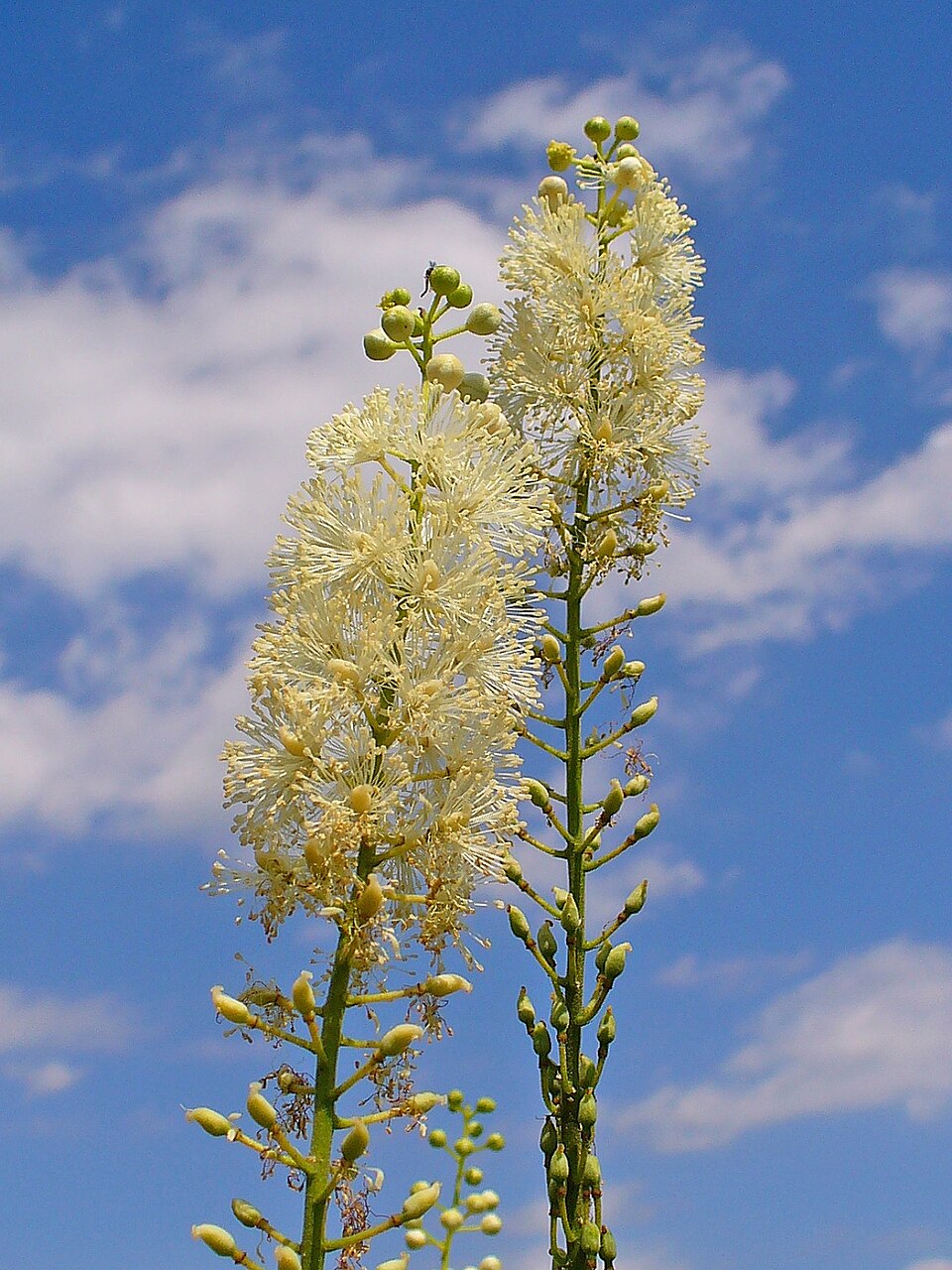
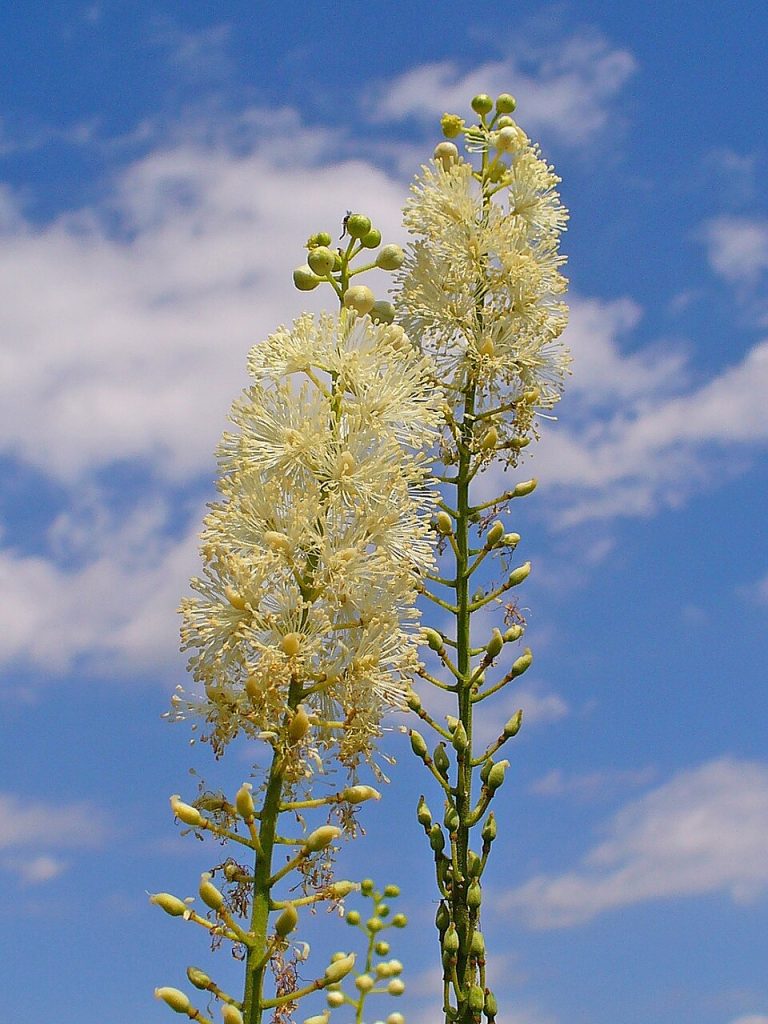
Black cohosh is a woodland showpiece. From a clump of divided leaves it sends up white flower spires that can reach six feet, lighting up deep shade in summer. It is also a long-used medicinal root, but most gardeners grow it simply because nothing else looks quite like it in a shade garden. This guide covers how to grow black cohosh from seed to harvest, with timing based on your frost dates and USDA zones 3 to 8, so you can plan with confidence.
The short version: Black Cohosh suits partial to full shade and rich, moist, humusy. Give each plant around 18 inches of room, and plan on two to three full seasons to reach its full stature before harvest. It is a long-lived woodland perennial, so plant it where it can do its thing undisturbed. Average garden watering keeps it happy.
In this guide you will find variety pointers, planting times by frost date, soil and water needs, season-long care, harvest tips, and fixes for common problems. Gardeners grow it for dramatic white flower spires for deep shade, plus a traditional medicinal root.
If you are new to this plant, relax. Gardeners have grown it with simple tools and plain methods for generations. Follow the timing, give it the soil and water described below, and you will harvest a crop you can be proud of.
Choosing a Variety
Many homeowners find that how to grow black cohosh is easier than they expected once they know the basics.
The key to how to grow black cohosh is choosing the right approach for your space and budget.
Sold as the straight species, Actaea racemosa (also labeled Cimicifuga racemosa on old tags), usually as potted plants or root divisions. There are no varieties to compare; buy healthy nursery-grown stock and plant it where it can stay for years.
Starting seeds indoors is the reliable route, since it gives young plants a safe head start before they face the weather.
Read the packet before you fall for the picture. Check that the days to harvest fit your season, and look for any mention of disease resistance. Fresh seed from a reputable house beats a bargain-bin packet every time - old seed is the quiet cause of many failed plantings. For variety details and photos, browse the Lady Bird Johnson Center.
When and How to Plant
The key to how to grow black cohosh is choosing the right approach for your space and budget.
With a little planning, how to grow black cohosh can fit even a busy schedule.
Start seeds indoors ten weeks after your last spring frost; set the young plants out right around your last spring frost; For a fall approach, sow or plant twelve weeks before your first fall frost. For dates tuned to your zip code, see a frost-date planting calendar for your zip code, and cross-check with our planting calendar.
Black cohosh is a stately woodland perennial for deep shade. Plant rhizome divisions in rich, moist, humus-heavy soil with the buds just below the surface, spacing 18 to 24 inches apart. It needs consistent moisture and shelter from wind - the tall white flower spires reach 6 feet. Mulch with leaves to mimic the forest floor.
Starting Seeds Indoors
Use small pots or cell trays filled with damp seed-starting mix. Sow, cover lightly, and keep the mix moist but not soggy. A warm spot speeds germination; a sunny windowsill or a simple shop light works fine. Harden seedlings off for a week before they move outside.
1. Time it by frost. Work out your last spring frost date first, then count back or forward the weeks given above. A week of patience beats a month of nursing chilled seedlings.
2. Prepare the bed. Clear weeds, loosen the soil, and work in compost. Rake it level so water does not pool.
3. Sow or plant. Place divisions a quarter of an inch deep, spacing plants about 18 inches apart. Firm the soil gently so divisions meets soil.
4. Water in well. Soak the bed after planting, then keep it evenly moist until seedlings are up and growing.
5. Thin or space. If seedlings crowd, thin to the final spacing. Crowded plants compete and stay small.
6. Label and mulch. Mark the row so you do not hoe it by accident, and mulch once plants are a few inches tall.
Get the timing and spacing right and the plants largely take care of themselves from here. Most failures trace back to sowing too early or too deep, so honor the frost dates and the depth. Compare notes with the Farmer's Almanac gardening guides if you want a second opinion.
Soil and Sun
With a little planning, how to grow black cohosh can fit even a busy schedule.
Before you start, it helps to understand how how to grow black cohosh works in real homes.
This plant wants partial to full shade. In practice that means a spot that gets strong light for most of the day, with a little afternoon shade tolerated where summers run hot. Watch your yard for a day and note which beds hold sun the longest - that is where it belongs.
It grows best in rich, moist, humusy. Dig in a few inches of compost before planting; compost fixes both sandy soil that dries too fast and clay that stays too wet. If you are unsure what you have, squeeze a handful of damp soil - good garden loam holds together loosely and crumbles when poked.
Once plants are up, a layer of organic mulch keeps roots cool and cuts watering chores. Replenish it as it breaks down; the rotted remains feed the soil for next season. For the botanical details on this species, USDA's PLANTS database lists its native range and needs, and the USDA National Agricultural Library carries plain-language soil guidance.
Watering and Feeding
Before you start, it helps to understand how how to grow black cohosh works in real homes.
A good plan for how to grow black cohosh saves time, money, and frustration.
Its water needs are medium; keep evenly moist. A deep soaking once or twice a week beats a light sprinkle every day in most soils. Mulch stretches each watering further by slowing evaporation.
Fertilize with restraint. Rich soil and heavy feeding make many herbs and vegetables lush but weak, with washed-out flavor. Compost is the safest food; add a modest organic fertilizer only if growth clearly stalls. Watering and feeding checklists from Missouri Botanical Garden resources are worth bookmarking.
Care Through the Season
A good plan for how to grow black cohosh saves time, money, and frustration.
For most people, how to grow black cohosh comes down to a few smart choices.
Water deeply in dry spells; drought aborts the flower spikes. Top-dress with compost, never chemical fertilizer. Stake the tall spires in exposed spots. Slugs may damage young foliage. Leave the seed heads standing - they are ornamental and feed birds. Divide crowded clumps rather than digging the whole plant.
> Grower's tip: Seeds have double dormancy, so fall sowing outdoors and two winters of patience is the easy route. Mature plants send up dramatic tall white flower spikes in summer.
Weed early and weed often while plants are small. Once the canopy closes, weeds lose their chance, but a weed that gets a head start steals water and light all season. A hoe on a dry afternoon, ten minutes a week, keeps beds clean.
Gardeners who grow black cohosh often grow Goldenseal, Valerian, Motherwort in the same bed or nearby - they share similar needs and the harvests complement each other.
One more habit separates good growers from frustrated ones: walk the rows. You will spot the first aphid, the first chewed leaf, the first wilted stem - and early action is always the cheapest action. For pest ID photos and seasonal task lists, see Gardenia.net.
Harvest
For most people, how to grow black cohosh comes down to a few smart choices.
If you are new to how to grow black cohosh, start with the simplest option and build from there.
Harvest roots only from established clumps several years old, after the foliage dies back: lift a section, take outer root pieces, and replant the crown so the plant survives. Wash, chop, and dry roots thoroughly. Pro tip: black cohosh is a spectacular shade garden plant first and a medicine second - let it bloom and harvest only surplus divisions.
Keep tools clean and sharp. A clean cut heals faster than a tear, whether you are snipping stems or digging roots. Rinse harvests, dry them, and store as directed below.
What you do after picking matters as much as the picking. Cure, dry, or refrigerate promptly - field heat is the enemy of keeping quality. Storage and curing charts at the University of Minnesota Extension are worth printing out.
Common Mistakes to Avoid
If you are new to how to grow black cohosh, start with the simplest option and build from there.
When it comes to how to grow black cohosh, getting the details right makes all the difference.
Most disappointing results with this plant come from the same handful of errors. Run through this list before you sow and you will dodge nearly all of them.
- Planting at the wrong time. Frost dates are not suggestions. Seed sown into cold soil rots or sits, and seedlings set out too early stall for weeks. Count your weeks from the last spring frost and trust the math.
- Sowing too deep. Small seed buried too far never emerges. Sow a quarter of an inch deep - barely covering tiny seed is usually right - and press it into firm contact with moist soil.
- Crowding the plants. It is tempting to squeeze in extra, but 18-inch spacing exists for a reason. Crowded plants compete for light and water, stay small, and catch disease faster.
- Watering wrong. Both extremes hurt: soggy soil rots roots and invites disease, while drought stress at the wrong moment ruins the harvest. medium; keep evenly moist is the target - learn what that feels like in your soil.
- Giving up too soon. Slow germination is normal for this plant. Keep the bed moist and give it the full expected time before you declare the sowing a failure and start over.
Troubleshooting
When it comes to how to grow black cohosh, getting the details right makes all the difference.
Many homeowners find that how to grow black cohosh is easier than they expected once they know the basics.
Common Pests
Aphids, slugs, and flea beetles are the usual suspects on this plant. Blast aphids off with a strong jet of water, trap slugs with boards laid flat on the soil, and cover young seedlings with row fabric where flea beetles chew. Healthy, unstressed plants outgrow light damage on their own.
Common Problems
Poor germination almost always traces to old seed, cold soil, or sowing too deep. Leggy seedlings mean too little light. If growth stalls mid-season, side-dress with compost and check that mulch has not piled against the stems. Rotate crops so the same family does not follow itself in the same bed.
When in doubt, take a sample to Clemson Cooperative Extension or browse the diagnostic photos at Clemson's Home and Garden Information Center - a correct ID beats a guess every time.
References
Many homeowners find that how to grow black cohosh is easier than they expected once they know the basics.
The key to how to grow black cohosh is choosing the right approach for your space and budget.
Lady Bird Johnson Wildflower Center. (n.d.). Native plant database. https://www.wildflower.org/plants/
Old Farmer's Almanac. (n.d.). Planting calendar. https://www.almanac.com/planting-calendar
Clemson University Cooperative Extension. (n.d.). Home and garden information. https://clemson.edu/extension/
Old Farmer's Almanac. (n.d.). Gardening advice and planting guides. https://www.almanac.com/
U.S. Department of Agriculture. (n.d.). PLANTS database. https://plants.usda.gov/home
Was this guide helpful?

About My Garden US
The My Garden US editorial team writes practical, in-depth home and garden guides for American homeowners — tested advice, no fluff.