When the rest of the garden is winding down, chrysanthemums are just getting started. Chrysanthemum x morifolium - garden mums - explode into bloom as days shorten, covering themselves in daisies of bronze, gold, rust, pink, and white exactly when the landscape needs color most. Learning how to grow chrysanthemums is about timing: plant in spring, pinch through midsummer, and let the shortening days trigger one of the great shows of the gardening year.
Table of Contents
Table of Contents
Mums have a reputation as disposable fall decorations - the potted plants from the garden center that get tossed after frost. But hardy garden mums are true perennials in much of the country, returning bigger each year when planted right. The secret is spring planting, not fall: mums planted in spring establish the root systems that survive winter, while fall-planted mums often fail. Plant them when the garden centers are selling tomatoes, and they will reward you for years.

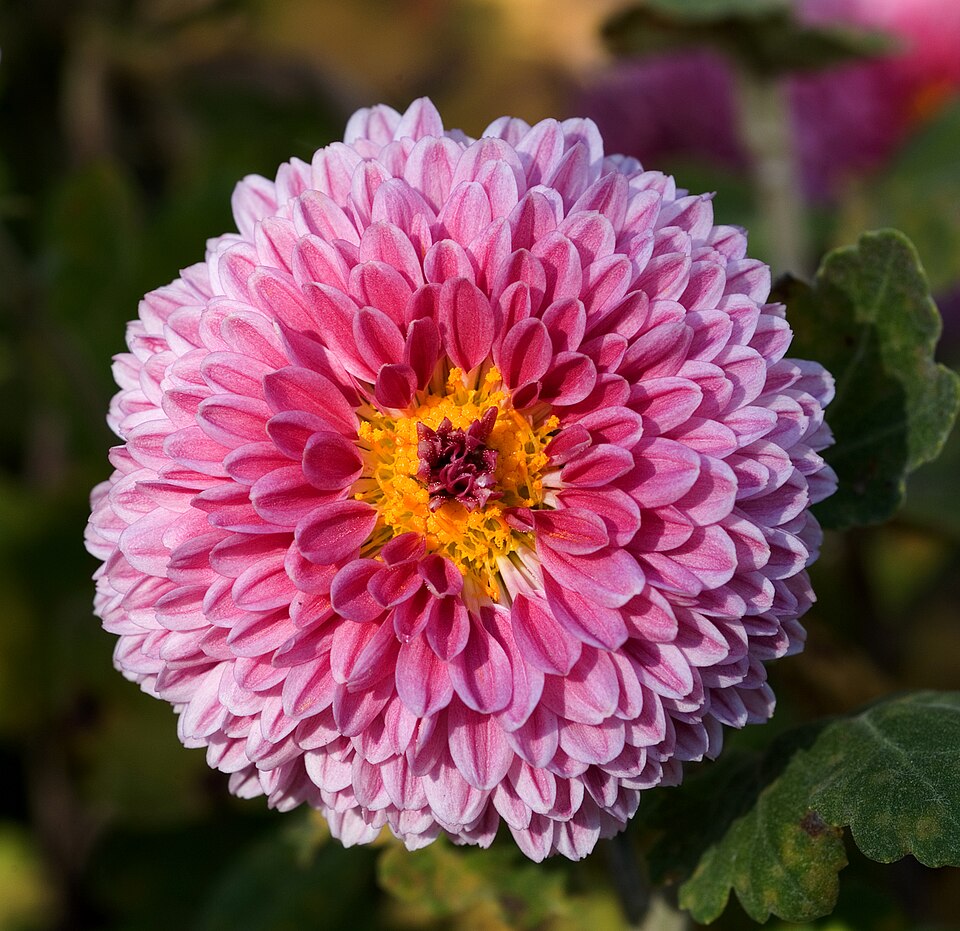
Photo: Wikimedia Commons
Getting Started: Hardy Mums vs. Florist Mums
When it comes to how to grow chrysanthemums, getting the details right makes all the difference.

Many homeowners find that how to grow chrysanthemums is easier than they expected once they know the basics.
Know what you are buying. Hardy garden mums - the ones sold in spring and early summer at nurseries - are perennial in zones 5 through 9 and bred to overwinter. Florist mums - the tight, bud-covered pots sold in fall - are often tender greenhouse varieties grown for one show; they sometimes survive a mild winter but usually do not. For a permanent planting, buy hardy types in spring. The USDA PLANTS database and nursery catalogs distinguish the hardy garden types clearly.
The variety range is enormous: cushions, daisies, spiders, pompons, in every fall color imaginable. For beginners, the cushion types are the most forgiving - naturally mounding, heavy-blooming, and hardy. Gardenia.net variety guides help sort the options, but honestly, any hardy garden mum from a reputable nursery is a good start.
You can grow mums from seed - sow indoors about eight weeks before your last spring frost - but most gardeners buy nursery transplants, which bloom sooner and come in named varieties. Seed-grown mums are variable and take longer to establish. For a first planting, transplants are the smart money.
When and How to Plant
Many homeowners find that how to grow chrysanthemums is easier than they expected once they know the basics.
The key to how to grow chrysanthemums is choosing the right approach for your space and budget.
Plant nursery transplants in spring, after all danger of frost has passed - about two weeks after your last spring frost is the safe window. The Almanac planting calendar helps you find that frost date and count the long growing season ahead. This is the critical timing advice: spring-planted mums establish deep roots through summer and survive winter reliably, while fall-planted mums, set out in bud a few weeks before frost, usually die over winter. The garden centers push potted mums in fall because they sell; the smart gardener buys in spring. If you want to check your USDA zone planting dates, our planting calendar will help you find that frost date.
Space plants 18 to 24 inches apart - they grow fast and need room for air circulation. Work generous compost into the bed before planting; mums are hungry plants and a rich start pays off all season. Set transplants at the same depth they grew in the pot, water in well, and mulch to hold moisture.
From spring planting to fall bloom is a long season - 150 to 180 days - which is why the pinching program below matters so much. You are building the plant all summer for a fall payoff. The Old Farmer's Almanac notes that fall-blooming perennials need their full summer of growth - there are no shortcuts.
Soil and Sun
The key to how to grow chrysanthemums is choosing the right approach for your space and budget.
With a little planning, how to grow chrysanthemums can fit even a busy schedule.
Full sun is the rule - six hours minimum, more for the heaviest bloom. Mums in shade grow leggy, bloom sparsely, and flop. The sunniest bed you have is the right bed. Good air circulation matters too; crowded, still air invites the mildew and leaf problems that plague mums.
Rich, well-drained soil is essential. Mums are heavy feeders by perennial standards - they grow fast, bloom heavily, and need the fertility to do it. Dig in generous compost at planting and plan to feed through summer. Drainage must be sharp, especially in winter: mums die in waterlogged winter soil more often than from cold itself. In heavy clay, plant in raised beds or amend heavily. Wet winter feet kill more mums than any freeze.
A near-neutral pH suits them. They are not fussy about exact numbers, but very acidic soil can be limed lightly. Unlike lean-soil flowers such as cosmos, mums want the rich bed - feed them like the hungry plants they are.
Watering and Feeding
With a little planning, how to grow chrysanthemums can fit even a busy schedule.
Before you start, it helps to understand how how to grow chrysanthemums works in real homes.
Water deeply and mulch to hold moisture. Mums drink steadily through their long growing season - a deep watering once or twice a week, more in heat. Drought stress in summer means fewer buds in fall; the plant sets its bloom potential during the growing season, not at flowering time. Drip irrigation or soaker hoses keep foliage dry, which matters for disease prevention.
Feed regularly. The compost at planting starts them, but side-dress with balanced fertilizer monthly through summer, stopping when buds begin to show color. Hungry mums are obvious: pale leaves, weak stems, sparse buds. This is not the crop for lean-soil minimalism - it is a production perennial that eats accordingly. The Clemson Home and Garden Information Center feeding schedules for heavy-blooming perennials fit mums well.
As fall approaches and buds form, keep the water steady - bud development is when drought does the most damage. A mum that dries out in early fall aborts buds it spent all summer building.
Care Through the Season
Before you start, it helps to understand how how to grow chrysanthemums works in real homes.
A good plan for how to grow chrysanthemums saves time, money, and frustration.
Pinch, pinch, pinch - until midsummer. This is the defining technique of mum growing: every few weeks from spring until midsummer, pinch or snip the growing tips back by an inch or two. Each pinch forces branching, turning one stem into two, two into four. Unpinched mums grow tall, leggy, and flop open with a few blooms at the top; pinched mums grow into dense, bushy mounds loaded with hundreds of buds. The transformation is dramatic.
Then stop. The pinching deadline - around midsummer - is critical, because after that the plant needs to set its buds. Pinch too late and you delay or lose the bloom entirely; the plant spends its energy regrowing instead of budding. Mark the deadline on your calendar when you plant: pinch until then, hands off after. This is the most common mum mistake after fall planting, and it is completely avoidable.
Divide clumps every two to three years in spring. Old mum clumps get woody in the center and bloom less; digging, dividing, and replanting the vigorous outer pieces renews them completely. It is also how you get free plants - one old clump becomes a half-dozen new ones. The University of Minnesota Extension perennial-division guides cover the technique.
Watch for aphids, leaf miners, and powdery mildew. Aphids cluster on buds - blast with water. Leaf miners draw trails in the leaves - pick off affected foliage. Mildew coats leaves white in humid weather - improve air flow, water at the base, and space properly. None of these usually ruins the fall show if caught reasonably early.
Harvest
A good plan for how to grow chrysanthemums saves time, money, and frustration.
For most people, how to grow chrysanthemums comes down to a few smart choices.
Cut stems when the flowers are fully open - unlike many flowers, mums last longest cut at full bloom, not in bud. They are among the longest-lasting cut flowers in existence, often going two weeks or more in the vase. Cut in the cool of the morning, strip the lower leaves, and put stems straight into water. A bucket of mums in fall is the cheapest luxury in flower arranging.
In the garden, the show runs for weeks - often a month or more - as different varieties peak in sequence. Deadhead spent blooms to keep the display tidy and encourage the later buds, though on a big mound this is pleasant puttering rather than necessity.
Leave the stems standing through winter. Do not cut mums back in fall - the old stems protect the crown from freeze-thaw damage and mark the spot. Cut back to new growth in spring when the fresh shoots appear. Then mulch the crown in the coldest zones for extra winter protection. Like zinnias left for the birds, standing stems serve a purpose beyond tidiness.
Troubleshooting
For most people, how to grow chrysanthemums comes down to a few smart choices.
If you are new to how to grow chrysanthemums, start with the simplest option and build from there.
Planted in fall, died over winter. The classic mum heartbreak - and the reason for the spring-planting rule. Fall-planted mums have no established roots when freezes arrive. Clemson Cooperative Extension mum guides cover overwintering specifics for southern growers.
Tall, floppy, few flowers. You did not pinch - or pinched too late. The pinching program builds the bushy plant; skipping it gives you leggings with a tuft of bloom. Next year, pinch every few weeks until midsummer, then stop dead.
Buds formed but never opened. Usually a late pinch that reset the clock, or drought during bud development. Also, an early hard freeze can catch late varieties - choose varieties rated for your zone's season length. The Missouri Botanical Garden lists bloom times that help with selection.
Powdery mildew everywhere. Improve air circulation, water at the base in the morning, space properly. Resistant varieties exist and are worth seeking out in humid regions.
Center of the clump died out. Old, undivided clump - normal after three or four years. Dig, divide, and replant the outer pieces in spring. The woody center goes to the compost.
Chrysanthemums are the grand finale of the flower year - plant them in spring, pinch them till midsummer, and let them close the season in glory. The USDA National Agricultural Library holds the old nursery catalogs that made mums an American fall tradition. A well-grown mum in full bloom is worth every pinch.
References
If you are new to how to grow chrysanthemums, start with the simplest option and build from there.
When it comes to how to grow chrysanthemums, getting the details right makes all the difference.
- Clemson University Cooperative Extension. (n.d.). Home & garden information center. https://hgic.clemson.edu/
- Gardenia. (n.d.). Chrysanthemum growing guide. https://www.gardenia.net/
- Missouri Botanical Garden. (n.d.). Plant finder. https://www.missouribotanicalgarden.org/
- University of Minnesota Extension. (n.d.). Dividing perennials. https://extension.umn.edu/
- U.S. Department of Agriculture. (n.d.). PLANTS database. https://plants.usda.gov/home
Many homeowners find that how to grow chrysanthemums is easier than they expected once they know the basics.
The key to how to grow chrysanthemums is choosing the right approach for your space and budget.
When it comes to how to grow chrysanthemums, getting the details right makes all the difference.
Many homeowners find that how to grow chrysanthemums is easier than they expected once they know the basics.
Was this guide helpful?

About My Garden US
The My Garden US editorial team writes practical, in-depth home and garden guides for American homeowners — tested advice, no fluff.
You May Also Like

Monstera Plants Sale Buying Guide USA
July 6, 2026 19 views
Air Plants Bulk American Homes Guide: Buying, Choosing, and Keeping Them Green
June 4, 2026 31 views
A Native Grass Seed American Homes Guide: How to Choose, Plant, and Keep a Native Lawn
August 19, 2026 20 views