
When it comes to how to grow scallions, getting the details right makes all the difference.
Table of Contents
Table of Contents
Photo: Wikimedia Commons
Scallions prove that the simplest crops are often the most useful. They grow from seed in weeks, need no curing or special storage, and produce both the white base and the green tops for the kitchen. Sow every few weeks and the supply never stops. Even the trimmings from store-bought bunches regrow on a windowsill, making this the rare vegetable that is genuinely free.
Scallions are the easiest member of the onion family to grow and one of the most useful in the kitchen. They go from seed to harvest in 60 to 80 days, need no curing, and produce continuously if you sow in succession. The white bases and green tops both eat well, raw or cooked. Best of all, the white root ends from grocery-store scallions regrow into free plants, which means the crop can perpetuate itself on a windowsill. Learning how to grow scallions is a perfect first vegetable project and a permanent habit for experienced gardeners.
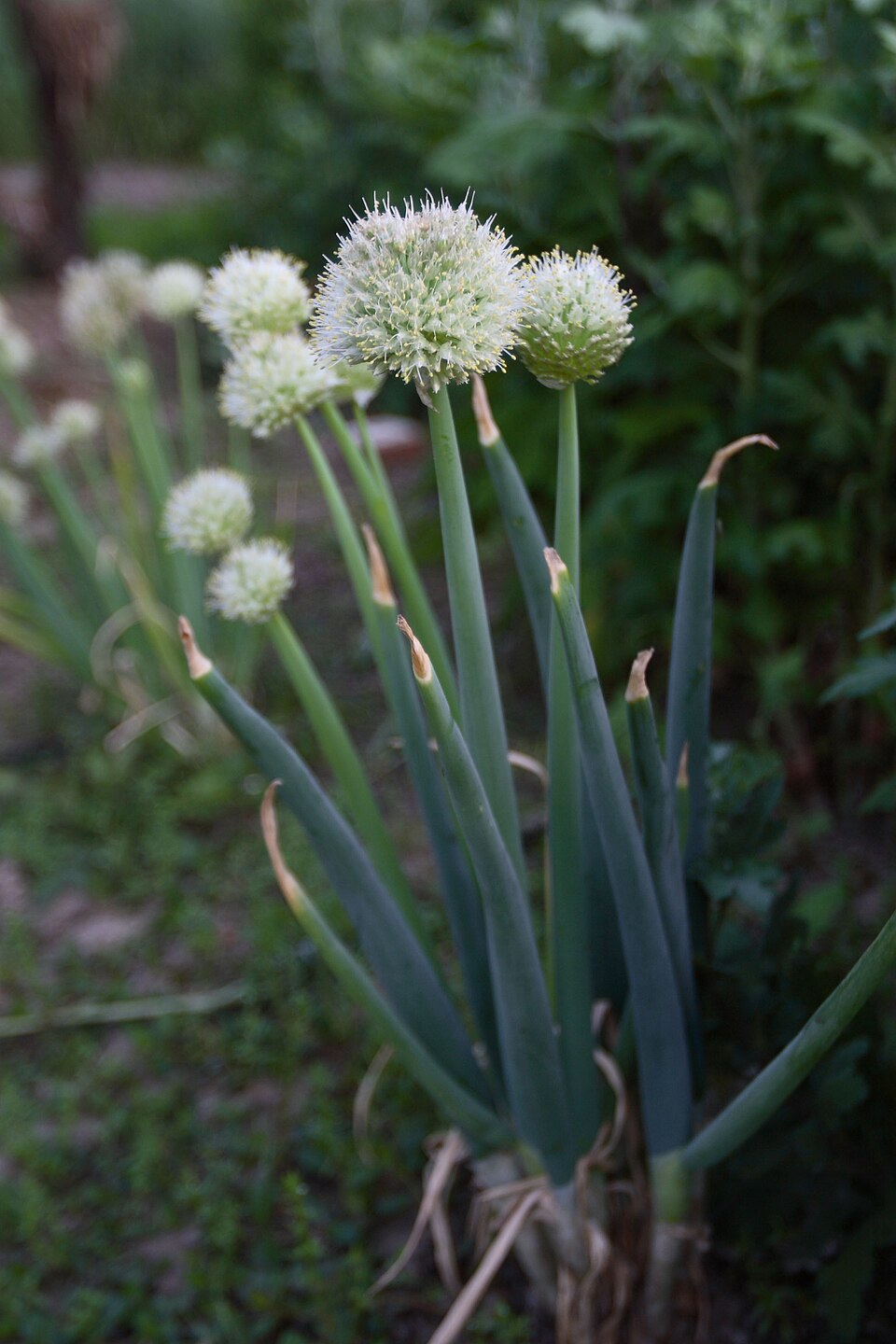
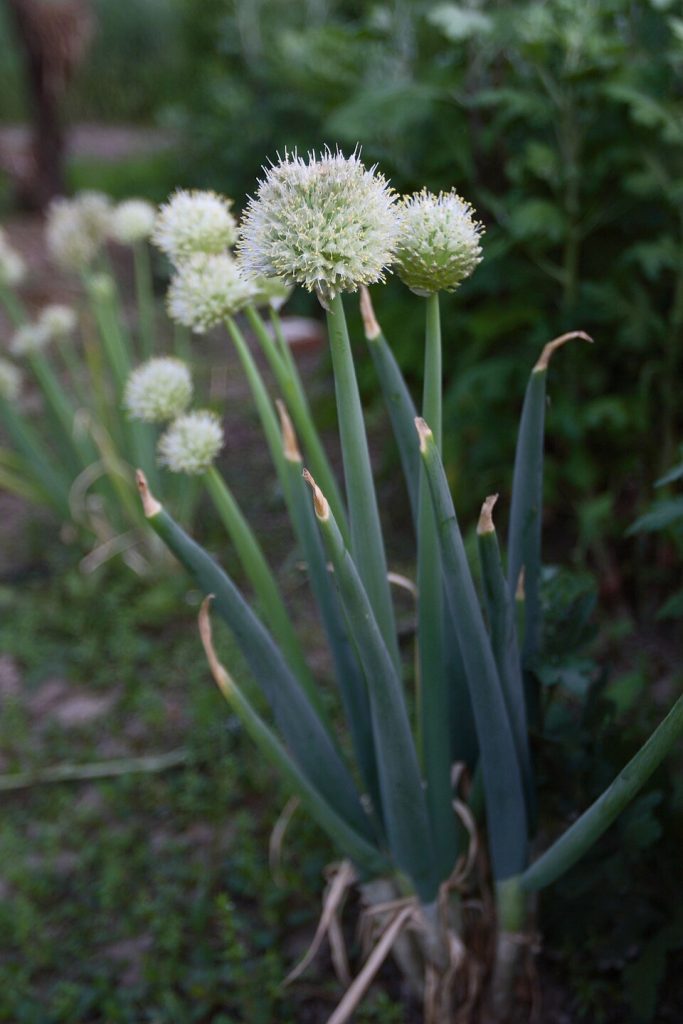
The plant is Allium fistulosum, the Japanese bunching onion, hardy in zones 3 through 9. The USDA PLANTS Database documents the species. It is very cold-hardy, and in mild climates fall-sown plants overwinter for early spring harvests.
Getting Started
When it comes to how to grow scallions, getting the details right makes all the difference.

Many homeowners find that how to grow scallions is easier than they expected once they know the basics.
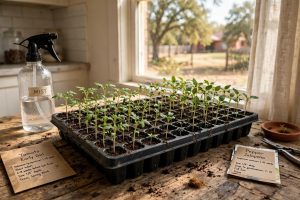
Sow seed directly where the plants will grow. Scallions transplant adequately but direct sowing is simpler and the standard method. Sow shallowly, a quarter inch deep, in bands or rows. Sow thickly; crowding is fine and even desirable for scallions, unlike bulb onions.
Thin to about an inch apart, eating the thinnings. Some gardeners leave clumps to divide as perennials; the bunching types multiply at the base and can be divided like chives. Choose a sunny bed with rich, well-watered soil. The Old Farmer's Almanac allium guides cover the thick-sowing technique.
For instant plants, poke the white root ends from grocery-store scallions into moist soil or stand them in a glass of water. They regrow into free scallions within weeks. It is not quite as productive as seed, but it is free and immediate.
When and How to Plant
Many homeowners find that how to grow scallions is easier than they expected once they know the basics.
The key to how to grow scallions is choosing the right approach for your space and budget.
Sow directly at the last frost date in spring, as soon as the soil can be worked. Scallions germinate in cool soil and grow fast. Sow every few weeks for a continuous supply through the season; succession sowing is the whole strategy.
In mild climates, sow in fall for overwintering. Fall-sown scallions establish roots, sit through winter, and surge in spring ahead of everything else. Mulch the fall bed lightly. Check your frost dates on the Old Farmer's Almanac planting calendar or your USDA zone planting dates.
Soil and Sun
The key to how to grow scallions is choosing the right approach for your space and budget.
With a little planning, how to grow scallions can fit even a busy schedule.
Full sun and fertile, well-drained soil. Work compost into the bed before sowing; scallions are light feeders but size up best in good ground. The soil should hold moisture without waterlogging. A pH near neutral suits them.
Scallions are shallow-rooted, so the top few inches matter most. Keep the bed weed-free; like all alliums, scallions compete poorly with weeds. Mulch to keep the white bases clean and blanched. The University of Minnesota Extension onion-family guides recommend the same loose, fertile soil for scallions as for bulb onions.
Allium companions share the bed. Onions and leeks follow the same culture, and garlic plants in fall alongside fall-sown scallions.
Watering and Feeding
With a little planning, how to grow scallions can fit even a busy schedule.
Before you start, it helps to understand how how to grow scallions works in real homes.
Water evenly. Drought makes scallions tough and pungent instead of mild and crisp. Keep the soil consistently moist through the growing season, mulching to hold water. In hot weather, water deeply in the morning.
Feed lightly. Scallions are light feeders; compost at planting usually suffices. In poor soil, one weak liquid feeding mid-season helps. Heavy nitrogen grows soft tops that flop. The Clemson Home & Garden Information Center advises light feeding for green onions.
Care Through the Season
Before you start, it helps to understand how how to grow scallions works in real homes.
A good plan for how to grow scallions saves time, money, and frustration.
Weed regularly. Shallow roots and narrow leaves mean weeds win easily. Mulch and hand-weed. A clean bed grows twice the crop of a weedy one.
Watch for onion thrips, which silver the leaves in hot weather. A strong spray of water usually controls them. Row cover from sowing excludes most pests. Rotate the bed yearly; do not plant alliums in the same spot repeatedly. Clemson Cooperative Extension pest notes cover thrips with simple controls.
For perennial clumps, divide crowded bunches every couple of years in spring. Replant the divisions an inch apart and they re-establish fast. This turns one sowing into a permanent patch.
Harvest
A good plan for how to grow scallions saves time, money, and frustration.
For most people, how to grow scallions comes down to a few smart choices.
Pull when the stems reach pencil thickness. This is the classic stage: crisp, mild, perfect. Pull whole plants, white base and green tops together. Or cut the green tops an inch above the base and let them regrow for a second harvest; the plants push new growth quickly.
Use the whole plant. The white base is sweet and mild, the green tops are fresh and oniony. Both work raw in salads and cooked in stir-fries. Harvest in the morning, rinse, and refrigerate. Scallions keep about a week in the crisper.
Sow every few weeks and you will never buy scallions again. The succession habit is the entire secret of a continuous supply.
Scallions Through the Seasons
For most people, how to grow scallions comes down to a few smart choices.
If you are new to how to grow scallions, start with the simplest option and build from there.
Spring sowing starts at the last frost date, as soon as the soil can be worked. Sow shallowly in bands, thin to an inch apart, and eat the thinnings. Succession-sow every few weeks for continuous harvest. The first sowing is usually the sweetest, grown in cool spring weather.
Summer needs even water and regular sowing. Drought makes scallions tough and pungent, so mulch and water steadily. Keep sowing every few weeks; each sowing takes 60 to 80 days, so plan backward from when you want to harvest. Watch for thrips in hot weather.
Fall in mild climates is for overwintering. Sow in late summer, mulch lightly, and the plants sit through winter for an early spring harvest. In cold regions, the last sowing should mature before hard freezes. Pull what you need; scallions hold in the ground for weeks in cool weather.
Winter in warm regions keeps producing. Where frosts are light, fall-sown scallions cut all winter. In cold regions, start planning spring sowings. A pot of scallions on a sunny windowsill bridges any gap.
The Free Scallion Trick
If you are new to how to grow scallions, start with the simplest option and build from there.
When it comes to how to grow scallions, getting the details right makes all the difference.
Stand the white root ends from grocery-store scallions in a glass of water or poke them directly into moist soil. They regrow into usable scallions within weeks, and the soil-planted ones keep producing if you cut the tops and let them regrow. It is not as productive as a seed sowing, but it is free, immediate, and nearly foolproof. Every kitchen should have a glass of them on the sill.
Troubleshooting
When it comes to how to grow scallions, getting the details right makes all the difference.
Tough, pungent scallions mean drought or heat stress. Water evenly and harvest younger. In zones 10 and warmer, heat and short days keep plants small; grow scallions in the cool months there.
Bulbing instead of straight stems can mean the variety is wrong or day length triggered it; bunching types stay straight. Pull and use them anyway; they eat fine. Yellowing tips usually signal drought or thrips; check water first, then look for the tiny insects.
Seed-grown scallions sometimes grow slowly in cold spring soil; patience and steady moisture bring them along. The UF IFAS Gardening Solutions site covers green onions for warm climates, and Gardenia.net growing guides note the perennial-clump option.
Tough, strongly flavored scallions mean drought or heat stress. Water evenly and harvest at pencil thickness, not later. Overgrown scallions turn hollow and sharp; succession sowing avoids the problem entirely.
Plants that bulb instead of staying straight are usually the wrong variety or reacting to day length. Bunching types stay straight. Use them anyway; they eat fine.
Yellowing tips signal drought or thrips. Check water first, then look closely for the tiny insects silverying the leaves. A strong spray of water usually controls thrips without chemicals.
For a permanent patch, leave a clump of bunching scallions undisturbed and divide it every couple of springs. The divided clumps re-establish fast and the patch becomes self-renewing. Many gardeners keep one such clump going for a decade from a single sowing.
In containers, scallions grow beautifully in pots six inches deep or more. Use rich mix, sow thickly, and keep watered. A pot by the kitchen door puts fresh scallions within steps of the cutting board all season.
Keep seed for next year from your best plants; scallion seed stays viable for a couple of years stored cool and dry. Label packets with the sowing date so you always know which seed is freshest. Fresh seed germinates in days; old seed sulks.
Interplant scallions between slower crops; their narrow leaves steal no light and the shallow roots do not compete. They make excellent gap-fillers in any bed, turning empty spaces into harvests while the main crop sizes up.
References
Clemson University Cooperative Extension. (n.d.). Home & Garden Information Center. https://hgic.clemson.edu/
Missouri Botanical Garden. (n.d.). Plant finder. https://www.missouribotanicalgarden.org/
U.S. Department of Agriculture. (n.d.). PLANTS database. https://plants.usda.gov/home
University of Minnesota Extension. (n.d.). Yard and garden. https://extension.umn.edu/
Was this guide helpful?

About My Garden US
The My Garden US editorial team writes practical, in-depth home and garden guides for American homeowners — tested advice, no fluff.
You May Also Like

Wildflower Seed Mixes Texas Homes USA: How to Plant a Prairie at Home
June 10, 2026 18 views
Succulent Variety Packs: Where to Buy Them in the USA
February 12, 2026 19 views
How to Grow Asparagus: A 20-Year Bed
November 11, 2026 6 views