Celery has a reputation as the fussiest vegetable in the garden, and it is partly earned - this is a crop that demands steady moisture, rich soil, and a long, cool season. But the stalks you grow yourself, cut fresh in the morning, are crisper and sweeter than anything from the store. Learning how to grow celery is mostly about starting early and never letting the plants go thirsty.
Table of Contents
Table of Contents

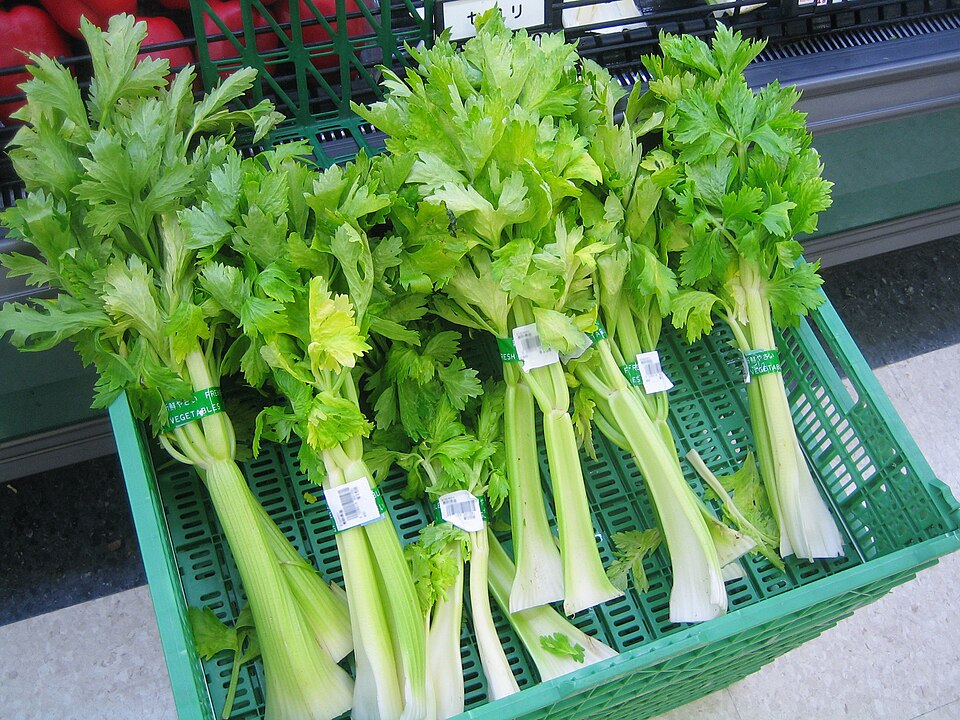
Photo: Wikimedia Commons
Celery suits zones 4 through 10, needs full sun to part shade, and takes 100 to 130 days from transplant to harvest - a long season that rules out direct sowing in most of the country. Plan your schedule with the USDA zone planting dates on our planting calendar, because timing the indoor start is everything with this crop.
Choosing a Variety
When it comes to how to grow celery, getting the details right makes all the difference.

Many homeowners find that how to grow celery is easier than they expected once they know the basics.
For home gardens, Utah Tall (often sold as Utah 52-70) is the standard green stalk celery - vigorous, crisp, and widely adapted. Golden Self-Blanching produces paler, milder stalks without any blanching work, a good choice if you want less fuss. Conquistador tolerates heat better than most, useful in warmer zones, while Tango is a hybrid with notably crisp texture and good disease resistance. Leaf celery types, sometimes sold as cutting celery or Apium graveolens var. secalinum, grow like parsley and give flavorful leaves for cooking all season - worth a row if you cook a lot of soups and stews.
When you are figuring out how to grow celery for the first time, pick a forgiving variety like Utah Tall and focus your energy on water and timing rather than hunting down rare seeds. Standard varieties from any major seed house perform well. Gardenia.net compares celery varieties with detailed growing notes.
When and How to Plant
Many homeowners find that how to grow celery is easier than they expected once they know the basics.
The key to how to grow celery is choosing the right approach for your space and budget.
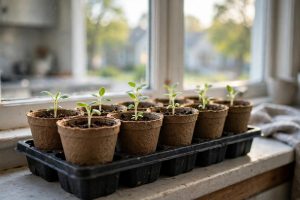
Start seeds indoors 10 to 12 weeks before your planned transplant date - celery is famously slow, and a late start means immature plants when heat arrives. The tiny seeds need light to germinate, so sow them on the surface of moist seed-starting mix and press gently without covering. Keep the flat constantly moist (a humidity dome helps) and warm, around 70 degrees; germination takes two to three weeks, sometimes longer.
Transplant outdoors about two weeks after your last spring frost, when nights stay reliably above 50 degrees - cold snaps on young transplants trigger premature bolting. Set plants 6 to 8 inches apart in rows about two feet apart. Harden seedlings off for a week before transplanting, and water them in well. The Old Farmer's Almanac planting calendar can help you work backward from your frost date to find your indoor sowing week.
The Indoor Start, Step by Step
- Sow on the soil surface 10–12 weeks before transplanting; do not bury the seed.
- Keep constantly moist and near 70 degrees until sprouts appear.
- Give strong light once seedlings emerge to prevent legginess.
- Harden off for a week, then transplant after nights stay above 50 degrees.
Soil and Sun
The key to how to grow celery is choosing the right approach for your space and budget.
With a little planning, how to grow celery can fit even a busy schedule.
Celery demands rich, moisture-holding soil loaded with compost or well-rotted manure - think of the bed as a sponge that should never fully dry. Work several inches of compost into the top foot of soil before planting. Full sun is best in cool climates; in hot regions, afternoon shade keeps stalks tender and delays bolting. A soil pH between 6.0 and 7.0 suits it, as noted in University of Minnesota Extension vegetable guides.
Because celery roots are shallow and the plants drink constantly, mulch heavily - four inches of straw or shredded leaves - to hold moisture and keep the soil cool. This mulch layer is not optional for celery; it is the difference between crisp stalks and stringy ones. Gardeners who also grow lettuce will recognize the same cool-moist-soil principle at work.
Watering and Feeding
With a little planning, how to grow celery can fit even a busy schedule.
Before you start, it helps to understand how how to grow celery works in real homes.
Never let celery dry out - drought makes stalks stringy, hollow, and bitter, and a single dry spell can ruin the texture of the whole planting. Water deeply two or three times a week in normal weather and daily during hot spells, always checking that the mulch and soil beneath stay damp. Drip irrigation or soaker hoses are ideal, since they keep water at the roots and foliage dry. Clemson Cooperative Extension stresses consistent moisture for celery quality.
Feed regularly; celery is a heavy feeder. Side-dress with a balanced fertilizer or compost tea every three to four weeks through the season. Pale, slow-growing plants are usually hungry as well as thirsty - the two problems travel together in celery. A mid-season feeding often visibly greens up a struggling row within days. Stop feeding about a month before your expected harvest so the plants harden off and the stalks develop their full crisp texture.
Care Through the Season
Before you start, it helps to understand how how to grow celery works in real homes.
A good plan for how to grow celery saves time, money, and frustration.
Blanching is optional but traditional: two to three weeks before harvest, mound soil up around the stalks or wrap them loosely with newspaper or cardboard tubes. This excludes light and produces paler, milder hearts. Self-blanching varieties skip this step entirely, and many gardeners find unblanched homegrown celery flavorful enough to skip it too - try a few plants each way and decide for yourself.
Watch for slugs on young transplants, aphids clustering in the leaf joints, and early blight spotting the leaves. Rotate beds so celery (and its relatives carrots and parsley) does not follow itself, and clean up all debris at season's end. Keep up with weeding - celery's shallow roots lose the competition for water fast.
In hot climates, celery bolts when temperatures climb; afternoon shade, heavy mulch, and steady water buy time but cannot hold it forever. Treat it as a spring and fall crop where summers run long and hot, timing plantings for the cool shoulders of the season.
Harvest
A good plan for how to grow celery saves time, money, and frustration.
For most people, how to grow celery comes down to a few smart choices.
Harvest outer stalks as needed once they reach about 8 inches tall, snapping or cutting them at the base - or cut whole heads at ground level when they are full-sized. Morning-cut stalks are the crispest, since the plants are fully hydrated. Take outer stalks first and the plant keeps producing from the center.
Refrigerate stalks promptly in a damp bag or wrapped in a damp towel; celery keeps for weeks when kept cold and humid. Do not wash until you are ready to use it. For long storage, chop and freeze for cooking - frozen celery loses its crunch but keeps its flavor for soups and stews all winter.
Growing Celery in Containers
For most people, how to grow celery comes down to a few smart choices.
If you are new to how to grow celery, start with the simplest option and build from there.
Short on garden space? Celery grows well in deep containers - use pots at least 12 inches deep and wide, one plant per pot, filled with rich potting mix blended with compost. Containers actually make the watering job easier to manage, since you can check moisture at a glance, but they dry out fast in heat, so check daily in summer and never let the mix go completely dry. Feed container plants every two weeks with diluted liquid fertilizer, since frequent watering leaches nutrients out.
A row of celery pots on a sunny patio, mulched with straw, can produce real harvests - and you can move them into afternoon shade during heat waves, which in-ground plants cannot do. The Missouri Botanical Garden includes container culture notes for vegetables like this one.
Blanching, If You Want To
- Wait until stalks are nearly full-sized, 2–3 weeks before harvest.
- Mound soil around stalks or wrap loosely with paper - not tight enough to trap moisture against the stems.
- Harvest pale, tender hearts and use promptly; blanched stalks do not store as long.
Troubleshooting
If you are new to how to grow celery, start with the simplest option and build from there.
When it comes to how to grow celery, getting the details right makes all the difference.
Stalks are stringy, hollow, or bitter. Inconsistent water - the number one celery complaint. Mulch deeper, water on a strict schedule, and never let the bed dry out.
Plants bolted (sent up a flower stalk). Cold nights after transplanting or sustained heat. Transplant only after nights stay above 50 degrees, and choose bolt-resistant varieties in warm zones.
Seeds never germinated. They dried out or were buried. Surface sow, keep constantly moist under a dome, and be patient - three weeks is normal.
Blackheart (dark centers in the stalks). A calcium uptake problem tied to uneven watering, similar to blossom-end rot in tomatoes. Steady moisture usually prevents it; there is no cure once it appears.
Leaf spots and blight. Early blight and bacterial leaf spot spread in wet foliage. Water at the base, space for air flow, rotate crops, and remove affected leaves promptly. In severe years, a copper-based spray approved for vegetables can slow the spread, but prevention through spacing and rotation does most of the work.
One last honest note: celery's long season limits it below zone 4, and it bolts in the sustained heat of the warmest zones - this is a crop for gardeners willing to fuss a little. But that first crunch of a homegrown stalk, cut minutes before eating, makes the fuss worthwhile. Start early, water faithfully, mulch deeply, and celery will reward the attention.
References
When it comes to how to grow celery, getting the details right makes all the difference.
University of Minnesota Extension. (n.d.). Growing celery in home gardens. University of Minnesota. https://extension.umn.edu/
Clemson Cooperative Extension. (n.d.). Celery. Clemson University. https://hgic.clemson.edu/
Old Farmer's Almanac. (n.d.). Growing celery. Yankee Publishing. https://www.almanac.com/
USDA National Agricultural Library. (n.d.). Vegetable gardening resources. U.S. Department of Agriculture. https://www.nal.usda.gov/
Was this guide helpful?

About My Garden US
The My Garden US editorial team writes practical, in-depth home and garden guides for American homeowners — tested advice, no fluff.