
When it comes to how to grow lavender, getting the details right makes all the difference.
Table of Contents
Table of Contents
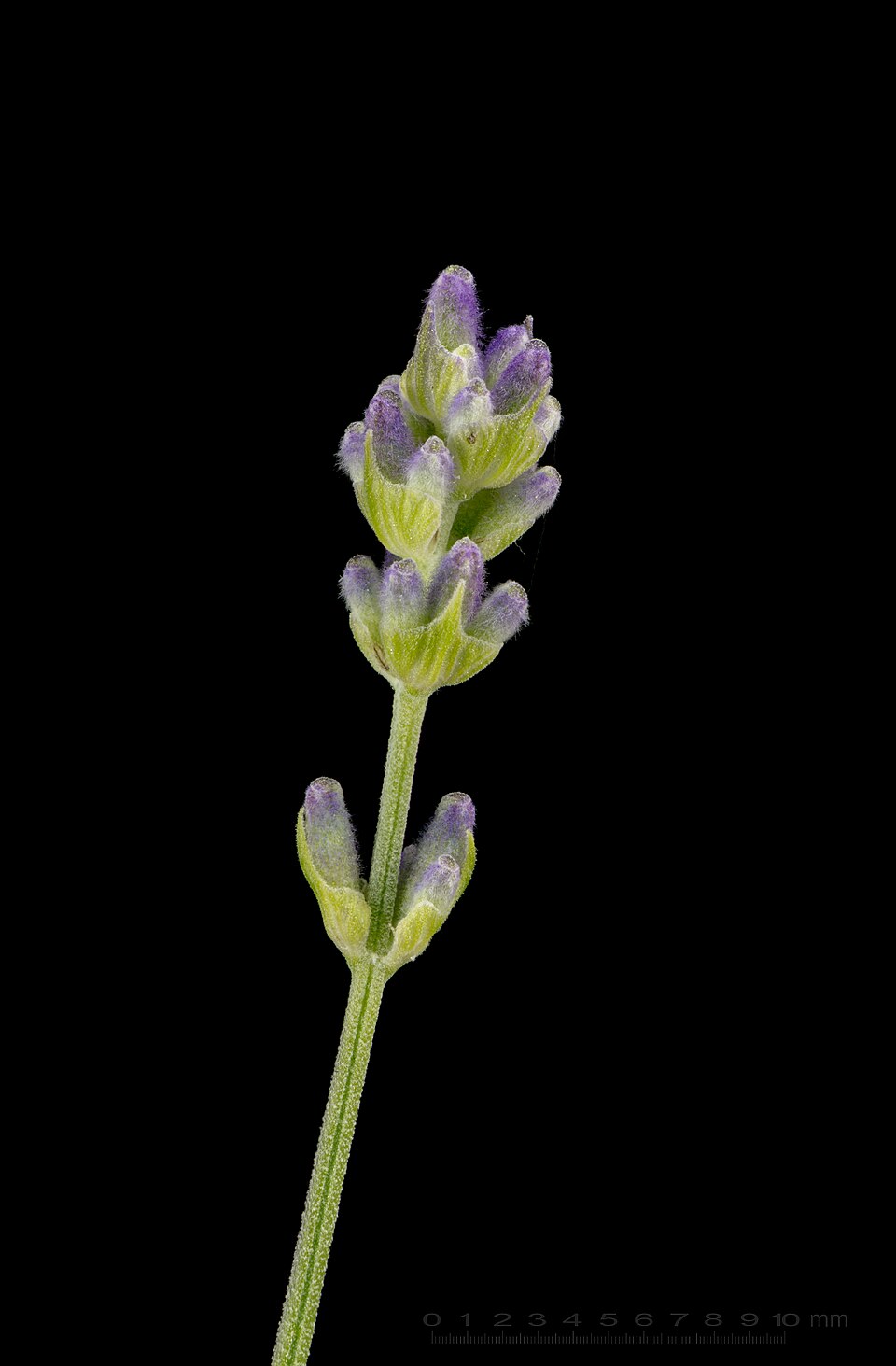
Photo: Wikimedia Commons
Lavender is equal parts herb, flower, and aromatherapy. Its fragrant spikes perfume the garden all summer, dry beautifully for sachets, and need almost nothing once established. The whole secret is drainage - get that right and lavender practically grows itself.
Few garden projects pay back faster than a herb patch. Fresh herbs transform ordinary cooking, cost almost nothing to grow, and most are far easier than vegetables - fewer pests, less feeding, and many shrug off drought. Whether you grow in a bed, a raised planter, or pots on a sunny step, the steps below will carry this herb from planting to a steady supply of fresh leaves.
Lavender seed needs light and can take a month to germinate, so most gardeners buy small transplants. Set plants 12 to 18 inches apart in full sun and poor, sandy, fast-draining soil with neutral to alkaline pH; wet winter soil kills more lavender than cold does. Plant the crown level with the surface and water in once.
At a Glance
When it comes to how to grow lavender, getting the details right makes all the difference.

Many homeowners find that how to grow lavender is easier than they expected once they know the basics.
- Plant: Lavender (Lavandula angustifolia)
- Type: Herb
- Sun: Full sun
- Soil: Sandy, alkaline, sharply drained soil
- Water: Drought-tolerant; hates wet soil
- Spacing: 18 inches
- Planting depth: Sow the seed barely covered, about a tenth of an inch deep - it needs light to germinate
- Time to maturity: 90 to 120 days
- USDA zones: 5–10
Getting Started: Picking the Right Variety
Many homeowners find that how to grow lavender is easier than they expected once they know the basics.
The key to how to grow lavender is choosing the right approach for your space and budget.
Start with the end in mind: how you plan to use the herb decides what to plant. Heavy kitchen use calls for the most vigorous, productive type you can find, while a single ornamental-edible plant can be a prettier, slower variety. Check whether the herb is perennial in your zone - perennials are a one-time planting, while tender types get replanted each spring or overwintered indoors. Buy from a reputable nursery rather than a discount rack; healthy roots at planting time predict everything that follows.
Botanically this is Lavandula angustifolia, and how you start it shapes the whole season. Start seeds indoors about eight weeks before your last spring frost. Move transplants into the garden about two weeks after your last spring frost. Buy healthy, stocky starts - leggy, root-bound plants never fully recover. The University of Minnesota Extension publishes detailed, research-based growing guides for home gardeners.
When and How to Plant
The key to how to grow lavender is choosing the right approach for your space and budget.
With a little planning, how to grow lavender can fit even a busy schedule.
Get the timing right and half the battle is won. Everything below is tied to your last spring frost and first fall frost, so it works whether you garden in the North or the South. Start seeds indoors about eight weeks before your last spring frost. Move transplants into the garden about two weeks after your last spring frost.
Sow the seed barely covered, about a tenth of an inch deep - it needs light to germinate. Space plants about 18 inches apart. From sowing to harvest takes roughly 90 to 120 days. Firm the soil gently around seeds or roots and water everything in well - that first watering settles soil against the roots and starts growth off right.
To pin down the right week for your zip code, check your USDA zone planting dates on our planting calendar. It lists indoor sowing, transplanting, and direct sowing windows for hundreds of plants by zone, so you can plan the whole season in one sitting.
Starting Seeds Indoors
Count back about eight weeks from your expected last spring frost and sow in cell packs or small pots filled with damp seed-starting mix. Cover lightly (or leave uncovered if the seed needs light), keep the mix moist but not soggy, and give warmth for germination followed by the strongest light you have - a sunny window is rarely enough, and leggy seedlings are the classic indoor failure. Harden plants off for a week before they move outside: a few hours of outdoor shade at first, building to full days. The Missouri Botanical Garden plant profiles are excellent for checking mature size and culture.
Soil and Sun
With a little planning, how to grow lavender can fit even a busy schedule.
Before you start, it helps to understand how how to grow lavender works in real homes.
Lavender wants full sun. Aim for at least six hours of direct sun a day - more is better for flavor, bloom, and disease resistance.
For soil, give it sandy, alkaline, sharply drained soil. Drainage matters more than fertility for most herbs. If your ground stays wet after rain, build a raised bed or grow in containers with a gritty potting mix. A light top-dressing of compost in spring is plenty of food for the year. Gravel mulch around Mediterranean herbs keeps their crowns dry and reflects warmth up into the plant.
Zone-wise, it is at home in USDA zones 5 through 10. If you are at the warm edge of that range, afternoon shade and deep mulch help; at the cold edge, a sheltered microclimate near a south-facing wall can make the difference. The USDA National Agricultural Library holds deep reference material on this plant's cultivation and history.
Watering and Feeding
Before you start, it helps to understand how how to grow lavender works in real homes.
A good plan for how to grow lavender saves time, money, and frustration.
Plan your watering around this: drought-tolerant; hates wet soil. Once established it handles dry spells, but new plantings need steady water until their roots take hold. Deep, occasional soakings beat daily sprinkles.
When it comes to feeding herbs, restraint is a virtue. A single light feeding in spring covers nearly everything; container herbs may want a half-strength liquid feed monthly through summer. Let pots dry slightly between waterings - most herbs would rather be a touch dry than soggy. Snip often; harvesting is the best fertilizer for bushy growth. The Old Farmer's Almanac offers practical, beginner-friendly growing advice for this crop.
Care Through the Season
A good plan for how to grow lavender saves time, money, and frustration.
For most people, how to grow lavender comes down to a few smart choices.
Established lavender wants almost no water and no rich fertilizer, which make it floppy and short-lived. The essential job is pruning: cut back a third of the green growth after flowering, shaping a mound but never cutting into old woody stems. Mulch with gravel, not bark, to keep the crown dry.
A few grower tips specific to lavender: Sharp drainage and full sun are non-negotiable. English types are hardiest; French types need warmer zones. With herbs, less is usually more - resist the urge to fuss, and let the plant's natural toughness do the work.
Herbs thrive on attention, not pampering. Harvest a little every week and the plant responds with fresh growth; ignore it and it goes woody and sparse. Cut back perennial herbs by a third in midsummer if they get rangy - most bounce back with tender new leaves. In fall, pot up tender types before frost or take cuttings to root on a windowsill. Gardenia.net offers clear, gardener-written growing guides for this plant.
Harvest
For most people, how to grow lavender comes down to a few smart choices.
If you are new to how to grow lavender, start with the simplest option and build from there.
Cut flower spikes just as the first buds open for the strongest fragrance, and hang small bundles in a dark, ventilated room to dry. Dried buds keep their scent a year in sealed jars. Pro tip: English lavenders are hardiest for cold regions; French and Spanish types need milder winters or pots brought under cover.
Fresh herbs are a daily luxury once the patch is going - snip what you need, when you need it. To put some by, dry leafy herbs quickly in a warm, dark, ventilated spot; slow drying in humidity turns them brown and musty. Freezing in oil or water preserves flavor better than drying for soft herbs. Label everything; dried herbs all look alike by winter. For pest and disease identification, Clemson's Home and Garden Information Center is one of the best free resources available. Clemson Cooperative Extension has solid fact sheets on planting and care.
A Season With Lavender
If you are new to how to grow lavender, start with the simplest option and build from there.
When it comes to how to grow lavender, getting the details right makes all the difference.
A herb year runs itself if you keep the rhythm. Spring: clean up, divide, plant, and sow - most herbs want to be in the ground as early as frost allows. Summer: harvest weekly, which is also pruning; dry bundles hang in a dark, airy room while the flavor is at its peak. Fall: bring the tender ones inside, mulch the hardy ones, and sow a last round of cool-season annuals where winters are mild. Winter: tend the windowsill pots, use up the dried stores, and plan next year's additions. Few garden routines are this simple or this rewarding.
Troubleshooting
When it comes to how to grow lavender, getting the details right makes all the difference.
Many homeowners find that how to grow lavender is easier than they expected once they know the basics.
Rots in wet clay or humid heat; unreliable below zone 5 and in zones 11-13. In practical terms, match the plant to your climate before you buy - fighting a plant's nature is a losing game, while choosing one suited to your zone makes everything else easy.
Why no flavor? Herbs grown in too much shade or too much fertilizer taste weak - sun and lean soil concentrate the oils. Why brown leaf tips? Usually inconsistent watering or salt buildup in pots; flush containers occasionally. Why is it flowering? Most herbs bolt in heat or long days - pinch flowers to prolong leaf harvest, or let them bloom for the bees and harvest the seeds.
Do not aim for perfection in the first season. Get the plant in the ground at the right time, keep up with water and weeds, and you will learn more in one summer than from a shelf of books. UF/IFAS Gardening Solutions covers growing basics that apply well beyond Florida. You can confirm the native range and growing conditions in the USDA PLANTS Database.
Keep Exploring
Many homeowners find that how to grow lavender is easier than they expected once they know the basics.
If you enjoyed this guide, keep going with our guide to growing angelica, our guide to growing caraway, our guide to growing fenugreek - and check your USDA zone planting dates on our planting calendar to plan what goes in next.
References
University of Minnesota Extension. (n.d.). Growing lavender in home gardens. https://extension.umn.edu/
Missouri Botanical Garden. (n.d.). Plant finder. https://www.missouribotanicalgarden.org/
U.S. Department of Agriculture. (n.d.). National Agricultural Library. https://www.nal.usda.gov/
Old Farmer's Almanac. (n.d.). Gardening guides. https://www.almanac.com/
Was this guide helpful?

About My Garden US
The My Garden US editorial team writes practical, in-depth home and garden guides for American homeowners — tested advice, no fluff.
You May Also Like
Snake Plants Indoor for Sale USA: A Plain Guide to Buying
January 17, 2026 17 views
How to Grow Tayberries: Bramble Guide
October 13, 2026 23 views
Morning Glory Seeds for Florida Homes: A Complete Growing Guide
February 1, 2026 18 views