
If you grow one vegetable this year, make it zucchini. Known to botanists as Cucurbita pepo, it suits zones 3 through 11 and goes from planting to harvest in roughly 45 to 60 days. Remember this and you are most of the way there: one or two plants feed a family – harvest at 6-8 inches for best flavor and to keep plants producing.
This guide covers the full season in plain terms — varieties, timing, soil, water, pests, and harvest. The USDA PLANTS database lists Cucurbita pepo with its full background if you want the botanical fine print.
Why bother with zucchini? Because it delivers a fast payoff by garden standards: roughly 45 to 60 days from planting to harvest. Few other plantings turn a packet of seed into this much food or color this quickly. Across zones 3 to 11, home gardeners grow it with steady success. Frost-tender; needs warm soil to germinate in cold zones.

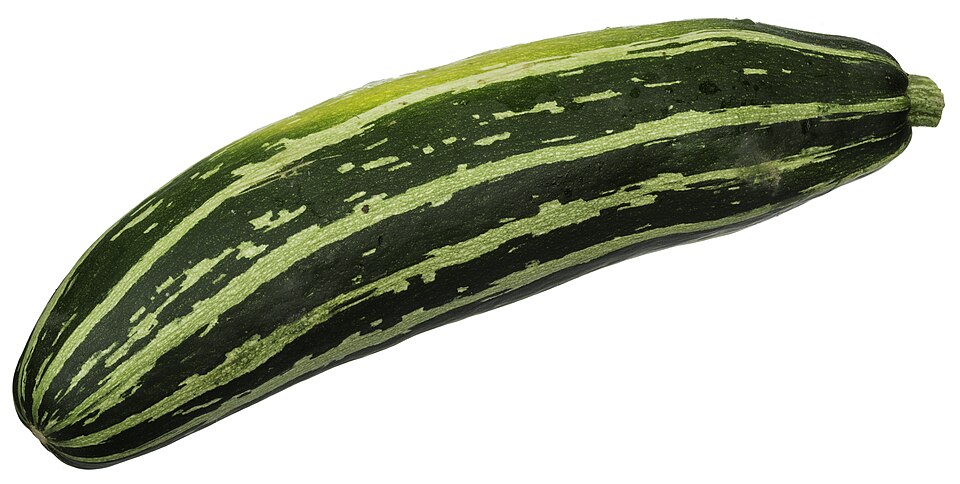
Photo: Wikimedia Commons
At a Glance
- Botanical name: Cucurbita pepo
- Type: Vegetable
- USDA zones: 3 to 11
- Sun: Full sun
- Soil: Rich, well-drained soil
- Water: Deep weekly watering
- Spacing: 36 inches (3 feet) apart
- Planting depth: 1 inch deep
- Days to maturity: 45 to 60 days
- How to start: Start indoors or sow directly
Choosing a Variety
Classic green zucchini is the workhorse. Yellow types are easier to spot at harvest size. Round types suit stuffing. Compact bush varieties fit small gardens; all zucchini are bushy compared to winter squash vines, but some stay tidier. Tromboncino is a climbing Italian type with firm flesh that resists borers better. Since two plants feed a family, do not plant six unless you enjoy surprising neighbors with bags of squash. Pick a variety with disease resistance if mildew ends your season early every year. Our guide to growing winter squash pairs well with this one if you are planning the bed. The Old Farmer’s Almanac variety guides add regional picks worth comparing.
When and How to Plant
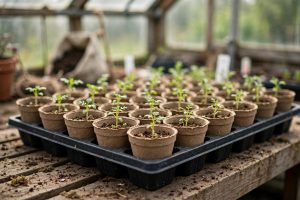
Get the timing right and zucchini nearly grows itself. Start seeds indoors about 3 weeks before your last spring frost.
Move transplants outside about 2 weeks after your last spring frost, once nights stay reliably warm. Sow seed directly about 2 weeks after your last spring frost, once the soil has warmed.
Zones shift every date by weeks, so check your USDA zone planting dates on our planting calendar to pin yours down. The Old Farmer’s Almanac publishes frost-date tables worth bookmarking too.
Space plants 36 inches (3 feet) apart and place seed or roots 1 inch deep. Crowding invites disease and cuts yields, so resist the urge to squeeze in extras. Frost-tender; needs warm soil to germinate in cold zones. For regional timing detail, the UF IFAS Gardening Solutions is worth a read.
Soil and Sun
Sun first: full sun is non-negotiable for strong zucchini plants. For soil, aim for rich, well-drained soil. A 2- to 3-inch layer of compost worked into the top 8 inches fixes most problems before they start.
Sandy soil dries fast — compost helps it hold water. Clay holds too much — compost and raised beds fix that. Either way, the Almanac planting calendar has solid guidance on preparing ground for zucchini.
Watering and Feeding
The watering recipe for zucchini is simple: deep weekly watering. Deep, less-frequent soakings beat daily sprinkles; they push roots down where the soil stays cool and moist longer.
Mulch is the cheapest irrigation helper you own: 2 to 3 inches of straw or shredded leaves keeps soil moisture even between waterings. The Gardenia covers watering zucchini through hot spells.
Go easy on fertilizer. Compost at planting time plus a modest mid-season feeding is plenty for zucchini. Heavy nitrogen grows big soft plants that pests and disease love.
Care Through the Season
Mid-season care is where harvests are won or lost. Water at the base, never overhead, since zucchini foliage is a magnet for powdery mildew; mulch helps too. Watch for squash vine borers — look for sawdust-like frass at stem bases and slit stems to remove larvae — plus squash bugs, which lay bronze egg clusters under leaves. Remove spent leaves to improve airflow. Walk the rows weekly — catching a pest or a dry spell early beats any rescue later.
Take this tip to heart: one or two plants feed a family – harvest at 6-8 inches for best flavor and to keep plants producing. It sounds small and it matters more than most products sold to gardeners. Our guide to growing cucumbers makes a good companion read for the same bed. When pests show up, the Gardenia guides help you name them fast.
Do not overlook airflow. Plants packed too tightly stay wet longer after rain, and wet leaves are where fungal diseases start. Thin to the spacing in this guide even when seedlings look lonely — they will fill in faster than you expect.
Season by Season
Think of the year in four jobs. Spring: Start seeds indoors about 3 weeks before your last spring frost. Move transplants outside about 2 weeks after your last spring frost, once nights stay reliably warm. Sow seed directly about 2 weeks after your last spring frost, once the soil has warmed. Get compost into the bed early and give transplants a week of hardening off. Summer: water deeply, mulch well, and scout for trouble weekly; harvest at peak and keep picking to prolong the season. Fall: gather the last of the crop. In mild-winter areas, a late planting can carry the harvest into cool weather; elsewhere, finish up before hard frost. Clear finished plants and protect the soil with mulch or a cover crop. Winter: sharpen tools, order seed, and plan rotations. In winter, rest: clean tools, order seed early for the best selection, and sketch next year’s bed plan while the garden sleeps.
Harvest
Nothing beats the flavor of zucchini picked at the right moment. Here is how to tell when that moment arrives, and what to do next.
Harvest at 6 to 8 inches long, checking daily in peak season because they double overnight. Cut with a knife, leaving an inch of stem. Use within days, refrigerated. Pro tip: pick the male blossoms for stuffing and frying, but always leave the female flowers, the ones with tiny fruit behind them, to become squash. For another harvest-season read, see our guide to growing tomatoes. Cross-check ripeness signs with the University of Minnesota Extension harvest notes.
Storing and Preserving the Harvest
Eat fresh first — nothing you preserve will beat zucchini picked at peak. Refrigerate what you cannot use right away; most vegetables hold several days to two weeks chilled. For the surplus, freezing is the simplest path: blanch cut pieces briefly in boiling water, plunge into ice water, drain well, and pack in freezer bags with the air pressed out. Frozen vegetables keep their quality for months and go straight into cooked dishes. Canning suits the harvest glut too — high-acid foods like tomatoes are safe in a water bath, but low-acid vegetables must go through a pressure canner; never guess at this, since botulism is odorless. Root types such as carrots store for months in a cool, humid spot, packed in damp sand. Label every bag or jar with the variety — by midwinter every frozen bag looks identical, and the label is the difference between a planned meal and a mystery.
Troubleshooting
Squash vine borers kill plants fast — look for sawdust-like frass at stem bases and act quickly. Squash bugs lay bronze eggs under leaves — crush them. Powdery mildew coats leaves late in the season; resistant varieties and airflow help. Rotting small fruit means poor pollination — hand-pollinate in the morning. For help naming a mystery symptom, the USDA PLANTS database diagnostic pages are excellent.
Frequently Asked Questions
How long does zucchini take to grow?
About 45 to 60 days from planting to harvest, depending on variety and weather. Warm seasons and good soil hit the early end of that range.
Can I grow zucchini in containers?
Yes, in a roomy container — think 5 gallons or larger with drainage holes. Compact varieties do best in pots. In-ground plants still outperform pots, but a sunny patio works fine.
What is the hardest part of growing zucchini?
One or two plants feed a family – harvest at 6-8 inches for best flavor and to keep plants producing. Master that one point and most other problems never show up.
When should I plant zucchini?
Work backward from your frost dates: Start seeds indoors about 3 weeks before your last spring frost. Move transplants outside about 2 weeks after your last spring frost, once nights stay reliably warm. Sow seed directly about 2 weeks after your last spring frost, once the soil has warmed. Check your USDA zone planting dates on our planting calendar to pin down your exact window.
References
University of Minnesota Extension. (n.d.). Growing zucchini in home gardens. https://extension.umn.edu/
Clemson Cooperative Extension. (n.d.). Zucchini. Home & Garden Information Center. https://hgic.clemson.edu/
Old Farmer’s Almanac. (n.d.). Planting calendar. https://www.almanac.com/planting-calendar
U.S. Department of Agriculture. (n.d.). Cucurbita pepo. PLANTS database. https://plants.usda.gov/home
Was this guide helpful?

About My Garden US
The My Garden US editorial team writes practical, in-depth home and garden guides for American homeowners — tested advice, no fluff.
You May Also Like

Where to Find a Good Monstera Plants Sale for Sale USA
April 12, 2026 0 views
Seed Starting Trays USA Online Deals: A Complete Buying Guide
July 15, 2026 0 views
Snake Plants Indoor Buying Guide USA
May 24, 2026 0 views