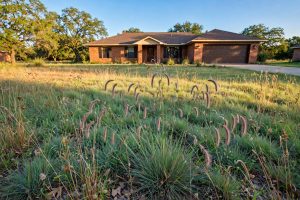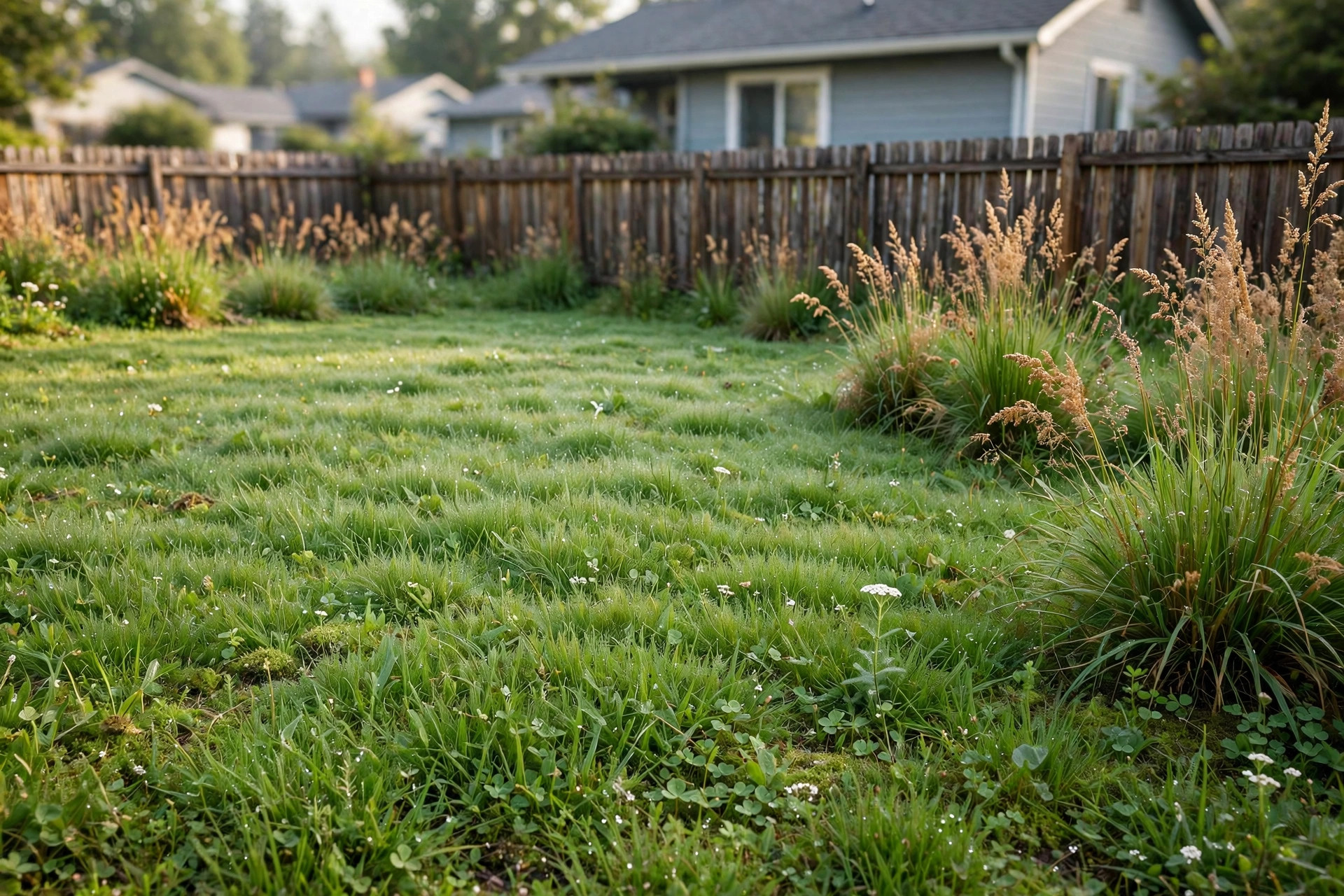

This native grass seed reviews buying guide usa is written for one reader. That reader is a homeowner who wants a lawn that fits the land. Native grasses belong in this country. They grew here long before the first fence. They ask for less water. They ask for less feed. They give back more cover for birds and bees. But the seed bags on the shelf are not all the same. Some hold pure seed. Some hold mixes with filler. Some suit your county. Some suit a county a thousand miles away. Reviews can help you sort it out. Reviews can also mislead you. This guide shows you how to read them with a clear eye, what to look for in a bag, and how to plant with care.
Why Native Grass Seed Matters
A native grass is a grass that grew in your region before settlers arrived. It knows your rain. It knows your cold snaps. It knows your dry spells. That knowledge lives in the seed. When you plant native seed, you plant a lawn that has already passed a hard test. It passed the test of your own soil and sky.
Most common lawns in the USA use grasses from Europe or Asia. Those grasses can grow well. But they often want more water. They often want more food. They often want more weed control. In dry years, they go brown fast. In wet years, they can invite disease.
Native grass seed offers a different trade. The first year is slow. The roots go down deep while the blades stay short. Many buyers worry at this point. Reviews from these buyers often sound angry. The lawn looks thin. The lawn looks patchy. But the plant is building a root system that can reach five feet down. In year two, the lawn fills in. In year three, it holds up in heat that breaks common lawns.
There is also a wider reason. Native grasses feed the land. Their seed heads feed finches and sparrows. Their roots hold the soil after storms. Their deep roots lock carbon in the ground. A yard planted with native seed is not just a lawn. It is a small piece of the prairie brought home.
One word of caution. “Native” on a label does not always mean native to your county. A grass native to Texas is not native to Maine. Buy seed that fits your region. The bag or the seller should name the region or the hardiness zone. If it does not, move on.
How to Read Native Grass Seed Reviews With a Clear Eye: Native Grass Seed Reviews Buying Guide Usa
Reviews are useful. They are also noisy. A star rating alone tells you little. Read the words behind the stars.
Start with the date. A review from three years ago may describe an old mix. Seed companies change their mixes. A review from last month tells you more.
Look at the reviewer’s place. Many review sites show a state or a zone. A one-star review from Florida means little if you live in Ohio. Native seed is local by nature. Trust reviews from your region first.
Read the middle ratings. Five-star reviews are often written right after planting. One-star reviews are often written in anger. Three-star reviews tend to be honest. They say what worked and what did not.
Watch for timing complaints. Many bad reviews of native grass seed share one theme. The lawn looked bad in month two. As you now know, native grasses start slow. A reviewer who expected fast cover will be unhappy even when the seed is good. Give more weight to reviews that follow the lawn through one full year.
Check whether the reviewer prepared the soil. Seed thrown on hard, bare ground will fail. That is not the fault of the seed. Good reviews often mention soil testing, tilling, or watering steps. Bad reviews often skip that part.
Look for repeat buyers. When the same buyer orders again next season, that is a strong sign. It means the first planting did well.
Finally, count the reviews. A product with four hundred reviews and a 4.2 rating is more reliable than a product with nine reviews and a 5.0 rating. Volume steadies the score.
If you want a full walk-through of the buying process, read our native grass seed buying guide usa. It pairs well with this reviews guide.
Main Types of Native Grass Seed in the USA
Native grasses fall into two broad groups. Cool season grasses grow best in spring and fall. Warm season grasses grow best in summer. Your region tells you which group to buy.
Cool Season Native Grasses
These grasses suit the North and the upper Midwest. They green up early. They rest in deep summer. They green up again in fall.
Canada wildrye is a fast starter. It covers ground in the first year while slower grasses build roots. It is often used in mixes as a nurse crop.
Virginia wildrye likes shade and wet ground. It is a good pick for low spots and tree lines where turf grass dies.
Little bluestem is a beauty. It turns a deep blue-green in summer and a copper red in fall. It stands about two feet tall. It feeds birds well.
Sideoats grama is tough. It handles poor soil and drought. Its seed heads hang like tiny oats along one side of the stem.
Warm Season Native Grasses
These grasses suit the South, the Plains, and the Southwest. They sleep in winter. They wake in late spring and grow strong through heat.
Buffalograss is the most lawn-like of the natives. It stays short. It can be mowed like turf. It needs very little water once set. It suits the Great Plains best.
Blue grama is another short grass. It pairs well with buffalograss in mixes. It turns a soft tan in winter and greens fast with spring rain.
Switchgrass grows tall and strong. It is more meadow than lawn. It suits large lots and back fields. It stands through winter and gives birds cover.
Little bluestem also fits here. It grows in both warm and cool zones. It is one of the most widely useful native grasses in the country.
Mixes beat single species in most yards. A mix covers your bets. If one grass sulks in a wet corner, another may thrive there. Look for mixes that name each grass and its share of the bag. A good label lists the Latin names and the percent by weight.
What to Look For When You Buy
The bag tells you more than the ads. Learn to read it.
Pure live seed. This is the percent of the bag that is live seed of the named grasses. The rest is coating, chaff, or dead seed. A pure live seed rate of 80 percent or more is good. Below 60 percent, you are paying for filler.
Test date. Seed is tested for germination. The date should be within the last year. Old test dates mean old seed. Old seed wakes up slowly or not at all.
Weed seed content. The label must state the weed seed percent. It should be near zero. Some states allow up to 1 percent. Lower is better.
Noxious weeds. The label must state whether noxious weed seed is present. It should say none found. Never buy a bag that lists noxious weeds.
Origin. Good sellers name the state or region where the seed was grown. Seed grown near you will suit your land better than seed grown far away.
Coated versus raw seed. Some seed is coated with clay or nutrients. Coating can help small seeds spread evenly. But coating adds weight. You pay by the pound. Compare prices by pure live seed, not by bag weight.
Price is not a reliable guide alone. Cheap seed is often old or full of filler. Very costly seed is not always better. Reviews help here. They tell you which mid-priced bags perform.
When you are ready to compare sellers, see our notes on native grass seed for sale usa for what to expect from shops and online stores.
Cost and Price of Native Grass Seed
Native grass seed costs more per pound than common lawn seed. There is a reason. Native seed is harder to harvest. The fields are smaller. The cleaning is slower. Expect to pay between 8 and 40 dollars per pound for quality native seed. Simple grasses like buffalograss sit at the low end. Rich multi-species mixes sit at the high end.
A small yard of 1,000 square feet may need 3 to 5 pounds of seed. A half-acre lot may need 30 to 50 pounds. Do the math before you shop. Multiply your square feet by the rate on the bag. Then add 10 percent for touch-ups.
Shipping can add real cost. Seed is heavy. Some sellers ship free over a set order size. Some charge by the pound. Factor this in when you compare prices across stores.
Do not buy more than you need for one season. Native seed keeps best for one year in a cool, dry place. After that, germination drops. Buy fresh each year you plant.
Bulk buying helps on large lots. If you plant an acre or more, ask about bulk rates. Many native seed growers sell 25 and 50 pound bags at a lower price per pound.
Planting and Care
Good seed fails in bad soil. Good soil saves weak seed. Put your effort into the ground first.
Planting Steps
Test your soil. A basic soil test costs little. It tells you the pH and the nutrient levels. Native grasses like a pH near 6 to 7. Your local extension office can run the test and explain the results. The National Institute of Food and Agriculture supports these extension offices across the country.
Clear the old lawn. Kill or remove the old grass before you plant. Old turf will choke young native seedlings. You can smother it with tarps for a few weeks or till it under. Do not plant into living sod.
Loosen the top soil. Rake or till the top two inches. Break up clumps. Remove rocks and sticks. A smooth, firm bed gives seed good contact with soil.
Sow at the right time. Plant cool season natives in early fall or early spring. Plant warm season natives in late spring when the soil is warm. Check the Old Farmer’s Almanac planting dates for your zone as a rough guide.
Spread evenly. Use a spreader for large areas. Hand sow for small patches. Split the seed into two halves. Sow one half walking north to south. Sow the other half walking east to west. This cross pattern avoids bare stripes.
Press the seed in. Roll the area or walk it firm. Seed needs contact with soil. Do not bury it deep. Most native grass seed wants to sit at or just below the surface.
Water gently. Keep the top inch moist for the first month. Water little and often. A light mist twice a day beats a flood once a week. Once seedlings reach three inches, cut back. Deep, rare watering trains roots to go down.
Care and Upkeep
First year patience. Mow high in the first year. Set the blade at four inches. This keeps weeds from seeding while native seedlings grow strong below. Do not judge the lawn until year two.
Water. After the first season, most native lawns need little water. In drought, one deep soak per month is enough. Overwatering is a common killer. It invites weeds and disease.
Feed. Native grasses need far less feed than turf. Most need none at all after year one. If a soil test shows a lack, use a light, slow feed in fall. Heavy feeding makes native grass floppy and invites weeds.
Weeds. Pull weeds by hand in the first year. Spot treat in later years. A thick native stand crowds out most weeds by year three. Planting guides at Gardening Know How offer clear weed control steps for new seedings.
Mowing. Mow native lawn grasses at three to four inches. Leave the clippings. They return food to the soil. In fall, leave the seed heads standing. Birds will thank you.
Safety Notes
Native grass seed is safe to handle. Still, take simple care.
Wear a dust mask when you pour and spread dry seed. Fine chaff can irritate lungs. Wear gloves if your skin is sensitive.
Keep seed away from pets and small children during planting. The seed itself is not toxic, but coated seed may carry treatments. Read the bag. Store leftover seed in a sealed bin out of reach.
Check local rules before you plant tall grasses. Some towns limit grass height in front yards. A meadow of switchgrass may break a local weed law. Call your town office first. The U.S. Consumer Product Safety Commission is not the right office for this, but your town clerk is.
If you buy near wild land, choose seed free of invasive species. A bad mix can escape your yard and harm nearby woods or fields. Reviews from local buyers often flag this problem. Trust them.
For general lawn safety and product guidance, Consumer Reports publishes independent tests of lawn and garden products.
Frequently Asked Questions
How long does native grass seed take to grow? Expect sprouts in 14 to 30 days with steady moisture. Expect thin cover in year one. Expect a full lawn in year two or three. Warm season grasses are slower than cool season grasses. Patience is part of the price.
Can I mix native grass seed with regular lawn seed? You can, but it is a poor trade. Regular lawn seed grows fast and shades out slow native seedlings. If you want natives, plant natives alone. Give them the whole bed.
Is native grass seed good for shade? Some natives handle shade well. Virginia wildrye is one. Most prairie grasses want full sun. Match the grass to your light. Read the bag for sun needs before you buy.
Where is the best place to buy native grass seed? Buy from sellers who name the seed origin and show test dates. Local native plant nurseries are often best. Online sellers with many regional reviews are a good second choice. Our page on native grass seed where to buy usa lists what to check before you order.
How much seed do I need? Most native lawn mixes call for 3 to 5 pounds per 1,000 square feet. Meadow mixes call for less, about 1 to 2 pounds per 1,000 square feet. Always follow the rate on your bag. More seed is not better. Crowded seedlings fight each other.
Do I need to water native grass after it is set? Rarely. Once roots are deep, most native lawns live on rain. In long drought, one deep soak a month keeps them green. Stop watering in fall so the grass can harden for winter.
A Final Word
Reviews are a tool, not a verdict. Use them to shortlist sellers and mixes. Then read the bag, test your soil, and plant at the right time. A native lawn asks for patience in year one. It pays you back for decades with low bills, low work, and a yard that belongs. Start small if you are unsure. Plant one bed this fall. Watch it through next summer. Then decide how far to go.
For more background, see Burpee, Park Seed, and Gurney’s Seed & Nursery Co.
References
Burpee. (n.d.). Seeds, plants, and gardening supplies. https://www.burpee.com Consumer Reports. (n.d.). Product reviews and ratings. https://www.consumerreports.org Gardening Know How. (n.d.). Gardening guides and plant care. https://www.gardeningknowhow.com Gurney’s Seed & Nursery Co. (n.d.). Seeds, plants, and garden supplies. https://www.gurneys.com National Institute of Food and Agriculture. (n.d.). Agricultural research and extension. https://www.nifa.usda.gov Park Seed. (n.d.). Seeds, plants, and gardening supplies. https://www.parkseed.com The Old Farmer’s Almanac. (n.d.). Gardening calendars and advice. https://www.almanac.com U.S. Consumer Product Safety Commission. (n.d.). Product safety information. https://www.cpsc.gov
Was this guide helpful?

About David Wilson
The My Garden US editorial team writes practical, in-depth home and garden guides for American homeowners — tested advice, no fluff.
You May Also Like
Native Grass Seed for Sale USA: A Practical Guide for Homeowners
January 2, 2026 0 views
Pothos Plants Bulk USA Online Deals: A Practical Guide for Buyers
March 8, 2026 0 views
Snake Plants Indoor for Sale USA: A Plain Guide to Buying
January 17, 2026 0 views