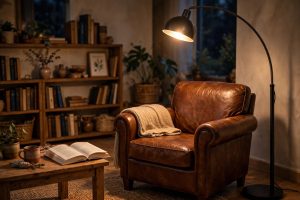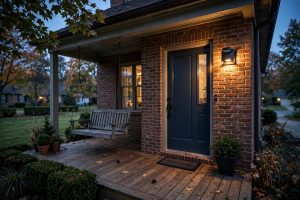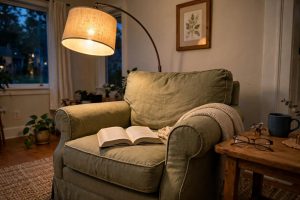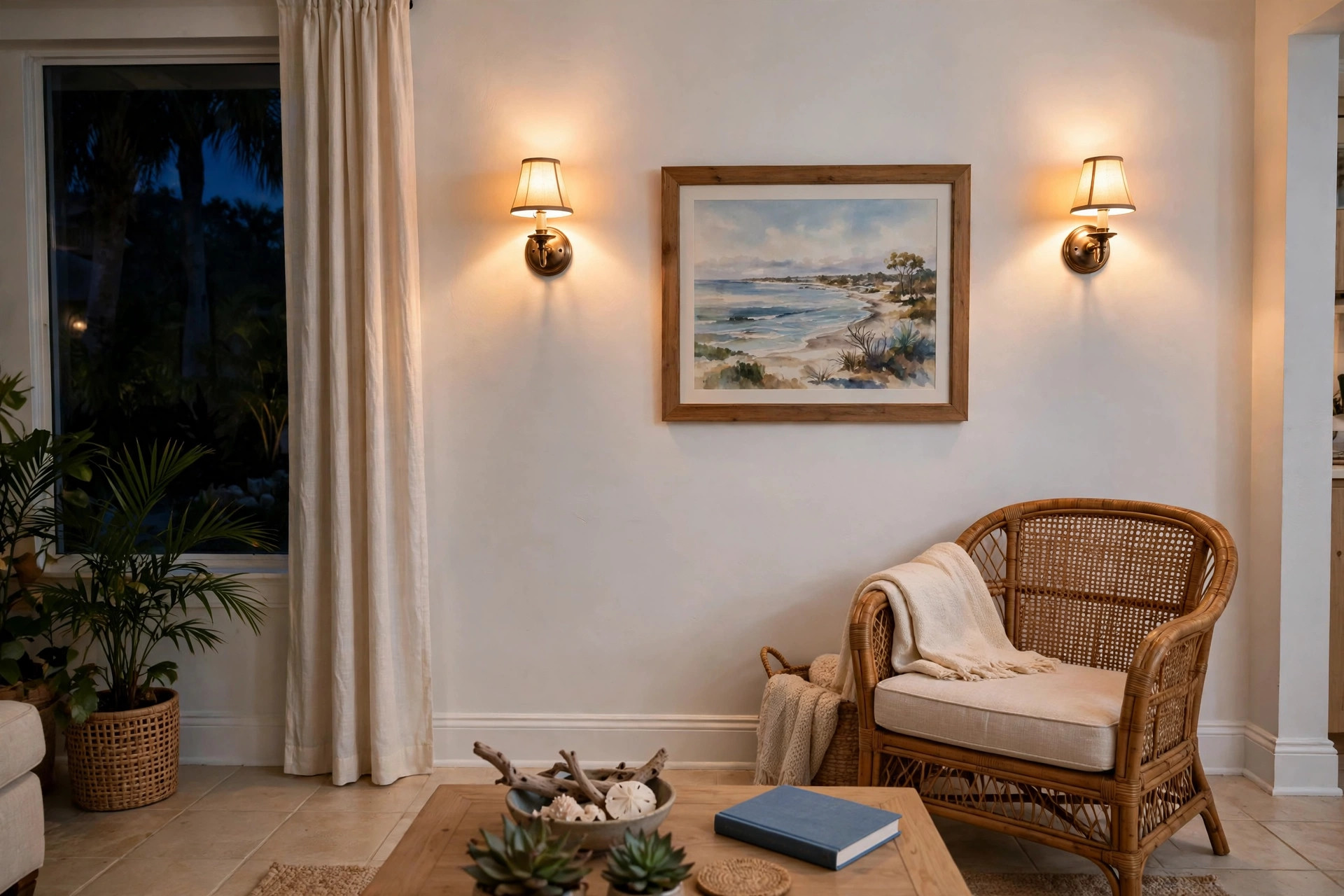
Florida houses have their own way of living with light. The sun is strong for most of the year, rooms run warm, and many homes sit open to porches and pools. By the evening, though, the same rooms can feel flat and hard under a single ceiling light. This is where indoor wall sconces for Florida homes come in. A sconce is a small light fixed to the wall. It throws light up, down, or both ways. It adds warmth where a ceiling fixture cannot reach, and it gives a room a finished look without a large outlay of money.
Indoor wall sconces suit Florida homes well for a few plain reasons. The style of the house often favors bright walls, tile or wood floors, and tall ceilings. A wall light sits kindly against such rooms. It also helps in long halls and stairways, which many Florida ranch and two-story houses have. In this guide you will find plain advice on why sconces matter, what to look for, the main types, what they cost, how to keep them up, and how to stay safe. The focus is on indoor wall sconces florida homes usa shoppers can buy and use with confidence.
Why Indoor Wall Sconces Matter in Florida Homes
Florida light changes hard through the day. Morning is soft, noon is harsh, and the evening falls fast in winter months. A single overhead light cannot follow these changes. Wall sconces give you a second layer of light. You can turn them on at dusk while the ceiling stays off. The room feels calm and easy rather than overlit.
Many Florida homes have high ceilings and open plans. A ceiling light hung high leaves the lower part of the room dim. Sconces sit at eye level or just above, so they fill that middle zone. They work well beside beds, along hallways, around mirrors, and next to fireplaces. They also flatter the materials common in Florida houses, such as stucco walls, wainscot, and light painted brick. A warm shade makes white walls glow rather than glare.
There is a comfort point too. Florida homes run the air conditioner for much of the year. A room that is cool and bright can feel clinical. A pair of sconces with warm bulbs softens that feeling. Guests notice it. Family members notice it. It is a small change with a large effect.
What to Look For When Choosing Sconces: Indoor Wall Sconces Florida Homes Usa
Buying a sconce is like buying any fixture: a few details decide whether you will like it in five years. Keep these points in mind.
Size and Scale
A sconce that is too small looks lost on a wide wall. One that is too large crowds the space. For a hallway, a fixture about six to eight inches wide is a safe range. Beside a mirror, match the sconce height to the mirror and keep the light at face height so the face is lit evenly. In a living room, two matching sconces on either side of a window or a piece of art look balanced.
Finish and Material
Florida air carries salt and damp, even indoors near the coast. Choose finishes that resist rust and tarnish. Brushed nickel, powder-coated metal, and sealed brass hold up well. Painted wood shades can swell in damp rooms, so keep them in dry living areas. Glass shades clean easily and never go out of style.
Shade Direction
Sconces send light up, down, or both ways. Up-light sconces wash the wall with a soft glow and suit living rooms and halls. Down-light sconces put task light where you read or work. A two-way fixture does both and fits stairways and dining rooms. Decide what the room needs before you fall in love with a shape.
Bulb Type and Color
Use LED bulbs made for enclosed or semi-enclosed fixtures. They run cool, last long, and suit the warm Florida climate. For color, a warm white near 2700K feels like evening sun and flatters skin and wood. A neutral white near 3000K is a touch crisper and suits kitchens and baths. Read the guidance on Energy Star for rated bulbs, and browse current styles at Lumens or Lamps Plus to see what finishes are in stock.
Dimming
A dimmer turns a sconce from task light into mood light. Check that the fixture and bulb both support dimming, and that the dimmer switch matches the bulb type. Older dimmers made for incandescent bulbs often flicker with LEDs.
Types of Indoor Wall Sconces
Sconces come in several honest types. Each fits a different job in the house.
Candle-style sconces. These copy the look of old wall candles, with small arms and flame-shaped bulbs. They suit formal dining rooms and entry halls. Many Florida homes with Mediterranean or coastal-classic style use them well.
Drum and fabric shades. A small drum shade spreads light softly. Fabric shades give a warm, homey look. They are a good pick for bedrooms and family rooms where the light should be gentle.
Swing-arm sconces. The arm moves, so the light points where you need it. Place them beside a bed or a reading chair. They are the practical choice for anyone who reads at night.
Picture lights. A slim bar of light that fixes above a painting or a mirror. Florida homes often show local art or family photos, and a picture light makes them stand out after dark.
Bath bar sconces. Horizontal bars with several small shades, made to flank or top a bathroom mirror. They give even light for shaving and makeup, far better than a single ceiling light behind the head. Pair them with a mirror and a bath upgrade guide if you are redoing the room.
Plug-in sconces. These mount with a cord that plugs into an outlet. No electrician is needed. They are a good first try for renters or for anyone testing a look before a full install. Many home stores carry them; see the wall-light aisles at Home Depot and Lowe’s for current models.
Related lighting ideas in the same family include outdoor wall lanterns for sale usa, which carry the same look out to the porch, and landscape spot lights american homes guide for yard lighting. For bulb upgrades, see wifi smart bulbs usa online deals.
Cost and Price: What to Expect
Prices for indoor wall sconces in the USA run a wide range. A simple metal sconce from a home store can cost twenty to forty dollars. A well-made fixture with a glass shade runs fifty to one hundred twenty dollars. Designer or hand-forged pieces can reach two hundred dollars and more. Most Florida buyers spend between forty and ninety dollars per fixture for a good middle range.
A room usually needs two sconces to look balanced, so double the fixture price for a pair. Bulbs add five to fifteen dollars each for quality LEDs. If you hire an electrician to wire new sconces, plan on one hundred to two hundred fifty dollars per fixture for labor, depending on your town and the wiring job. A plug-in sconce skips this cost entirely.
To keep costs down, buy in pairs when the store offers a set price. Watch seasonal sales at the big chains. And always check that the price includes mounting hardware; some imported fixtures do not. Guides on Philips lighting pages can help you compare LED bulb costs against older bulb types over a full year.
Care and Upkeep
Wall sconces ask little, but they repay a small routine. Dust the shades and arms every month with a soft cloth. Florida dust mixes with kitchen grease and damp air, so a damp wipe once a season keeps glass shades clear. Turn the power off at the switch before you clean near the socket.
Check bulbs once or twice a year. LED bulbs last a long time, but heat and power surges shorten their life. If a bulb flickers, try it in another socket to learn whether the bulb or the fixture is at fault. Tighten mounting screws once a year, because ceiling fans and closing doors can loosen wall fixtures over time.
Near the coast, wipe metal finishes with a dry cloth to remove salt film. Do not use harsh cleaners on sealed brass or painted shades. If a shade is fabric, vacuum it gently with a brush head instead of washing it.
Safety in Florida Homes
Safety with sconces comes down to heat, wiring, and water. Use only the bulb type and wattage printed on the fixture label. Even LED bulbs make some heat, and an enclosed shade traps it. Keep paper shades and drapes at least six inches from the bulb.
Have new wiring done by a licensed electrician, and keep the work to code. Florida building codes and hurricane rules are strict, and insurance often asks for proof of proper electrical work after a claim. The federal guidance at Energy.gov covers efficient home lighting, and The Spruce keeps plain how-to articles on safe fixture installs.
Bathrooms need fixtures rated for damp locations. The National Electrical Code bars most fixtures from the space directly over a tub or shower unless they carry the right rating. Kitchens need the same care near sinks. If you are unsure, buy a fixture marked for damp use; it costs little more and removes the doubt.
Florida storms bring power surges. A whole-house surge protector, fitted by an electrician at the panel, guards sconces and every other device. After a hurricane outage, check each fixture for water entry before you switch it back on.
FAQ
Do wall sconces need an electrician to install?
Hardwired sconces do. Any fixture that ties into the house wiring should be fitted by a licensed electrician, both for safety and for code. Plug-in sconces need no electrician. They hang on a bracket and the cord runs to an outlet. Many buyers start with plug-ins and wire the look in later.
How high should indoor wall sconces be mounted?
A common rule is to center the fixture about sixty to sixty-six inches from the floor, or near eye level. Beside a bed, mount them just above the pillow line so reading light falls on the book. In a hallway, keep the same height down the whole run for a clean line.
What bulb color is best for Florida living rooms?
Warm white near 2700K suits most Florida living rooms. It softens white walls and wood floors and feels right against the evening sky. If the room is also a work space, step up to 3000K for a bit more clarity.
Can I put sconces in a Florida bathroom?
Yes, if the fixture is rated for damp locations. Mount them at face height beside the mirror rather than above it, so the light falls evenly. Keep them clear of direct tub and shower spray unless the rating allows it.
Are LED bulbs worth the extra cost in sconces?
They usually are. A good LED costs more up front but uses far less power and lasts many years. In a house that runs the air conditioner most of the year, the lower heat from LEDs is a real bonus too.
Do sconces work with dimmer switches?
Most do, as long as the bulb is marked dimmable and the dimmer switch is made for LED loads. Test one bulb with the dimmer before you buy a full set. If it buzzes or flickers, change either the bulb or the switch.
A Short Final Word
Indoor wall sconces are one of the simplest upgrades a Florida homeowner can make. They cost less than new furniture, they install in an afternoon, and they change how a room feels every single evening. Pick a size that fits the wall, a finish that stands up to the climate, warm LED bulbs, and a dimmer. Mount a pair where the room needs it most, and let the soft light do the rest. For buyers searching indoor wall sconces florida homes usa, the honest advice is this: start small, buy quality, and light the room the way you actually live in it.
References
ENERGY STAR. (n.d.). Energy efficient products. https://www.energystar.gov Lamps Plus. (n.d.). Lighting and home decor. https://www.lampsplus.com Lowe’s. (n.d.). Home improvement products. https://www.lowes.com Lumens. (n.d.). Lighting and ceiling fans. https://www.lumens.com Philips. (n.d.). Lighting products. https://www.philips.com The Home Depot. (n.d.). Home improvement products. https://www.homedepot.com The Spruce. (n.d.). Home and garden advice. https://www.thespruce.com U.S. Department of Energy. (n.d.). Energy efficiency and renewable energy. https://www.energy.gov
Was this guide helpful?

About Robert Taylor
The My Garden US editorial team writes practical, in-depth home and garden guides for American homeowners — tested advice, no fluff.