
Table of Contents
Table of Contents
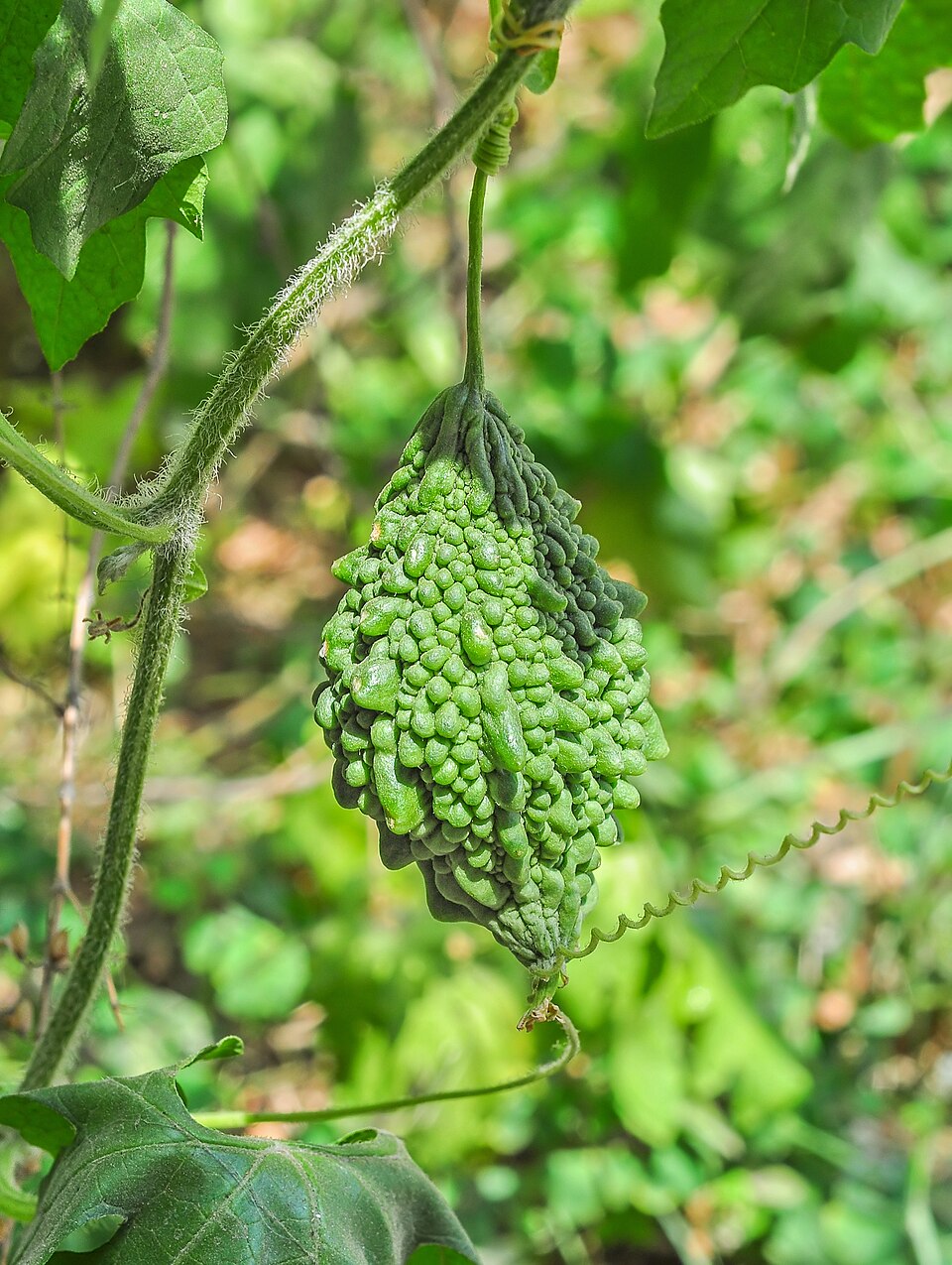
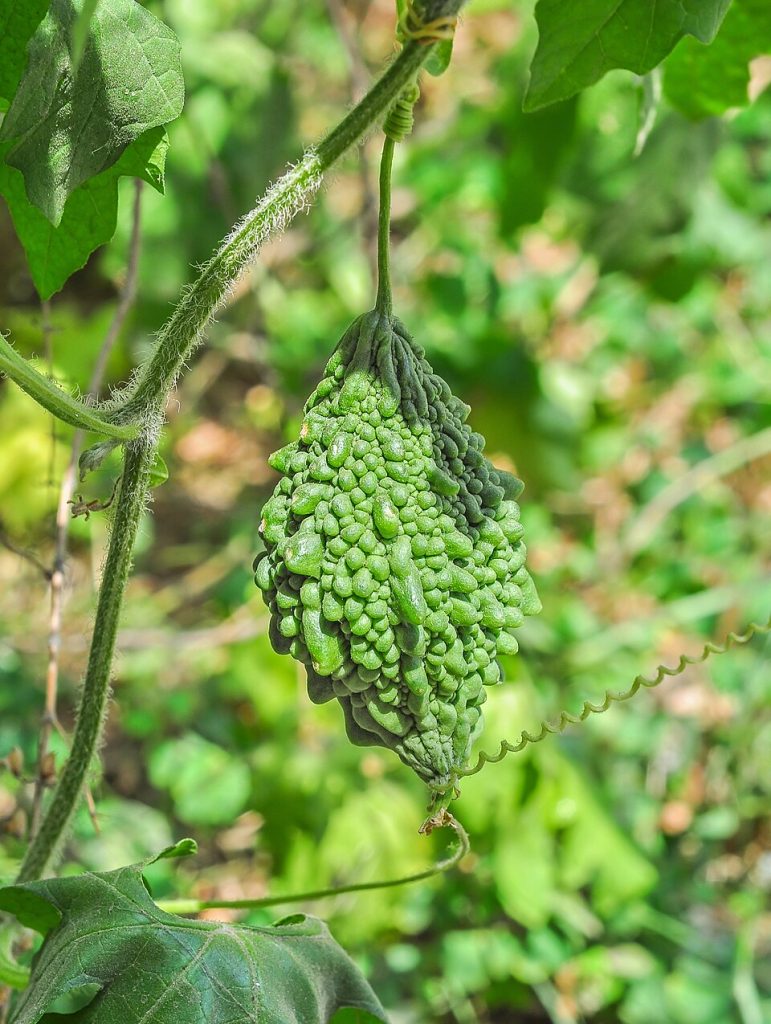
Photo: Wikimedia Commons
Introduction
When it comes to how to grow bitter melon, getting the details right makes all the difference.

Many homeowners find that how to grow bitter melon is easier than they expected once they know the basics.
Bitter melon is not for timid taste buds. The warty green fruits are intensely bitter - and intensely loved in Asian cooking, where that bitterness is the whole point. The vines are vigorous, the yellow flowers pretty, and the harvest generous if you give it heat. This guide covers how to grow bitter melon from seed to harvest, with timing based on your frost dates and USDA zones 2 to 11, so you can plan with confidence.
The short version: Bitter Melon suits full sun and rich, well-drained soil. Give each plant around 18 inches of room, and plan on about 80 to 100 days before harvest. It is a heat-loving annual vine, so plant it where it can do its thing undisturbed. Average garden watering keeps it happy.
In this guide you will find variety pointers, planting times by frost date, soil and water needs, season-long care, harvest tips, and fixes for common problems. Gardeners grow it for distinctive bitter fruits prized in Asian cooking.
Expect a learning curve of exactly one season. The first year you follow the steps below; the second year you adjust them to your soil and weather. That is how every good gardener learned how to grow bitter melon, and there is no shortcut around it - but there is also no great mystery to it.
Choosing a Variety
Many homeowners find that how to grow bitter melon is easier than they expected once they know the basics.
The key to how to grow bitter melon is choosing the right approach for your space and budget.
Indian types are small, dark green, and extra bitter; Chinese types are longer, paler, and milder. Both grow the same way on a trellis. Pick the type that matches the dishes you cook.
You can start seeds indoors for a head start or sow directly outdoors; both routes work, and this guide covers each.
Read the packet before you fall for the picture. Check that the days to harvest fit your season, and look for any mention of disease resistance. Fresh seed from a reputable house beats a bargain-bin packet every time - old seed is the quiet cause of many failed plantings. For variety details and photos, browse your state extension service.
When and How to Plant
The key to how to grow bitter melon is choosing the right approach for your space and budget.
With a little planning, how to grow bitter melon can fit even a busy schedule.
Start seeds indoors four weeks after your last spring frost; transplant seedlings outdoors two weeks after your last spring frost; or direct sow two weeks after your last spring frost. Your county office can confirm local frost dates - ask Clemson Cooperative Extension - and our planting calendar turns them into a sowing schedule.
Bitter melon is a heat-loving vine that needs an early start in most climates. Nick or soak the hard seeds, start indoors in large pots, and transplant 2 feet apart at the base of a strong trellis in full sun and rich soil. Warm soil is essential for good germination.
Starting Seeds Indoors
Fill clean containers with moist seed-starting mix and sow at the depth given above. Warmth matters more than light until sprouts appear. Once they are up, give them strong light so stems stay stocky, and move them outdoors gradually over several days.
Direct Sowing
Rake the bed smooth, sow at the right depth, and water gently so seed does not wash away. Keep the top inch of soil moist until germination. A light row cover holds moisture in and keeps birds and flea beetles off the young seedlings.
1. Time it by frost. Work out your last spring frost date first, then count back or forward the weeks given above. Warm soil wakes seeds up fast; cold soil just sits there.
2. Prepare the bed. Clear weeds, loosen the soil, and work in compost. Rake it level so water does not pool.
3. Sow or plant. Place seed half an inch deep, spacing plants about 18 inches apart. Firm the soil gently so seed meets soil.
4. Water in well. Soak the bed after planting, then keep it evenly moist until seedlings are up and growing.
5. Thin or space. If seedlings crowd, thin to the final spacing. Crowded plants compete and stay small.
6. Label and mulch. Mark the row so you do not hoe it by accident, and mulch once plants are a few inches tall.
Get the timing and spacing right and the plants largely take care of themselves from here. Most failures trace back to sowing too early or too deep, so honor the frost dates and the depth. Compare notes with the Farmer's Almanac gardening guides if you want a second opinion.
Soil and Sun
With a little planning, how to grow bitter melon can fit even a busy schedule.
Before you start, it helps to understand how how to grow bitter melon works in real homes.
Site it for full sun. Morning sun with a break from the harshest afternoon heat suits it well in warm regions, while cooler climates can give it the brightest spot available. If a bed stays shady past mid-morning, pick another one.
Soil prep pays off all season. The target is rich, well-drained soil, so loosen the bed well and mix in rotted compost or leaf mold. A soil test through the cooperative extension service tells you exactly where your pH and nutrients stand, which beats guessing.
Once plants are up, a layer of organic mulch keeps roots cool and cuts watering chores. Replenish it as it breaks down; the rotted remains feed the soil for next season. For the botanical details on this species, the USDA plant database lists its native range and needs, and the USDA National Agricultural Library carries plain-language soil guidance.
Watering and Feeding
Before you start, it helps to understand how how to grow bitter melon works in real homes.
A good plan for how to grow bitter melon saves time, money, and frustration.
Plan on consistent watering. Water deeply so moisture reaches the root zone, then let the top inch dry before watering again. Shallow daily sprinkles train roots to stay near the surface, where heat and drought hit hardest.
Fertilize with restraint. Rich soil and heavy feeding make many herbs and vegetables lush but weak, with washed-out flavor. Compost is the safest food; add a modest organic fertilizer only if growth clearly stalls. Watering and feeding checklists from UF's Gardening Solutions are worth bookmarking.
Care Through the Season
A good plan for how to grow bitter melon saves time, money, and frustration.
For most people, how to grow bitter melon comes down to a few smart choices.
Water deeply and mulch to keep roots moist through summer. Fruit flies can ruin young fruits, so bag them when small if flies are a problem. Powdery mildew may coat leaves late in the season; choose resistant varieties where available and water at the base.
> Grower's tip: Nick or soak seeds before sowing; they germinate slowly. Trellis vines and pick fruits young for best texture.
Weed early and weed often while plants are small. Once the canopy closes, weeds lose their chance, but a weed that gets a head start steals water and light all season. A hoe on a dry afternoon, ten minutes a week, keeps beds clean.
Gardeners who grow bitter melon often grow Cucumber, Luffa, Chayote in the same bed or nearby - they share similar needs and the harvests complement each other.
One more habit separates good growers from frustrated ones: walk the rows. You will spot the first aphid, the first chewed leaf, the first wilted stem - and early action is always the cheapest action. For pest ID photos and seasonal task lists, see Gardenia.net.
Harvest
For most people, how to grow bitter melon comes down to a few smart choices.
If you are new to how to grow bitter melon, start with the simplest option and build from there.
Harvest fruits young and green, 4 to 8 inches long, before they turn orange and split. Slice, salt, and rest them to draw out some bitterness before cooking. Pro tip: pick every few days, since oversized fruits get intensely bitter and signal the vine to slow down.
Keep tools clean and sharp. A clean cut heals faster than a tear, whether you are snipping stems or digging roots. Rinse harvests, dry them, and store as directed below.
Store the harvest properly and it pays you for weeks. Cool, dark, and airy suits most crops; the exact setup depends on what you grew. Storage and curing charts at your local cooperative extension office are worth printing out.
Common Mistakes to Avoid
If you are new to how to grow bitter melon, start with the simplest option and build from there.
When it comes to how to grow bitter melon, getting the details right makes all the difference.
Here are the mistakes that trip up beginners with this crop. None of them is hard to avoid once you know what to watch for.
- Planting at the wrong time. Frost dates are not suggestions. Seed sown into cold soil rots or sits, and seedlings set out too early stall for weeks. Count your weeks from the last spring frost and trust the math.
- Sowing too deep. Small seed buried too far never emerges. Sow half an inch deep - barely covering tiny seed is usually right - and press it into firm contact with moist soil.
- Crowding the plants. It is tempting to squeeze in extra, but 18-inch spacing exists for a reason. Crowded plants compete for light and water, stay small, and catch disease faster.
- Watering wrong. Both extremes hurt: soggy soil rots roots and invites disease, while drought stress at the wrong moment ruins the harvest. consistent watering is the target - learn what that feels like in your soil.
- Giving up too soon. Slow germination is normal for this plant. Keep the bed moist and give it the full expected time before you declare the sowing a failure and start over.
Troubleshooting
When it comes to how to grow bitter melon, getting the details right makes all the difference.
Many homeowners find that how to grow bitter melon is easier than they expected once they know the basics.
First, an honest limit: Heat-loving, frost-tender annual; cold soil rots the seed, so it waits until well after the last frost. Knowing where a plant will not thrive saves more disappointment than any trick.
Common Pests
The pest list here is short: aphids on tender tips, slugs in wet weather, and the odd caterpillar. Inspect leaf undersides weekly. Row covers exclude most chewing pests without a drop of spray, and removing infested leaves early keeps small problems small.
Common Problems
Yellow leaves usually mean too much water or too little food - check drainage first. Wilting in wet soil points to root trouble, not thirst. Powdery mildew shows up as white dust on leaves in humid weather; space plants for airflow and water the soil, not the foliage.
When in doubt, take a sample to the cooperative extension service or browse the diagnostic photos at the Missouri Botanical Garden's plant profiles - a correct ID beats a guess every time.
References
Many homeowners find that how to grow bitter melon is easier than they expected once they know the basics.
University of Minnesota Extension. (n.d.). Growing vegetables and herbs in home gardens. https://extension.umn.edu/
Old Farmer's Almanac. (n.d.). Planting calendar. https://www.almanac.com/planting-calendar
Clemson University Cooperative Extension. (n.d.). Home and garden information. https://clemson.edu/extension/
Old Farmer's Almanac. (n.d.). Gardening advice and planting guides. https://www.almanac.com/
U.S. Department of Agriculture. (n.d.). PLANTS database. https://plants.usda.gov/home
Was this guide helpful?

About My Garden US
The My Garden US editorial team writes practical, in-depth home and garden guides for American homeowners — tested advice, no fluff.