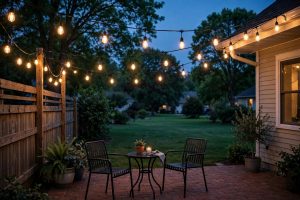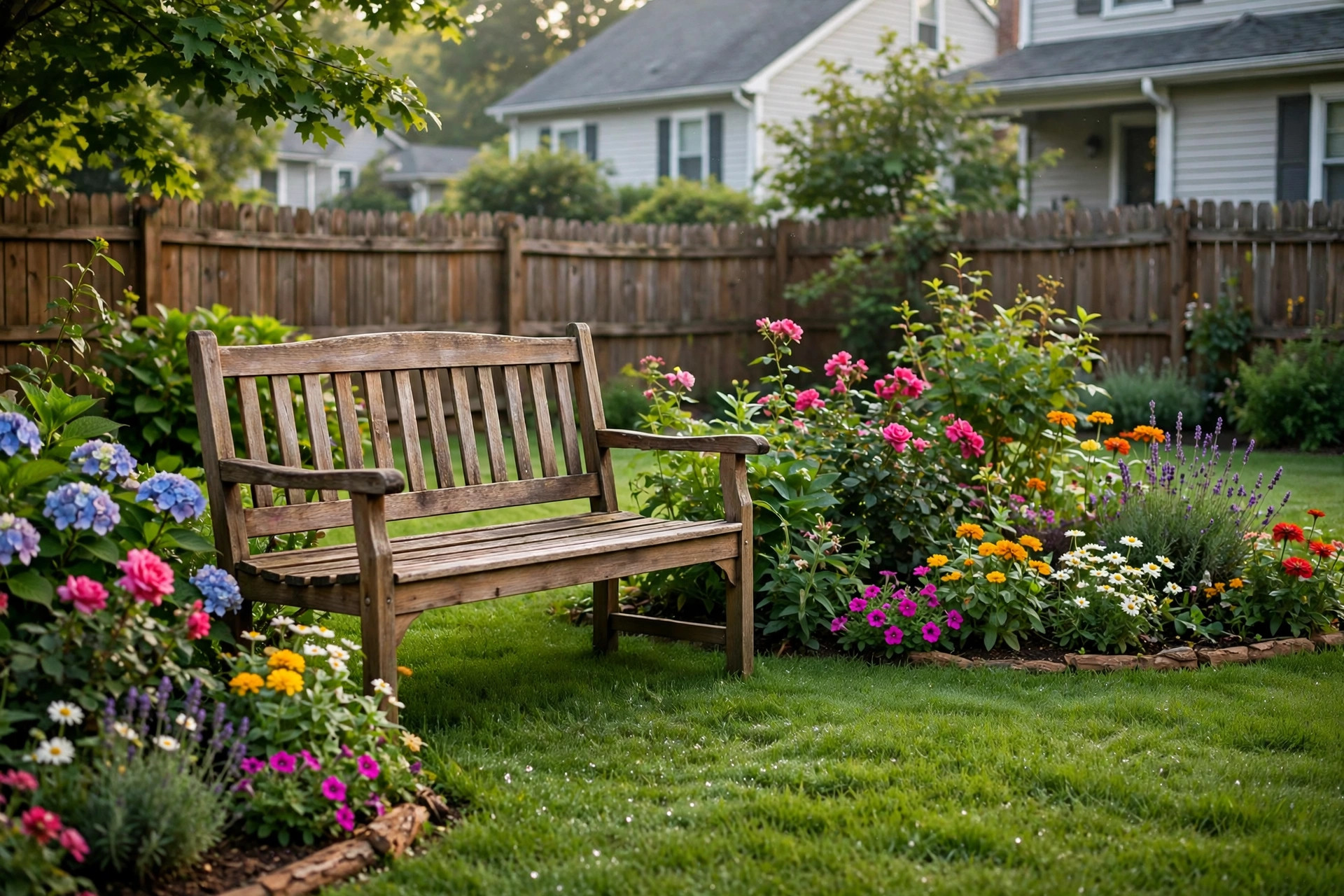

Every garden needs a place to sit. The best outdoor bench for garden reviews this year point to a simple truth. A good bench does more than hold two people. It changes the way a family uses its yard. Morning coffee tastes better on a shaded bench near the roses. An evening chat with a neighbor feels easier when there is a comfortable seat by the walkway. Children read their books on the front lawn bench. Older parents rest there on their way back from the mailbox.
For that reason, American homeowners buy millions of garden benches every year. They come in many shapes and many prices. Some cost less than a family dinner out. Others cost as much as a used car. That is the heart of this guide. It sorts benches by material, price, comfort, and care, and gives plain advice on what to buy and what to skip.
Why a Good Garden Bench Matters
A garden bench is not a decoration alone. It is a working piece of furniture. Studies of how people use their yards show that seating decides how long a person stays outside. When there is no seat, most people walk through the garden and go back inside. When there is a bench, they stop. They look at the plants. They talk. They rest. A bench turns a garden from a picture into a room.
A bench also helps older family members. Many grandparents cannot stand for long on a walk. A bench every fifty feet gives them rest points. It keeps them out in the fresh air longer. For families with small children, a sturdy bench becomes a reading spot and a play base.
Property value matters too. Real estate writers note that a tidy yard with simple seating gives buyers a warm first feeling. A bench costs little next to a full landscape plan. Yet it signals care. It says the owners spend time in this yard.
How to Choose the Right Outdoor Bench: Best Outdoor Bench for Garden Reviews
Buying the best outdoor bench for garden use starts with three questions. What is it made of? How big is it? How will you keep it in good shape? Answer these before you look at prices.
Material
Wood is the classic choice. Teak stands at the top. It holds up to rain and sun for decades with little work. Cedar and redwood are lighter and cheaper. They need oil or stain every year or two. Pine is the cheapest wood. It must be treated, or it will rot in two or three seasons.
Metal comes next. Cast iron benches are heavy and last a very long time. They do not blow over in storms. But they can rust if the paint chips. Aluminum is light and never rusts. Steel sits in the middle. It is strong but needs a good powder coat finish.
Resin wicker and recycled plastic have grown popular in recent years. They look like wood or wicker but shrug off rain. A quality recycled plastic bench can last twenty years with almost no care. It is also kind to the environment, since it turns old plastic into furniture.
Stone and concrete benches last the longest of all. They suit formal gardens. Their weakness is weight. Once you place one, you will not move it again.
Size and Seating Capacity
Most garden benches seat two adults. Standard length runs forty eight to sixty inches. Measure your spot before you buy. A bench that is too long will crowd a small path. A bench that is too short will look lost on a wide lawn.
Depth matters for comfort. Eighteen to twenty two inches of seat depth lets adults sit back with ease. Shallow seats feel like stools. Check the seat height too. Seventeen to nineteen inches fits most people.
Comfort and Design
A flat board looks nice but gets hard after twenty minutes. Look for a seat with a gentle curve. A backrest with a slight lean makes a big difference. Armrests help older users stand up. If the bench will sit in full sun, pick a design with slats. Slats let heat escape and water drain.
Style should match the house. A colonial brick home pairs well with cast iron or wood. A modern stucco home suits clean lined teak. A cottage garden loves a simple curved cedar bench.
Types of Outdoor Benches Worth Reviewing
Wooden Benches
Wooden benches remain the heart of best outdoor bench for garden reviews. Teak leads every honest ranking. It contains natural oils that fight rot and insects. A teak bench can sit outside for thirty years and still look fine. The color will turn silver gray if you let it. Many owners like this look. If you want the warm brown tone, oil it once a year.
Cedar benches cost half as much as teak. They smell good and resist bugs. They last ten to fifteen years with care. Eucalyptus is another mid priced wood. It looks much like teak when new. It needs yearly sealing to keep its color.
Pressure treated pine is the budget pick. It will serve three to five years with light use. After that, expect warping and cracks. For a first bench on a tight budget, it is a fair start.
Metal Benches
Cast iron benches give the classic park look. They are very strong. Two people can sit for years without a wobble. Their weight keeps them steady in wind. The main job is to touch up paint chips before rust starts. A can of matching spray paint costs little and adds years.
Aluminum benches weigh far less. A single person can move one across the lawn. They never rust. They can feel cold in spring and hot in summer sun. A cushion solves both problems.
Steel benches with mesh seats are common at stores like Home Depot and Lowe’s. They give good value. Check that the frame has no sharp welds. Sit on the floor model if you can.
Resin and Recycled Plastic Benches
This group grows fast in the best outdoor bench for garden reviews lists. Makers like Polywood press old milk jugs into lumber that looks like painted wood. It never rots, never needs paint, and cleans with a hose. The price sits between wood and teak. The colors stay true for years.
Resin wicker benches suit patios and pool areas. They pair well with cushions. Look for hand woven strands over an aluminum frame. Cheap plastic wicker over steel will rust from the inside.
Stone and Concrete Benches
A stone bench belongs to the garden forever. It needs no paint and no oil. It asks only for a level base. In winter, it can grow moss. Some owners like the aged look. Others scrub it once a year with a stiff brush. These benches suit memorial gardens and quiet corners.
Cost and Price Ranges
Price tracks material and build quality. Here is what American shoppers can expect this year.
– Pressure treated pine bench: forty to ninety dollars. Good for two or three seasons. – Cedar bench: one hundred fifty to three hundred dollars. Solid value with yearly care. – Eucalyptus bench: two hundred to four hundred dollars. Teak look at a lower price. – Teak bench: four hundred to over one thousand dollars. The long term pick. – Cast iron bench: one hundred fifty to five hundred dollars. Heavy and lasting. – Aluminum bench: one hundred to three hundred dollars. Light and rust free. – Recycled plastic bench: two hundred fifty to six hundred dollars. Almost no care needed. – Stone or concrete bench: three hundred to eight hundred dollars. Permanent.
Shipping adds cost for heavy pieces. Cast iron and stone often ship by freight. Check the delivery terms before you order. Assembly matters too. A bench that needs two people and an hour to build should say so on the box.
Watch for seasonal sales. Late summer clearance at big chains often cuts bench prices by a third. Wayfair and Frontgate run strong fall sales. IKEA keeps prices low year round on simple designs.
Care and Upkeep
Every bench lasts longer with small regular care. The best outdoor bench for garden reviews earn their marks not only in the store but in the yard over years.
For wood, sweep the seat weekly in fall when leaves drop. Wash it twice a year with mild soap and a soft brush. Rinse well. Let it dry in the sun. Apply oil or stain when water stops beading on the surface. That simple test tells you when the wood is thirsty.
For metal, check for chips each spring. Sand any rust spots with fine paper. Dab on primer and matching paint. Tighten bolts once a year. They loosen as the ground shifts.
For recycled plastic, wash with a garden hose and mild soap. That is nearly all it needs. Avoid pressure washers on high settings. They can rough up the surface.
For stone, sweep off dirt and leaves. A yearly scrub with water and a stiff brush keeps it clean. In cold states, a concrete bench should sit on a gravel pad. This stops frost from cracking it.
Covers help every type. A simple cover that fits the bench keeps rain and bird droppings off. It adds years to wood and paint. But remove the cover on dry days. Trapped damp air can grow mildew under it.
Read seasonal guides too. The Spruce and Bob Vila publish yearly care checklists for patio furniture. HGTV shows how small staging changes make a bench look new again.
Safety Notes
A garden bench must be safe for the whole family. Check the weight limit on the box. Most two seat benches hold four hundred to five hundred pounds. Do not stand on a bench to reach tree branches. The load is wrong and the bench can tip.
Place the bench on level ground. A rocking bench is a tipping bench. On soft soil, set short paver stones under the legs. This stops sinking after heavy rain.
Keep benches a few feet from grills and fire pits. Sparks and heat damage wood and plastic. For homes with small children, avoid benches with wide slat gaps. Little feet can slip through and get stuck.
Check wooden benches each spring for splinters. Run your hand along the seat and back. Sand any rough spots at once. Check metal benches for loose bolts and sharp edges after winter.
If you buy a secondhand bench, inspect it well. Look under the seat for rot or rust you cannot see from the top. Press down hard on the middle of the seat. It should not bend or creak.
Frequently Asked Questions
What is the best wood for an outdoor garden bench? Teak is the best wood for an outdoor bench. It resists rot, bugs, and rain for decades with little care. Cedar is the best mid priced pick. It needs yearly oil but gives ten to fifteen good years. Pine is fine for a short term budget bench only.
How long should a good garden bench last? It depends on the material. Teak and recycled plastic benches often last twenty to thirty years. Cast iron lasts just as long if you touch up the paint. Cedar lasts ten to fifteen years with care. Cheap pine lasts three to five years.
Should I cover my garden bench in winter? Yes, a cover helps in snowy states. It keeps ice from working into cracks. Take the cover off on dry winter days so air can move. In mild states, most benches do fine uncovered all year.
Do outdoor benches need cushions? Cushions add comfort, but they are not required. A well shaped wooden bench is comfortable on its own. If you add cushions, store them inside when rain is due. Look for quick dry foam made for outdoor use.
How do I stop my bench from sinking into the lawn? Set flat paver stones or a small gravel pad under each leg. This spreads the weight and keeps wood legs out of wet soil, which slows rot.
Where is the best place to put a garden bench in a small yard? Put it where you can see the best part of the garden. A corner near a flower bed works well. Leave two feet behind it for air flow. Face it toward the morning sun if you take coffee outside early.
Which is better, a backless bench or one with a back? A bench with a back is more comfortable for long sits. A backless bench suits narrow paths and doubles as a side table for pots. Many small gardens use one of each.
Final Word
The best outdoor bench for garden reviews keep coming back to the same advice. Buy the best material you can afford. Match the bench to your house and your climate. Give it a little care each year. A bench bought with thought will serve your family for a decade or more. It will hold quiet mornings, long talks, and tired feet after garden work.
If you are also shopping for other patio seating, our porch swing guide covers two person swings in the same plain style. Tall readers should see our Adirondack chair review before they buy. And our teak care guide shows how to keep wood furniture looking new year after year. For lab test results, Consumer Reports rates outdoor furniture for strength and weather wear. For design ideas, Article shows how modern benches fit current patio styles.
References
Article. (n.d.). Modern furniture. https://www.article.com Bob Vila. (n.d.). Home improvement advice. https://www.bobvila.com Consumer Reports. (n.d.). Product reviews and ratings. https://www.consumerreports.org Frontgate. (n.d.). Outdoor furniture and decor. https://www.frontgate.com HGTV. (n.d.). Home and garden ideas. https://www.hgtv.com IKEA. (n.d.). Home furnishings. https://www.ikea.com Lowe’s. (n.d.). Home improvement products. https://www.lowes.com Polywood. (n.d.). Outdoor furniture. https://www.polywood.com The Home Depot. (n.d.). Home improvement products. https://www.homedepot.com The Spruce. (n.d.). Home and garden advice. https://www.thespruce.com Wayfair. (n.d.). Furniture and home goods. https://www.wayfair.com
Was this guide helpful?

About Robert Taylor
The My Garden US editorial team writes practical, in-depth home and garden guides for American homeowners — tested advice, no fluff.
You May Also Like
Patio Umbrella for High Wind Areas: A Buyer’s Guide
January 6, 2026 0 views
A Guide to the Outdoor Dining Table With Bench Seating
May 1, 2026 0 views
Best Fire Pit Chat Set for Backyard: A Plain Guide to Choosing the Right One
July 10, 2026 0 views