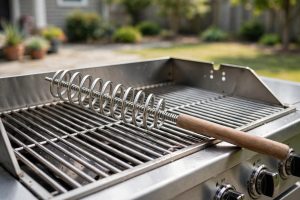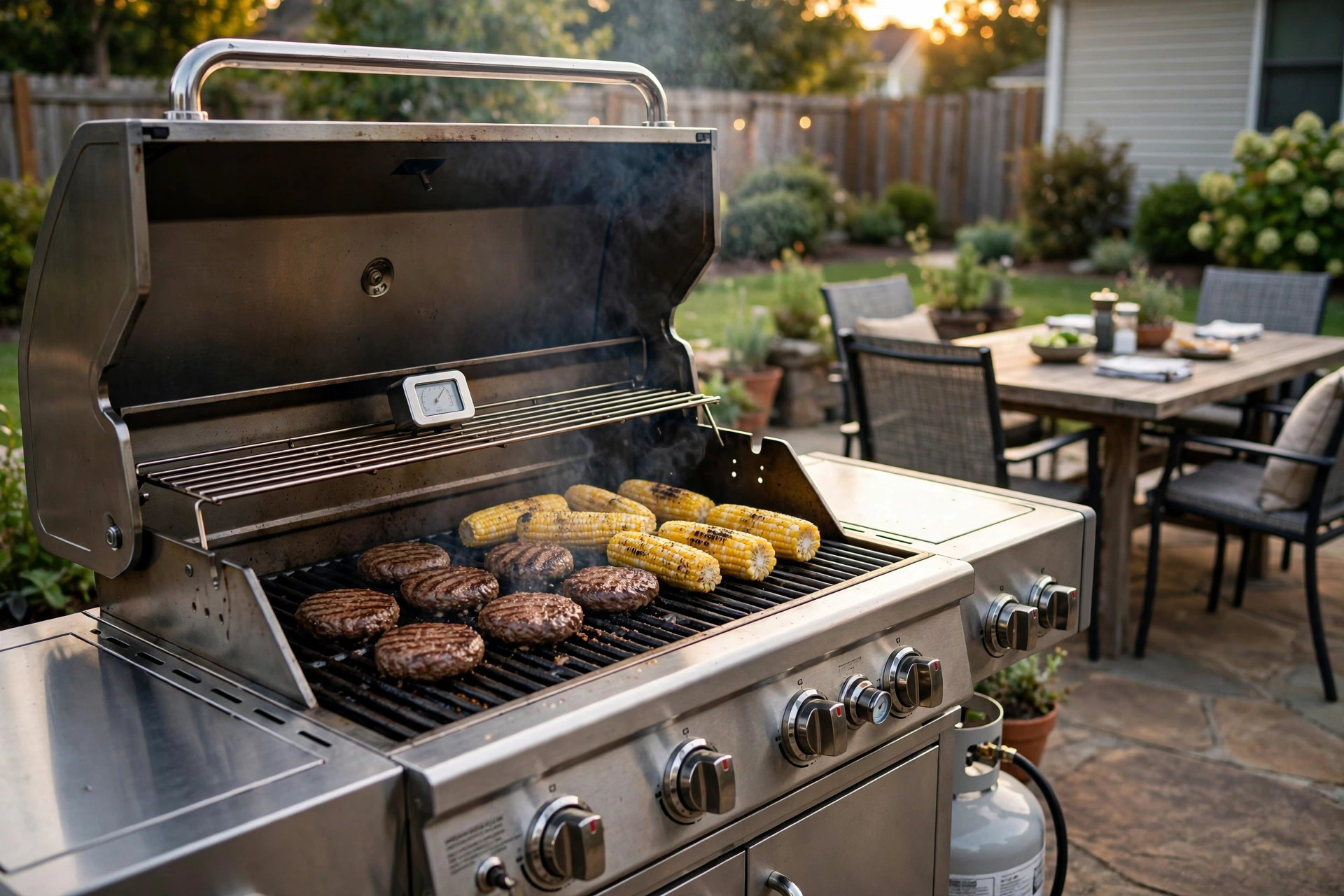

Cooking for a large family is a weekly job, and a small grill turns it into a long chore. That is why these best grill for large families reviews matter. When you feed six, eight, or ten people at one table, you need wide grates, steady heat, and room for every burger and ear of corn to cook at the same time. A grill that is too small forces you to cook in batches, and the first batch goes cold before the last one leaves the grate.
A good large-family grill does not have to cost a fortune. It does have to be honest about its cooking space, built from solid parts, and simple enough for a busy parent to run after a long day. The notes below draw on common test points used by seasoned grill testers and outdoor cooking writers, and they will help you compare models with a clear head.
Why a Bigger Grill Matters for Big Households
A family of six eats far more at a cookout than the maker of a small two-burner grill may assume. A standard burger takes up about sixteen square inches of grate. Add hot dogs for the children, chicken breasts for the adults, and vegetables for the health-minded, and a modest meal can fill five or six hundred square inches in a single round. A large family gas grill with five burners spreads that load across three or four heat zones, so nothing crowds and nothing steams instead of sears.
Batch cooking is the real enemy. With a small grill, the cook stands outside for an hour, flipping one load after another, while the family eats in shifts. A roomy grill cuts that time nearly in half. It also keeps food safer, since everything reaches the table hot and spends less time sitting in the warm danger zone where germs grow.
There is a comfort factor too. A grill that fits the job makes the cook want to use it. Many families report that they grill more often once they own a unit that holds a full meal, because the chore stops feeling like overtime.
How to Choose the Right Size: Best Grill for Large Families Reviews
Measure the cooking area in square inches
Makers love to print the number of burners in large type and hide the grate size in small type. Ignore the hype. Ask for the primary cooking area in square inches. For a large family, look for at least 600 square inches of primary space, with 700 or more preferred. Extra large cooking area pellet grill models often reach 800 square inches with a second rack, which is plenty for a crowd.
Count the burners and zones
More burners mean more control. Three burners are the bare minimum for a family grill. Four or five burners let you run a hot sear zone on one side and a gentle warming zone on the other. Side burners add value for sauces and corn, and many parents use them to keep baked beans warm while the meat rests.
Check the build of the lid and grates
A heavy lid holds heat on windy days. Cast iron grates sear well and last for years if you oil them, while stainless rod grates clean fast and resist rust. Press the lid and the cart frame in the store. If the whole unit wobbles, it will not age well on your patio.
Think about fuel that fits your life
Gas is fast and simple. Charcoal gives deep flavor but needs time and practice. Pellets give wood smoke with push-button ease. Pick the fuel you will actually use on a Tuesday night, not the one you admire on a slow Saturday. A grill that feeds ten people is only useful if someone lights it without dread.
Types of Large Family Grills Compared
Gas grills
Gas is the workhorse of the big-family backyard. A four or five burner gas grill heats in ten minutes, and the knobs give direct control over each zone. If you are comparing price, a gas grill that costs less than five hundred dollars can still offer six hundred square inches and a decent warranty. Shoppers often check the buying guides at Consumer Reports to see which large gas models hold up over years of testing.
Charcoal grills
Charcoal suits families that grill for flavor and gather around the kettle. Large kettle models and barrel cookers give wide cooking areas, and a two-zone fire lets you sear and roast at once. A charcoal grill for the backyard costs less up front than most gas units, but it asks for more time and skill. Readers who want to master fire management can learn a great deal from the technique articles at AmazingRibs.com.
Pellet grills
Pellet grills burn small wood pellets and feed them from a hopper, so they act like an outdoor oven with real smoke flavor. They are a strong pick for families that love brisket, ribs, and whole chickens. Brands such as Traeger helped make this style popular with home cooks. Pellet units cost more and need an outlet, but they are nearly set-and-forget.
Kamado and ceramic cookers
Kamado cookers are thick ceramic eggs that hold heat for hours. The well-known Big Green Egg is the classic example. They grill, smoke, and bake pizza, and they sip fuel. Their round shape limits flat cooking space, though, so very large families may want the biggest size offered or a second grate.
Flat top griddles
A flat top grill is a steel sheet that cooks smash burgers, bacon, pancakes, and fried rice in huge batches. If your family loves breakfast on the patio, a flat top grill made for an outdoor kitchen may earn its keep faster than any other style. Cleanup is a scrape and a wipe while the steel is hot.
What Reviews Look For in a Family Grill
Trusted grill reviews score a short list of points, and you can use the same list when you shop. First comes heat evenness. Testers lay bread slices across the grate and map the hot spots. Second is temperature range: the grill should sear near 600 degrees and also hold 225 for slow smoking. Third is build quality, from the thickness of the firebox to the wheels on the cart. Fourth is the warranty, which tells you how long the maker trusts its own parts. Fifth is ease of cleaning, because a grill that is hard to clean gets used less.
Long-term testers also note how a grill behaves in wind and cold, since family cookouts do not wait for perfect weather. Reviews published by cooking sites such as The Spruce Eats often run the same tests across brands, which makes side-by-side reading easier.
One more test point deserves your time: the igniter. Push-button igniters wear out faster than most buyers expect, and a dead igniter turns a weeknight cookout into a hunt for matches. Reviews that light a grill fifty or a hundred times give a true sense of which igniters hold up. Battery-free piezo igniters tend to outlast cheap battery units, so note which type the grill uses before you buy.
Cost and Price Expectations
A large family grill does not have to break the budget, but size costs money. Expect these broad ranges:
– Basic large charcoal kettle or barrel: 150 to 350 dollars. – Mid-size gas grill with three to four burners: 300 to 700 dollars. – Large five-burner gas grill with a side burner: 600 to 1,200 dollars. – Pellet grill with 700 plus square inches: 700 to 1,600 dollars. – Premium kamado or top-tier gas grill: 1,200 dollars and up.
Remember the running costs. A propane tank refill runs about twenty dollars and lasts through several long cookouts. Charcoal and pellets are cheaper per bag but used faster. Retailers such as The Home Depot carry replacement parts, covers, and fuel, so check parts prices before you buy a rare brand.
Care and Upkeep That Keep a Big Grill Going
A family grill works hard, so it needs steady care. Brush the grates while they are hot after every cook. Every few weeks, pull the heat tents or flavorizer bars and scrape the grease from the firebox. Grease fires start in dirty grills, not clean ones. Once a year, check the burner tubes for rust and spiders, which love to nest in the small holes and block gas flow.
Oil cast iron grates lightly after cleaning so they stay seasoned. Keep a fitted cover on the grill when it rains, and roll it under a patio roof for winter. Makers like Weber and Char-Broil sell fitted covers and spare parts for their most popular models, which extends the life of your unit by years.
For deep seasonal cleaning advice, the project guides at Broil King walk through burner checks and grease management step by step. A well-kept grill can serve a family for ten years or more.
Safety Rules for a Busy Backyard
Large families often mean small children and pets near the grill, so safety comes first. Place the grill at least ten feet from the house, the garage, and any overhang. Never grill inside a garage, even with the door open, because carbon monoxide has no smell. Keep a spray bottle of water and a box of baking soda near the grill for small flare-ups.
Teach children a clear rule: the grill zone is off-limits. A painted line on the patio or a small fence works well. Turn the gas off at the tank after each cook, and check hoses for cracks each spring. Napoleon publishes clear safety and setup guidance for its grills at Napoleon, and it is worth reading before your first cook of the season.
Frequently Asked Questions
How many square inches do I need for a family of eight?
Aim for 650 to 800 square inches of primary cooking space. That holds about thirty burgers at once, or a mix of meat and vegetables for eight plates with no batch cooking.
Is gas or charcoal better for a large family?
Gas wins for weeknight speed and easy heat control. Charcoal wins for flavor and low cost. Many large families start with gas for daily use and add a small charcoal kettle later for weekend smoking.
How long should a family grill last?
A well-built gas grill lasts eight to twelve years with regular cleaning. Charcoal kettles can last even longer because they have fewer parts. Thin, cheap grills may fail in two or three seasons, so the warranty is a useful guide.
Do I need a side burner?
It is not required, but it is handy. A side burner keeps beans, corn, or sauce warm while the main grate holds the meat. Families that cook full meals outdoors use it more than they expect.
What is the best way to keep food warm while the rest cooks?
Use a cooler zone on the grill with the lid closed, or a warming rack above the main grate. A clean cooler lined with towels holds cooked meat hot for an hour without drying it out.
Are pellet grills safe to leave alone?
Pellet grills hold steady temperatures and are safer than open charcoal, but no grill should run fully unwatched. Stay nearby, keep children clear, and follow the maker’s shutdown steps so the fire pot empties cleanly.
A Short Final Word
The best grill for a large family is the one that fits your space, your fuel, and your patience. Measure the grate, count the zones, read the warranty, and pick the style you will light without a second thought. A roomy, well-built grill turns feeding a crowd from a chore into the best part of the week. Cook with care, keep it clean, and your family will gather around it for years.
References
AmazingRibs.com. (n.d.). Barbecue and grilling science. https://www.amazingribs.com Big Green Egg. (n.d.). Kamado grills and outdoor cooking. https://www.biggreenegg.com Broil King. (n.d.). Gas and charcoal grills. https://www.broilkingbbq.com Char-Broil. (n.d.). Gas and charcoal grills. https://www.charbroil.com Consumer Reports. (n.d.). Product reviews and ratings. https://www.consumerreports.org Napoleon. (n.d.). Fireplaces, grills, and heating products. https://www.napoleon.com The Home Depot. (n.d.). Home improvement products. https://www.homedepot.com The Spruce Eats. (n.d.). Recipes and cooking guides. https://www.thespruceeats.com Traeger. (n.d.). Wood pellet grills. https://www.traeger.com Weber. (n.d.). Grills and outdoor cooking. https://www.weber.com
Was this guide helpful?

About Emily Rodriguez
The My Garden US editorial team writes practical, in-depth home and garden guides for American homeowners — tested advice, no fluff.
You May Also Like
Best Grill Gloves Heat Resistant Reviews: A Simple Buyer’s Guide
August 27, 2026 0 views
Pellet Grill Temperature Problems Troubleshooting: A Complete Guide
October 1, 2026 0 views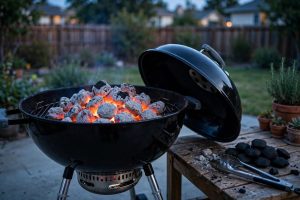
Charcoal Grill Temperature Control Tips for Even, Steady Heat
May 4, 2026 0 views