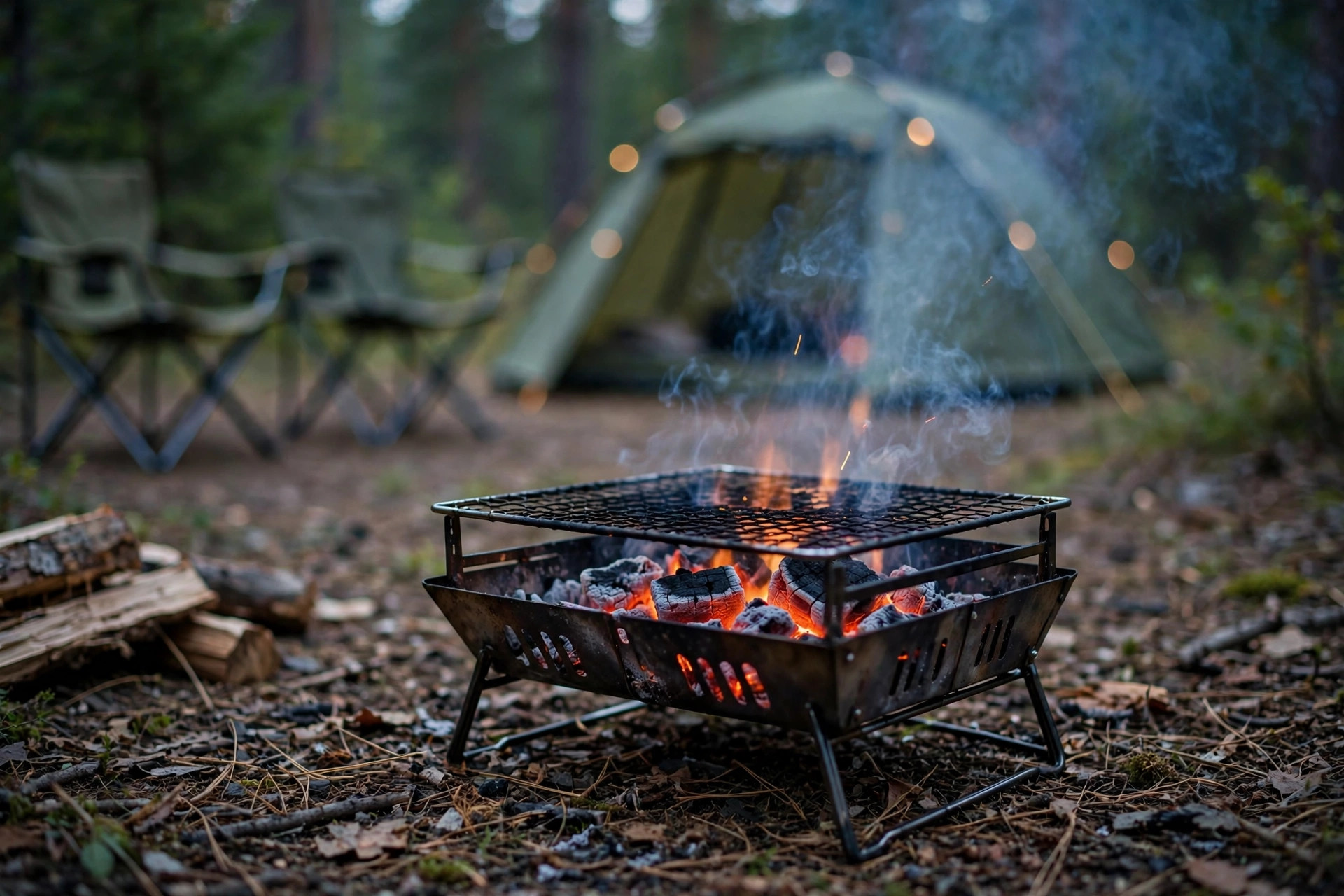
The best portable grill for camping reviews tell a clear story. Campers want a grill that packs small, heats fast, and holds up in wind and rain. Nobody wants a heavy box that eats half the trunk. Nobody wants a weak burner that cannot sear a steak. A good camp grill finds the middle ground. It cooks a real meal, yet it rides along without complaint.
This guide sums up what the reviews praise and what they warn against. It covers size, fuel, build quality, and price. It also covers care and safety. By the end, you will know which features matter for your trips and which ones you can skip.
Why It Matters
Food tastes better outdoors. That is the plain truth most campers agree on. A portable grill turns a campsite into a kitchen. You can cook burgers, fish, corn, and pancakes without a fire ring. You can eat on your own schedule, not the schedule of a diner down the road.
Reviews matter because camp grills vary a great deal. Two grills can look alike in a photo and cook very differently. One holds heat in a cold wind. The other lets heat escape and takes twice as long. One lights with one click after three seasons. The other needs matches and patience by August. Real users report these facts. Their notes save you money and cold dinners.
A good review source tests the grill in real conditions. It measures heat, not just claims. It notes how the grill handles a full load of chicken thighs, not one hot dog. It tells you if the grease tray overflows on a sloped picnic table. These details decide whether a grill earns its place in your car. Sites like Consumer Reports run hands-on tests, while cooking guides at The Spruce Eats share practical advice from long use.
What to Look for When You Choose: Best Portable Grill for Camping Reviews
Cooking Space
Match the grill to your party size. A 200-square-inch grate feeds two to four people. That is enough for a few burgers and a pile of vegetables. A 300-square-inch grate feeds four to six. Bigger than that gets heavy fast, and weight is the enemy on a camping trip.
Check the grate shape too. Round grates suit charcoal kettles. Rectangular grates suit gas and pellet models. A flat top section helps with eggs and fish. Reviews often praise grills that include a warming rack. It keeps buns and cooked meat hot while the next round cooks.
Fuel Type
Fuel sets the tone of the trip. Propane lights in seconds and adjusts with a knob. It is the easy choice for families and short trips. Small one-pound bottles are common, and many grills accept a hose to a larger tank. Charcoal gives smoky flavor that gas cannot match. It takes longer to light and makes more ash to carry out. Pellet grills add wood smoke with push-button control, but they need power from a battery or a plug.
Think about where you shop. Propane bottles sell at most camp stores and hardware chains like Home Depot. Charcoal and pellets may need a bigger town. If you camp far from stores, pick the fuel you can find along the way.
Weight and Carry Design
The best camp grills weigh between 10 and 30 pounds. Under 15 pounds feels like luggage. Over 25 pounds starts to feel like work. Look for a locking lid, folding legs, and a sturdy handle. A grill that locks shut will not spill ash in your trunk. Reviews favor models with latches that click firm and stay firm on bumpy roads.
Wheels help if you camp near the car. They do not help on trails. For walk-in sites, every pound counts. Some grills fold flat like a suitcase. That shape slides behind a seat and saves real space.
Build Quality and Materials
Steel bodies last. Thin metal warps. Porcelain-coated grates resist rust and clean up fast. Stainless steel costs more and fights corrosion best near the coast. Check the hinges and the legs in photos. Wobbly legs show up in reviews again and again as the top complaint.
Wind guards matter more than most buyers guess. A grill with short walls or a windscreen holds heat on a breezy ridge. Open designs lose heat and waste fuel. If you camp in the open, this one feature can cut cooking time in half.
Heat Control
A good burner spreads heat across the whole grate. Hot spots burn the middle burger and leave the edges raw. Reviews test this with bread or with a full load of meat. Look for even browning in the photos reviewers post.
Two burners beat one for control. You can sear over high heat on one side and rest food over low heat on the other. A built-in thermometer helps, but many lid thermometers read low. A cheap probe thermometer from the kitchen drawer beats a fancy lid dial every time.
Types of Portable Camp Grills
Portable Charcoal Grills
Charcoal portables run from simple hibachis to small kettles. They are cheap, light, and give real smoke flavor. A well-known maker like Weber builds small kettles that campers have trusted for years. Char-Broil also makes budget models that show up in many Char-Broil reviews as solid starters.
The trade is time and mess. Coals need 20 minutes to ash over. Ash must be packed out of many campsites. On windy days, charcoal needs a sheltered spot. If you love slow flavor and do not mind the wait, charcoal wins.
Portable Propane Grills
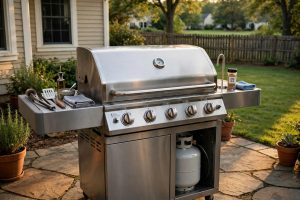
Propane is the most common camp choice. It lights fast, cooks even, and shuts off clean. Most models run on small bottles, and a full bottle lasts several meals. Napoleon and Broil King both sell compact gas grills with strong build quality and good heat control.
Watch the bottle cost. One-pound bottles add up over a season. A refillable five-pound tank with an adapter hose pays for itself on long trips. Also check local rules. Some parks ban open flame during dry spells but still allow contained gas grills.
Pellet and Specialty Grills
Pellet portables, such as small models from Traeger, burn wood pellets for smoky flavor with easy dials. They need a power source, which limits true backcountry use. They shine at drive-up sites and tailgates.
Ceramic cookers like the Big Green Egg hold heat like an oven. They are heavy for their size, so they suit car camping, not hiking. For grill science and deep technique, AmazingRibs explains how heat and smoke actually work, which helps you get more from any fuel type.
Tabletop Versus Freestanding
Tabletop grills sit on a picnic table and save weight. Freestanding grills bring their own legs or a cart. Tables vary at campsites, so a freestanding model is safer if you camp in many parks. Tabletop models are better when the car is already full.
Cost and Price
Portable camp grills span a wide range. Basic charcoal models cost 30 to 80 dollars. They cook fine and last a few seasons with care. Mid-range propane grills cost 100 to 250 dollars. This is the sweet spot for most campers. You get even heat, solid legs, and a lid that seals.
Premium models run 250 to 500 dollars or more. They use thicker steel, better burners, and smarter designs. They last many years. If you camp monthly, the cost per trip drops fast. If you camp twice a year, a mid-range grill is plenty.
Do not forget fuel and extras. A grill cover costs little and adds years of life. A spare grate, a good brush, and a drip pan are cheap. Budget one full fuel run for the season when you compare prices. The reviews that mention total cost of ownership are the ones worth reading twice.
Sales cluster around spring and late summer. Stores clear stock when camping season peaks and again when it ends. Buying in the off months can save a third of the price. If you want tips on seasoning and setup for a new grill, see our guide on the best bbq seasoning for chicken wings before your first cook.
Care and Upkeep
Clean the grate while it is warm. A stiff brush takes off most food in a minute. For stuck grease, heat the grill high for ten minutes, then brush again. This habit does more for flavor than any sauce. A full guide to cleaning grill grates with onion shows a simple old trick that works well at camp.
Empty ash after every charcoal cook. Wet ash turns to paste and rusts steel. Wipe grease trays before you drive home. Grease left in a hot car smells bad and stains gear. Check the burner tubes on gas grills each season. Spiders love them, and a blocked tube lights uneven or not at all.
Store the grill dry with the vents open a crack. A cover helps, but trapped damp air still rusts. If rust spots appear, scrub with steel wool and oil the metal lightly. Small care steps keep a mid-price grill cooking for a decade.
Safety at the Campsite
Grills make heat and fire. Treat them with respect. Set the grill on flat, bare ground, away from tents, tarps, and dry grass. Never use a grill inside a tent or a car. Carbon monoxide kills without smell or color.
Keep water or a fire extinguisher within reach. Keep children and pets at arm’s length. Let coals cool fully before you pack them. Pour water on ash and stir until no heat remains. Many parks require this by rule, and it is good practice everywhere.
Check wind before you light. Strong gusts can blow flames sideways and tip light grills. Face the vents away from the wind or move the grill behind the car as a windbreak. Store fuel bottles upright, out of the sun, and away from the hot grill.
Frequently Asked Questions
What size portable grill is best for camping?
For two to four campers, 200 square inches of cooking space is enough. For four to six, look for 280 to 330 square inches. Bigger grills cook more but weigh more and take more room in the car. Pick the smallest grill that feeds your usual party.
Is propane or charcoal better for camping?
Propane is faster and cleaner. It lights in seconds and leaves no ash. Charcoal gives better smoke flavor but takes longer and makes a mess. Most campers pick propane for short trips and charcoal when flavor is the whole point. If you are new to camp cooking, start with propane. Our gas grill buying guide for beginners walks through the basics.
How long does a one-pound propane bottle last?
A one-pound bottle gives about one to two hours of cooking on medium heat. That covers two or three meals for a small family. Bring a spare bottle on every trip. Running out mid-cook is a common and avoidable pain.
Can I use a portable grill in a national park?
Most parks allow contained grills in campgrounds, but rules vary by park and by season. Fire bans can restrict even gas grills in dry months. Check the park website before you go. Never assume last year’s rules still apply.
How do I keep a portable grill from rusting?
Clean it after each use, dry it fully, and store it covered in a dry place. Oil the grates lightly before storage. Porcelain-coated and stainless parts resist rust best. A grill left wet in a shed will rust no matter what the price tag said. For low-and-slow camp cooking ideas, read our notes on how to smoke wings on a pellet grill.
Do I need a grill with a thermometer?
A lid thermometer is handy but often reads wrong. A simple probe thermometer is more accurate and costs little. If your grill lacks a gauge, buy a probe and skip the worry. Good temperature control matters more than any dial on the lid.
A Final Word
The best portable grill for camping reviews agree on the basics. Buy the right size, pick the fuel that fits your trips, and choose solid build over flashy extras. A mid-price grill from a trusted maker, kept clean and stored dry, will serve many seasons of good meals under open sky. Read the reviews, trust the tests, and pick the grill that matches how you actually camp.
References
AmazingRibs.com. (n.d.). Barbecue and grilling science. https://www.amazingribs.com Big Green Egg. (n.d.). Kamado grills and outdoor cooking. https://www.biggreenegg.com Broil King. (n.d.). Gas and charcoal grills. https://www.broilkingbbq.com Char-Broil. (n.d.). Gas and charcoal grills. https://www.charbroil.com Consumer Reports. (n.d.). Product reviews and ratings. https://www.consumerreports.org Napoleon. (n.d.). Fireplaces, grills, and heating products. https://www.napoleon.com The Home Depot. (n.d.). Home improvement products. https://www.homedepot.com The Spruce Eats. (n.d.). Recipes and cooking guides. https://www.thespruceeats.com Traeger. (n.d.). Wood pellet grills. https://www.traeger.com Weber. (n.d.). Grills and outdoor cooking. https://www.weber.com
Was this guide helpful?

About Jennifer Lee
The My Garden US editorial team writes practical, in-depth home and garden guides for American homeowners — tested advice, no fluff.