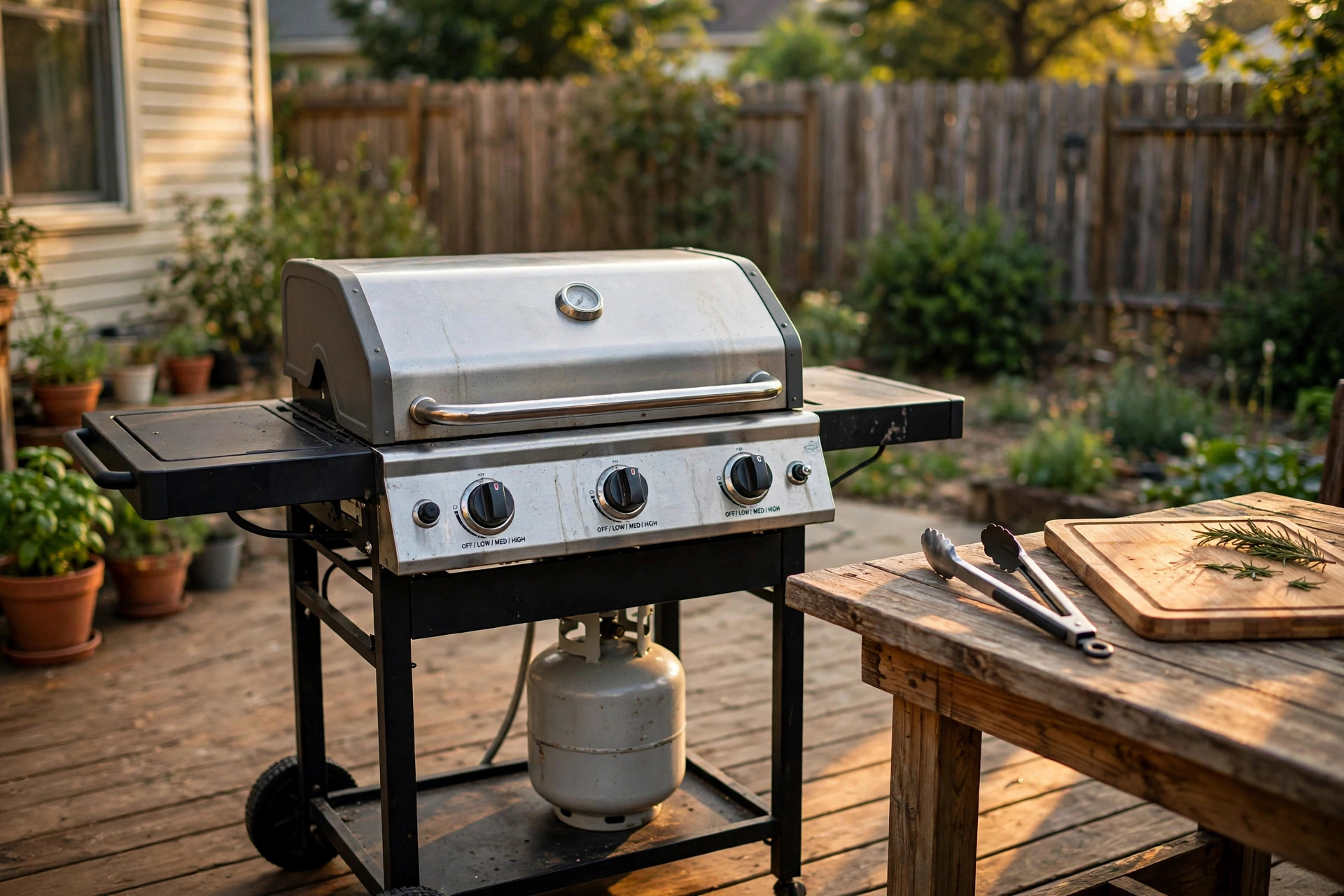
Finding the best gas grill under 500 for beginners is easier than most people think. You do not need a huge budget or years of practice to grill good food. A grill that costs less than five hundred dollars can cook burgers, chicken, and steaks with real flavor. What matters most is how the grill is built and how you use it. This guide walks through every point a first-time buyer should know. It explains burners, heat, size, and materials in plain words. By the end, you will know what to buy and how to get years of service from it.
Why a Gas Grill Under 500 Is a Smart First Choice
Gas grills win over charcoal for one simple reason: ease. You turn a knob, push an igniter, and you have heat in ten minutes. There is no charcoal to light, no ash to dump, and far less smoke. For a beginner, that simplicity means more time cooking and less time fighting with fuel.
A budget of five hundred dollars is also a sweet spot. Below two hundred dollars, grills often use thin metal that rusts fast and cooks unevenly. Above five hundred, you pay for extras like side burners, infrared zones, and heavy lids that a new cook may not need. In the three hundred to five hundred dollar range, you can find solid steel grills with three burners, good igniters, and porcelain-coated grates that last for years.
Price does not decide flavor. Good technique decides flavor. A mid-range gas grill in the hands of someone who understands heat zones and timing will beat a luxury grill run by a careless cook. That is why beginners should spend their energy learning the basics, not chasing the most expensive model.
What to Look for When Choosing Your First Gas Grill: Best Gas Grill under 500 for Beginners
Number of Burners
Three burners is the right number for most beginners. With three burners, you can run one side hot and one side cool. That setup lets you sear a steak on the hot side and then move it to the cool side to finish cooking. Two-burner grills are cheaper and smaller, but they give you less room to work with. Four burners are fine if you cook for large groups, but they are harder to find under five hundred dollars.
BTUs and Heat Output
BTU stands for British Thermal Unit. It measures how much heat the grill can produce. A good beginner grill should reach 30,000 to 45,000 BTUs across its burners. Do not be fooled by a single high BTU number. What counts is even heat across the grate. A grill with moderate BTUs and well-placed burners cooks better than a high-BTU grill with hot spots.
Cooking Area
Look for 400 to 500 square inches of main cooking space. That is enough room for about fifteen burgers or six chicken breasts at once. Measure your patio or deck first. A grill with a big lid looks impressive, but it must fit through your gate and sit a safe distance from the house.
Grate Material
Porcelain-coated cast iron grates are the best pick for beginners. They hold heat well, leave nice sear marks, and clean up with a brush. Bare cast iron holds heat even better but needs oiling to prevent rust. Thin stainless wire grates are common on cheap grills; they warp and stick, so avoid them if you can.
Igniter Quality
Nothing is more annoying than an igniter that fails. Look for grills with electronic ignition on every burner. Many Weber and Char-Broil models under five hundred dollars have reliable push-button starters. Test the igniter in the store if you can.
Types of Beginner Gas Grills Under 500 Dollars
Cart-Style Grills
The classic cart grill has wheels, side shelves, and a cabinet below for the propane tank. This is the most common type and the easiest to move around the yard. Brands like Char-Broil sell strong cart models well under five hundred dollars. They offer three or four burners and fold-down shelves for tight spaces.
Portable and Tabletop Grills
If you live in an apartment or want to grill at a campsite, a tabletop model may fit your life better. These small grills run on one-pound propane canisters or a hose hooked to a full tank. They heat up fast and cook surprisingly well for their size. They are not meant to feed a crowd, but two people can eat very well off one.
Grills With Side Burners
Some grills under five hundred dollars include a small side burner. This is handy for heating a pot of beans or a pan of sauce while meat cooks on the main grate. It is not a must-have for beginners, but it is a nice bonus if the rest of the grill is solid.
Cost and Price: What Five Hundred Dollars Really Buys
Most quality beginner gas grills fall between two hundred fifty and five hundred dollars. At the lower end, expect three burners, porcelain grates, and a simple steel body. Near five hundred, you may get heavier gauge steel, better wheels, a side burner, and a thicker lid.
Remember that the grill is not the only cost. A full twenty-pound propane tank costs money to fill, usually between fifteen and twenty-five dollars depending on your area. You will also want basic tools: long tongs, a spatula, a grill brush, and a thermometer. Budget another fifty to eighty dollars for those items.
Running costs stay low. A tank of propane gives you about eighteen to twenty hours of cooking time on a medium three-burner grill. That means a tank can last a whole summer for many families. When you compare that to the cost of eating out, a gas grill pays for itself fast.
Check Home Depot and similar stores near the end of summer. Floor models and last-season grills often drop by a hundred dollars or more. A grill that sold for four hundred in May may cost three hundred in September. The savings can cover your tools and a tank fill.
How to Grill: The Basics Every Beginner Must Learn
Preheat Every Time
Light all burners on high and close the lid for ten to fifteen minutes. A hot grate sears meat and keeps food from sticking. If you put cold food on a cold grate, it will stick and tear. Patience here pays off in every single meal.
Use Two Heat Zones
This is the single most important technique. Turn one side of the grill to high and the other to low or off. Sear meat on the hot side, then slide it to the cool side to finish cooking with the lid closed. This method works for thick steaks, whole chickens, and pork chops. It prevents burnt outside and raw inside.
Keep the Lid Down
A gas grill works like an oven when the lid is closed. Heat wraps around the food and cooks it through. Open the lid only to check or flip. Every time you lift it, heat escapes and cooking slows.
Rest the Meat
Take meat off the grill and let it sit for five to ten minutes before cutting. Juices settle back into the meat during this rest. Cut too soon and the juices run out onto the board. This one habit will improve every steak and chicken breast you cook.
Good food also starts with good information. Sites like The Spruce Eats and AmazingRibs publish clear, tested grilling guides written for home cooks. A few evenings of reading will teach you more than any gadget will.
Care and Upkeep for a Long-Lasting Grill
Cleaning After Each Cook
While the grill is still warm, brush the grates with a stiff wire or brass brush. Burned bits come off easily when hot. Once a month, empty the grease tray. A full tray can catch fire. Wipe the inside of the lid with a paper towel to keep buildup from dripping onto food.
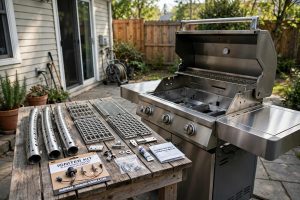
Burner tubes also need attention over time. Clogged burners cause uneven flames. A simple guide to cleaning gas grill burners shows how to brush out the ports and keep the flame steady. Ten minutes of work each season keeps the grill running like new.
Winter Storage
If you live where winters are harsh, prepare the grill before the cold sets in. Clean the grates, empty the grease tray, and disconnect the propane tank. Store the tank upright outdoors, never in a garage or shed. Cover the grill with a fitted cover. For full details, follow a winterizing checklist for gas grills so spring startup is quick and painless.
Replacing Parts
Grates, burners, and igniters wear out before the grill body does. Most brands sell replacement parts for years. Napoleon and Weber both keep parts lists for older models. A thirty-dollar burner tube can add three more years to a grill that cost four hundred. That is good value.
Safety Rules for First-Time Grill Owners
Gas grilling is safe when you respect a few rules. Place the grill at least three feet from the house, railings, and overhanging branches. Never grill in a garage or under a covered patio with a low roof. Keep a fire extinguisher or a box of baking soda nearby, just in case.
Check for gas leaks once a year. Mix dish soap with water and brush it on the hose and connections. Turn on the gas without lighting the grill. If bubbles form, you have a leak. Tighten the fitting or replace the hose before you cook.
Close the tank valve when you finish cooking. Then turn off the burner knobs. This order keeps gas out of the hose between cooks. Teach everyone in the house the same habit. Kids should never operate the grill without an adult present.
The Consumer Product Safety Commission and safety experts at Consumer Reports both publish grill safety advice worth reading before your first cookout.
FAQ
How long should a gas grill under 500 dollars last?
With basic care, expect five to eight years. Grills with heavier steel and porcelain grates last longer. Cheap thin grills may rust out in three years. Cleaning the grates, emptying the grease tray, and covering the grill are what decide its life more than the price tag.
Can a beginner grill under 500 dollars cook a good steak?
Yes. A mid-range gas grill can sear a steak as well as any grill if you preheat it fully and use two heat zones. Sear over direct high heat for two minutes per side, then move the steak to the cooler side with the lid closed until it reaches the doneness you want. A step-by-step guide to grilling steak on a gas grill walks through timing and temperatures in more detail.
Is natural gas or propane better for a beginner?
Propane is easier for most beginners because the tank is portable. You can place the grill anywhere in the yard. Natural gas costs less per cook but requires a fixed line from your house, which means plumber work and a grill that never moves. Start with propane. You can always switch later.
What is the difference between a gas grill and a pellet grill?
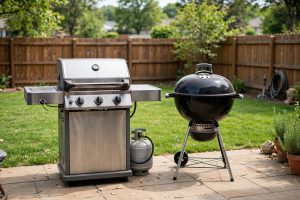
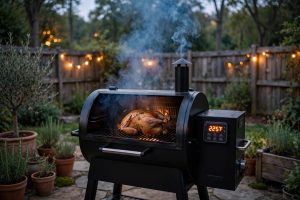
A gas grill heats with propane or natural gas flames and is ready to cook in minutes. A pellet grill burns wood pellets and adds real smoke flavor, but it needs electricity, costs more, and takes longer to heat up. Pick gas if you want speed and ease, and pick pellets if smoke flavor matters most to you.
How do I know when meat is done?
Use an instant-read thermometer. It is the only sure way. Poultry must reach 165 degrees Fahrenheit inside. Pork chops and steaks are safe and tasty at 145 degrees with a short rest. Ground beef should reach 160 degrees. Guessing by color is not reliable and can make people sick.
Should I buy a grill with an infrared sear burner?
Infrared burners reach very high heat and give great sear marks. They are nice but not needed for a beginner. A standard three-burner grill under five hundred dollars cooks excellent food without one. Learn the basics first. You can upgrade to a fancier grill in a few years if you catch the grilling habit.
A Final Word
The best gas grill under 500 for beginners is the one that gets used. Buy a solid three-burner model with porcelain grates, learn two-zone cooking, and keep the grill clean. That is the whole secret. Your first summer with a grill will teach you more than any article can. Fire it up, start with burgers and chicken, and work your way up to steaks and whole chickens. Good grilling is a skill built one weekend at a time.
References
AmazingRibs.com. (n.d.). Barbecue and grilling science. https://www.amazingribs.com Char-Broil. (n.d.). Gas and charcoal grills. https://www.charbroil.com Consumer Reports. (n.d.). Product reviews and ratings. https://www.consumerreports.org Napoleon. (n.d.). Fireplaces, grills, and heating products. https://www.napoleon.com The Home Depot. (n.d.). Home improvement products. https://www.homedepot.com The Spruce Eats. (n.d.). Recipes and cooking guides. https://www.thespruceeats.com U.S. Consumer Product Safety Commission. (n.d.). Product safety information. https://www.cpsc.gov Weber. (n.d.). Grills and outdoor cooking. https://www.weber.com
Was this guide helpful?

About Lisa Anderson
The My Garden US editorial team writes practical, in-depth home and garden guides for American homeowners — tested advice, no fluff.