Introduction
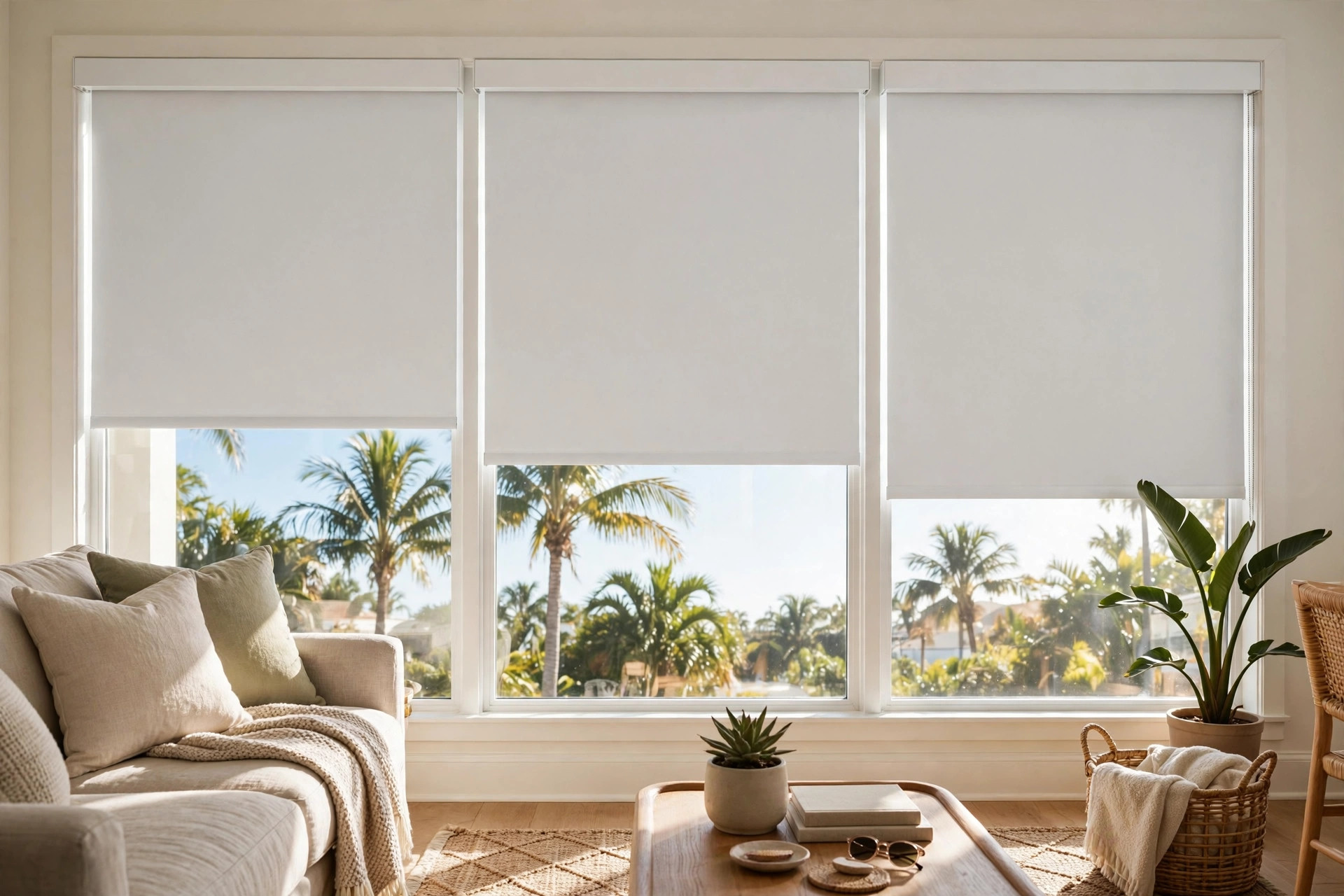
Few states test a home like Florida does. The sun beats down for most of the year, the air stays thick with humidity, and the air conditioner runs for months on end. In that kind of climate, the windows of a house can become one of the largest sources of heat and glare. Many homeowners in the state have learned that energy efficient blackout roller shades for florida homes can solve both problems at once. These shades block the strong daylight that streams through the glass, and they help keep the cool air inside the house where it belongs. They give a room a clean, simple look while they do hard work behind the scenes.
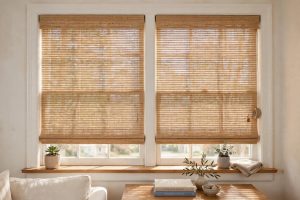
A roller shade is a simple device. A sheet of fabric wraps around a round tube at the top of the window. You pull the shade down to cover the glass, and you roll it back up when you want light and a view. Blackout versions use a dense fabric or a special backing so that almost no light passes through. Energy efficient models go one step further. They use thermal backing that reflects heat away from the room. The result is a window covering that keeps a room dark, cooler, and quieter.
This guide explains how these shades work, what to look for when you shop, and how to care for them. It also covers cost, safety, and answers to common questions. Whether you live in Miami, Tampa, Orlando, or Jacksonville, the advice here will help you pick shades that fit your windows and your budget.
Why Energy Efficient Window Coverings Matter in Florida: Energy Efficient Blackout Roller Shades for Florida Homes
Florida homes face a special set of problems. The sun shines more than 230 days a year in many parts of the state. Afternoon heat builds up fast, and the sun angles straight through south and west windows. Homes in the Sunshine State spend a large share of their electric bills on air conditioning. Anything that lowers the heat coming through the glass lowers the work the air conditioner must do.
The Sun, the Heat, and Your Cooling Bill
Sunlight that enters through a window carries heat with it. Glass does a poor job of stopping that heat. On a bright afternoon, the air near a sunny window can be several degrees warmer than the air in the middle of the room. The air conditioner must then run longer to bring that warm air down to the set temperature. Over a whole summer, this adds real money to the electric bill.
Window coverings are one of the cheapest ways to fight this problem. A good shade stops the sun before it heats the room. Blackout roller shades are especially strong at this job because the dense fabric blocks nearly all of the incoming light. Energy efficient models add a heat-reflective layer, which bounces even more heat back toward the glass. The U.S. Department of Energy notes that heat gain and loss through windows account for a large share of home energy use, and good coverings are a proven way to cut it.
How Blackout Roller Shades Cut Glare and Heat
The blackout part handles the light. A true blackout fabric stops about 99 percent of visible light. Bedrooms stay dark in the morning, home theaters stay dim in the afternoon, and shift workers can sleep during the day. The energy efficient part handles the heat. Many of these shades carry a white or silver backing on the side that faces the window. That pale surface reflects sunlight back outside instead of letting it warm the fabric.
Side channels or tight-fitting tracks can make the effect even stronger. When a shade sits close to the window frame with little gap at the edges, warm air cannot slip around it as easily. Some homeowners pair their shades with thermal insulated curtains for extra insulation in the hottest rooms, though a well-fitted shade alone does much of the work.
What to Look for When You Choose
Shopping for shades gets easier when you know which features matter most. The list below covers the points that make the biggest difference in a Florida home.
Fabric and Backing
The fabric is the heart of the shade. Look for a fabric that is labeled blackout, not just room darkening. Room darkening fabrics cut most of the light but let some glow through. True blackout fabrics use a thick weave, a foam middle layer, or a mylar coating to stop light completely.
For energy efficiency, the backing matters as much as the fabric. A reflective backing, often white or silver, sends heat back toward the window. Some products add a thin foam layer that slows heat transfer through the fabric itself. Guides on The Spruce describe how these coated backings turn a simple shade into an insulating layer.
Color and Reflectivity
Color changes how a shade handles heat. Light-colored shades reflect more sunlight and keep the fabric surface cooler. Dark-colored shades absorb more heat, which can make the fabric hot to the touch on a sunny afternoon. Many Florida homeowners choose white, cream, or light gray for sun-facing windows. The room-facing side can still show a color that matches the decor, since many shades have a pale window-facing side and a colored room-facing side.
Fit: Inside Mount or Outside Mount
How the shade fits the window frame changes how much light leaks around the edges. An inside mount sits within the window frame and gives a neat, built-in look. An outside mount covers the frame and overlaps the wall around it. Outside mounts block more light at the edges and cover more glass, which helps with both blackout and heat control. For bedrooms and media rooms, an outside mount is often the better choice. Measuring guides from blinds.com walk through both methods step by step.
Corded, Cordless, or Motorized
The way a shade opens and closes matters for daily use and for safety. Corded shades use a pull cord or a looped cord. Cordless shades use a spring or a handle at the bottom bar, so you push and pull the shade by hand. Motorized shades run on a small motor and open with a remote or a phone app.
Cordless and motorized shades cost more, but they remove hanging cords from the room. In homes with small children or pets, this is a real safety gain. Many families now choose cordless shades as the default for bedrooms and living areas. Reviews from Consumer Reports compare the lift systems of major shade brands.
Types of Blackout Roller Shades
Roller shades come in a few main forms. Each one suits a different need.
Standard Blackout Roller Shades
These are the simplest type. A single sheet of blackout fabric rolls on a tube, with a bottom bar for weight. They cost the least and work well in most rooms. They come in many colors and fabrics, and they roll up small so they leave the window almost fully open when raised.
Thermal and Energy-Saving Roller Shades
These shades add an insulating layer to the standard design. The back may carry a metallic or foam coating that reflects heat. Some brands sell them as solar or thermal roller shades. They cost a bit more than standard models, but in a hot state they can pay for themselves through lower cooling use. Look for products that mention heat reflection or thermal lining in the description.
Dual or Double Roller Shades
A dual roller mounts two fabrics on one bracket. One roll is a light-filtering or sheer fabric for daytime privacy. The other roll is a blackout fabric for full darkness at night. You switch between them as the day changes. This setup is popular in living rooms and bedrooms where people want soft light during the day and full darkness at night. Design ideas for layered window treatments appear regularly on HGTV.
Some shoppers also compare roller shades with cordless cellular shades, which trap air in honeycomb cells for insulation. Both styles suit Florida homes, but roller shades cost less and clean up more easily.
Cost and Price
Price depends on size, fabric, and lift system. A basic ready-made blackout roller shade for a standard window often costs between 30 and 80 dollars. A custom-size shade with a thermal backing usually runs from 80 to 200 dollars per window. Motorized models add another 100 to 300 dollars per shade for the motor and controls.
Custom orders cost more than stock sizes, but they fit odd windows and give a cleaner look. Measuring the window yourself keeps the cost down. Many buyers compare prices of blackout roller shades across stores before they order, since the same size can vary widely in price from one retailer to another.
Installation adds to the total if you hire help. A handyman or installer may charge 20 to 50 dollars per window for basic mounting. Most roller shades are easy enough to hang with a drill and a level, so many homeowners save the fee and do it themselves. Large retailers like The Home Depot and Wayfair sell both stock and custom options with clear price listings.
To get a full picture of what different brands charge, it helps to read a blackout roller shades price comparison usa guide before you buy. Prices change with sales and seasons, so check current listings when you are ready to order.
Care and Upkeep
Blackout roller shades need little care, which is one reason they suit busy homes. Dust the fabric once a month with a soft cloth or a vacuum brush. For spots, dab the area with a damp cloth and a drop of mild soap, then let it dry fully before rolling the shade up. Rolling a damp shade can trap moisture and cause stains or mildew.
Keep the roller mechanism clean. Dust in the tube or brackets can make the shade roll unevenly. Once a year, check that the brackets are tight and the shade hangs straight. If a corded shade sticks, a small drop of silicone spray on the moving parts can help. Motorized shades need their batteries charged or replaced on schedule. The maker guide that comes with the shade gives the exact steps for your model.
Florida humidity adds one more task. In rooms with poor airflow, check the back of the shade for any sign of mildew from time to time. Good air flow and a working air conditioner usually keep this from becoming a problem.
Safety
Window covering cords have injured children in past years, and safety agencies have pushed the industry toward safer designs. The U.S. Consumer Product Safety Commission urges parents to use cordless window coverings in homes with young children. Cordless roller shades and motorized shades have no reachable cords, so they remove the main hazard.
If you already own corded shades, keep cords out of the reach of children. Move cribs, beds, and play areas away from windows with cords. Cut looped cords or fit them with a tension device that holds the cord tight against the wall. When you buy new shades, choose cordless or motorized models for nurseries and children’s rooms. The small extra cost is worth the peace of mind.
Frequently Asked Questions
Do blackout roller shades really lower cooling costs?
They can. By blocking sunlight and reflecting heat, the shades cut the solar heat that enters through the glass. The air conditioner then runs less often. The exact savings depend on the size of the windows, the direction they face, and the local climate. South and west windows show the largest gain.
What is the difference between blackout and room darkening?
Blackout fabric blocks about 99 percent of light. Room darkening fabric blocks most light but lets a soft glow through. For bedrooms, nurseries, and home theaters, blackout is the better pick. For living rooms where some daylight is welcome, room darkening may be enough.
Can I install blackout roller shades myself?
Yes, in most cases. The job needs a tape measure, a drill, a level, and a screwdriver. Mount the brackets, snap in the roller, and test the shade. Most shades ship with instructions and mounting hardware. Measure twice before you order so the shade fits the first time.
Are motorized roller shades worth the cost?
They suit large windows, tall windows, and hard-to-reach spots. A remote or phone app opens and closes the shade without a ladder. Some models work with smart home systems and can open and close on a schedule. For small, easy windows, a cordless shade costs less and works fine.
How long do blackout roller shades last?
A good shade lasts five to ten years with normal use. Sun and heat age the fabric over time, so shades on south-facing Florida windows may wear faster. Dust them often, keep them dry, and replace them when the fabric fades or the mechanism fails.
Will blackout shades make my home too dark during the day?
Only if you keep them closed all day. Most people raise the shades in the morning and lower them in the hot afternoon or at night. Dual roller shades solve this neatly: the sheer layer gives privacy by day, and the blackout layer gives full darkness at night.
A Short Final Word
Energy efficient blackout roller shades for florida homes are a simple upgrade with a clear payoff. They darken bedrooms, cut glare, and ease the load on the air conditioner through the long hot season. Pick a true blackout fabric with a reflective backing, fit the shade close to the frame, and choose a cordless or motorized lift for safety. Measure with care, buy from a trusted seller, and hang the shades with a level eye. The rooms will feel cooler, the light will stay under your control, and the shades will serve the house well for years.
Related guides on this site include affordable outdoor patio curtains with free shipping and top rated blackout curtains for bedrooms for sale.
References
Blinds.com. (n.d.). Window blinds, shades, and shutters. https://www.blinds.com Consumer Reports. (n.d.). Product reviews and ratings. https://www.consumerreports.org HGTV. (n.d.). Home and garden ideas. https://www.hgtv.com IKEA. (n.d.). Home furnishings. https://www.ikea.com Lowe’s. (n.d.). Home improvement products. https://www.lowes.com The Home Depot. (n.d.). Home improvement products. https://www.homedepot.com The Spruce. (n.d.). Home and garden advice. https://www.thespruce.com U.S. Consumer Product Safety Commission. (n.d.). Product safety information. https://www.cpsc.gov U.S. Department of Energy. (n.d.). Energy efficiency and renewable energy. https://www.energy.gov Wayfair. (n.d.). Furniture and home goods. https://www.wayfair.com
Was this guide helpful?

About Lisa Anderson
The My Garden US editorial team writes practical, in-depth home and garden guides for American homeowners — tested advice, no fluff.