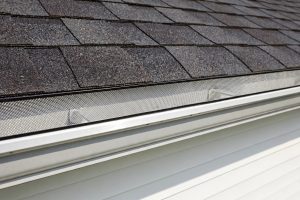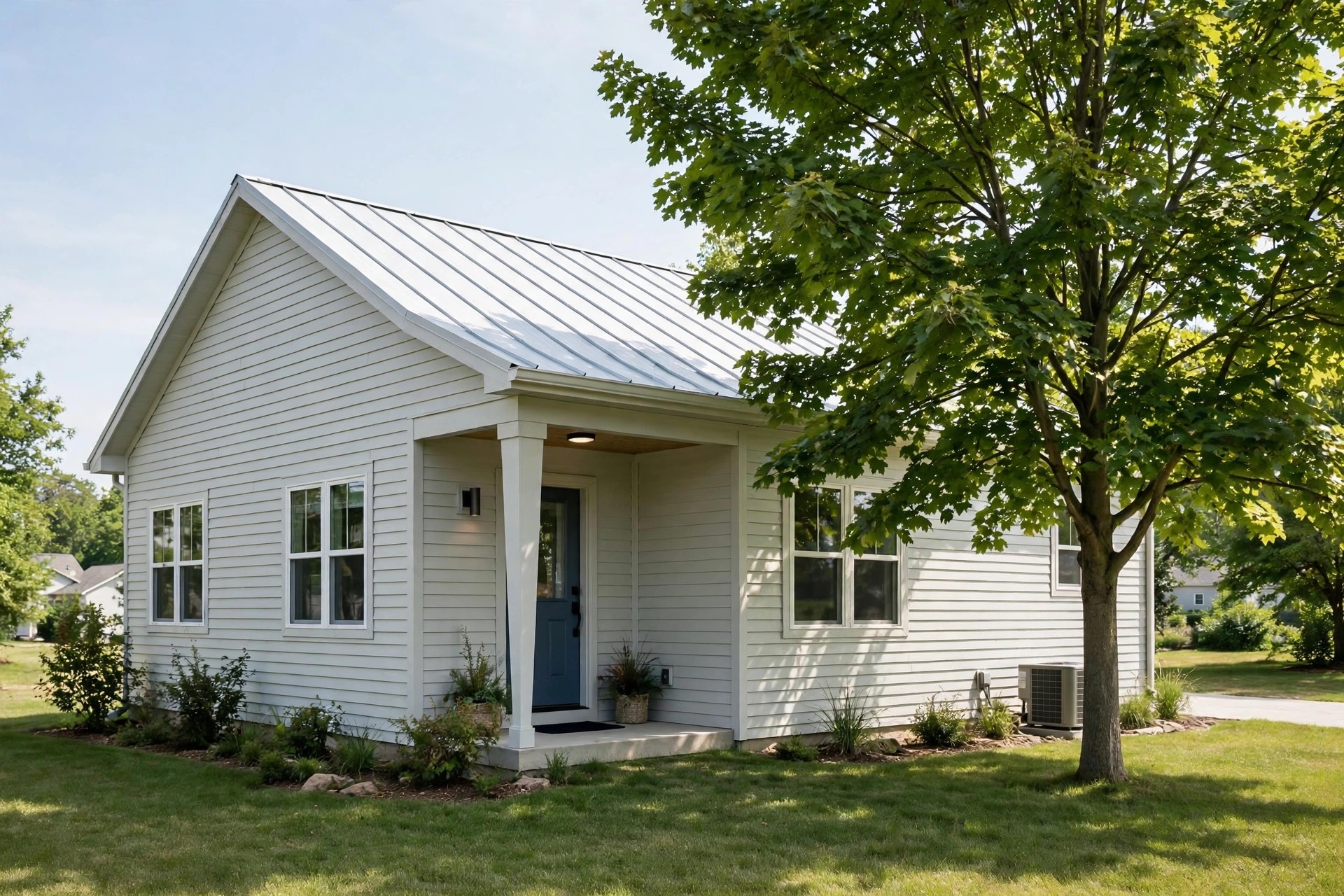

Every year, American homeowners spend a large share of their household budget on heating and cooling. Much of that money slips out through the walls, the roof, and the windows. The exterior of a house is not only about curb appeal. It is the first line of defense against heat, cold, wind, and sun. This is why many people now turn to energy efficient home exterior design services for homeowners. These services bring together architects, contractors, and energy specialists. They study the outside of a home and plan changes that lower energy use while keeping the house strong and good looking.## Why the Exterior Matters for Energy Use
A house loses heat in winter and gains heat in summer through its outer shell. Thin siding, old windows, and a dark roof let energy pass through with ease. Gaps around doors and cracks in the foundation make the problem worse. When the shell is weak, the furnace and the air conditioner must work harder. That raises monthly bills and wears out the equipment sooner.
Energy efficient home exterior design services for homeowners begin with this simple idea. They treat the home as one system. The walls, roof, windows, doors, and even the yard work together. A change in one area affects the rest. For example, a light-colored roof reflects summer heat. That means the attic stays cooler. A cooler attic means the air conditioner runs less. One smart choice can bring savings in several places at once.
Homeowners who plan their exterior work with energy in mind often see lower bills within the first year.
What These Design Services Actually Do
Many homeowners are unsure what a design service includes. It is more than a contractor visit. A full service usually follows these steps.
Home Energy Assessment
The visit starts with an inspection. The designer walks around the house and looks at the siding, roof, windows, doors, and foundation. They may use an infrared camera to find warm and cool spots on the walls. They check the attic for insulation depth. They note the direction the house faces and how much sun each wall receives.
Written Plan
After the visit, the homeowner receives a written plan. The plan lists the recommended changes in order of value. It gives rough cost ranges and expected savings. A good plan separates quick wins from major projects. Quick wins might include sealing air leaks and adding attic insulation. Major projects might include new insulated vinyl siding or a full window replacement. The experienced design teams at This Old House often stress this order: seal first, insulate second, and replace third.
Coordination With Contractors
Some firms only design. Others also manage the work. When they manage the work, they hire the siding crew, the roofer, and the window installers. They check that the work meets the plan. This keeps the project on schedule and holds each trade to the same energy goal.
How to Choose the Right Service: Energy Efficient Home Exterior Design Services for Homeowners
Not every firm is a good fit. A homeowner should look for these marks of quality.
First, check for real credentials. Look for firms that employ certified energy auditors or building analysts. Programs run by ENERGY STAR and the U.S. Department of Energy set clear standards for energy work. Firms that follow those standards tend to give honest advice.
Second, ask for proof. A serious firm shows before-and-after photos of past jobs. It shares letters from past clients. It can point to projects in the same climate zone. The advice for a home in Minnesota is not the same as the advice for a home in Arizona.
Third, demand clear numbers. The firm should give a written estimate with line items. It should explain how it figured the expected savings. Vague promises of huge savings are a warning sign. A careful planner gives a range and says why the range is wide.
Fourth, check local rules. Exterior changes may need permits. Historic districts may limit siding or window choices. A good service knows the local codes and handles the paperwork.
Key Exterior Features That Save Energy
Energy efficient home exterior design services for homeowners focus on several parts of the house. Each part plays a role.
Insulated Siding
Siding is the skin of the house. Standard vinyl siding has almost no insulation value. Insulated siding adds a layer of foam behind the panel. This layer cuts heat flow through the walls. It also makes the wall straighter and quieter. Fiber cement siding is another strong choice. It holds paint well and resists fire and pests. Homeowners who want price guidance can review an insulated vinyl siding price comparison usa before they sign a contract. Product lines from CertainTeed give a sense of the range of styles and insulation values on the market.
Cool Roofing
The roof takes the full force of the summer sun. A dark roof can reach very high temperatures on a hot day. A cool roof uses light colors or special coatings to reflect heat. Metal roofs can be coated to reflect solar rays. Some shingles now carry cool-roof ratings as well. A cooler roof lowers attic temperatures and reduces the load on the air conditioner. For cost planning, a metal roofing installation cost guide usa helps homeowners weigh metal against shingles and tile.
Windows and Doors
Windows are the weakest point in most walls. Single-pane glass lets heat pass almost freely. Double-pane windows with low-E coatings and argon gas fill slow heat transfer by a large amount. Proper flashing and sealing around the frame matter as much as the glass itself. Entry doors with foam cores and tight weatherstripping add further savings. A budget friendly vinyl replacement windows buying guide can help a homeowner compare frame materials and glass packages.
Air Sealing and Insulation
Even the best siding cannot help if air leaks around it. Common leak points include the rim joist, the attic hatch, plumbing holes, and gaps behind electrical outlets. A designer will list these points and have them sealed with caulk, foam, or gaskets. Then they check wall and attic insulation. In many older homes, the attic has far less insulation than current standards suggest. Adding insulation is often the cheapest way to save energy.
Shade and Landscaping
The yard is part of the exterior system. Deciduous trees on the south and west sides shade the house in summer and let sun through in winter. Awnings and shade sails over south-facing windows cut glare and heat gain. A covered porch or pergola can do the same while adding living space. These soft choices cost little and pay back for decades.
Exterior Lighting
Outdoor lights can also waste energy. Old floodlights burn all night. A design service may suggest motion sensors, timers, and LED fixtures. These small changes cut electricity use and still keep the yard safe. Advice from The Spruce on outdoor lighting layout can help homeowners place fixtures where they count.
Types of Service Providers
Homeowners will meet several kinds of providers. Each has strengths.
Energy auditing firms. These firms test and measure. They use blower doors and infrared cameras. They give a report but may not do the building work. They are a good first step when the homeowner wants facts before spending.
Design-build contractors. These firms plan and build under one roof. They handle siding, roofing, windows, and insulation crews. This model suits large projects where many trades must work in order.
Architects with energy focus. An architect can reshape the exterior itself. They may change the roofline, add overhangs, or move windows to catch winter sun and block summer sun. This is the best route for a deep remodel or an addition.
Manufacturer programs. Some siding and window makers run dealer programs. The dealer sells the product and follows the maker’s installation rules. This route gives strong product support but a narrow set of options.
Utility programs. Many electric and gas utilities offer free or low-cost audits. Some give rebates for new windows, insulation, or cool roofs. A design service can help a homeowner claim these rebates.
Cost and Price Ranges
Costs vary by region, home size, and project scope. The ranges below give a rough guide for a typical American single-family home.
An energy audit with a written plan often costs between $300 and $600. Some utilities offer it free.
Air sealing and attic insulation for a full house often run from $1,500 to $4,500. This is usually the fastest payback on the list.
Insulated vinyl siding for a full house often costs from $12,000 to $28,000. Fiber cement siding often runs higher. The product catalogs at The Home Depot show the spread of siding prices across brands.
A full window replacement for ten to fifteen windows often costs from $8,000 to $25,000. Vinyl frames sit at the low end. Wood and fiberglass sit at the high end.
A cool metal roof often costs from $15,000 to $35,000 for a typical home. Shingle roofs cost less up front but last fewer years.
A design-build contract that covers several of these items may run from $30,000 to $80,000. Lowe’s project guides include budget worksheets that help homeowners plan the spend.
Homeowners should get at least three written bids for any large job. Each bid should list materials by brand and model, labor hours, and a start and finish date. Never pay the full amount up front.
Care and Upkeep
An energy efficient exterior keeps working only if it is maintained. Each part needs simple care.
Wash siding once a year with a garden hose and a soft brush. This removes dirt and mold that can hold moisture. Check caulk lines around windows and doors each fall.
Clean gutters twice a year. Full gutters spill water down the walls. That water can rot siding and leak into the basement.
Inspect the roof after big storms. Look for missing shingles, bent flashing, and loose metal panels. Small repairs done early stop big leaks later.
Trim trees so branches do not rub the siding or roof. Keep bushes a foot or more from the walls.
Test outdoor light sensors each season. Replace burned-out bulbs with LEDs of the same base type. Step-by-step upkeep checklists from Family Handyman and Bob Vila walk homeowners through these jobs.
Safety During Exterior Work
Exterior projects bring real hazards. Homeowners should plan for them.
Ladders cause many home injuries each year. Hire licensed crews for high work. If the homeowner must climb, use a ladder rated for the weight and set it on firm ground.
Old siding and paint may contain lead or asbestos. Homes built before 1978 need a lead check before paint is scraped. Asbestos siding should be handled by trained workers. Never grind or burn it.
Electrical lines run to the roof and the meter. Keep ladders and scaffolds clear of the service drop. Have the utility move the line if work must go near it.
Dust and fumes from roofing and sealants can bother the lungs. Keep windows closed on work days. Ask the crew to cover vents and air intakes.
Store tools and materials off walkways. Children and pets should stay out of the work zone. A tidy site is a safer site.
Frequently Asked Questions
How long does a full exterior energy project take? Most projects take two to six weeks of active work. An audit and plan take one to two weeks before that. Roofing and siding crews cannot work in heavy rain or high wind.
Will new siding alone lower my bills a lot? Siding helps, but it is not a cure by itself. The biggest gains come from sealing air leaks and adding attic insulation first. Then siding, windows, and roofing add further savings. A service that promises big savings from siding alone may not be honest.
Are energy efficient upgrades worth it in mild climates? Yes. Even in mild areas, the air conditioner runs on hot afternoons and the heater runs on cold nights. Tight windows and good insulation cut both loads. Shade and cool roofing matter most where summers are long.
Can I get tax credits or rebates? Many programs exist. Federal tax credits have covered efficient windows, doors, and insulation in recent years. States and utilities add their own rebates. A design service should list the programs that fit the project.
Should I do the work in stages or all at once? Both routes work. Stages spread the cost over time. Doing it all at once cuts labor overlap and may earn a better price. The written plan should show the best order so early work does not have to be redone.
How do I know the work actually saved energy? Compare utility bills from the same months before and after the work. Allow for weather differences. An honest service will review the numbers with the homeowner a year later.
A Short Final Word
The outside of a home shapes its comfort, its cost, and its life span. Energy efficient home exterior design services for homeowners turn that fact into a plan. They measure, they rank, and they build. A homeowner who starts with a careful audit and follows the written plan will spend less on heat and cooling for years. The house will be quieter, drier, and stronger. And when the time comes to sell, an efficient shell is a selling point that buyers can see and feel. The first step is simple. Call a qualified service, ask for a written plan, and begin with the fixes that pay back fastest.
References
Bob Vila. (n.d.). Home improvement advice. https://www.bobvila.com CertainTeed. (n.d.). Building materials and exterior products. https://www.certainteed.com ENERGY STAR. (n.d.). Energy efficient products. https://www.energystar.gov Family Handyman. (n.d.). DIY home repair and maintenance. https://www.familyhandyman.com James Hardie. (n.d.). Fiber cement siding and exterior products. https://www.jameshardie.com Lowe’s. (n.d.). Home improvement products. https://www.lowes.com The Home Depot. (n.d.). Home improvement products. https://www.homedepot.com The Spruce. (n.d.). Home and garden advice. https://www.thespruce.com This Old House. (n.d.). Home renovation guidance. https://www.thisoldhouse.com U.S. Department of Energy. (n.d.). Energy efficiency and renewable energy. https://www.energy.gov
Was this guide helpful?

About James Carter
The My Garden US editorial team writes practical, in-depth home and garden guides for American homeowners — tested advice, no fluff.
You May Also Like
Top Rated Cedar Shake Siding for Southern States
February 5, 2026 0 views
Affordable Asphalt Driveway Sealing Near Me: A Practical Guide
August 31, 2026 0 views
Budget Friendly Exterior Stair Railings for Cold Climates
July 29, 2026 0 views