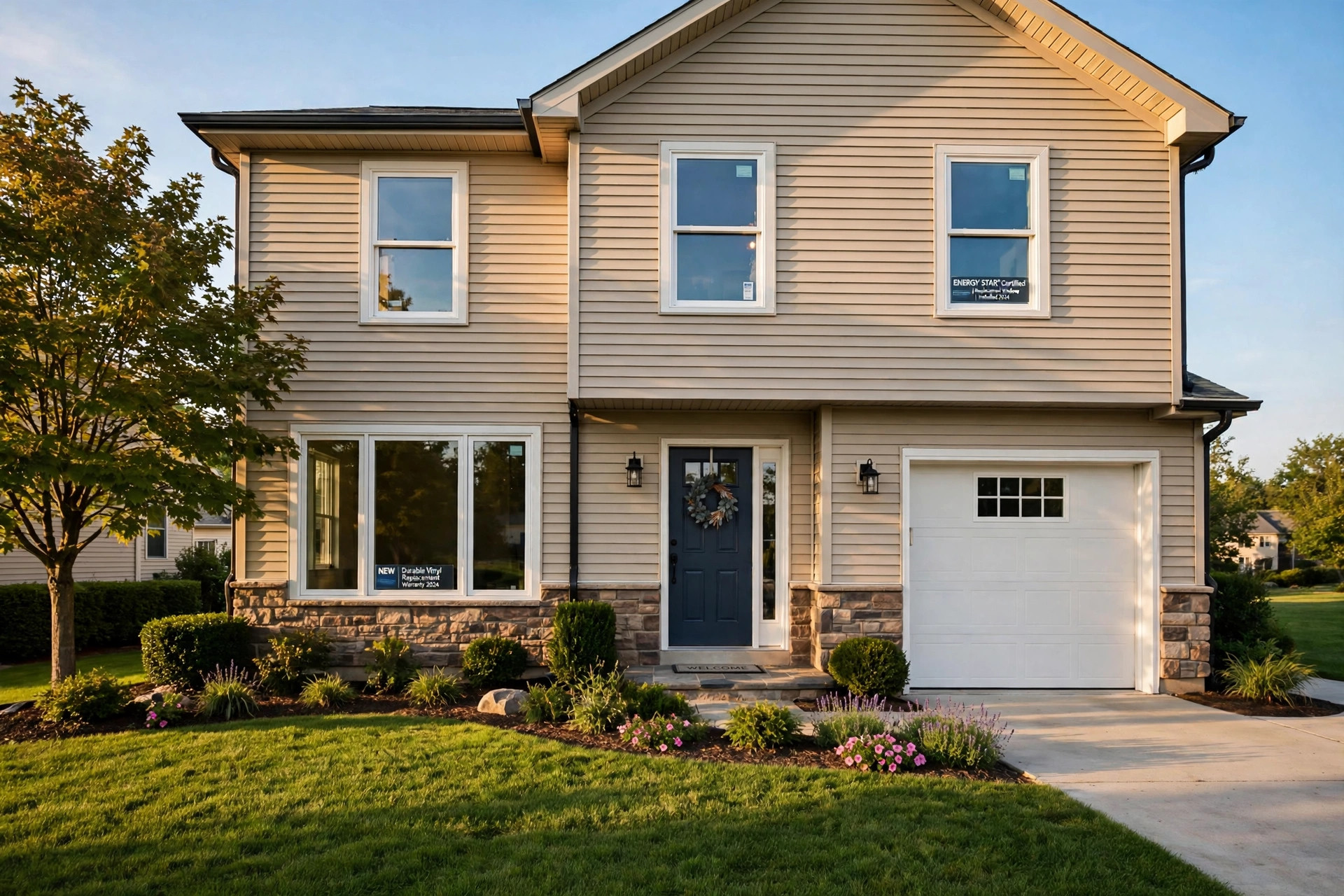

Old windows cost money every month. They let heat escape in winter and let cool air escape in summer. They stick, rattle, and fog between the panes. For many owners, durable replacement window installation for homeowners is the most useful upgrade they can make to an older house. This guide explains why it matters, how to choose, what it costs, and how to keep new windows in good shape for years.
Why Replacement Windows Matter
Windows do more than let in light. They shape the comfort of a home. A good window holds a steady room temperature. It blocks drafts. It keeps out rain and noise. It also protects the frame and wall from rot.
Old single pane windows do little of this. Many homes built before 1990 still have them. Studies from federal energy programs show that old windows can be a main source of heat loss in a house. When you replace them with modern units, you may see lower heating and cooling bills right away. The Energy Star program offers clear facts on how efficient windows cut energy use in American homes.
Durability matters too. A cheap window may look fine on day one and fail by year five. Seals break. Frames warp. Sashes stick. A durable window resists all of this. It opens and closes smoothly after thousands of uses. Its seal holds. Its frame keeps its shape through hot summers and cold winters.
There is also resale value. Buyers notice new windows. They see lower energy costs and fewer repair needs. Real estate agents often list new windows as a selling point. A home with fresh, clean windows looks cared for from the street.
How to Choose the Right Replacement Windows: Durable Replacement Window Installation for Homeowners
Start with your climate. A window that works in Arizona heat may not suit Minnesota cold. Look at the labels on the window. The U-factor tells you how well it blocks heat flow. Lower is better in cold places. The solar heat gain number tells you how much sun heat enters. Lower is better in hot places. Home improvement guides like those at This Old House explain these ratings in plain terms.
Frame Material
The frame is the skeleton of the window. Four common types exist.
Vinyl. The most popular choice in America. Vinyl frames resist rot, never need paint, and cost less than most options. They insulate well. High quality vinyl holds its shape for decades. Budget buyers often start with a budget friendly vinyl replacement windows buying guide to compare brands and prices.
Wood. Wood frames look warm and classic. They insulate very well. But they need paint or stain every few years. In wet climates, wood can rot if not cared for. Wood is best for historic homes or owners who love the look and will do the upkeep.
Fiberglass. Strong and stable. Fiberglass barely moves with heat or cold, so seals last longer. It can be painted. It costs more than vinyl but less than wood in many cases. Many pros call it the best long term value.
Aluminum. Light and strong, common in warm climates. Aluminum conducts heat, so it is less efficient unless it has a thermal break. It resists storms well and suits modern designs.
Glass Options
Double pane glass is now the standard. Two layers of glass with sealed air or gas between them cut heat loss far better than one pane. Triple pane adds a third layer for the coldest regions. Argon or krypton gas between panes adds more insulation. Low-E coatings are thin metal layers that reflect heat. They keep summer heat out and winter heat in. They also block UV rays that fade rugs and furniture.
Size and Fit
Replacement windows come in two styles of install. Insert replacement fits a new window into the old frame. It is faster and cheaper. Full frame replacement removes the old frame down to the studs. It costs more but lets you fix hidden rot and seal the opening fully. For long life, full frame work is often worth the extra cost.
Types of Replacement Windows
Each window style serves a purpose. Here are the common ones.
Double hung. Two sashes slide up and down. Both can tilt in for easy cleaning. This is the classic American window. It fits almost any room.
Casement. Hinged on one side, opens outward with a crank. It seals tight when closed, so it is one of the most energy efficient styles. Good for hard to reach spots like over a sink.
Sliding. One or two sashes slide left and right. Simple and affordable. Good for wide, short openings.
Bay and bow. These project out from the wall and add space and light. They cost more and need strong framing. They make a room feel larger.
Picture. Fixed glass, no moving parts. Best for views. Often paired with venting windows beside them.
Awning. Hinged at the top, opens outward from the bottom. Lets in air even during light rain. Often used in basements.
Match the style to the room. Bedrooms need windows that open for escape in a fire. Kitchens need windows that vent cooking steam. Bathrooms need privacy glass that still lets in light.
Cost and Price
Price depends on size, material, glass, and labor. As a rough guide, a single replacement window often runs from a few hundred dollars to over a thousand, installed. Vinyl double hung units are at the low end. Large fiberglass or wood bay windows are at the high end.
Full frame installation costs more than insert work. Older homes may need extra labor if rot is found. Custom sizes cost more than stock sizes. Storm windows or added trim raise the price too.
To keep costs fair, get at least three written quotes. Make sure each quote covers the same work: window type, glass, frame material, install method, trim, and cleanup. Beware of quotes that are far below the others. Very low bids may skip seal work or use thin frames.
Many owners replace windows in stages. Start with the worst ones: drafty, foggy, or stuck units. Finish the rest a year later. This spreads the cost. Some utility companies offer rebates for efficient windows, so check your local utility before you buy. The Home Depot and Lowe’s both carry wide selections and list prices online, which helps you compare before a contractor visits.
Financing is common. Many window firms offer payment plans. Home equity loans can cover larger jobs. Weigh interest costs against the energy savings you expect.
Choosing a Good Installer
The installer matters as much as the window. A fine window set badly will leak and draft. Look for a firm that has been in business for several years. Ask for proof of license and insurance. Read local reviews on trusted home sites, and ask neighbors who had windows done recently.
A good installer measures each opening before ordering. Stock sizes may not fit an old house, and a custom fit prevents gaps. Ask how they seal the opening. They should use backer rod and quality caulk or low expansion foam, not just stuff the gap with insulation. Ask how long the labor warranty lasts. One year is common; better firms offer more.
Be wary of high pressure sales. A firm that demands a same day decision is a red flag. Take the quote home and compare. Honest firms let you think. Also ask who does the work: the firm itself or a sub crew. Crews that do windows every day are better than general crews doing windows on the side.
Care and Upkeep
Durable windows still need care. A small routine keeps them working for 20 to 30 years.
Wash glass twice a year with mild soap and water. Avoid harsh chemicals that can harm Low-E coatings. Clean the tracks and sills where dirt builds up. Vacuum the tracks, then wipe with a damp cloth.
Check the seals once a year. Look for cracks in caulk around the frame. Look for fog between panes, which means a seal has failed. Small caulk cracks are easy to fix yourself. Failed seals need a glass replacement.
Lubricate moving parts. A silicone spray on tracks and hinges keeps sashes sliding smoothly. Never use oil based sprays, which attract dirt.
Inspect the exterior. Paint or stain wood frames before bare wood shows. Make sure weep holes at the bottom of the frame are clear so water can drain. Trim bushes away from windows so air can flow and moisture can dry.
Inside, watch for condensation. Some moisture on cold mornings is normal. Heavy water running down the glass points to high indoor humidity. A dehumidifier or better ventilation solves it.
Safety
Windows are part of home safety. Make sure bedroom windows open wide enough for escape. Keep locks in working order. For upper floors, consider window guards that an adult can open but a child cannot.
Glass can break. Tempered glass shatters into small blunt pieces and is safer than plain glass. Building codes require it near doors, in bathrooms, and in low windows. Ask your installer where tempered glass is needed.
During installation, keep children and pets away from the work area. Old windows may have lead paint. If your home was built before 1978, the installer must follow lead safe work rules. Ask about this before work starts. The Consumer Product Safety Commission publishes guidance on lead paint safety in older homes.
After install, test every window. Open, close, and lock each one. Check for drafts with your hand on a windy day. Good work should feel solid and airtight.
FAQ
How long does replacement window installation take? Most homes take one to two days. A simple insert window takes 30 to 60 minutes per unit. Full frame jobs take longer. Large homes or custom windows may need three days.
How long do replacement windows last? Quality vinyl and fiberglass windows last 20 to 30 years. Wood lasts as long with good care. The glass seal usually carries a 20 year warranty on better units.
Can I install replacement windows myself? A skilled DIY owner can install insert windows. But poor sealing causes drafts and water damage. Full frame work is best left to pros. Many warranties require pro installation.
What is the best window material for cold climates? Fiberglass and vinyl with triple pane glass perform well in cold regions. Low U-factors matter most. Check the label before you buy.
Should I replace all windows at once? It is fine to do them in stages. Start with the worst ones. Doing all at once may earn a bulk discount, so ask your contractor.
How do I know if a window needs replacement? Signs include drafts, fog between panes, stuck sashes, rot in the frame, and rising energy bills. If you see more than one sign, replacement is likely due.
A Final Word
Durable replacement window installation for homeowners is not a quick buy. It is a long term choice. Pick strong frames, good glass, and a careful installer. Keep up with simple care. Do that, and your windows will serve your home for decades. When the project touches nearby trim, a top rated exterior trim replacement reviews page can help you match styles. If you are also planning an exterior door replacement for homeowners, doing both projects together can save on labor and keep the look of your home consistent.
For more background, see CertainTeed, Bob Vila, and Family Handyman. Buying guides are also published by The Spruce and James Hardie.
References
Bob Vila. (n.d.). Home improvement advice. https://www.bobvila.com CertainTeed. (n.d.). Building materials and exterior products. https://www.certainteed.com Family Handyman. (n.d.). DIY home repair and maintenance. https://www.familyhandyman.com James Hardie. (n.d.). Fiber cement siding and exterior products. https://www.jameshardie.com Lowe’s. (n.d.). Home improvement products. https://www.lowes.com The Home Depot. (n.d.). Home improvement products. https://www.homedepot.com The Spruce. (n.d.). Home and garden advice. https://www.thespruce.com This Old House. (n.d.). Home renovation guidance. https://www.thisoldhouse.com
Was this guide helpful?

About Sarah Mitchell
The My Garden US editorial team writes practical, in-depth home and garden guides for American homeowners — tested advice, no fluff.
You May Also Like
Affordable Stone Veneer Panels for Sale: A Plain Guide for Homeowners
March 11, 2026 0 views
Composite Decking Materials Price Comparison USA
January 4, 2026 0 views
Asphalt Shingle Roofing Price Comparison USA: What Homeowners Pay and Why
August 24, 2026 0 views