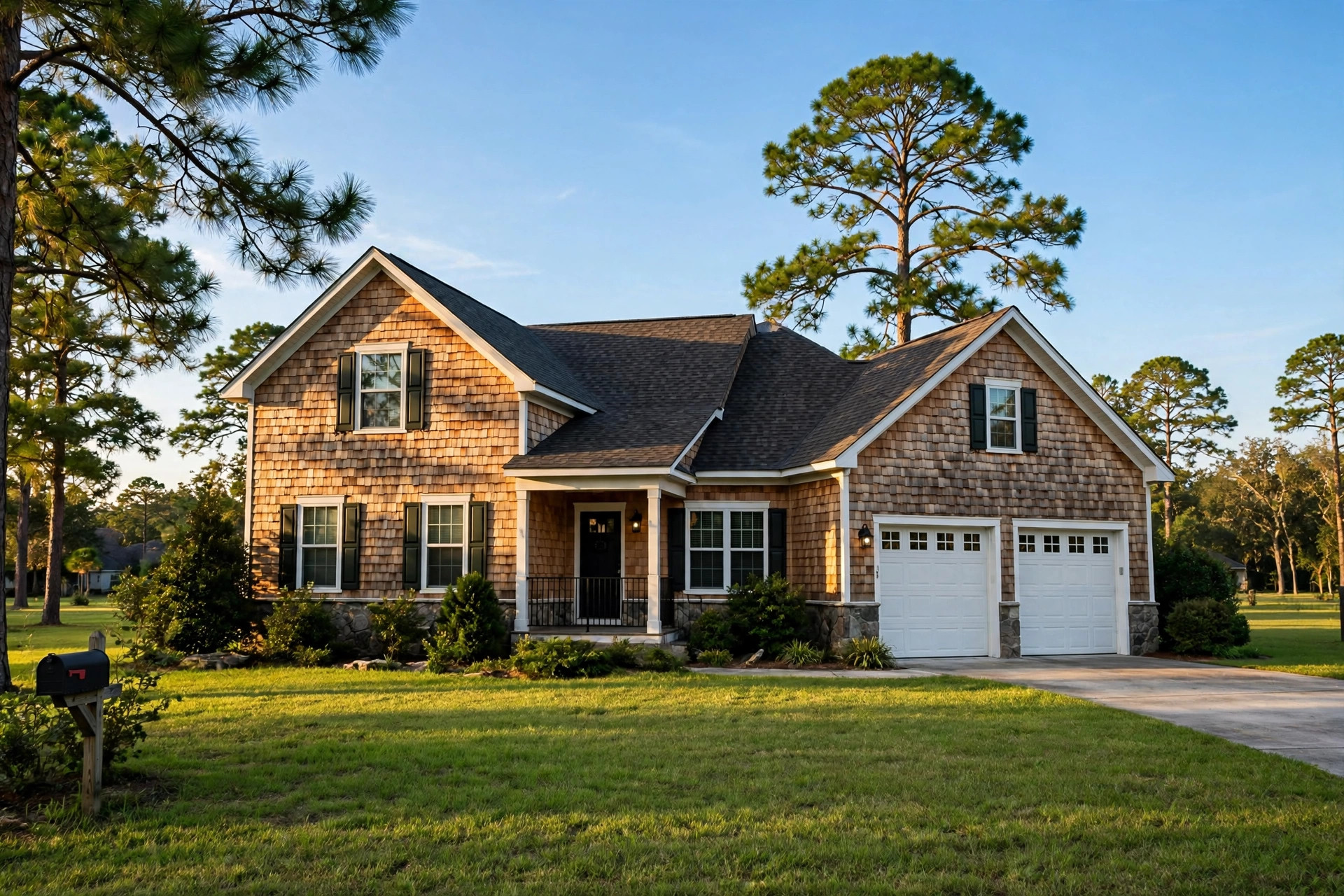

The search for top rated cedar shake siding for southern states starts with a simple question. Will natural wood hold up in the heat, the damp air, and the hard storms of the South? The honest answer is yes, but only when the homeowner picks the right grade, the right treatment, and the right plan for upkeep. This guide walks through each of those choices in plain terms. It covers why cedar fits the region, what to look for before you buy, the main types on the market, what the work costs, and how to keep the siding sound for decades.
Why Cedar Shake Fits Southern Homes
Cedar has grown on the Pacific coast for centuries, yet it found a second home on houses in Texas, Georgia, Louisiana, and the Carolinas. The wood carries natural oils that fight rot and insects. That trait matters a great deal in the South, where damp air sits on a house from spring through fall. Cedar also takes stain and finish well, so a homeowner can shift the color from honey gold to deep gray without a full rebuild.
The look is another draw. Each shake is split or sawn by hand or machine, so no two pieces match exactly. The result is a wall with real texture and shadow. Brick fronts and flat vinyl panels look tidy, but they lack that depth. Many older coastal towns in the South already carry shake on gables and porches. A new home clad in cedar can blend with those streets instead of standing apart.
Energy use deserves a mention too. Wood insulates better than metal or vinyl. A shake wall slows the movement of heat into the house during long southern summers. The gain is small but real, and it pairs well with proper sheathing and insulation behind the wood.
What to Look for When You Choose: Top Rated Cedar Shake Siding for Southern States
Not every cedar shake on the rack will serve a southern house. The climate asks more of the material than a dry northern climate does. Heat speeds drying and cracking. Humidity feeds mold. Storm winds test the fasteners. Buyers who judge shakes by a few clear points end up with siding that lasts.
Grade of the Shake
Cedar shakes carry grades that tell you how many knots and defects they hold. The top grade is clear and free of knots. It costs more, but each piece lies flat and sheds water the way it should. Lower grades carry knots that pop out over time and leave holes. For a full wall in the South, the top grade is worth the price. For a small accent gable, a middle grade can serve. Read the grade stamp on the bundle before you pay. Guides from This Old House explain how shake grades match real wall performance.
Treatment Against Moisture and Insects
Southern air brings termites and carpenter ants. Pressure-treated shakes carry chemicals that turn those insects away. A factory-applied water repellent is also worth seeking out. Some mills dip each shake before shipping. That dip reaches spots a brush never will. If the bundle is untreated, plan to stain the shakes on all six sides before they go on the wall. This step takes time but pays for itself in the first wet season.
Wind and Storm Ratings
Coastal counties face building rules that set wind speed limits for wall cladding. Ask the dealer whether the shakes meet the rating your county demands. Heavier exposure also calls for wider fasteners and closer nailing patterns. Your contractor should know these rules by heart. If you want a second read on storm-ready cladding, the buying notes at CertainTeed cover wind performance in plain language.
Types and Options
Cedar shake siding comes in more forms than most shoppers expect. Each form suits a different budget and a different level of patience for upkeep.
Natural Cedar Shakes
These are raw wood, split to show the grain. They go up bare and weather to a silver gray over two or three years. Some owners love that color. Others fight it with stain from day one. Natural shakes demand the most care in the South. Sun and rain work fast on uncoated wood. Still, nothing else copies the look of a hand-split shake.
Factory-Finished Shakes
A factory finish means the stain goes on before the shake leaves the mill. The coat is even and thick, and it wraps edges that field painting would miss. Factory finish costs more up front. It also stretches the time between recoats by several years. For a busy household, that trade is often the right one. You can compare finished cedar options and pricing through a large retailer such as The Home Depot.
Options That Copy the Look
Some homeowners want the shake profile without real wood. Fiber cement panels stamped with a shake pattern come close in shape. They shrug off insects and need no stain. Engineered wood and polymer shakes sit in the middle on cost and care. They will never match true cedar grain, but they ask far less of the owner. The product pages at James Hardie show how a fiber cement shake panel looks on a finished home. If you are weighing wood against these copies, our overview of the best cedar shake siding for southern states walks through the trade-offs in more detail.
Cost and Price
Cedar shake ranks among the pricier siding choices. Material alone for top-grade shakes can run several times the cost of basic vinyl. Labor adds more because each shake must be placed and nailed by hand. A full house in the South may take a skilled crew two to three weeks.
Total installed cost for a typical two-story home often falls in the low tens of thousands of dollars. The number moves with the grade of the shake, the price of labor in your town, and how much old siding must come off first. Factory finish adds to the bill but cuts later paint costs. Accent work, such as a gable or a porch wall, can cost a fraction of a full job and still change the face of the house.
Get at least three written bids. Ask each bidder to name the grade, the treatment, and the fastener pattern in writing. A bid that skips those details is not a bid you can trust. Ask whether the price covers old siding removal, since hauling away old material can add a real sum. Project planners at Bob Vila publish updated cost ranges for cedar shake jobs across regions.
Care and Upkeep
Southern weather will test any wood wall. A steady care routine keeps the shakes sound and keeps the finish bright.
Wash the siding once a year with a garden hose and a soft brush. Mild soap is enough. Skip the pressure washer or keep it on the lowest setting and well back from the wall. High pressure drives water behind the shakes and lifts the finish.
Inspect each spring for split pieces, lifted corners, and dark spots that signal mold. Replace broken shakes one at a time. A flat bar and a hammer are the main tools. Slide the new shake under the course above and face-nail it, then set a dab of sealant over the nail heads.
Restain or reseal every three to five years. The hot southern sun breaks down finish faster than a northern climate does. A south-facing wall may need fresh stain a year sooner than the shaded side. Choose a stain rated for exterior wood and built for high humidity. Sealers and stains stocked by Lowe’s list their mildew-fighting additives on the label.
Keep bushes and mulch a few inches from the wall. Air must move across the siding so it can dry after rain. Gutters matter too. Water spilling from a clogged gutter will stain and rot shakes fast. The same care applies around trim and eaves, which is why weather resistant soffit and fascia repair for homeowners makes a useful companion read.
Step-by-step upkeep routines from Family Handyman show the cleaning and restaining process with photos that match real jobs.
Safety
Wood siding and fire safety deserve an open discussion in the South, where dry spells and lightning storms both occur. Cedar is flammable. Factory-applied fire-retardant treatments cut that risk. Some counties near wildland areas require treated wood on exterior walls. Check your local code before you order.
Mold is the quieter hazard. Shakes that stay damp grow mold and mildew, which can bother people with breathing trouble. Good ventilation behind the siding helps. A rain screen gap between the sheathing and the shakes lets the wall dry from both sides. Your installer should know this method.
Ladder work brings its own risk. Cleaning and inspecting a second story means a tall ladder on soft ground. Keep the ladder feet firm, keep three points of contact, and hire help when the pitch feels wrong. General home exterior safety tips at The Spruce cover ladder setup and storm-season checks.
Frequently Asked Questions
How long does cedar shake siding last in the South?
With proper grade, treatment, and upkeep, a cedar shake wall can serve thirty years or more. Neglect cuts that number in half. The finish schedule matters most. Shakes that get restained on time dry properly and resist rot.
Does cedar shake siding attract termites?
Cedar oils repel many insects, but they do not stop termites by themselves. Pressure treatment and a termite shield at the foundation give real protection. Keep soil and mulch away from the first course of shakes.
Can cedar shake siding handle hurricane winds?
Properly nailed shakes with the right wind rating can handle strong storms. The fastener pattern and the rating of the product matter more than the wood itself. In coastal zones, ask the contractor to follow the local high-wind nailing schedule.
Is cedar shake siding worth the cost compared to vinyl?
That depends on what you value. Cedar costs more up front and asks more care. It also looks richer and can raise the resale value of a home with the right buyer. If you plan to sell soon, cheaper siding may serve. If you plan to stay, cedar pays back in character.
How do I keep cedar shakes from turning gray?
Graying comes from sun and weather on bare wood. A pigmented stain with UV blockers slows it. Clear sealers slow it less. Reapply on schedule, and the south-facing wall on time or early.
Should I choose cedar or brick veneer for a southern home?
Brick asks almost no care and handles storms well. Cedar looks warmer and costs less to install in many markets. Some owners mix the two, with brick on the ground floor and shakes on the gable. A guide to brick veneer siding reviews and buying guide compares costs and upkeep side by side.
A Final Word
Top rated cedar shake siding for southern states is not a purchase to rush. The grade, the treatment, and the finish decide whether the wall lasts decades or disappoints in five years. Take time with the samples. Read the grade stamp. Ask hard questions about wind ratings and fire treatment. Ask the installer how the wall will vent and dry behind the shakes. Then plan for the upkeep the way you would plan for a roof. Cedar rewards the owner who tends it. In the warm light of a southern evening, few walls look as good as a well-kept shake wall.
References
Bob Vila. (n.d.). Home improvement advice. https://www.bobvila.com CertainTeed. (n.d.). Building materials and exterior products. https://www.certainteed.com Family Handyman. (n.d.). DIY home repair and maintenance. https://www.familyhandyman.com James Hardie. (n.d.). Fiber cement siding and exterior products. https://www.jameshardie.com Lowe’s. (n.d.). Home improvement products. https://www.lowes.com The Home Depot. (n.d.). Home improvement products. https://www.homedepot.com The Spruce. (n.d.). Home and garden advice. https://www.thespruce.com This Old House. (n.d.). Home renovation guidance. https://www.thisoldhouse.com
Was this guide helpful?

About David Wilson
The My Garden US editorial team writes practical, in-depth home and garden guides for American homeowners — tested advice, no fluff.
You May Also Like

Where to Buy Stone Veneer Panels in California: A Practical Guide
June 1, 2026 0 views
Vinyl Siding Installation Cost Guide USA
January 28, 2026 0 views
Buy Mailbox Posts Online in Texas: A Simple Guide for Homeowners
March 20, 2026 0 views